Searching for Rare Mammals in South Africa
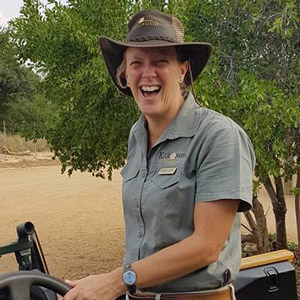
Having lived and worked as a guide for many years in South Africa, Wildlife Consultant Helen Bryon marvels at the superb wildlife and sheer enormity of the Tswalu Kalahari Private Reserve as she checks out our new luxury small group holiday to the region
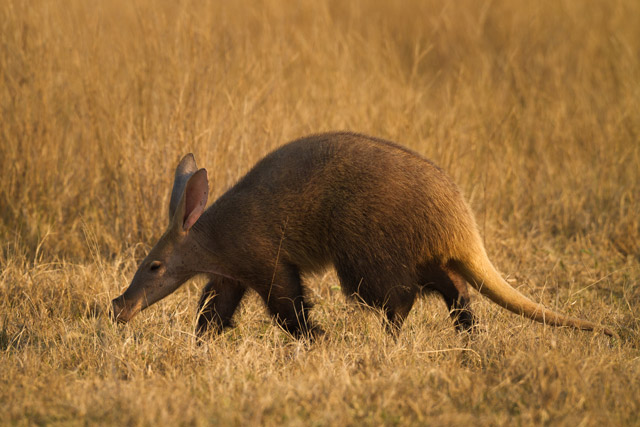
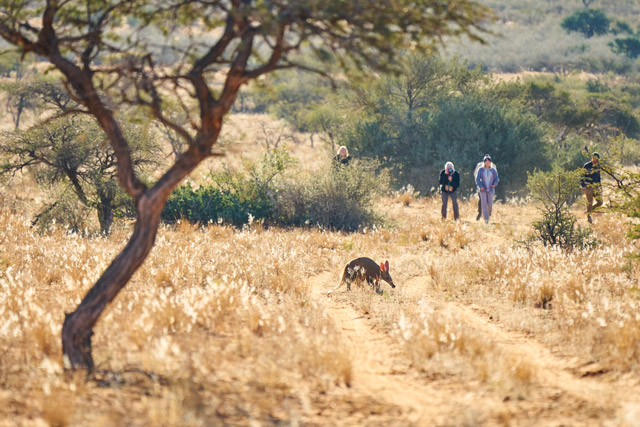
I was holding my breath and grinning so hard that I was sure it would pick up on my presence. A cloud of red dust was being created by thick, long, yellowing nails ... tools of the trade when foraging for termites is your profession. Its thick tail and powerful hind legs gave it stability as ant-eating chats patiently waited for their share of the feast. Crouched on my haunches, it was so close I could see individual eyelashes and scars on its skin. It turned away from us, its kangaroo ears glowing in the late afternoon sun and Rudy, my guide, silently beckoned that I follow. The best part of an hour later, we returned to our vehicle having walked the Kalahari dunes with one of the most sought-after creatures in Africa, an aardvark.
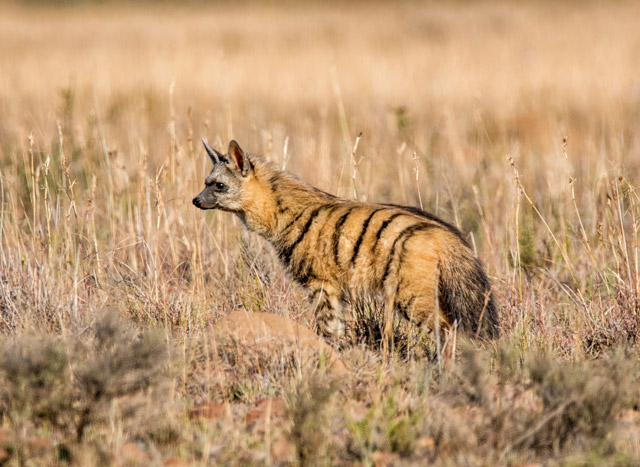
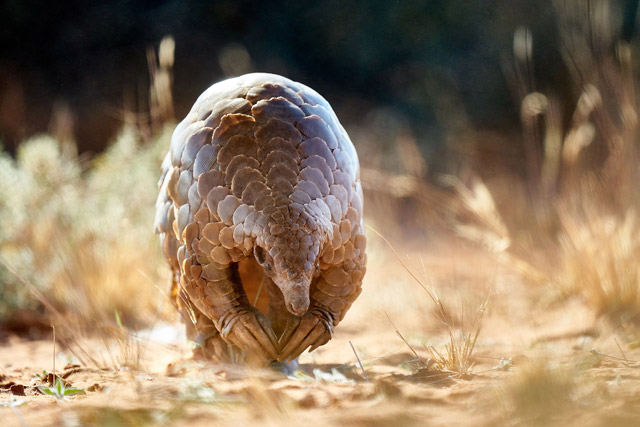
 Lost in a reverie of thoughts as we drove back to the lodge, we suddenly came to a halt. ‘Aardwolf!’ It took a moment for my brain to register. Aardwolf? Are you serious? Really? Aardwolf? In four years of guiding, I’d never seen an aardwolf, but sure enough, there to my left and not 10 metres away, was an aardwolf. It meandered back and forth, oblivious to our spotlight, before scuttling off into the approaching night. Needless to say all senses were back on full alert. Whatever next? Brown hyena? Caracal? Pangolin?
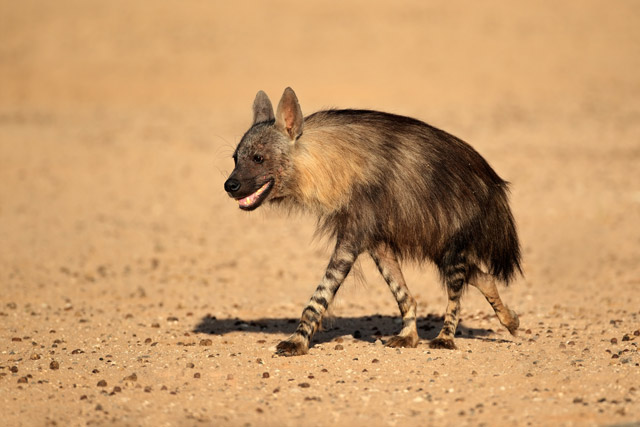 It may be hard to believe, but all of these species are a distinct possibility in this part of South Africa’s Northern Cape, and sightings of pangolin are particularly good in the winter months (June and July), when they are often found foraging for ants and termites in daylight hours. However, it’s not just about luck. A private guide, tracker and vehicle are standard here, and there are no set safari times – just head off into rolling red dunes as far as the eye can see, and state your preference for how and when you wish to explore them.
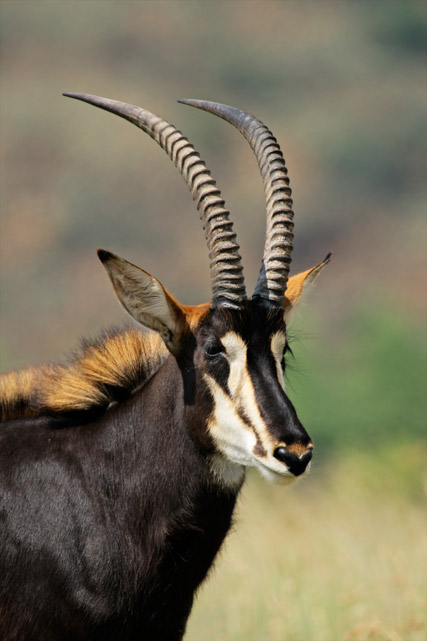
 But let’s not ignore the predators. We were blessed with cheetah, lion and wild dogs. Not just any dogs, but hunting wild dogs. Dogs that took down a warthog as we watched, awe struck, on foot, just metres away (undoubtedly the best wild dog sighting of my life). There’s also a wonderful supporting cast of bat-eared fox, meerkats and majestic sable, roan and oryx. Crimson-breasted shrikes add a splash of colour, owls are plentiful and sociable weaver nests dot the landscape, seemingly defying gravity.
 And what about space? There’s masses of it. Just two luxurious camps share 114,000 hectares – nearly twice the size of Sabi Sands (another of South Africa’s iconic private reserves). No area is off limits and you generally won’t see another vehicle when on safari. In short, after years of living and guiding in South Africa, not to mention numerous holidays there, I’ve never experienced magic like this. This reserve is in a league of its own – it’s the largest private reserve in the country. Welcome to Tswalu Kalahari Reserve. A reserve like no other!
Why not join me in June 2021 on our new small group holiday, South Africa’s Rare Mammals in Style, when we will have exclusive use of Tswalu’s most intimate lodge, Tarkuni. Contact the team for more information.