Best Wildlife Camera Lens
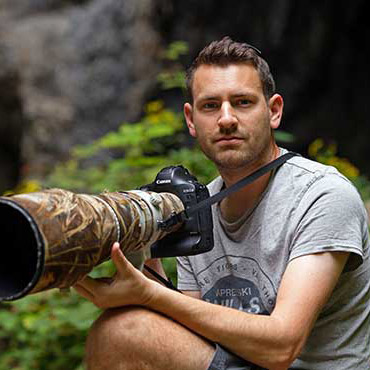
Here at Wildlife Worldwide we're often asked - what's the best lens for wildlife photography? Quite simply, there's no one size fits all solution. Having spoken to our expert team of wildlife photography experts, we've put together this handy guide to help you choose the right kit for your next photography holiday.
Introduction to Wildlife Photography
Traditionally, wildlife photography has involved using lenses with a longer focal length. The primary reason for this, is to allow the subject (wild animal) to carry on, remaining undisturbed by the photographer's presence. However, with the improvements in technology and the increasing levels of animal habituation, more and more and wildlife photography is done with mid-range telephoto zoom lenses and even wide-angle lenses. These shorter focal lengths allow for an entirely different feel in the imagery captured and often help show the subject in its natural environment.
For any photographer, their primary focus should be on capturing breathtaking imagery, without having a negative impact on their chosen subject. More often than not, this means using fieldcraft to maximise opportunities. An excellent option is to use purpose-built hides, allowing for exceptional photography without the animal knowing you're present. In a similar vein, when on safari we use vehicles, which act very much in the same way as a hide, keeping our presence (as humans) as an unknown to our subject species.
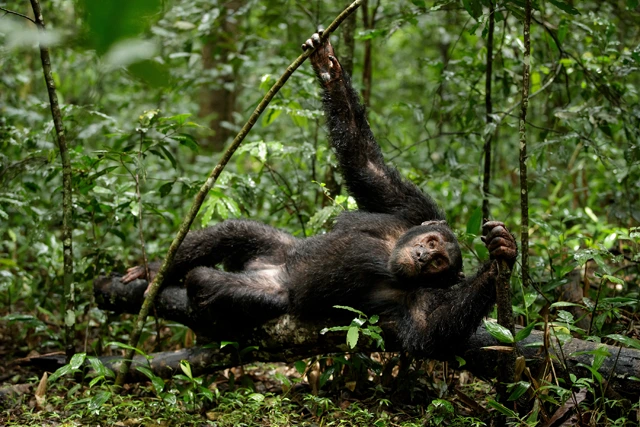
The final approach, is to habituate wildlife over many years. A prime example of this, are the mountain gorillas and chimpanzees in Uganda and Rwanda. Thanks to concerted efforts by scientists and conservationists, several families of these great apes are approachable on foot, allowing for incredible intimate encounters and exceptional photography.
 With the advent in digital cameras, and the continued improvements with the ability to take images in lower light and at higher speeds, alongside the increasing ease in travel, it's becoming easier for amateurs to capture spellbinding images of some of the world's most sought-after wildlife.
Types of Lenses for Wildlife Photography
There are a number of different lenses we can use when photographing wildlife. As mentioned already, these will depend on the situation we're presented with. There are dedicated lenses for mirroless cameras as well as DSLRs.
Super Telephoto Lenses
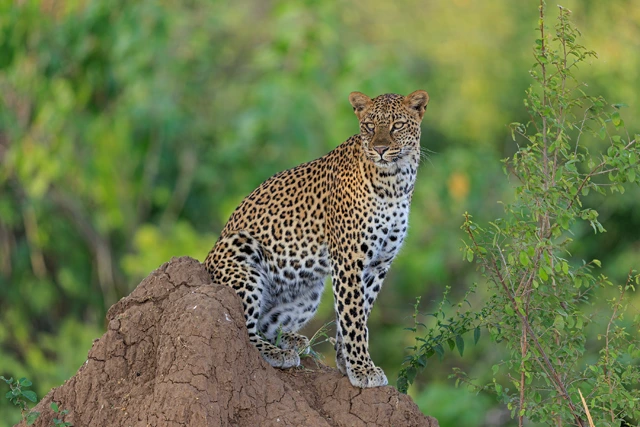
The workhorse for most wildlife photographers, the telephoto zoom lenses allow for powerful wildlife photography. Typically considered to be lenses with a maximum focal length of over 300mm, there are a range of options available depending on the manufacturer of your preferred camera system. For those that need incredible reach for example (particularly well suited to bird photography), there's currently a lens with a maximum focal length of 1200mm. These lenses can either come in zoom or prime options, depending on your budget and needs.
 Mid-range Telephoto Zoom Lenses
Another staple in the bag of any budding wildlife photographer should be a mid-range zoom lens. Technically these are also part of the telephoto family (as they offer magnification over our standard field of view), and are usually able to zoom in or out, offering unrivalled flexibility. An icon of this sector of lens manufacturing is the 70-200mm f2.8 - of which nearly all major manufacturers offer their own version.
Wide-Angle Lenses
Particularly popular among landscape photographers, wide-angle lenses also play an increasingly important role with wildlife photographers. Allowing the opportunity to capture wildlife in epic landscapes, or in rich habitats, they're increasingly used with camera trap technology and by photographers with more habituated species. A couple of excellent examples are 16-35mm and 24-70mm lenses.
Macro Lenses
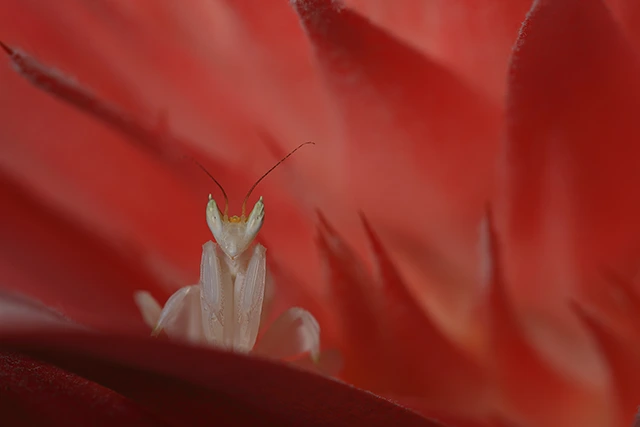
Opening up an entirely different world, dedicated macro lenses are a fantastic addition to any camera bag. Perfectly suited to photographing the world's smaller species, particularly invertebrates, reptiles and amphibians, these lenses typically offer a magnification of greater than 1:1, allowing the photographer to capture details we're unable to see with the naked eye. In fact, these are perfect when exploring rainforest environments or even taking a closer look at smaller species in your garden. The industry standard is the 100mm f2.8 (or similar), while 24mm f14 probe lenses and other specialist pieces of kit are becoming increasingly popular.
 Understanding Lens Specifications
When considering what lens (and camera body) to use on your next nature photography holiday, it's worth doing your research. For example, there's no need to take a prime 600mm lens, if your subject is an elephant that comes within a few metres. On top of that, there are variables within different lens models that offer a range of benefits and opportunities. Here we try and cover what options are available and what the benefits might be.
Focal Length & Maximum Aperture
The first thing to think about is the focal length of the lens, or lenses, that you want to use for your wildlife photography safari or holiday. Most of the time, our clients use a telephoto zoom lens, with a maximum focal length above 400mm. This versatile zoom range makes these lenses invaluable. There are a few standard focal lengths for these longer telephoto lenses:
- 100-400mm f4.5/5.6
- 100-500mm f4.5/7.1
- 150-400mm f4.5
- 150-600mm f5/6.3
These all perform much the same job, allowing a range of focal lengths which provides flexibility depending on your subjects proximity. The one downside of this versatility, is that the the widest (largest) aperture is limited, particularly at the longer end of its focal range. In lower light levels this can limit opportunities, despite modern image stabilisation (which we will cover later). Ideally, we want to use lenses with the smallest f-numbers, which have the widest apertures. Here are a few examples of zoom lenses with wide apertures:
- 70-200mm f2.8
- 100-300mm f2.8
- 24-70mm f2.8
- 16-35mm f2.8
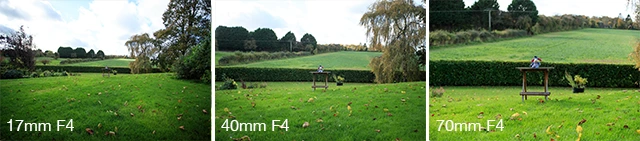 Although these lenses don't have the same reach, the optics are superior and the wider aperture allows for excellent image quality and exceptional sharpness, particularly in lower light levels. Although a longer focal length has its uses, particularly for smaller or more distant subjects, these shorter lenses are often preferred for their clarity and speed.
The final option available, are the exceptional prime lenses that most manufacturers offer. These are lenses that have no ability to zoom in or out. Instead they have a fixed focal length. This, of course, gives no flexibility and if you want to get closer you have to physically move closer (and vice versa). However, what they do offer is unrivalled sharpness, superb image quality, incredible speed and excellent low light shooting ability (thanks to their wide apertures). The biggest issue with these lenses, particularly the large super telephoto prime lenses, is their cost - they're hugely expensive. Here are a few prime lenses worth considering:
- 100mm f2.8 macro
- 300mm f2.8
- 400mm f2.8
- 500mm f4
- <600mm f4
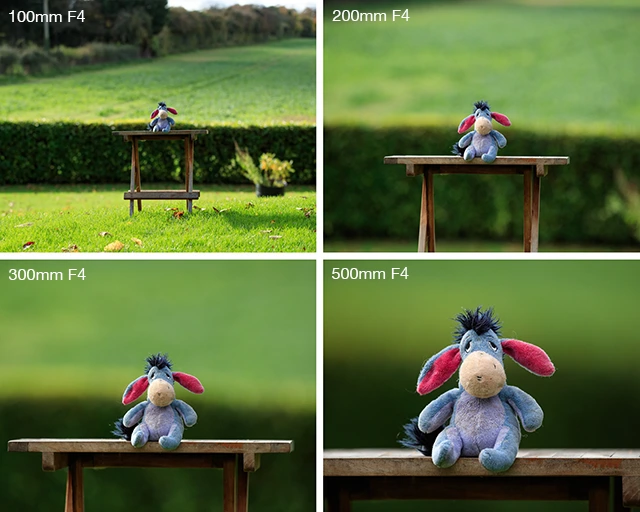 We would only recommend these lenses for those that are serious about taking their photography up a level. A huge investment, you'll find many professionals have them in their bag, but their lack of flexibility usually means that a serious photographer will also carry a second camera body with a zoom telephoto lens.
Image Stabilisation
Nearly all modern lenses, of all focal lengths, are equipped with advanced image stabilisation. This is now considered to be an industry standard and it greatly assists the photographer in capturing sharper images, despite camera shake from handheld shooting and slower shutter speeds (particularly in lower lighting conditions).
So what is image stabilisation? Quite simply, when utilised in a lens, it's a system where the lens elements are floating and any potential camera shake is eliminated. You're able to turn off image stabilisation on your lens, which is advisable when you have your camera on a tripod as it can cause some unwanted side effects (primarily blurring as it tries to correct an already stable camera).
Modern mirrorless cameras now often have image stabilisation built into the camera body, working alongside the lens to add even more stability. This in turn improves the chances of capturing a sharp image in challenging conditions.
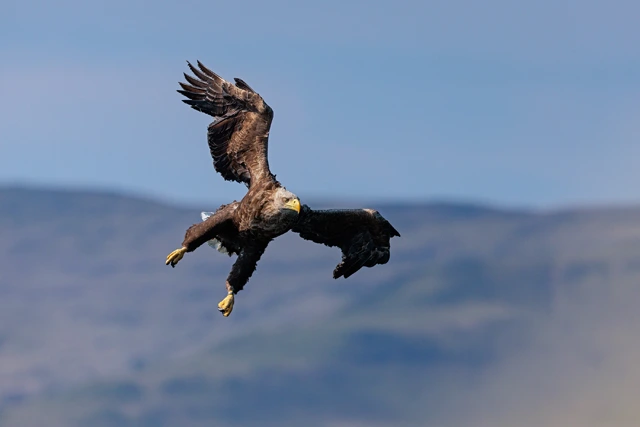 Lenses for Wildlife Photography by Manufacturer
One thing that people often ask our leaders, is whether or not they should use third party lenses, or whether they should stick with lenses from their camera manufacturer. There's no definitive answer and it will depend on what you need and your own personal preferences.
Nikon Lenses
Among the three big manufacturers, Nikon make exceptional camera lenses, particularly their latest Z range. These high-quality, modern and incredibly sharp optics are among the best in the business and their full line-up will cover every eventuality that may occur. Nikon have mastered the use of diffractive optics in their lenses, allowing for smaller lighter optinos, whilst maintaining excellent image quality.
Canon Lenses
Like Nikon, Canon are a powerhouse in the wildlife photography sector and have a range of sought-after lenses that are much admired. They're particularly well known for their large primes and mid-range telephoto zoom lenses. Canon are also popular among macro photographers for their unique collection of lenses.
Sony Lenses
A relatively recent addition to the big names in the industry, Sony have invested heavily in their photography offerings. A wide range of exceptional lenses, combined with their unrivalled image sensor technology mean that Sony are now popular within the wildlife photography industry. Their super telephoto lenses are excellent and among the best in the industry.
OM System Lenses
Formerly Olympus, OM Systems are storming into the world of wildlife photography. They offer smaller cameras and lenses, allowing people to downsize from the traditional big kit associated with the industry. With their 2x magnification, thanks to the micro four thirds sensors, a 300mm becomes a 600mm and offers excellent value for money.
Sigma Lenses
Known as a third party lens manufacturer, Sigma makes a fabulous range of equipment for many different camera systems. Although some of their latest equipment is yet to work with Nikon and Canon mirrorless cameras, they're a leader in their field. They're particularly well known for their super telephoto zoom lenses and their more affordable prime lenses.
Choosing the Best Lens for Your Needs
The key thing is knowing what lens you need for the situations you'll find yourself photographing. Here we give some guidance to help you make an informed choice for your upcoming wildlife photography holiday or workshop.
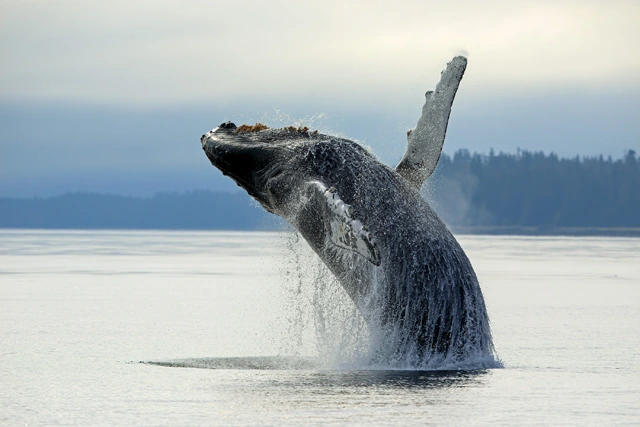 Budget & Quality
Everyone has a budget and it's important to spend within your means and needs. If you're travelling once a year, and rarely use your equipment outside of that time, there's little point in you investing huge sums of money on a top of the range lens, such as one of the primes. You're better off buying one of the super telephoto zoom lenses which will give you flexibility in the field, allowing you to make the most of a multitude of opportunities in a short space of time.
For those who travel more regularly, or perhaps spend much of your spare time photographing at home, then it might well be worth upgrading to a professional quality lens. You'll find that once you use the top of the range lenses, your photography will undoubtedly improve, but of course it takes practise to get the best of this sensitive equipment.
Typically, the more money you spend on camera equipment, particularly when it comes to lenses, the better the quality of your imagery. It's important to remember though, you can have the best cameras and lenses available, but if you don't know how to use them, then there will be still be limits as to what you can achieve.
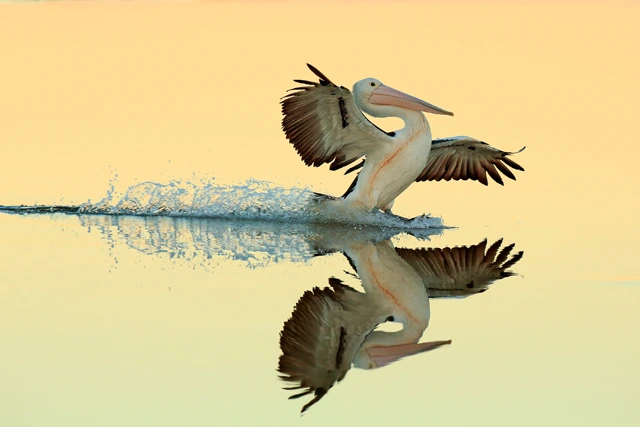 Features & Specifications
Things to look out for when you are buying your lens:
- Weight - think about what you can carry with you and what weight you are comfortable holding. You need to be comfortable with your equipment, from a physical point of view, otherwise you're going to struggle to photograph any wildlife.
- Focal length - consider what your subject is going to be and the proximity. For example, if you're photographing large mammals at close proximity, you'll want to use a lens with a shorter focal length. If you're focussing on birds, then it will be worthwhile to have a lens with a focal length of at least 500mm.
- Aperture - if you're going to be photographing your subjects in low light environments, be sure to use a lens with the smallest f-number you are prepared to invest in or manage physically. Again though, be sure to think about how often you'll use the equipment and whether you're comfortable spending the required monies.
- Image stabilisation - typically this is standard on most lenses and is something you needn't worry about. However, if there's a choice, we always recommend you buy a lens with image stabilisation.
- Macro - for those of you planning on enjoying dedicated macro photography, make sure you invest in a dedicated macro photography lens. Do not think that a hybrid lens, where it states it has a macro mode, is the same as you'll be sorely disappointed. If you're unsure, be sure to check when planning on making a purchase.
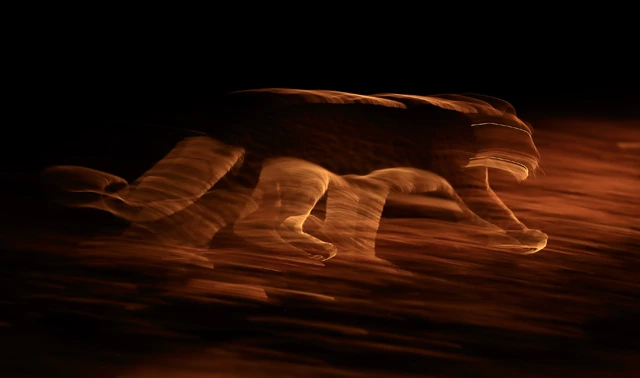 Conclusion
There are countless options for the budding and more serious wildlife photographer alike, particularly when it comes to lenses. Despite the almost endless array of options, the above information should help you settle on what you need.
For those of you joining one of our dedicated wildlife photography tours or workshops, our leaders usually provide lens recommendations in our documentation. If at any point you're unsure what to take, be sure to reach out to our team and they'll do their best to help you make the right decision.
If you have any questions, read our FAQs or contact our team who would be more than happy to help. Alternatively, you can browse all our wildlife photography holidays.