Chimpanzees of Gombe

Wildlife Travel Consultant Helen Cox visited Tanzania’s Gombe Stream National Park in search of its world-famous groups of wild chimpanzees. Our new trip to the park focuses on observing these remarkable primates, alongside time in the Serengeti to witness the wildebeest migration.
Beside Lake Tanganyika’s tranquil, clear waters rise the verdant forested mountains of Gombe Stream National Park, made famous by Jane Goodall’s pioneering work on its population of chimpanzees in the 1960s.
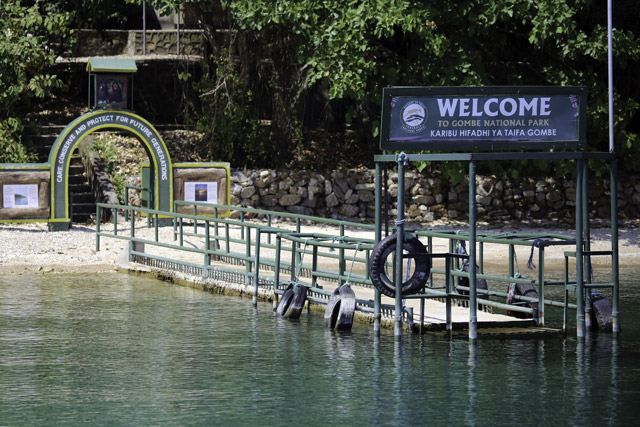 My guide, Sixtus, was a very smiley, instantly likeable man with extensive knowledge of the park and its wildlife, having spent the last two decades here. Together with a park ranger, we entered a tract of beautiful forest – comprising impossibly tall trees, twisted vines and patches of dappled sunshine – and made our way along the Kakombe Valley. Twenty minutes into our walk, I froze. There in front of us, casually walking on all fours and surveying the trees with such a wise look that it was hard not to wonder what he was thinking, was a chimpanzee. This was Samson, a 23-year-old male.
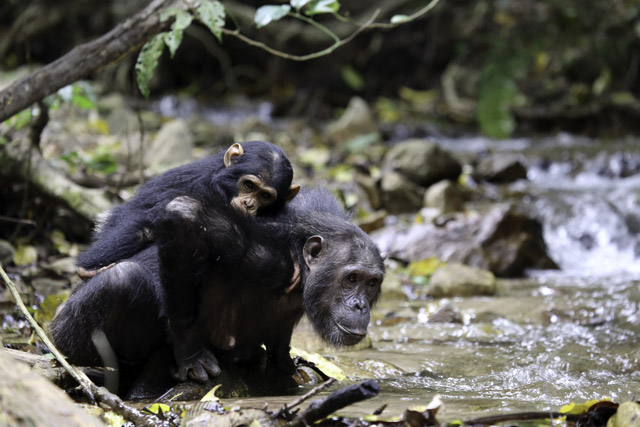
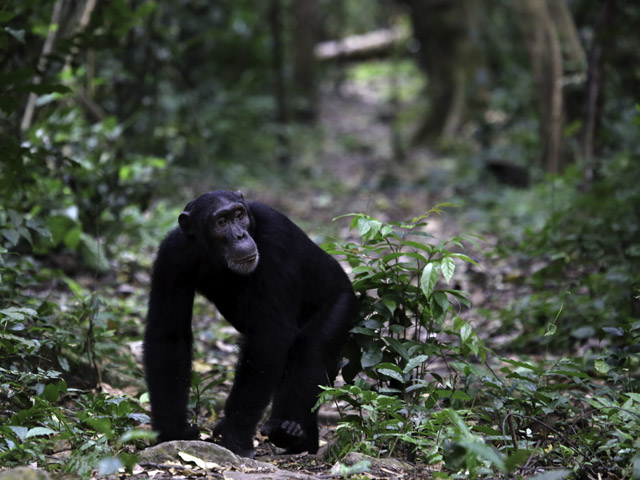 My first sighting of a Gombe chimp was exciting enough, but more soon followed – the ‘G-family’, my guide explained. Gremlin with her son Gimli, daughter Gaia and twins Golden and Glitter. Her four-year-old son Grendel, Glitter’s baby daughter Gombe, and Golden’s little son Gabo were with them too: curious and playful with over-sized ears and fluffy white bunny-like tail tufts, the infants are a delight to observe. There were 16 chimps in all, of various ages, eating, grooming and playing, with mothers patiently yet firmly disciplining their adventurous offspring. This wonderful experience was made even better by the presence of my guide who knew the animals individually and was clearly very fond of them. I could see why.
 When our time with the chimps was coming to an end, it seemed as if they had decided otherwise. We walked up the valley to a waterfall but the chimpanzees decided to go that way too, carrying their babies piggy-back. As I gave way to them on the path, they looked at me as they passed – a connection I will never forget.
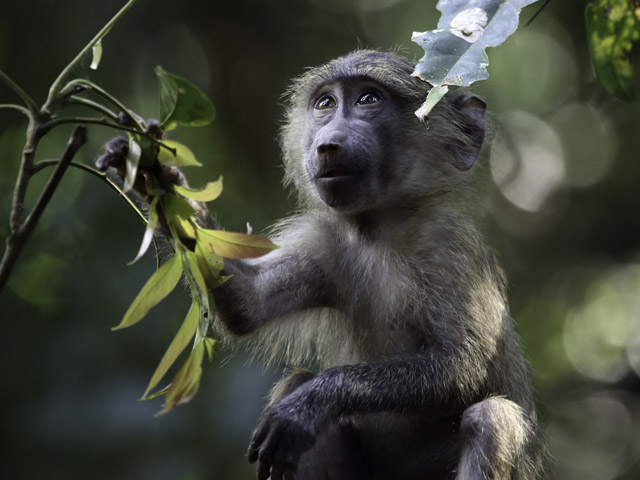
 On our way back to the ranger’s station we enjoyed seeing other primates such as olive baboons, and red-tailed, blue and vervet monkeys. Reluctantly, however, it was time to leave Gombe.
 I am still incredulous about my emotive experiences with the chimpanzees. If you have the opportunity to go, I implore you to do so!
Find out more about our Migration & Chimps trip idea, or to find out more get in touch with our friendly team.