Wildlife in Australia
Australia is a land of incredible landscapes, filled with an array of native mammal and bird species, in addition to a plethora of amphibian and reptiles. It has one of the highest levels of endemism of any country in the world, and many of these species are natural oddities.
Imagine egg-laying mammals, or monotremes as they should be referred as, including the short-beaked echidna and the platypus, macropods such as the eastern grey kangaroo and the red-necked wallaby, or marsupial predators including spot-tailed quoll and Tasmanian devil.
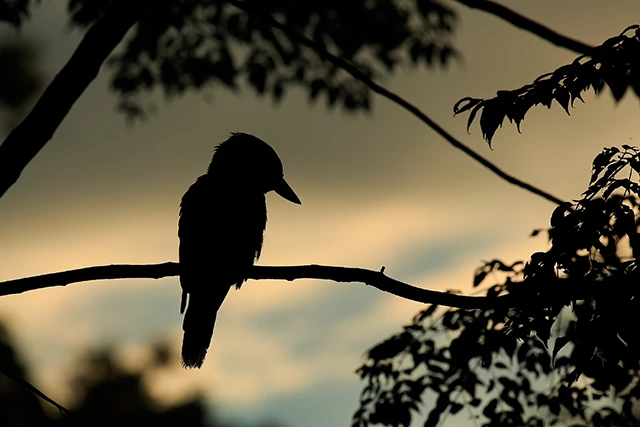
 The birdlife is equally diverse from songster such as the lyrebird and laughing kookaburra to the flightless birds such as cassowary and emu and then there are the reptiles and amphibians, from the giant saltwater crocodile to the miniature eastern dwarf tree frog.
 There are a wealth of native species which are unique to Australia, particularly the mammals, amphibians and reptiles. Many Australian animals are now considered to be threatened species, partly due to habitat loss, but also due to threats from pollution, introduced species and climate change. Here, we talk about some of Australia's animals which are particularly sought-after.
Australian Animals
Marsupials
The marsupials are the largest group of mammals in Australia and comprises a wealth of mammals in all different shapes and size. It's often thought that having a pouch is unique to Australian animals, but in fact there are marsupials in the Americas too.
 Some of the country's most iconic mammals are marsupials, including the kangaroos, wallabies, wombat and koala. However, many people are unaware that there are carnivorous marsupials too such as the bandicoots, gliders, quolls and even the Tasmanian devil. These are some of the most popular animals found in Australia and are a particular draw for anybody with a passion for the natural world.
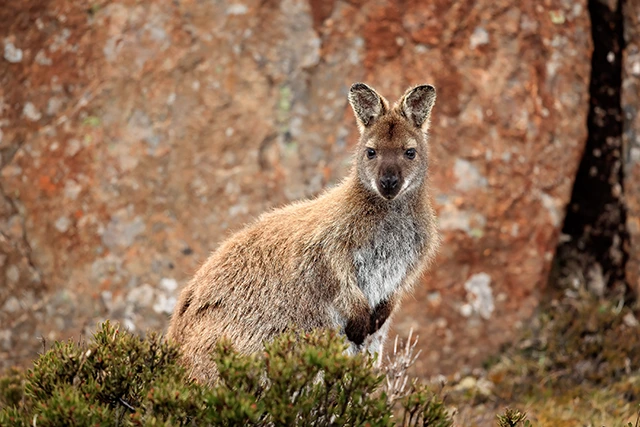 Macropods
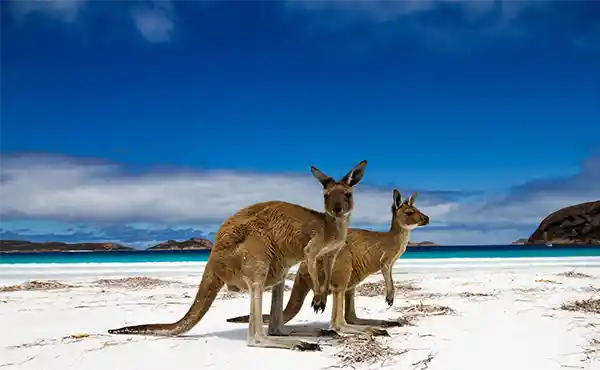
Kangaroos and wallabies are known as macropods (large footed) and are the native grazers of Australia. They move with incredible efficiency and are able to survive in a remarkable array of habitats (depending on the species), from the harsh deserts of the interior to tropical rainforest. Many of the smaller macropods are threatened, and in some cases extinct, because of invasive species and increasing pressure from man-made climate change and a loss of suitable habitat.
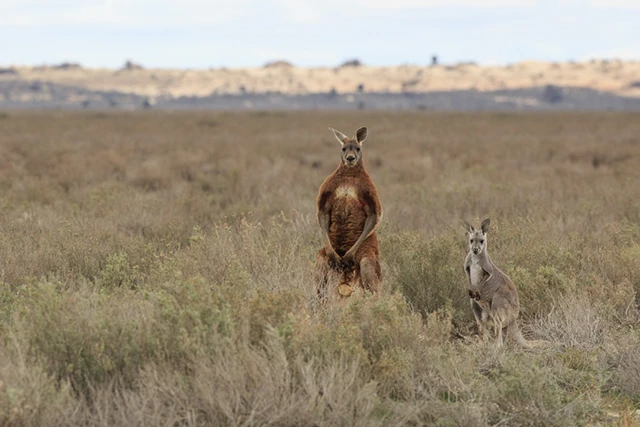
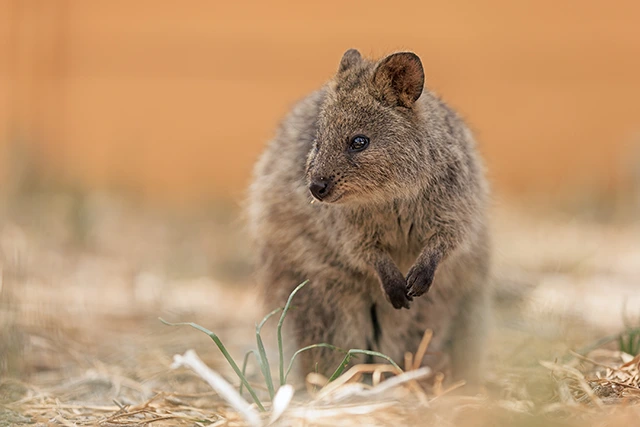 This remarkable family ranges from the diminutive quokka, found on Rottnest Island in western Australia, to the largest member of the family - the red kangaroo. The national park network in Australia protects large areas of natural habitat which often support the the rarer ones rely on.
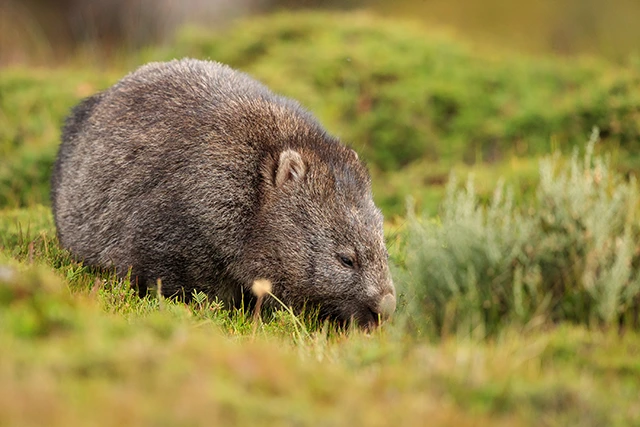
 Wombats
There are three species of wombat in Australia, with the common wombat being the one that's most commonly seen. Found across much of southern Australia, and on Tasmania, they can be particularly obliging and can be easily seen in places such as Cradle Mountain and Maria Island.
 Koalas
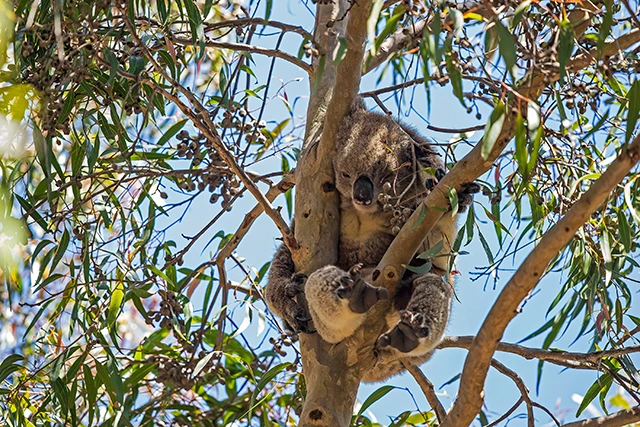
Within its own family, the koala is an iconic mammal in Australia, they're spread along the east coastal plain and round to the south of the country (introduced to Kangaroo Island). Koalas don't do particularly well in heat and are restricted to specific eucalyptus forests, as they only feed in certain trees on their leaves. There are no koalas in western Australia or on Tasmania.
 Quolls & Tasmanian Devil
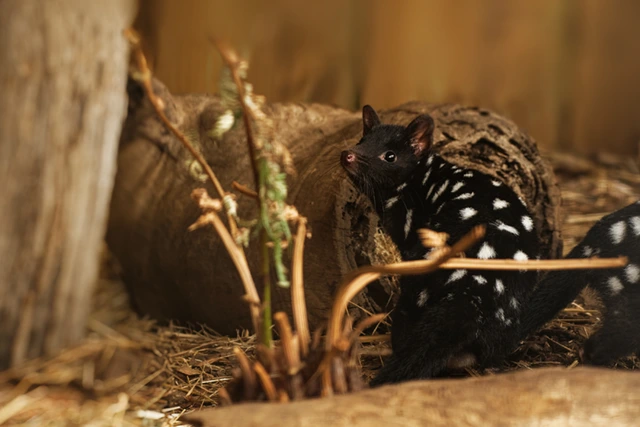
There are number of predatory marsupials in Australia, from small rodent-like species such as the dunnart and antechinus to the larger quolls and the most famous of all, the Tasmanian devil. Unfortunately, these are the mammals that are often critically endangered or even extinct. This is primarily due to introduced predators such as foxes and cats, but also due to persecution from people. The Tasmanian tiger was the world's largest surviving species of predatory marsupial but was driven to extinction in the early 20th century because of a state-sponsored bounty system.
There's a lot of work being undertaken in conserving many of Australia's animals and it's these predators where a lot of projects are focussing their efforts. The tiger or spotted-tail quoll almost went extinct across much of its territory, but its population seems to be stabilising. Tasmania is a particularly good place to see them, although they're strictly nocturnal. Smaller members of the family, such as the eastern quoll survive in more remote areas where feral cat numbers and foxes are absent.
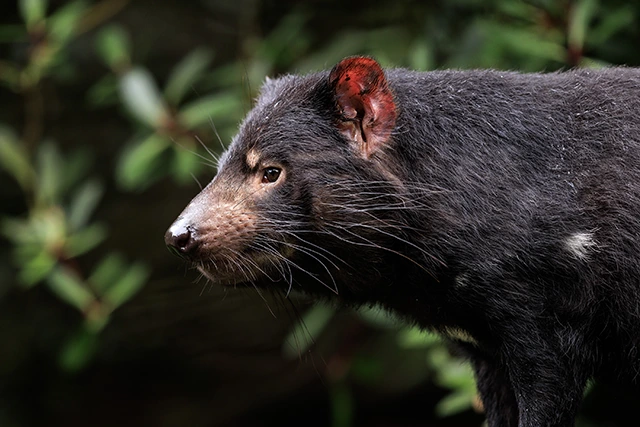
 The last large predatory marsupial is the Tasmanian devil. Once found across much of Australia, the wild population are now restricted only to Tasmania and sadly their numbers are continuing to fall. In addition to a loss of habitat, there's one other major threat to the Tasmanian devil and that's an incredibly unusual disease known as Devil Facial Tumour Disease. This has caused a huge collapse in the wild population, but there are intensive breeding programmes in place to ensure the long-term future of this amazing mammal. It's possible to see devils in the wild, but they're becoming increasingly tricky to find, the best chance is staying up overnight at a particular lodge in Tasmania.
 Monotremes
Without a doubt, among the strangest of all Australian animal groups are the monotremes. There are two species of egg-laying mammal found in the country, with both of them occurring on mainland Australia, as well as Tasmania.
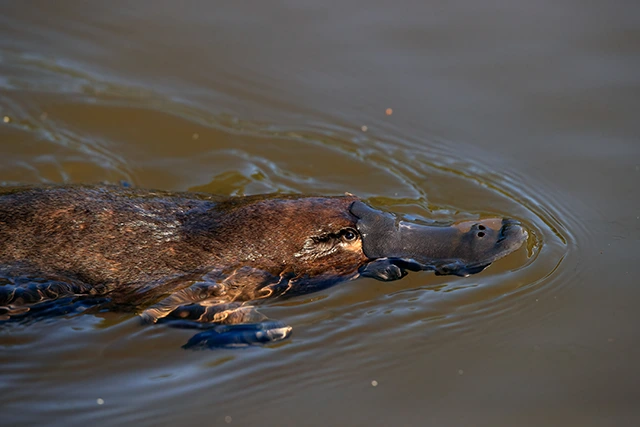
The most famous of these native animals is the platypus (originally known as the duck-billed platypus). When a specimen was first brought to the UK, it was deemed to be a hoax, but these oddities are a highlight of Australian fauna. They have a large bill, similar to a duck, a tail like a beaver, webbed feet and of course, they lay eggs. To make things even weirder, the male platypus has a venomous spur on their hind legs. Almost exclusively aquatic, they lay their eggs in burrows which are accessible from either underwater, or just above the waterline. They're only found in fresh water from central Queensland along the waterways feeding into the Pacific, on the East coast, down to Victoria and round to South Australia, in addition to being found across much of Tasmania.
 The short-beaked echidna is the second member of the family and is often called the spiny anteater. Arguably these endearing mammals are even stranger than the platypus. They're widespread, covering much of the Australian continent, surviving in a range of habitats from semi-desert to Alpine peaks. One of the best places to see them is in Tasmania, particularly around Cradle Mountain, where they're often furry instead of spiny. Their diet is almost entirely made up of ants and they have very strong claws to help them dig through the hard, sandy soils of Australia. Their back feet are inverted which means that they walk with a very unusual gait, but it does mean they're exceptionally efficient diggers and can bury themselves in seconds in the face of a bush fire or a potential threat.
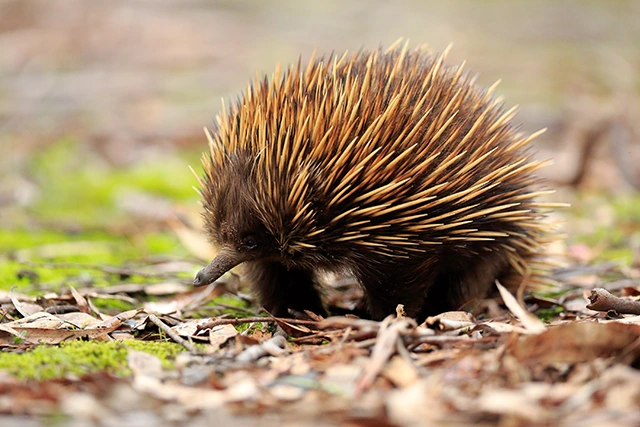 Both platypus and short-beaked echidna wait for their young (puggles) to hatch. Then, as with all mammals they lactate milk. However, unlike placental mammals, or marsupials for that matter, both monotreme species exude milk through their skin and not from teats.
Birds of Australia
Although there may be a lower level of endemism with Australia's birds, it's still remarkable for its unique families and spectacular diversity. Some of its most famous avian inhabitants are the parrots, particularly cockatoos, and the flightless birds.
Parrots
Australia is home to 56 species of parrot, including the huge palm cockatoo, colourful rosellas, lorikeets and rare migratory species such as the orange-bellied parrot. Surely one of the rarest though, is the night parrot. Thought to be extinct from the early 20th century, it was confirmed to be still be in existence in 1990 when a dead bird was discovered in Queensland. There are now several populations known in Queensland and Western Australia and they're heavily protected.
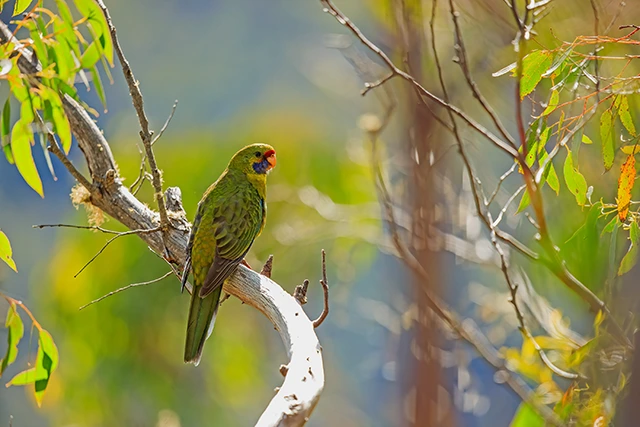 The most commonly seen parrots are the cockatoos, many of which thrive in suburban Australia, with sulphur-crested cockatoos and long-billed corellas being among the most conspicuous and a tad noisy.
Lyrebird
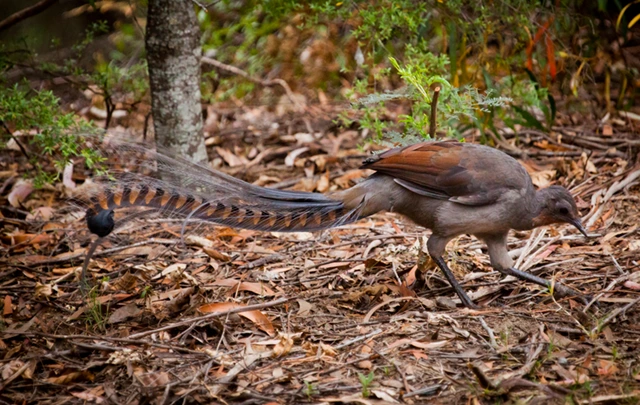
Australia is home to lyrebirds, with the superb lyrebird being regularly seen in the south-east of the country. The species became famous when the BBC showed footage of an individual bird mimicking incredible sounds from the natural world and man-made objects such as chainsaws and car alarms. They can be found in the rich forests of New South Wales and Victoria, while it has also been introduced to Tasmania.
 Flightless Birds
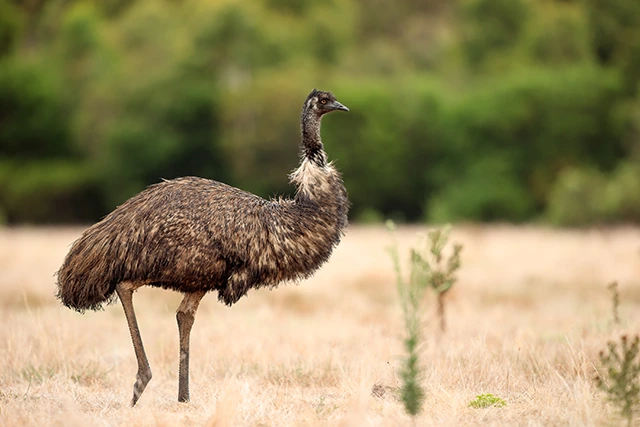
Among the most familiar of Australia's bird species are the large flightless birds. There are two large species found in Australia, with the emu being the most widespread.
The emu can be found across much of the continent and is very well adapted to the dry, arid conditions. It's important to note that they're absent from Tasmania due to human persecution. In a similar way to ostrich, the males raise the young, often rearing chicks from different mothers.
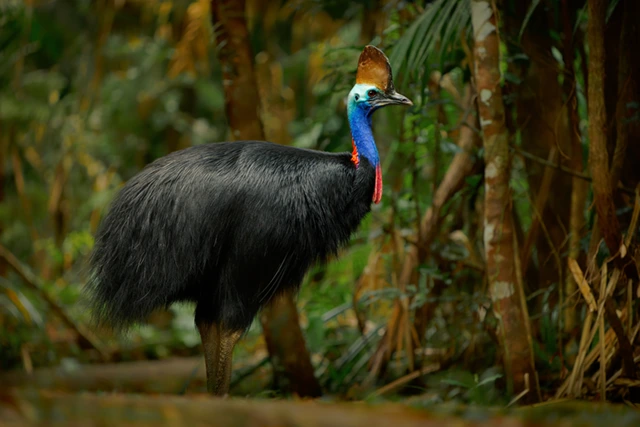
 The southern cassowary on the other hand, has a very restricted range. They're a tropical rainforest species (for the most part) and prefer forests at a lower elevation. The biggest threat to the cassowaries in Australia is habitat loss, but their nests are vulnerable to predation by feral animals, particularly pigs and dogs. Although they're often considered dangerous, the birds are typically shy and try to avoid people wherever possible. They can be tricky to see, except for a few well-known locations in Queensland.
 Reptiles
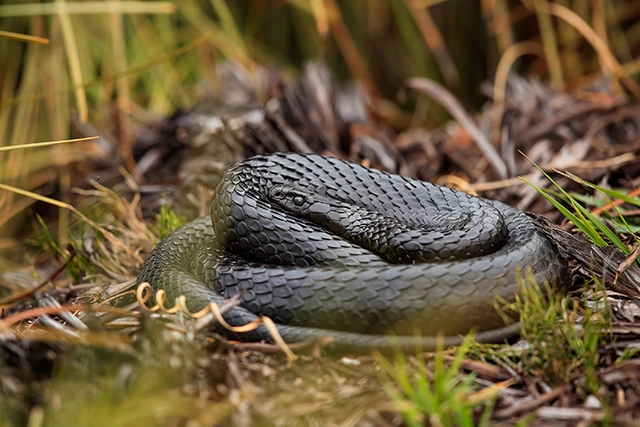
A land of reptiles, Australia is renowned for its incredible diversity of 'cold-blooded' critters, particularly its venomous snakes. Most species of snake are rarely seen, doing their best to avoid people, but in Tasmania, tiger snake can be seen with relative ease around Cradle Mountain. Other common species of snake include carpet python, eastern brown snake and red-bellied black snake.
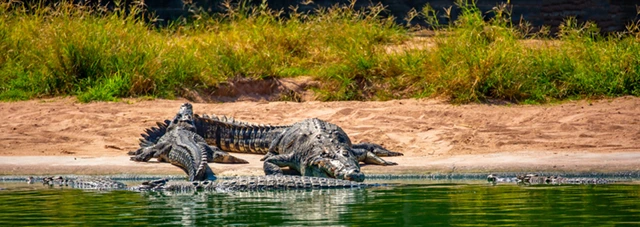
 Another iconic family of reptiles are the crocodiles with both saltwater or estuarine crocodile and freshwater crocodile found in Queensland and the Northern Territory. Saltwater crocodiles are the world's largest, growing up to six metres in length.
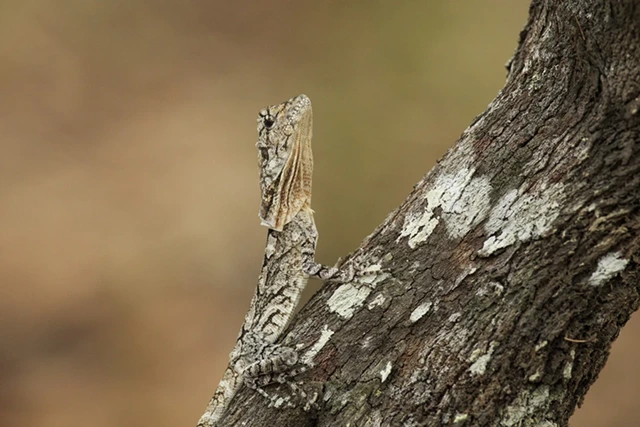
 Then there are lizards. Geckos, goannas (monitor lizards) and a range of other endemics can be found across all ecosystems. In the country's alpine landscapes, snow skinks survive remarkably cold weather conditions, while warmer climes are home to oddities such as the thorny devil and frilled-neck lizard.
 Amphibians
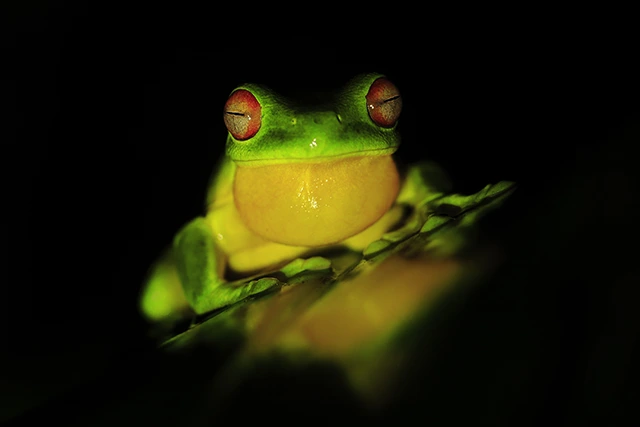
For a continent (and a country) that's known for being a particularly dry continent, it has a remarkable number of different amphibians. In fact, there are over 240 different species, including the largest species of tree frog in the world - the white-lipped (giant) tree frog found in tropical Queensland. There are some incredible species found here, including the red-eyed tree frog (not to be confused with the species in Costa Rica), the bizarre turtle frog and the vivid southern corroboree frog.
 Where to see Australian Wildlife
As you might have gathered, the wildlife of Australia is widespread and certain areas are more reliable than others for certain animals. If you're interested in going in search of the country's fauna, why not have a look at our tailor-made holiday trip ideas, or alternatively join our dedicated Australian Wildlife Photo Safari.
Find out more about all our wildlife holidays to Australia, or to start planning your adventure, contact our expert team.