Despite its small size, England and the rest of the UK is home to a surprising number of mammal species. In fact, England is home to more mammal species than any other country in the British Isles. There are a number of native species, alongside some invasive species of mammal from far-flung corners of the globe.
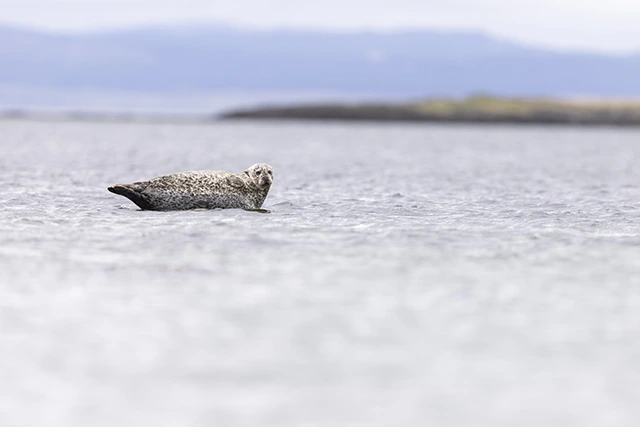
At present, there are around 90 mammal species which are living wild in England and across the British Isles. This includes both terrestrial and marine mammals, with 28 recognised species of cetacean being observed in waters around our coastlines. It's worth noting, that only seven species are regularly seen, while we also have two species of pinniped that call these waters home.
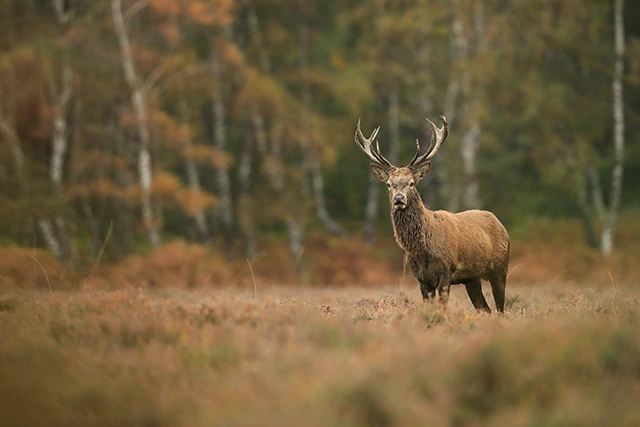
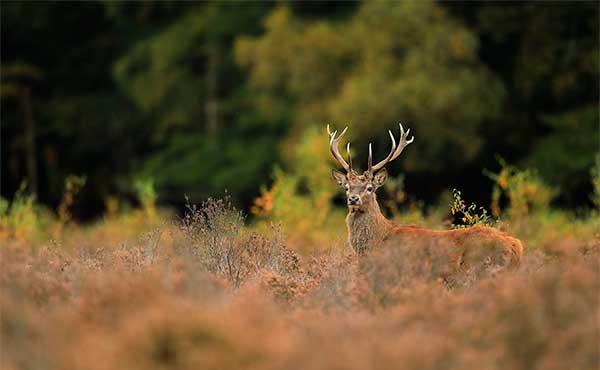
 The largest land mammal found in England is the red deer, while at sea the fin whale is by far the largest mammal. In fact, the fin whale is the second-largest mammal on Earth.
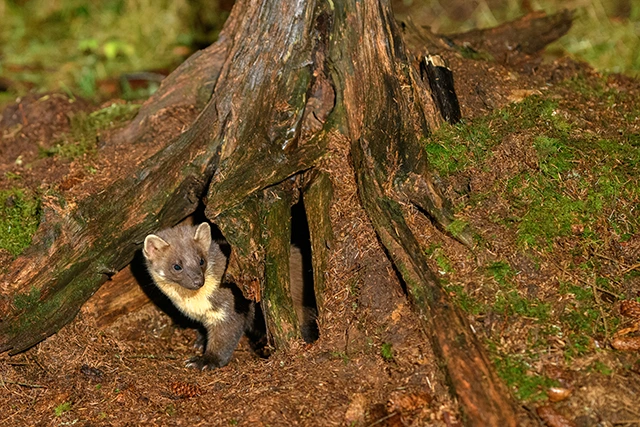
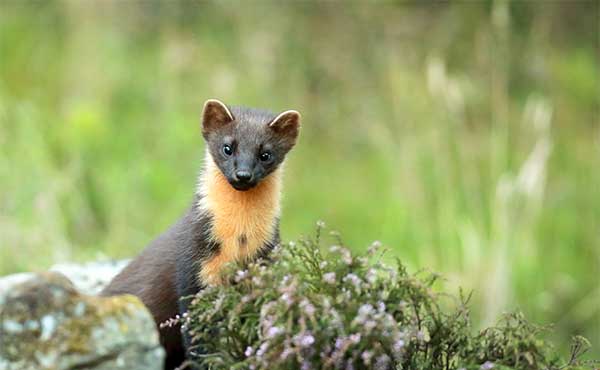
The most common species in England, unsurprisingly, is a rodent, most likely the field vole. With a population of over 75 million, it's easily the most abundant but rarely seen due to its preference for creating tunnels in grasses and heathland. The rarest mammal in England is likely to be the pine marten, although the population is increasing year-on-year.
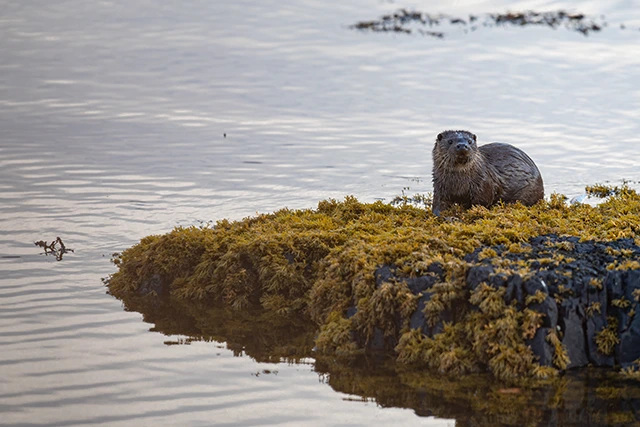
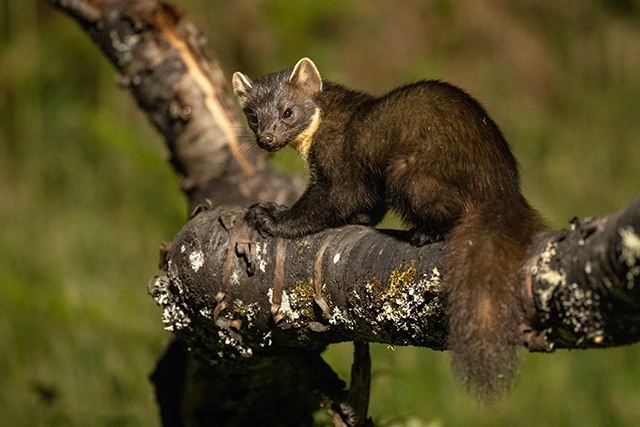 The most sought-after mammals often include the members of the carnivora family, with red fox and badger likely to be the most familiar. Other members include the otter, pine marten, stoat, weasel and polecat. Sadly the wildcat is absent from England, but a small population does remain in the Scottish Highlands.
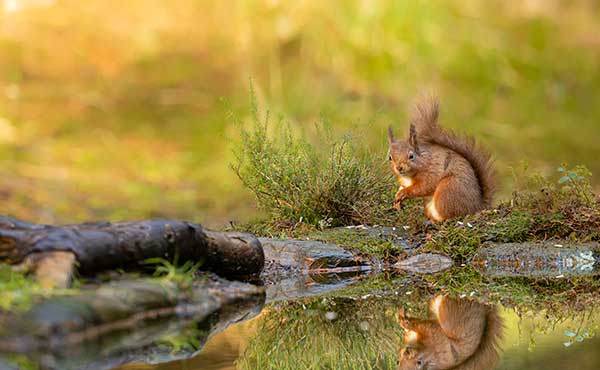
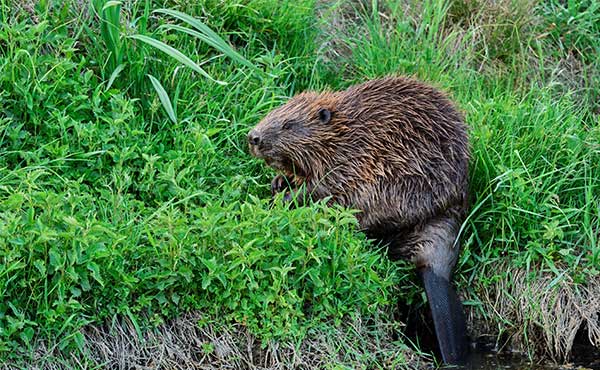
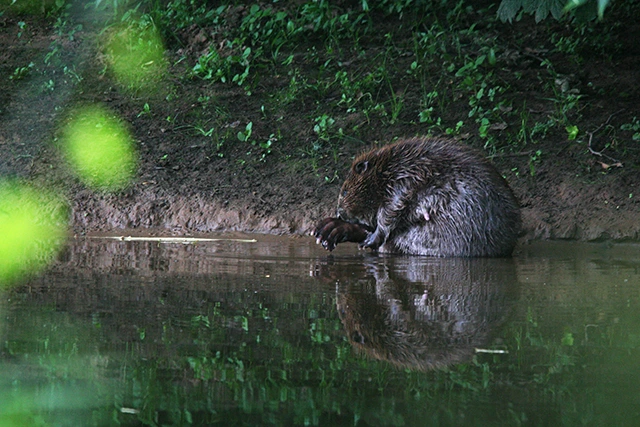
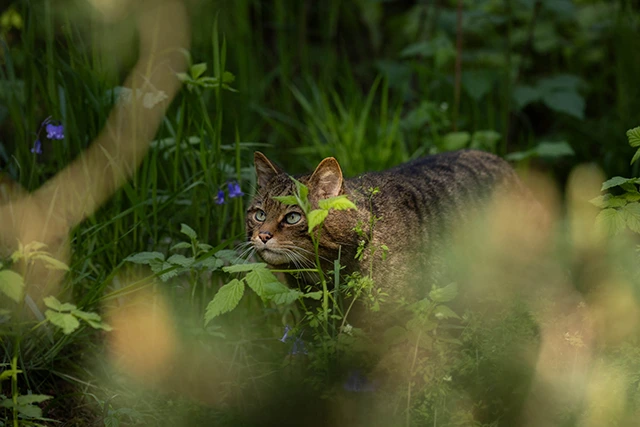 For many species of British mammal, particularly those that faced years of persecution, there are now a number of reintroductions and intensive conservation efforts to give these species a future. This includes beaver, pine marten, the harvest mouse, red squirrel and Bechstein's bat.
Introduced Mammals
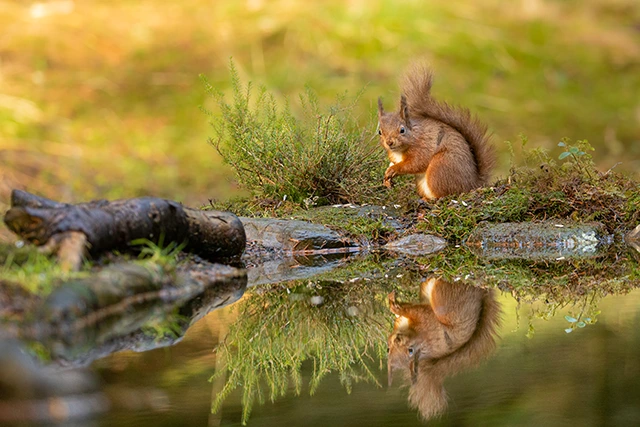
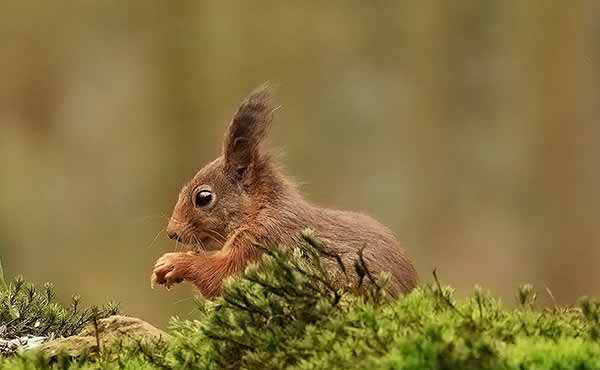
As with any country, the introduced mammals cause a number of issues with our native species. The most obvious example is the grey squirrel. Having arrived from the Americas in the Victorian era, the greys out-muscled our own native reds, while also spreading the deadly squirrel pox virus.
Another of the incredibly damaging species, which has led to massive declines among our native water voles, is the American mink. The mink is a voracious predator and unfortunately for our water voles, it's small enough to enter their tunnel networks, leaving the voles with no way to escape. There's an intensive effort to catch and eradicate mink to help with the conservation of native species they predate.
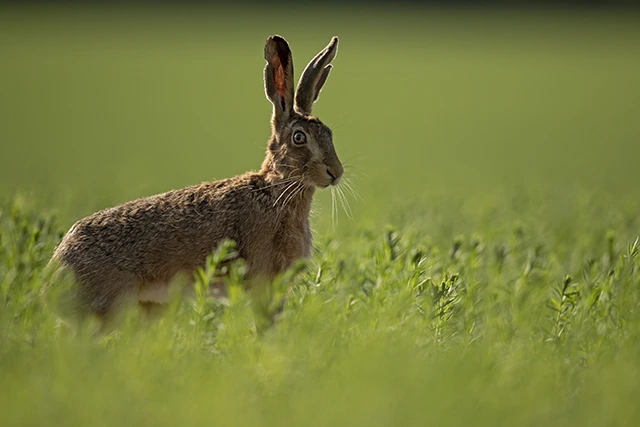
Even many familiar species have been introduced to England and the rest of the UK. The rabbit is another non-native species, but having lived in England since the Norman introduction in the 11th century, they're now considered to be naturalised. Other introduced mammals that now call England home are the fallow deer and the brown hare.
 How & When to Watch Mammals
Most species of mammal within the UK have an innate fear of man after years of persecution. As such the majority of land-based species will avoid man, with many of them being nocturnal or crepuscular (active at dawn or dusk).
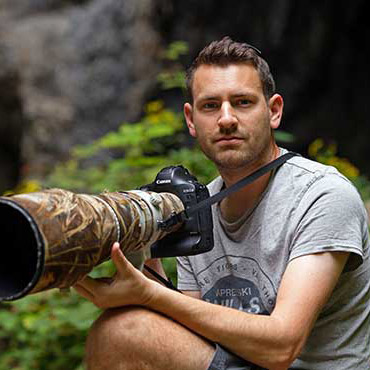
Watching wildlife, particularly mammals, takes a great deal of patience and knowledge. We're proud to offer a range of tours which have been designed to maximise the chance of encounters, while simultaneously avoiding any disturbance. In some places, we use custom-built hides which allow fantastic views of our rarest mammals without any chance of affecting its behaviour. Beaver, otter and pine marten are just a few of the secretive species that are rarely seen before dusk.
 There are some species which are diurnal (active during the hours of daylight) which can be enjoyed in the natural environment. Think of our native red squirrels and mountain hares, while some species of deer can also be active throughout the day.
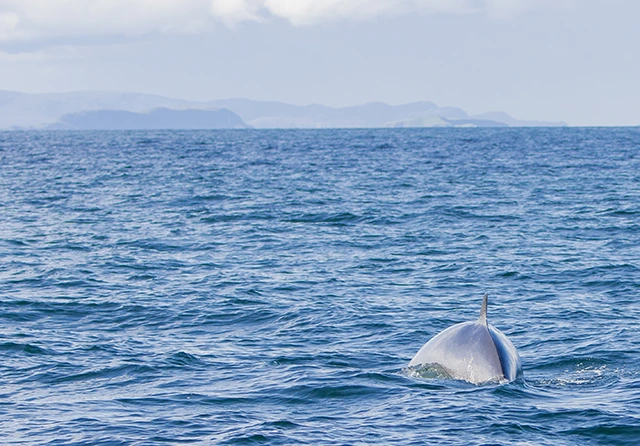
The marine mammals found around the British coast, such as cetaceans and seals are best seen during daylight hours, often on dedicated boat trips. These trips are the best ways to see seals, dolphins and whales, ensuring they're observed properly.
 Our Best Trips for Watching Mammals in England & the British Isles
We have a number of trips in England and across the UK for watching and even photographing our magnificent mammals. From the Yorkshire Dales to the New Forest and wilder corners of Devon, you can expect to see some of the most charismatic mammal species of the British Isles.
Explore some of the finest wilderness areas of the UK as we explore the Scottish Highlands on our Festival of British Wildlife. With the expertise of local guides, alongside our own expert team, revel in coming face-to-face with a wealth of wildlife, from pine marten, beaver, red squirrel, bottlenose dolphin, otter and red deer. Furthermore, you can expect to see a plethora of sought-after birds and discover a wealth of wild flowers and invertebrates.
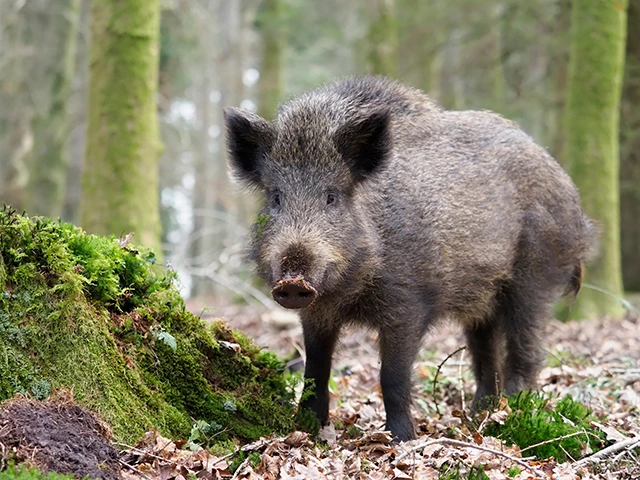
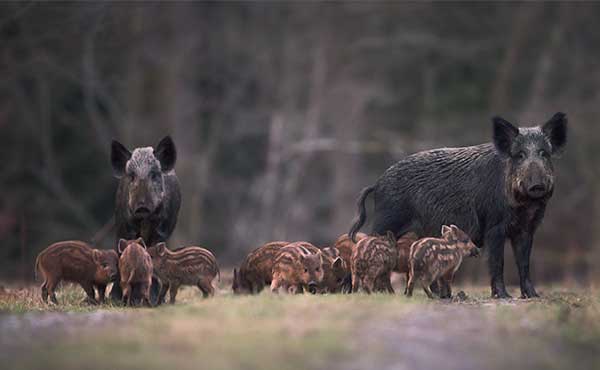
Discover the natural wonder of the Forest of Dean and the beautiful Wye Valley on this 4-day tour in search of wildlife. This large area of forest supports a host of different species, but has arguably become famous for its population of wild boar. Other notable mammal species include beaver and pine marten, alongside a wealth of birds, butterflies and wild flowers.
Join award-winning photographer Kevin Morgans in the stunning surrounds of the Yorkshire Dales on this dedicated red squirrel photography workshop. Delight in capturing breathtaking images of these charismatic mammals from a number of purpose-built hides, and perfect your skills with the assistance of Kevin.
Explore on the south of England's largest protected areas under the expert guidance of photographer Ben Sutcliffe. The New Forest is home to five species of deer, but this workshop focuses on both red deer and fallow deer. Build up an impressive portfolio on this day trip and enjoy this magical part of the British Isles.
Arguably one of the country's most beautiful counties, this wildlife tour explores the finest habitats that Devon has to offer. This small group tour has been designed to maximise sightings of many of our beloved mammals, birds and invertebrates. However, it's the chance to see wild mammals such as beaver, common dolphin and grey seal that make this trip so popular.
 If you're interested in discovering the mammal life of Britain, be sure to browse all of Wildlife Worldwide's holidays
View all our wildlife holidays in the UK and Scotland, or to find out more about any of these trips speak to our team.