The Hidden World of Bugs & Beasts

I love macro photography because it opens a small window into a world that we normally walk past and/or don’t notice. Whether it’s a tiny insect, detail on a plant or flower, or an abstract image of a rock pattern, macro photography lets us be creative with small subjects.
Take a tarantula for example… I grew up with a fear of spiders and it’s only through photography that I’ve mostly conquered that fear. What I love about macro photography is that you don’t see the spider as a whole, you can look at small details of it. Admittedly, I prefer photographing a tiny jumping spider in the wild than a tarantula, but you don’t often get the chance to photograph a tarantula’s eyes or fangs, which is where workshops like Bugs & Beasts come into their own.
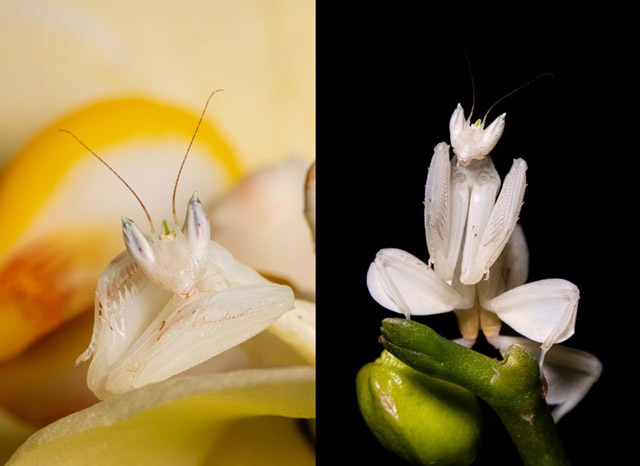
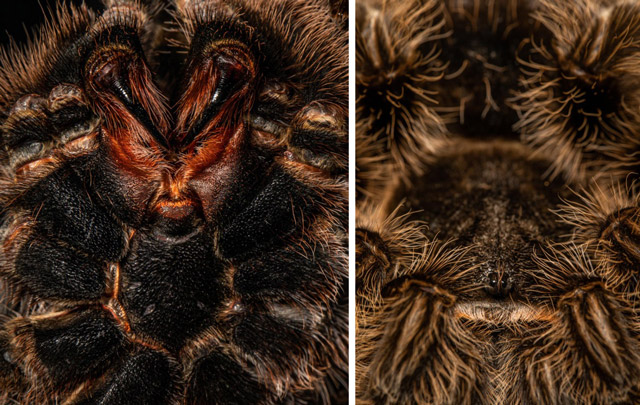 Without a doubt, Alex Hyde is a master photographer - one of the best macro photographers around - so helping him to run the Bugs & Beasts workshop was a pleasure. Alex knows, seemingly effortlessly, how to get the best image out of any subject, with the best lighting and is a very good, patient teacher. Alex breeds mantids, among other things, and allows some to be used as models during these workshops. These are insects that you would rarely see in the wild, mostly because they’re SO hard to spot, and if you do it tends to be in the dark. This workshop lets you get some great images of a variety of wildlife for your portfolio. A number of different set ups are available and the mantids are placed on the most suitable for each client to spend time with and capture some shots.
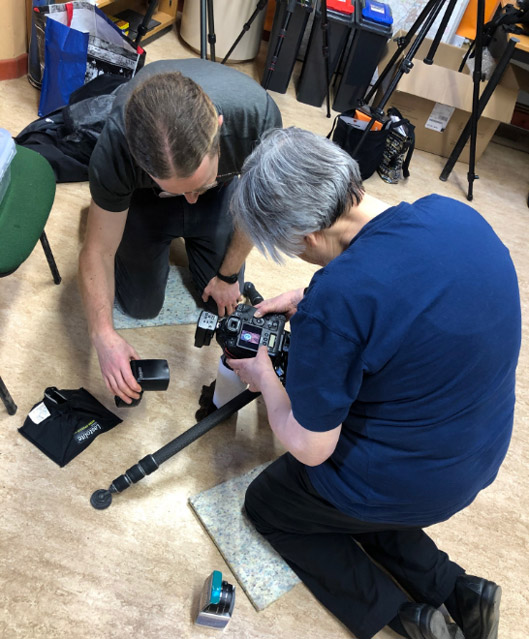
The workshop is relaxed and the small number of clients mean that each one has time with the various setups to try different angles and they have access to Alex and myself to ask any questions, try different techniques and achieve the images they are hoping for.
One of the most important parts of macro photography is lighting. Different photographers use different methods to achieve the desired result, but everyone has their preferred way of doing things. For Alex, and me, the method we use generally is off camera flash with an external lead and a small softbox to diffuse the light. However… there are some instances, where some (very non expensive) tools can come in handy and Alex has some great tips. These include when dealing with shiny subjects, or to create silhouettes or back lit images.

 The course is over two days, which gives clients time to practice various techniques, spend time with different species and learn from others. On day two, “Jungle Jonathan” arrived with even more wildlife, from tarantulas and stick insects, to a Vietnamese long nosed snake and a crested gecko. I was busy most of the time setting up scenes and shots and helping clients where possible. I was also conscious not to get in the way too much and stop clients getting shots, but I grabbed a few quick images when I could that hopefully give you a good idea of the sort of species you could come across. Here are some of my images of the different species on various set ups and with different backgrounds.
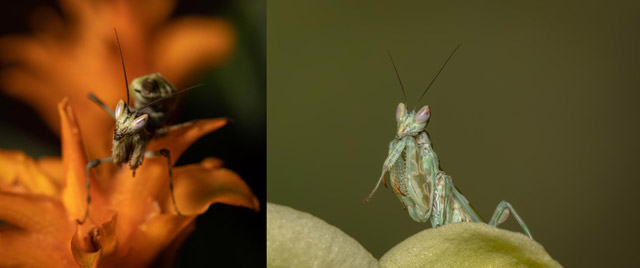
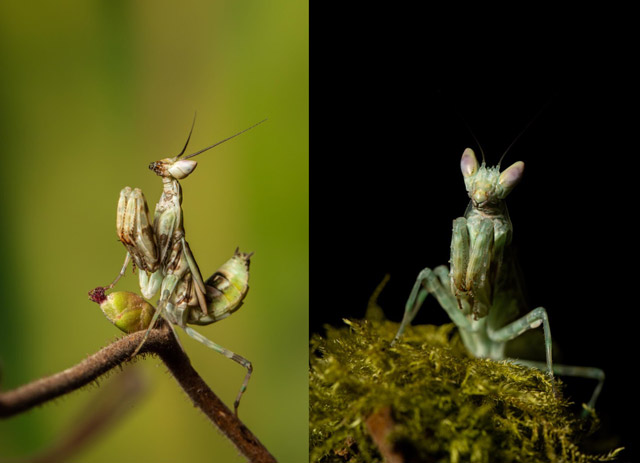

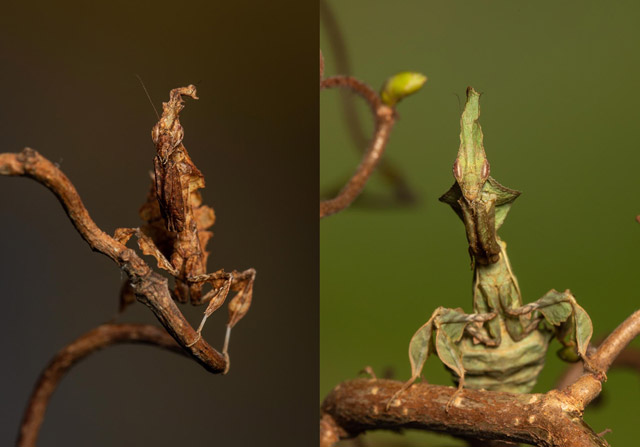
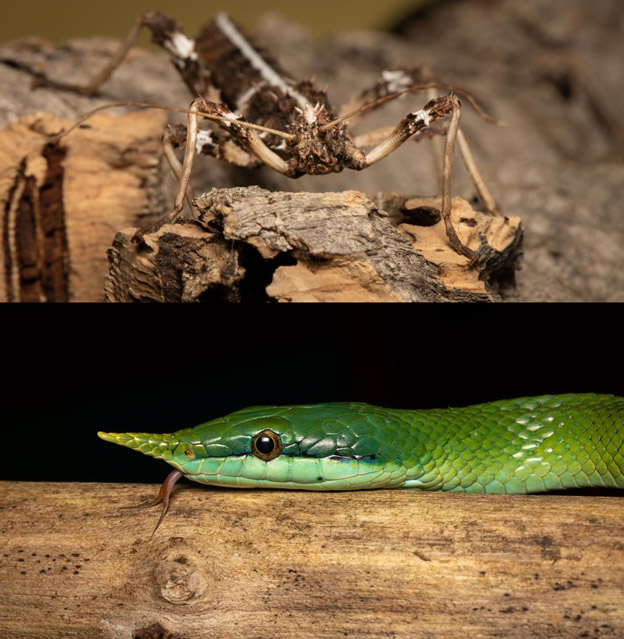 This is a great workshop, from those looking to get started with macro photography or improve their skills to the more experienced who would like access to the less familiar subjects and because of the way it’s run, everyone will leave having enjoyed the weekend and with some beautiful shots.
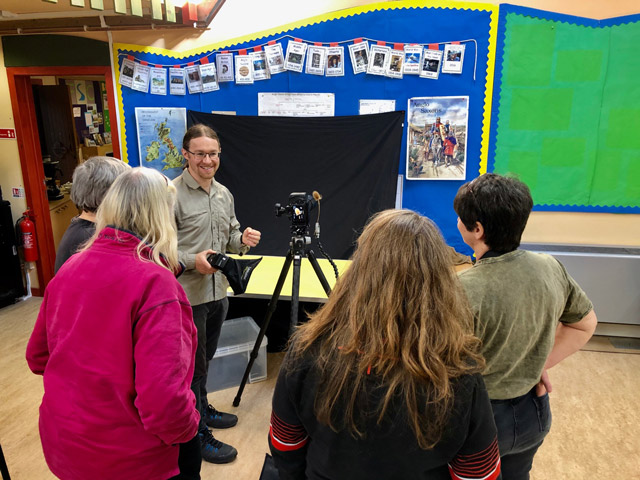
Join us on our next Bugs n Beasts Photography Workshop. To book your place or for more information, contact a member of the team.