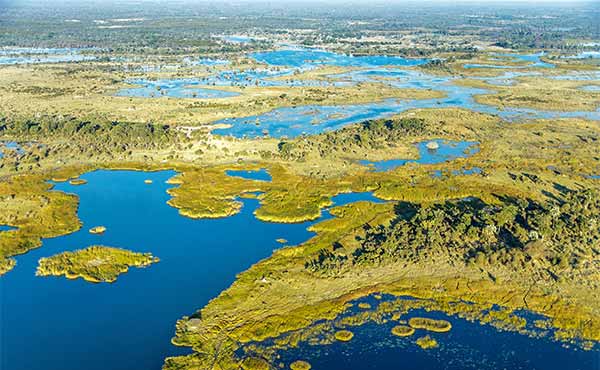
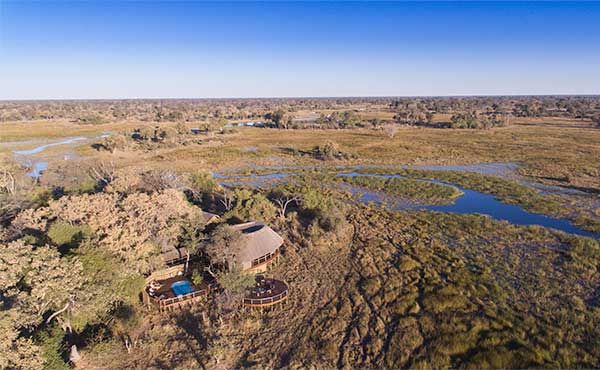
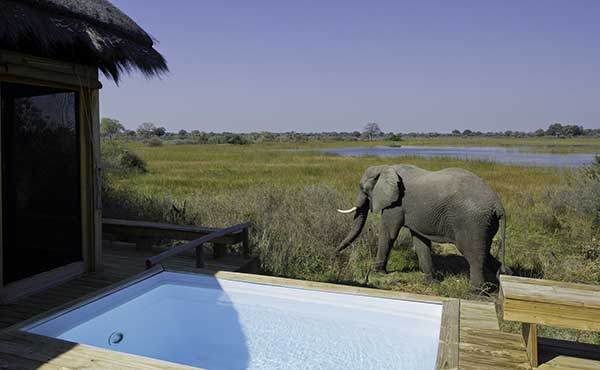
Considered to be one of the ecological wonders of the world, the Okavango Delta encompasses a wide diversity of wildlife habitats including lagoons, channels, grasslands, woodlands and palm-fringed islands.
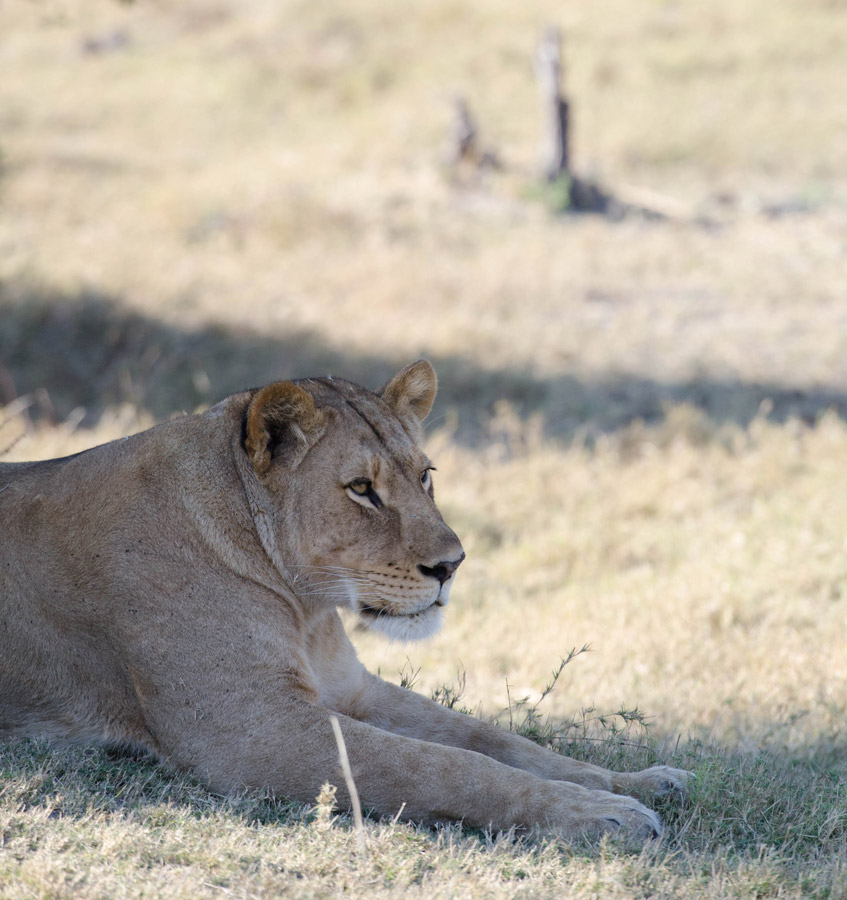
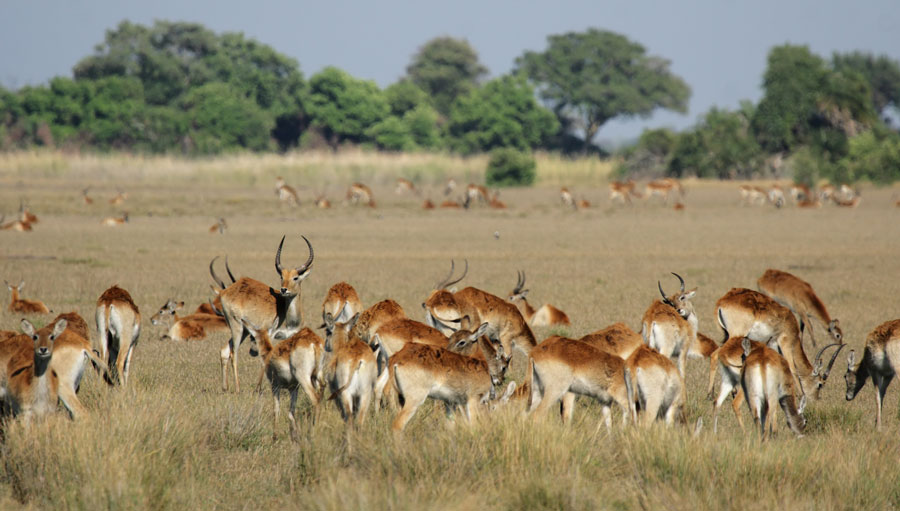
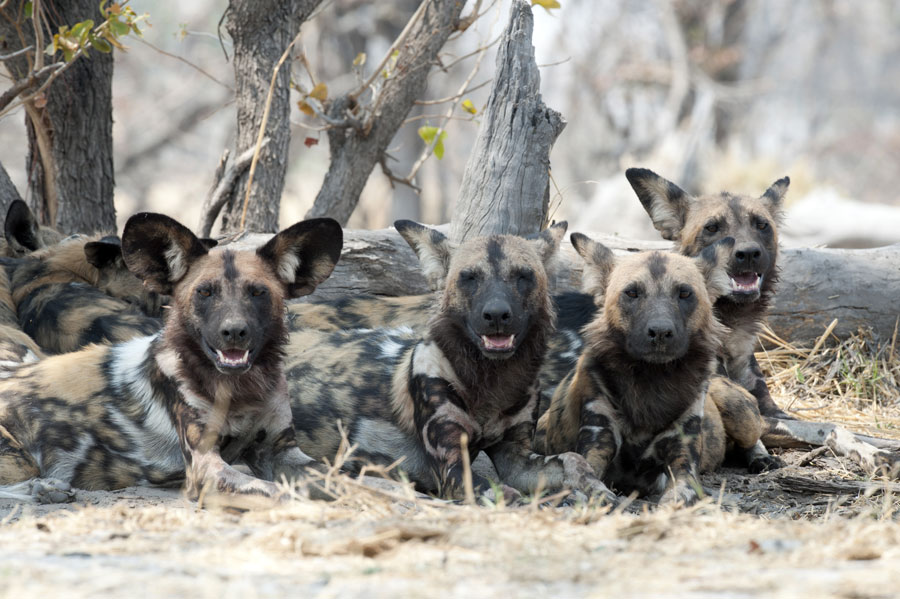
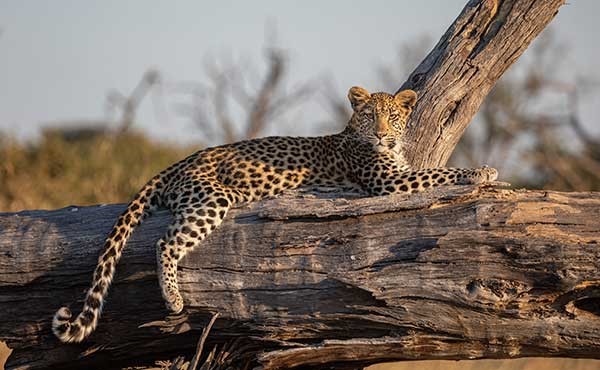
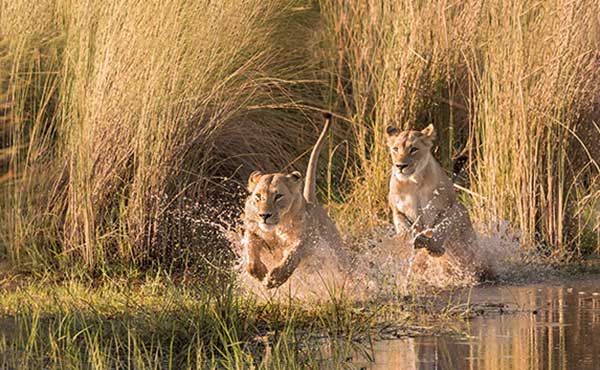
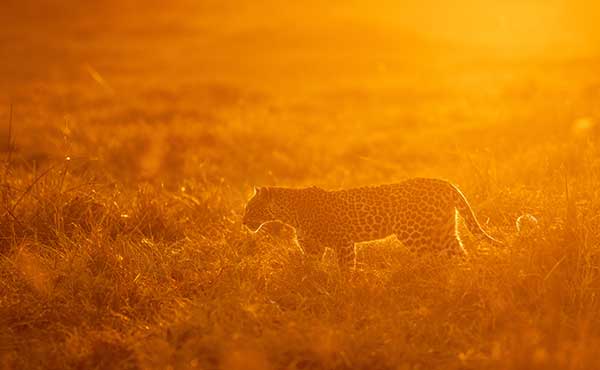
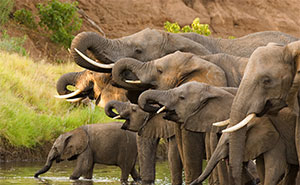
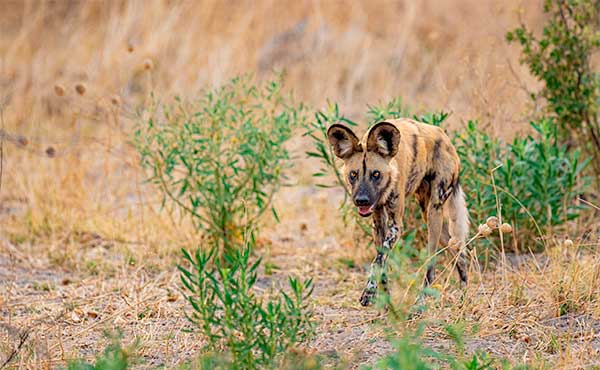
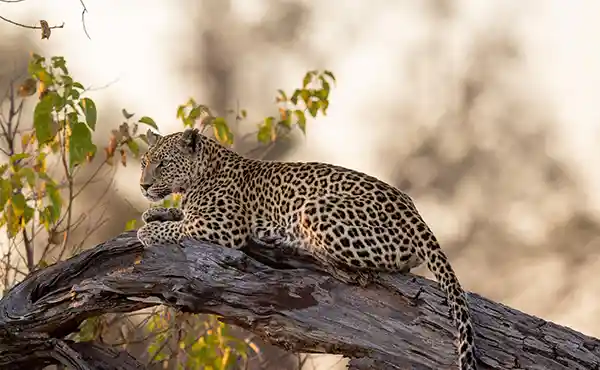
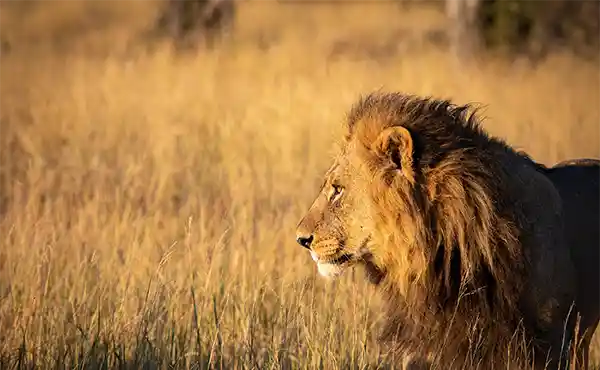
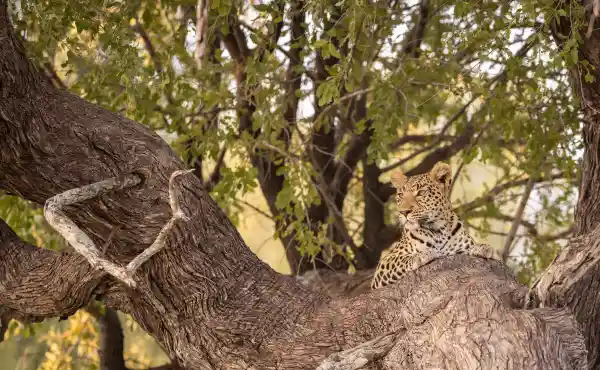
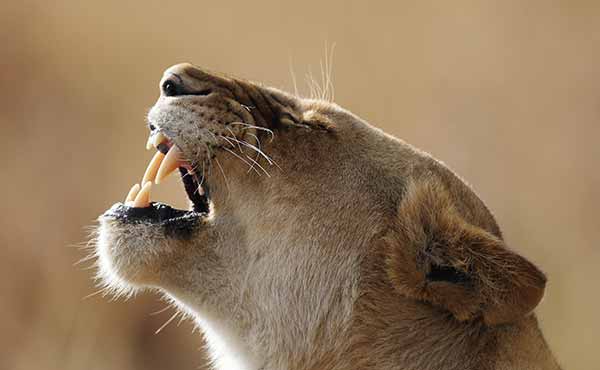
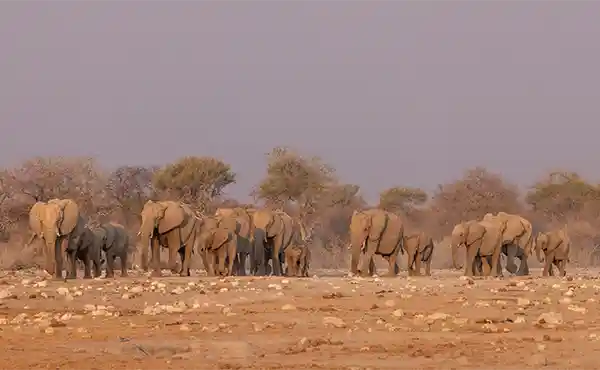
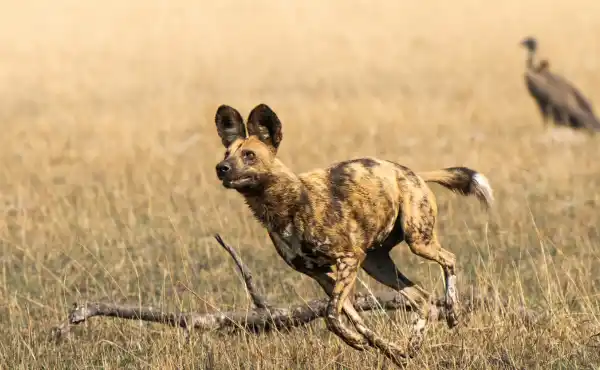
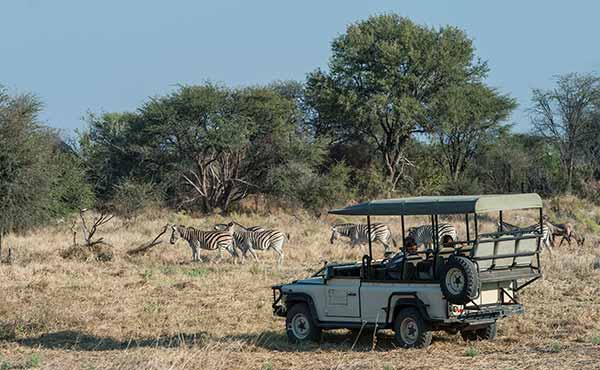
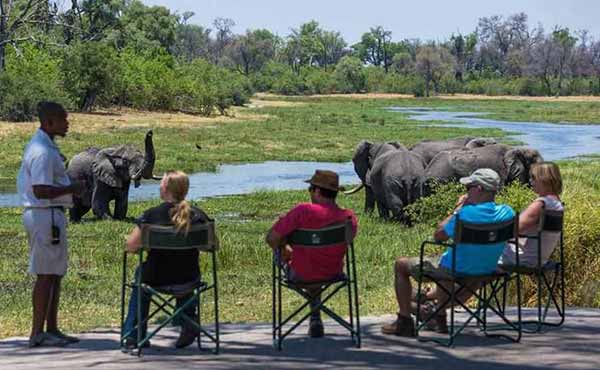
Each year the waters flood, usually between May and September, before receding again, and the wildlife has adapted itself to these seasonal changes. You can expect to see lechwe, sitatunga, reedbuck, bushbuck, hippo, crocodile, elephant, buffalo, zebra, giraffe, wildebeest, impala and tsessebe. Predators – including lion, hyena, wild dog, leopard and cheetah – have also adapted to life in the delta, as have many smaller creatures.
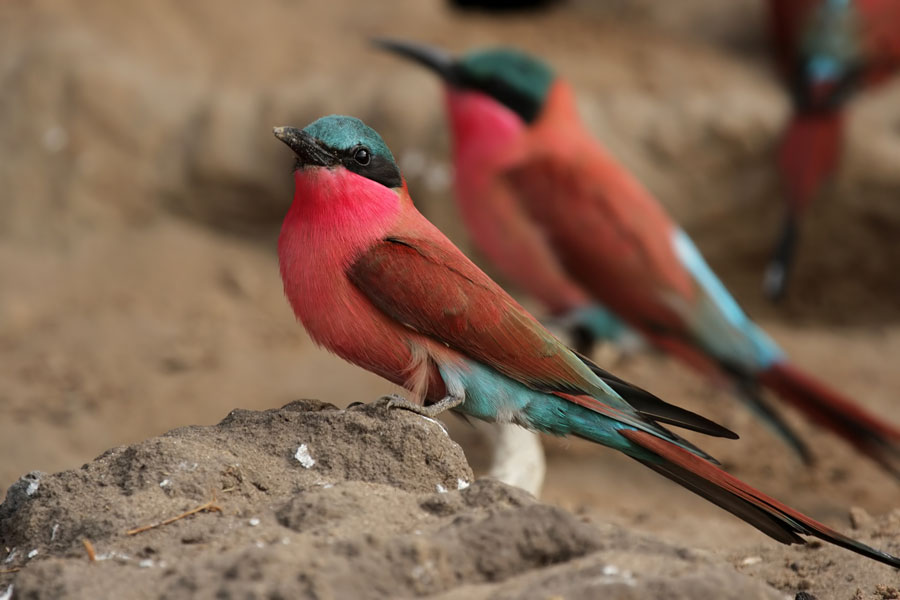
The range of bird life is simply staggering, the channels and rivers are home to kingfishers, pygmy geese, fish eagles, jacanas, darters and the elusive Pel’s fishing owl, plus many, many others.
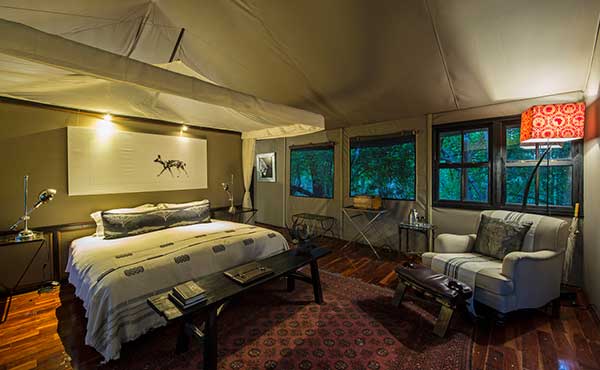
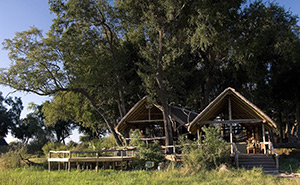
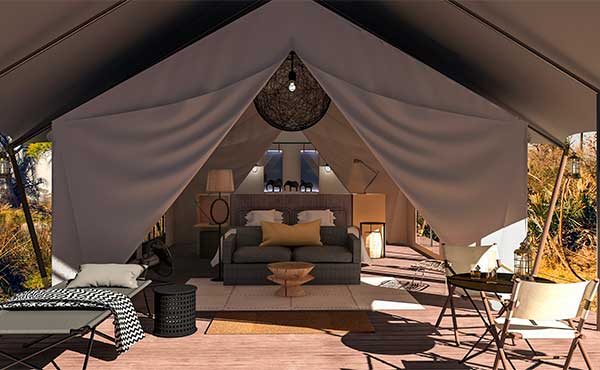
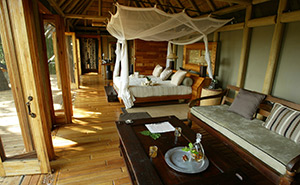
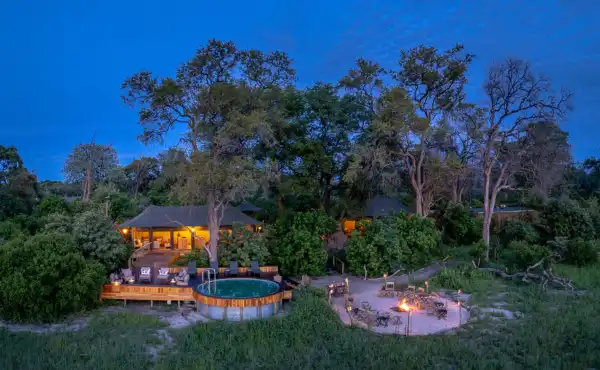
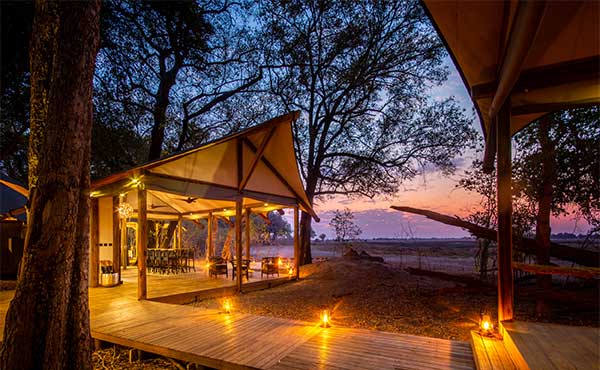
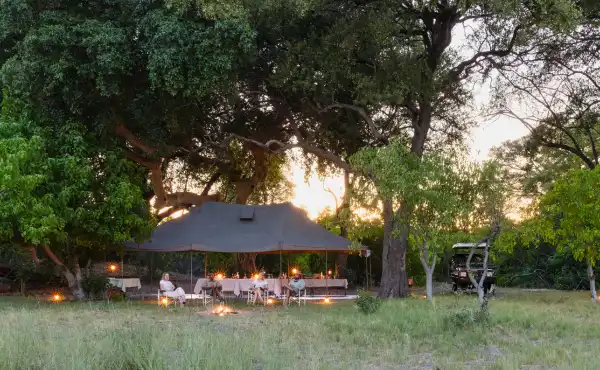
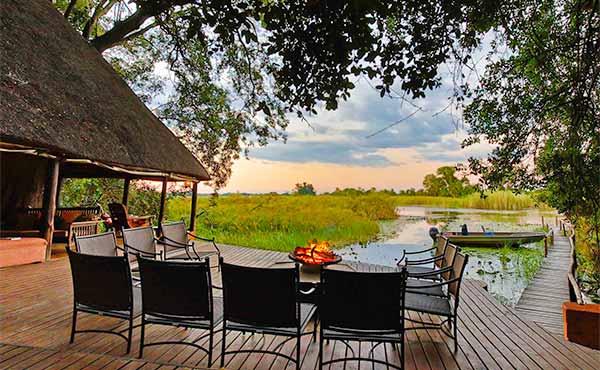
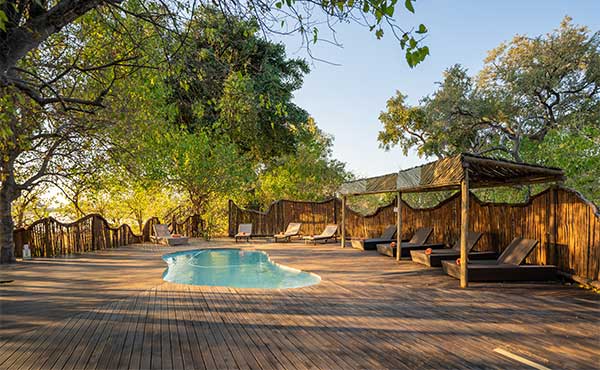
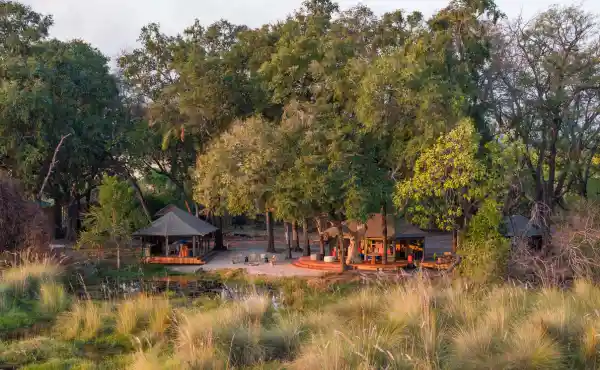
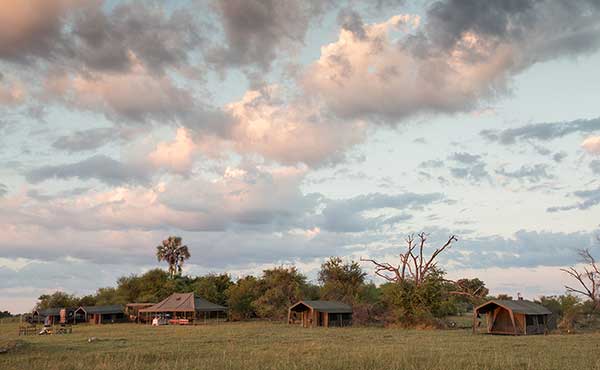
There are a large number of camps within the greater Okavango Delta area, each within a National Reserve or Private Reserve, known locally as a concession. Each camp and reserve is unique, with its own specialities in terms of habitat and wildlife. The activities offered will reflect this; some will be more water-based and others more land-based, depending on the location.
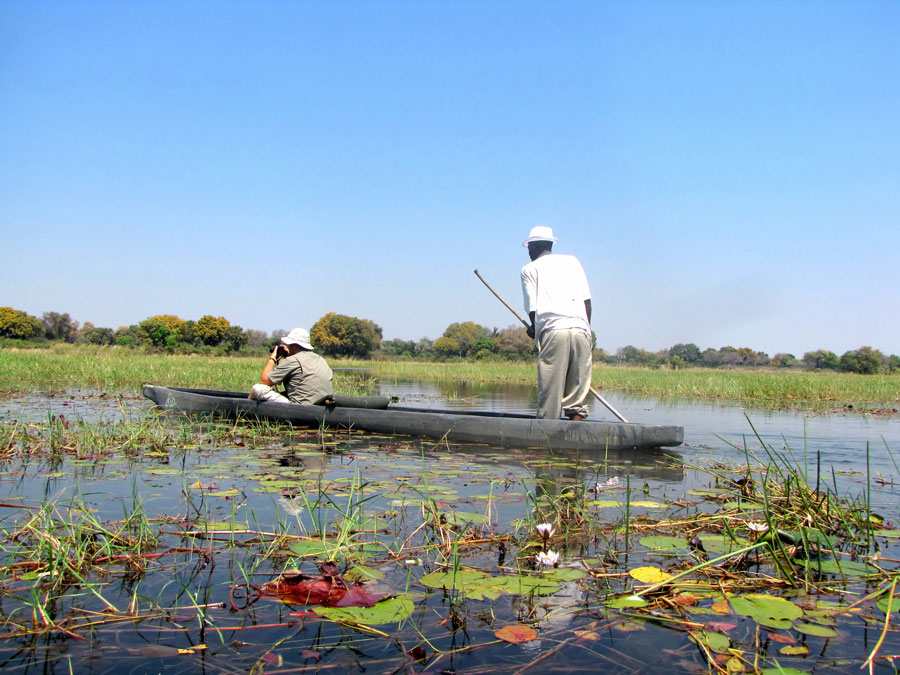
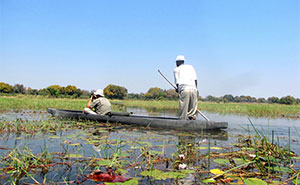
One of the highlights of a visit to the Okavango Delta is to glide silently through the sparkling waterways and channels in a traditional wooden dugout canoe – a mokoro – the means of transport used by local Tswana people for centuries. Noiseless mokoros are perfect vehicles for tracking the elusive and shy sitatunga, the many birds and other animals of the Delta.
The best way to experience the delta to the full and see its remarkable contrasts is to stay at two camps with contrasting locations and different activities.
View suggested itineraries