Where do Lions Live in Africa?

In this blog, wildlife photographer Bret Charman shares some key facts about lions and where to see them in the wild on safari in Africa.
Lions, panthera leo, live across large areas of sub-Saharan Africa, wherever there's still suitable habitat and prey. The range of African lions has reduced rapidly over the past 50 years, primarily due to an increase in the human population, but within protected areas the population remains stable. In certain parts of the Great Rift Valley, lion densities are at their highest, particularly within the Serengeti and Mara reserves. There can be one lion for every two square kilometres in these iconic safari destinations.
 Wild lions are currently found in West Africa, in countries from Senegal across to Cameroon in Central Africa, albeit in small, isolated populations and then across to East Africa. It's in the east of the continent where the iconic images of lions in Africa are often captured - large open savannah grasslands. However, African lions are suited to a wide variety of habitats, as long as there's the necessary prey to support them. They can be found in large open savannahs and even deserts, to scrubby woodland and large open forests, the only habitat that African lion is not typically found is dense forest.
 The lion population spreads across Southern Africa too, with large populations in reserves and national parks, such as the Kruger in South Africa. In fact, it's in South Africa where one of the largest population of lions can still be found on the African continent. These big cats thrive in areas where they're not persecuted and allowed the space to move freely. Young nomadic males are key to the species long term survival and help improve genetic diversity across the entire population.
 Lion Behaviour & Social Structure
Lion Prides
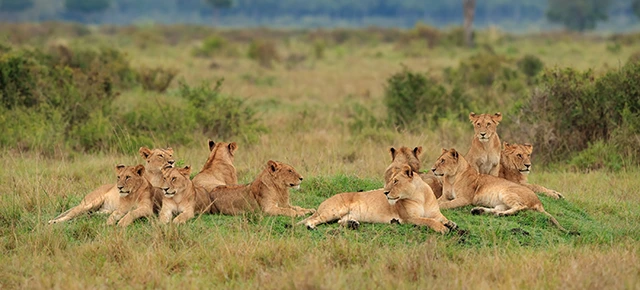
Female lions, typically referred to as a lioness, are at the core of their social structure - a pride. Lion numbers in a pride vary, depending on the habitat and prey availability. The males will come and go, often 'protecting' a number of prides within their territory. Although these big cats are the apex predators in their natural habitat, they can still be vulnerable to other predators (mainly hyenas) and other large mammals as cubs.
 The social bonds within a pride are very strong. Most of the lionesses will be related, sisters, aunties and nieces, while young males will be forced to leave the pride as they reach sexual maturity. The young female lions will remain within the pride, further strengthening the group. As mentioned, male lions will typically oversee more than one pride, often as a coalition of brothers or cousins. However, these coalitions can weaken, or split over time, and this makes them vulnerable to losing control over a pride. If there are young lions and cubs within a pride, these new males will often kill them to bring the females back into season so they can sire their own young. Although this may seem catastrophic, it ensures that the genetic viability of a population remains healthy.
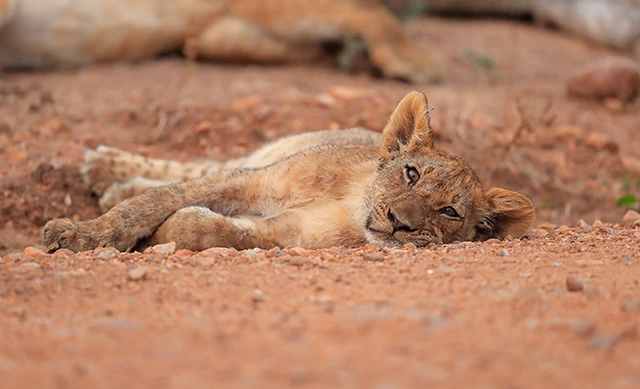
 Lions are famous for their ability to sleep. In fact, they spend much of the day resting together, escaping the heat of the sun. Lion prides prefer to hunt when the light levels drop, making it easier to ambush prey and make a successful kill. Although, it's important to note that they're opportunistic and will hunt in the day if the opportunity arises.
 Lion's Prey & Hunting Techniques
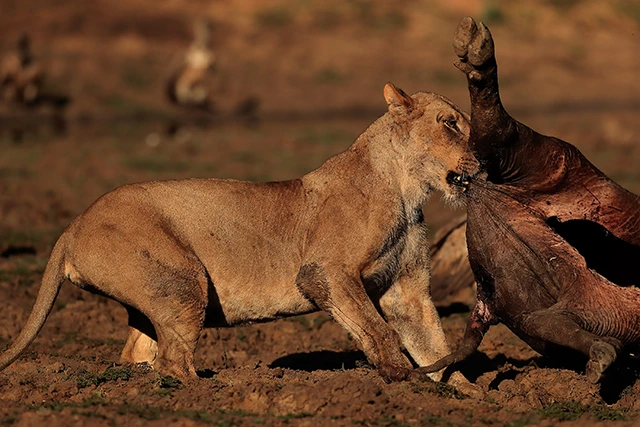
Lions in Africa hunt a wide range of prey. Dependent on the size of the pride, and complicated coordinated hunting efforts, they can bring down species much larger than themselves. There are prides of lion in Africa which will target young and immature elephants, using their numbers to overwhelm and exhaust an individual. There have even been documented incidents of fully-grown giraffes being targeted.
As the only sociable member of the big cat family, African lions are able to hunt large mammals, including buffalo and even elephant. Usually, the largest prey would be a buffalo. These large and aggressive bovids can seriously injure or even kill a lion, and therefore it's only because of the teamwork that they're able to bring down a buffalo. Other large ungulates are preyed upon as opportunities present themselves. Eland, kudu, wildebeest and impala are regularly part of their diet, while zebra are another prized prey species when they're present. Their success is almost entirely dependent on the strength of the pride. Lone lions can hunt successfully, but it's likely these will be slightly smaller species or opportune kills if it's larger prey.
The adult males and lion cubs will typically keep clear until a kill has been made, leaving the females to work together for a successful hunt. Ideally, they'll ambush their prey, being built for short bursts of speed. Once they've made a kill, the lions quickly set about feeding on the carcass, allowing the youngsters to feed. If a male is nearby, he'll dominate the kill until he has had his fill.
African Lion Conservation
African lions live in a changing world and their future is uncertain. The biggest threat facing these big cats is the fragmentation of their habitat and conflict with the increasing human population. Lions need space to move freely, and currently many populations are in isolated pockets. Their conservation status is listed as Vulnerable by CITES and takes these threats into account.
There are a number of conservation organisations working hard to give lions in Africa a long-term future. Working closely with rural communities, national parks and governments, they do their best to mitigate issues of human-wildlife conflict, a loss of suitable habitat and lobby for more wildlife corridors so animals can pass freely.
Lion Facts
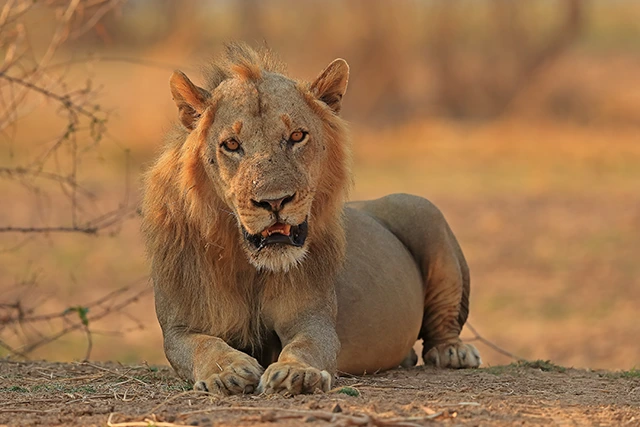
Male lions weigh up to 190 kilogrammes, while females can weigh as much as 130 kilogrammes. It's common for females to live up to 15 years in the wild, while male lions don't usually live as along, up to 10 years. The males are well-known for their impressive manes, but there's a lot of variation in the appearance depending on the population. For example, lions in East Africa often sport an impressive mane, whereas those further west and in hotter parts of Southern Africa, such as in Zambia's South Luangwa National Park, are a little more scruffy. It's worth noting that females and cubs do not sport a mane.
 Where to See Lions in Africa
We run a range of trips across Africa where you have an excellent chance of seeing lions in the wild. Whether you would like to join a small group, a dedicated photography tour, or enjoy a tailor-made safari, we have you covered.
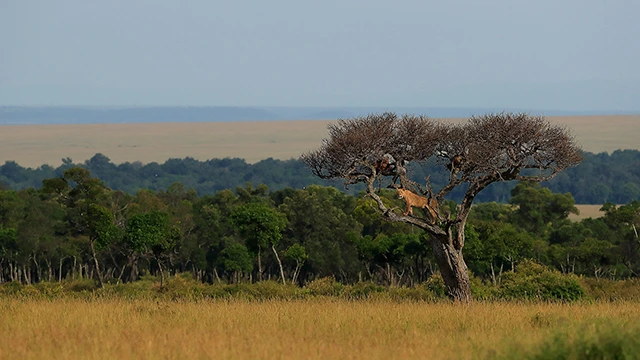
One of the best places to photograph African lions is in Kenya's Masai Mara, so why not join our Masai Mara Photo Safari with photographer Bret Charman if you want to add to your lion portfolio.
 Among our favourite destinations in Africa is Zambia's South Luangwa National Park. Here we run a small group tour which is the perfect place to enjoy a wealth of wildlife called Classic South Luangwa Safari, however we offer several trips to Zambia including group tours and trip ideas.
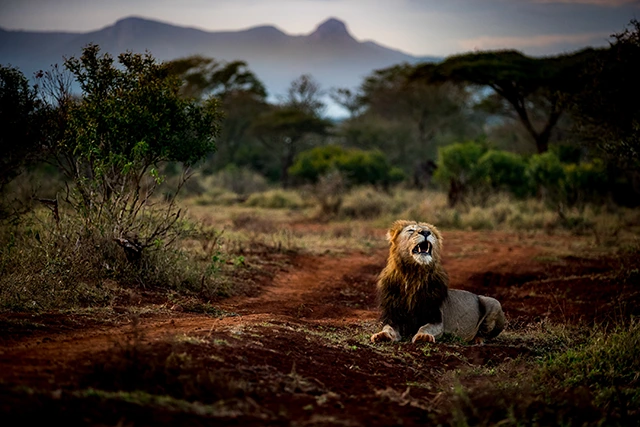
 If you're looking for something tailored to suit your needs, then why not work with one of our Wildlife Travel Consultants to plan your own safari within the Greater Kruger area of South Africa. There are options to suit all budgets, using our Quintessential Kruger Safari trip idea as a basis to develop your perfect lion watching adventure.
Find out more about our African wildlife holidays, vehicle safaris, walking safaris or fly-in safaris. To start planning your next adventure, contact our team of experts.