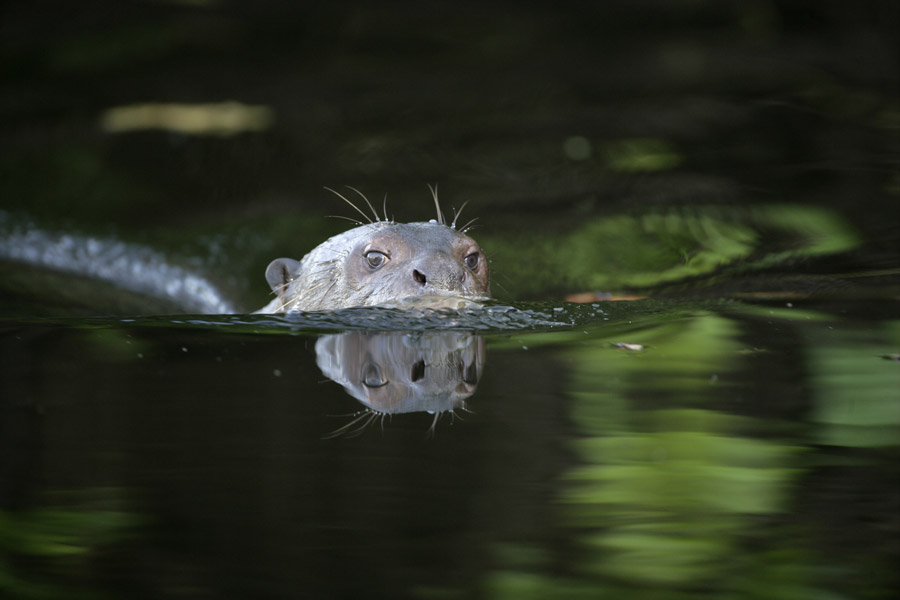
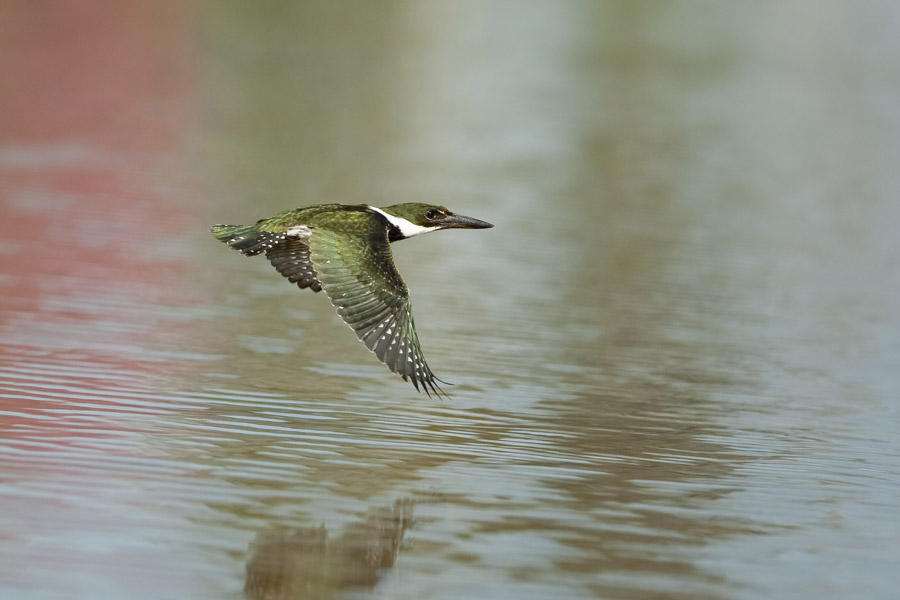
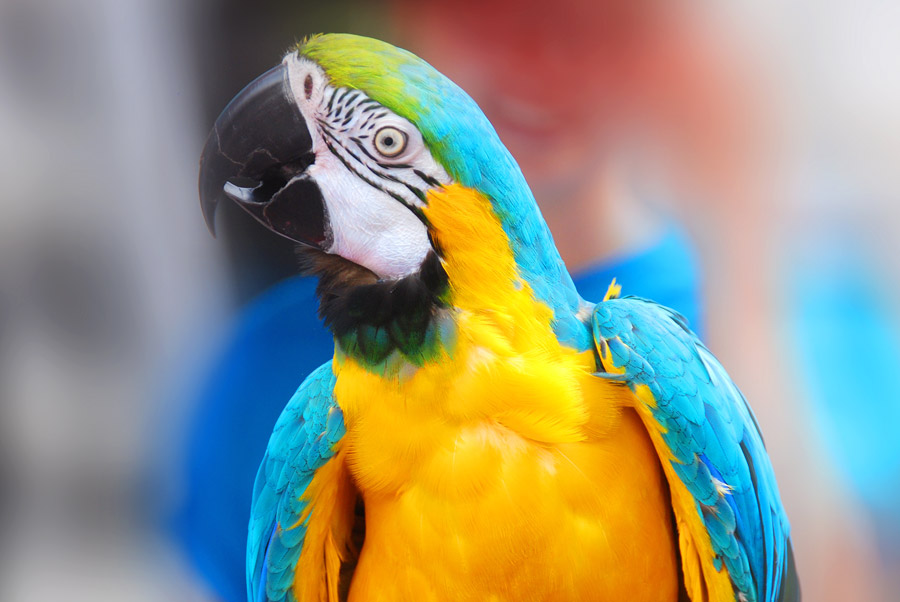
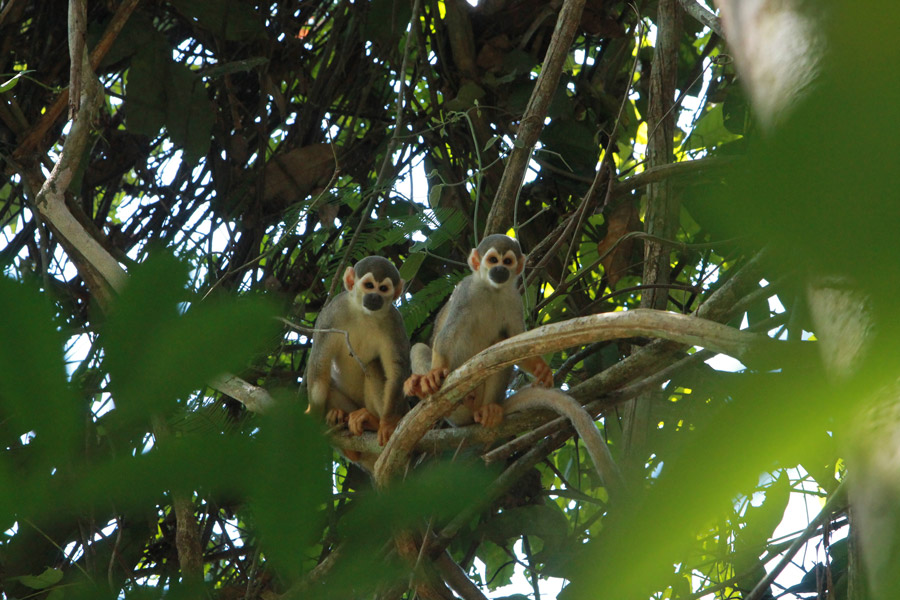
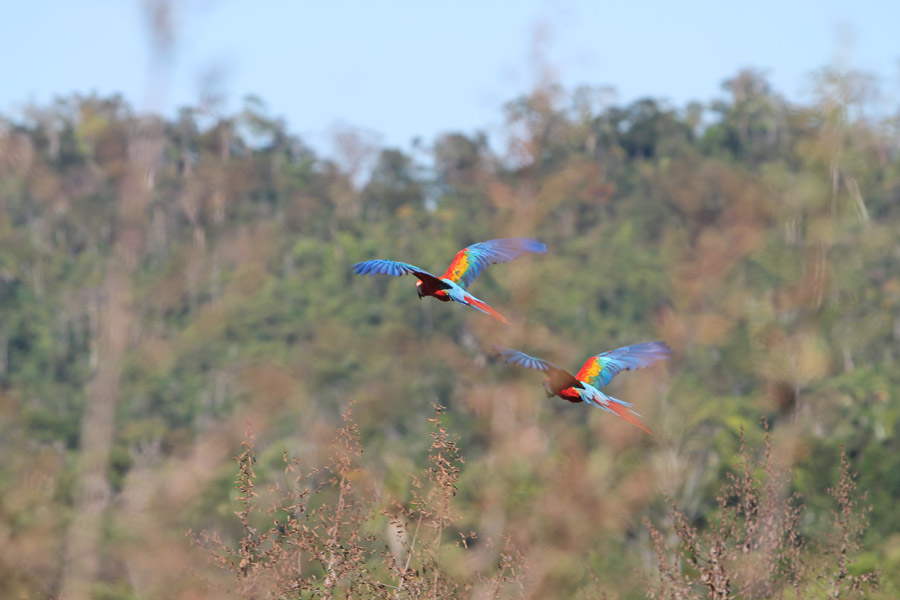
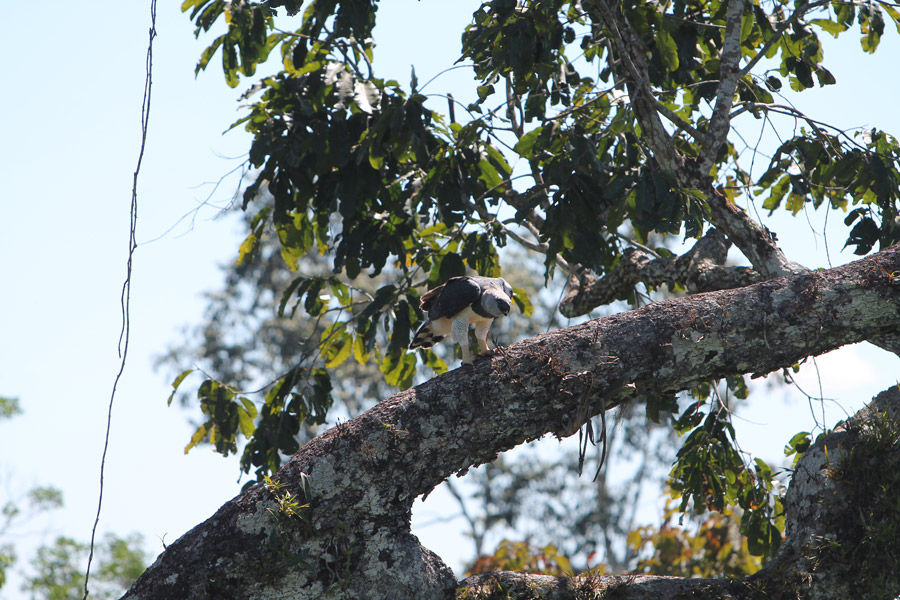
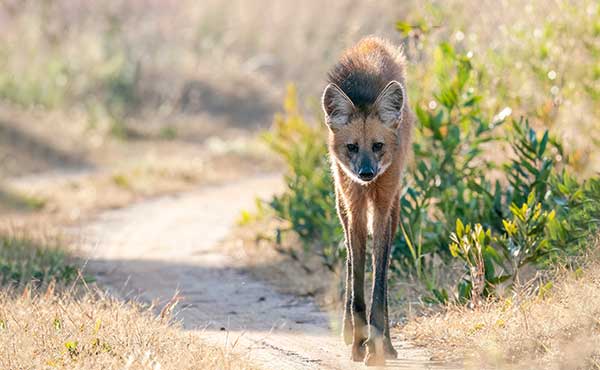
Mammals to be found in the Amazon basin include the world’s largest rodent - the capybara - plus tapir, jaguar, monkeys, deer and otter. The 1,300 or so bird species include many migrants, while macaws gather in flocks more than a thousand-strong.
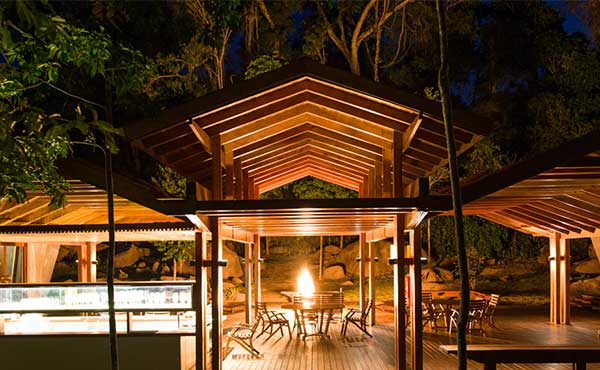
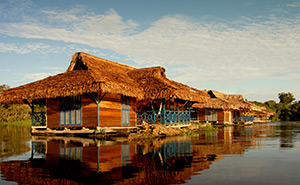
The largest of its 380 reptiles is the anaconda, while the best known of the 3,000 or so fish species is the piranha. There are different ways to explore the Amazon; jungle lodges provide various levels of comfort and offer two, three or four day programmes, complete with local naturalist and native guides.
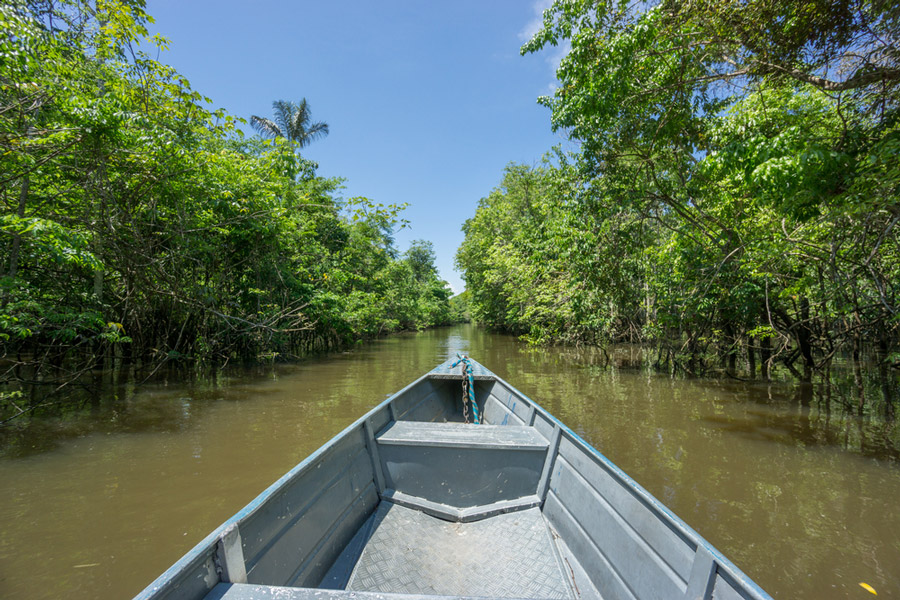
As a general rule, the more remote the lodge and the longer you stay, the more wildlife you are likely to see. However, in the busy area around Manaus, the Amazon is several kilometres wide, and much of the forest is secondary growth, so it is only by getting into narrow creeks and channels that you have a realistic chance of seeing wildlife. By taking a voyage on a riverboat, particularly on the northern tributary of the Rio Negro, you can get much deeper into the rainforest, and have greater opportunity to experience it in a more intimate way, and understand it with a naturalist guide. Why not consider our Voyage to the Heart of the Amazon?
The Amazon basin covers a vast area, but you can avoid the expense and time of flying to Manaus by visiting the southern fringe of Amazon rainforest – which offers similar biodiversity. Staying at Cristalino Lodge, near the town of Alta Floresta in Mato Grosso state and a short flight from the state capital Cuiabà, makes an excellent combination with the Pantanal – enabling you to see two different and contrasting ecosystems in relative proximity.
View suggested itineraries



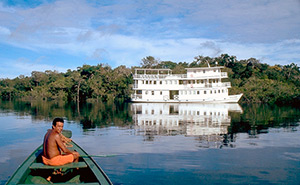
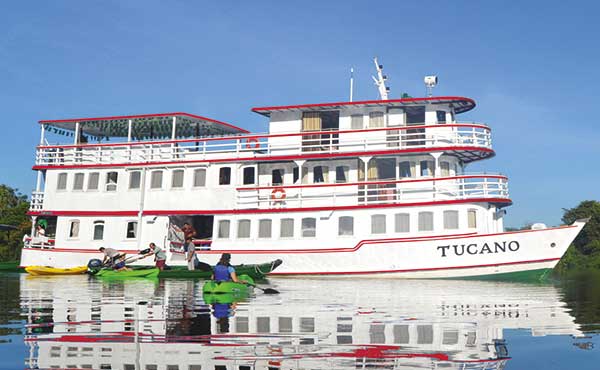 EXPEDITION VESSEL