Showcasing Papua New Guinea’s contrasting habitats, discover coral reefs, tropical rainforest, village life, magnificent bird species in the montane forests around Mount Hagen, and finally, Varirata National Park.
With its pristine coral reefs, off shore islands, vast tracts of tropical rainforest, highlands, lowlands and great rivers, the island of New Guinea is a land of extraordinary contrast that nurtures a diverse range of habitats and an equally varied selection of bird species and other wildlife. Divided across two nations, West Papua is part of Indonesia and Papua New Guinea occupies the eastern half.
This tailormade itinerary rewards intrepid travellers with the chance to experience astonishing marine life in the Coral Triangle, whilst time on land is spent seeking the largest butterfly on Earth, a splendid array of orchids, the fantastic plumage of dazzling birds of paradise, and discovering vibrant indigenous tribal cultures for which the country is famed.
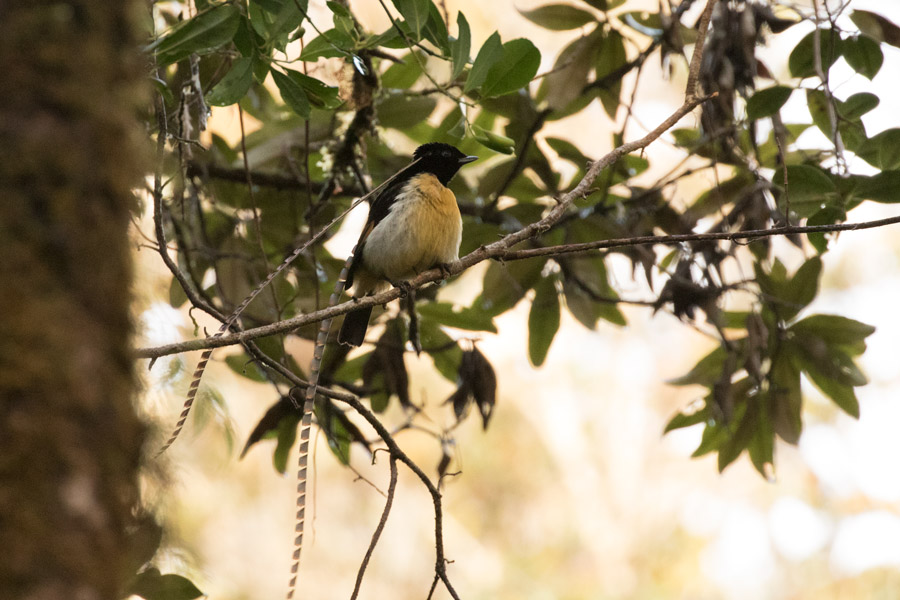
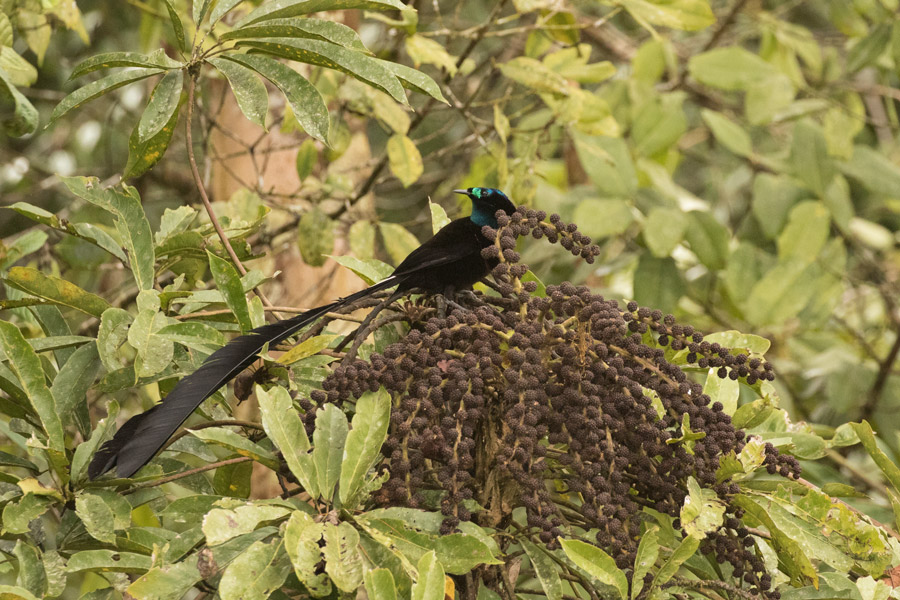
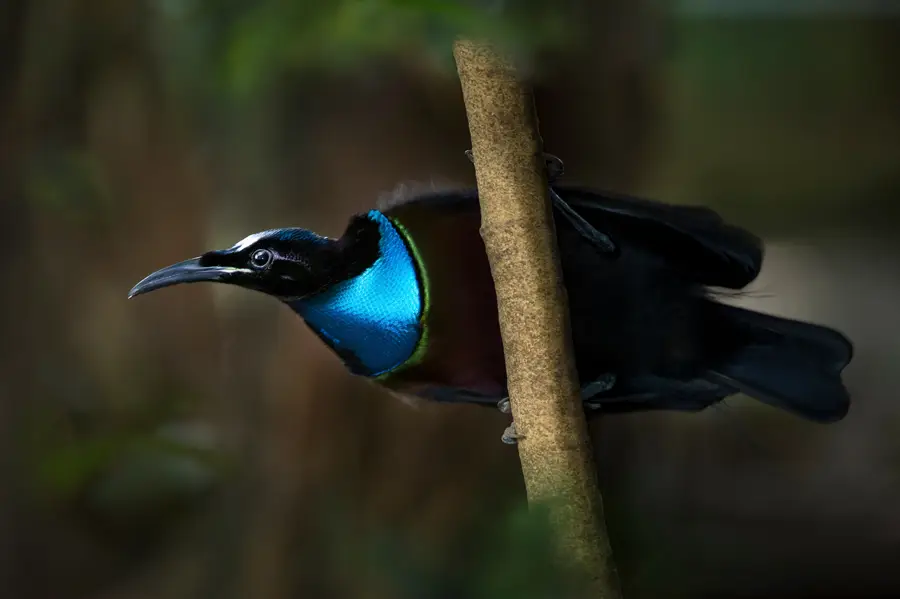
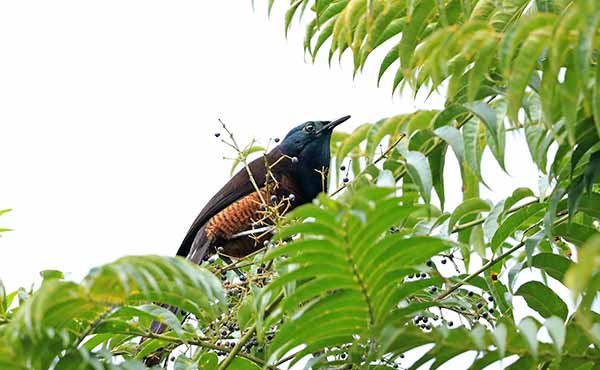
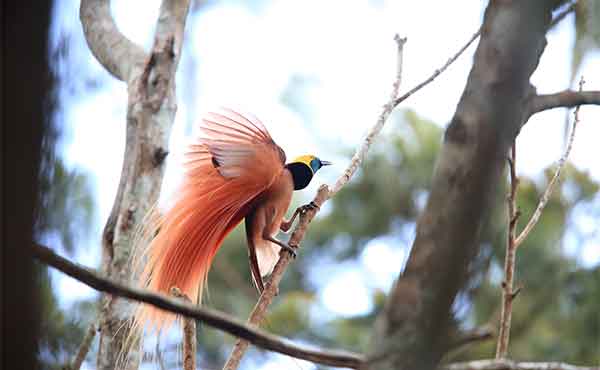
In terms of bird species, amongst the endemic jewels to be seen are the King-of-Saxony and blue bird of paradise, alongside Papua New Guinea's national bird, the Raggiana bird of paradise. Other showstoppers include the superbly iridescent Stephanie’s astrapia, ribbon-tailed astrapia, Loria’s satinbird, and the dramatic bill and tail of brown sicklebill.
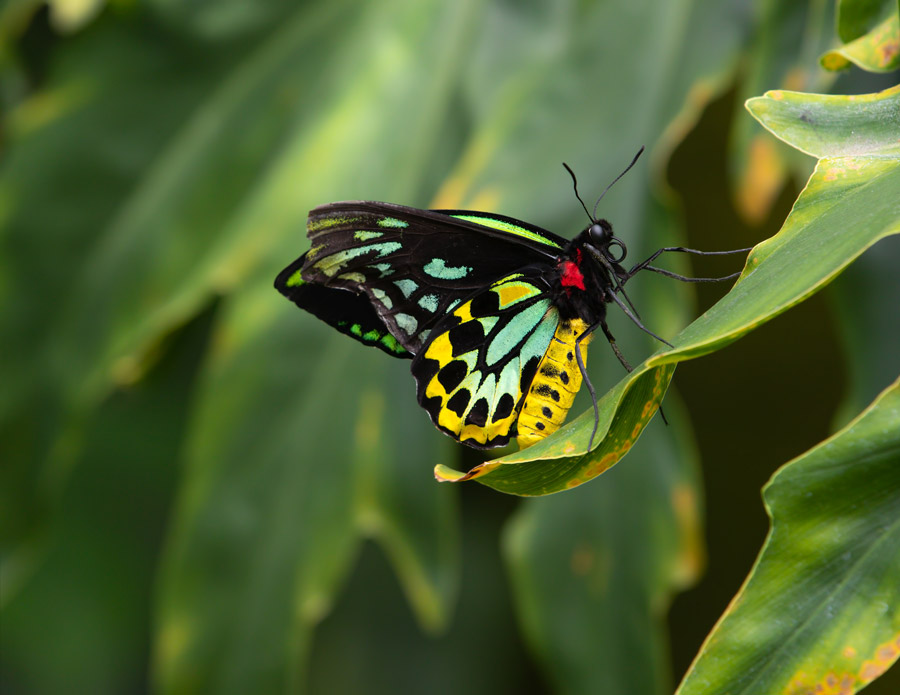
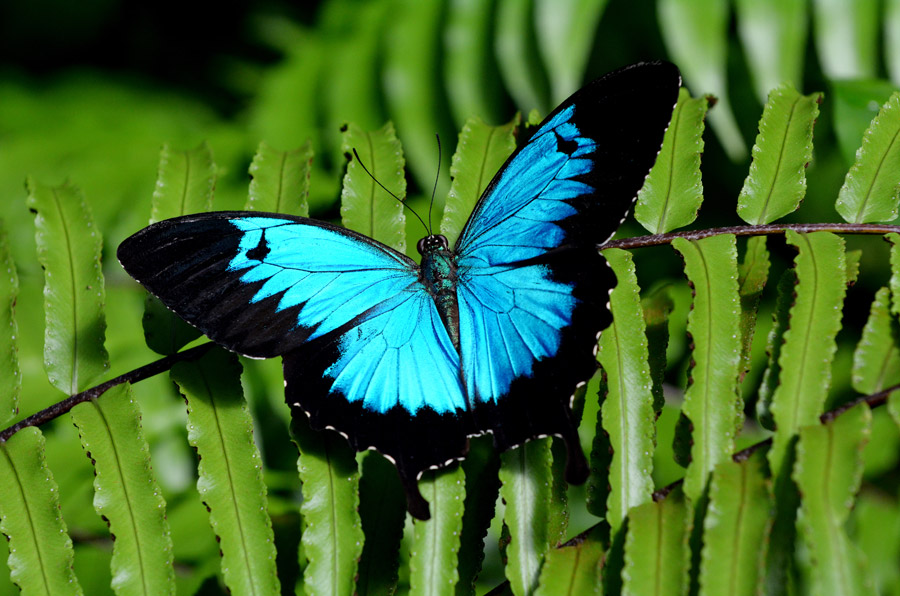
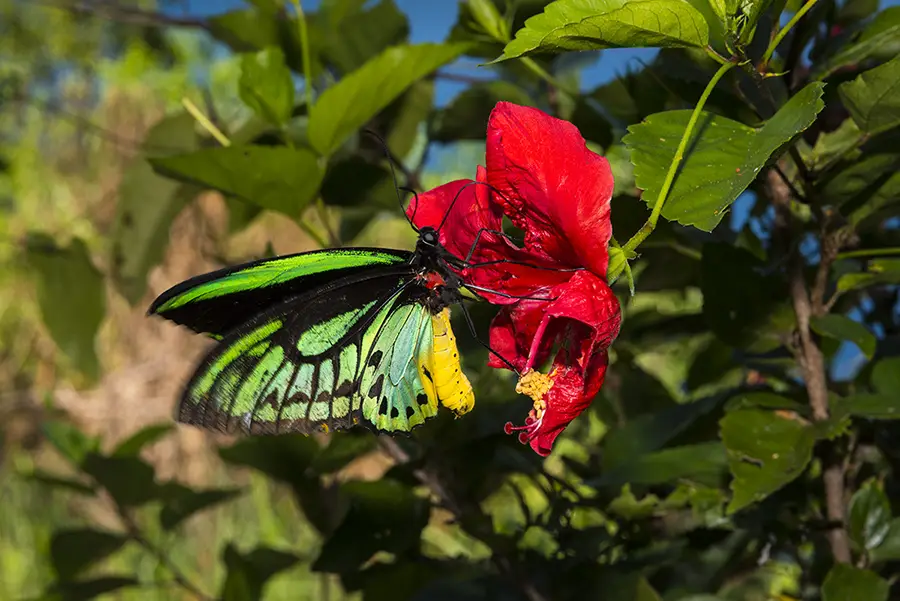
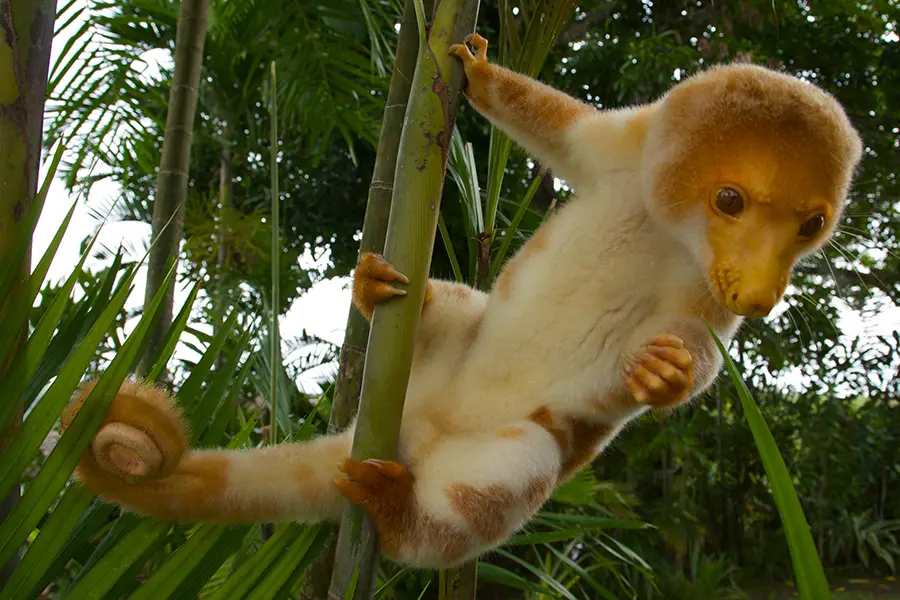
Butterfly enthusiasts too, will be in seventh heaven, as individuals of all shapes, sizes and colouration delight, but it's perhaps the huge Queen Alexandra birdwing and the striking, blue Ulysses, that won't cease to amaze. Mammal lovers will have their work cut out here as they tend to be highly elusive, but marsupials such as tree kangaroo, cuscus, bandicoots and possums are all represented, as are rodents and bats.
Suggested Itinerary
-
Days 1-2
:
Fly to Port Moresby (via Singapore)
-
Day 3:
Arrive Port Moresby & Fly to Tufi
Welcome to Papua New Guinea!
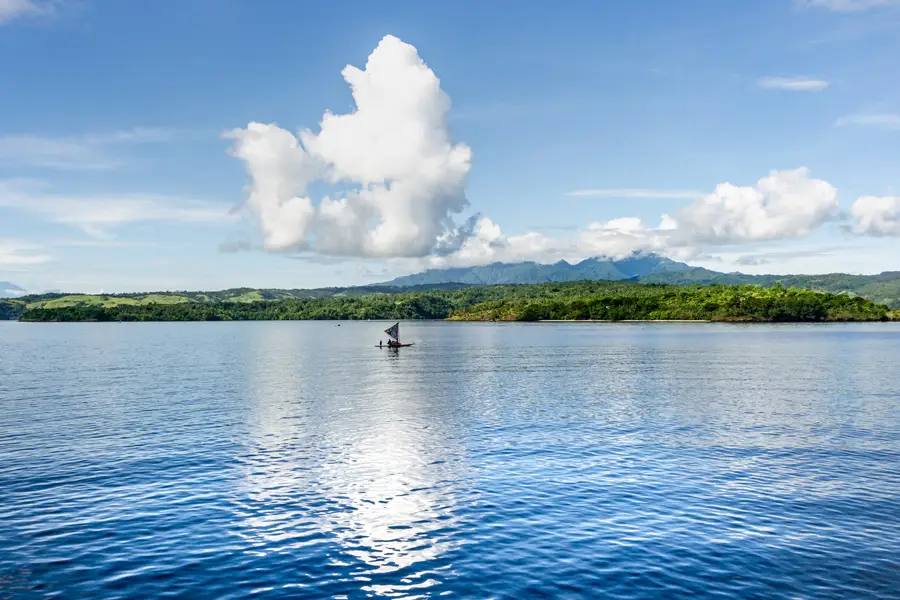
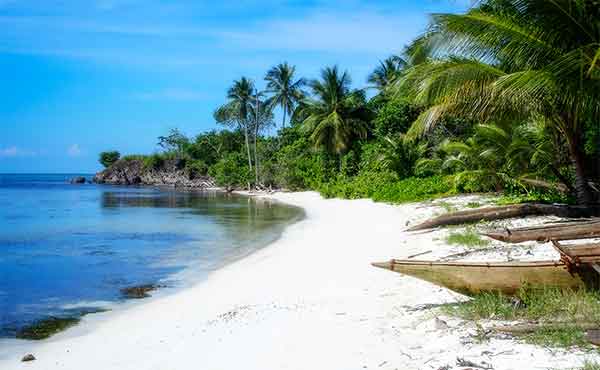
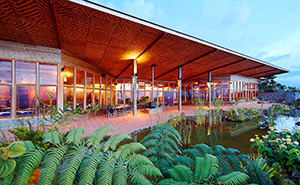
A connecting flight on arrival sees you land in paradise this afternoon. From the vibrant tropical gardens, take in panoramic vistas over Tufi Fjord far below, lined by lowland rainforest whose verdant interior provides home to a myriad of spectacular bird species, orchids and butterflies.
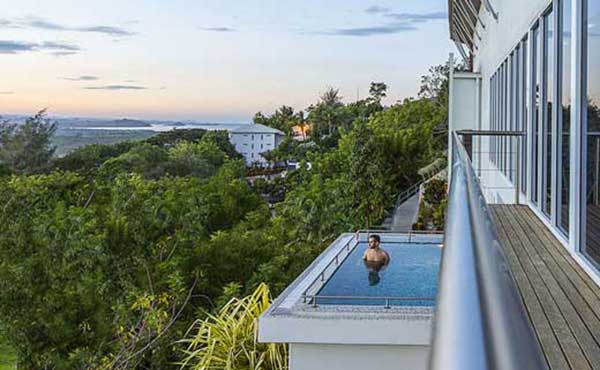
Accommodation: Tufi Resort, 3-nights
-
Days 4-5
:
Explore Tufi, Snorkelling & Birdwatching
Spend two full days in this idyllic location discovering not only rich underwater treasures, but a wealth of flora and fauna on land too. Guided nature walks uncover magnificent birds and intricate, ornate insects adorning every conceivable surface from lush blossoms to orchids and exotic foliage in every conceivable shade of green. It's here that you can seek the world’s largest butterfly, the Queen Alexandra birdwing amongst other radiant species.
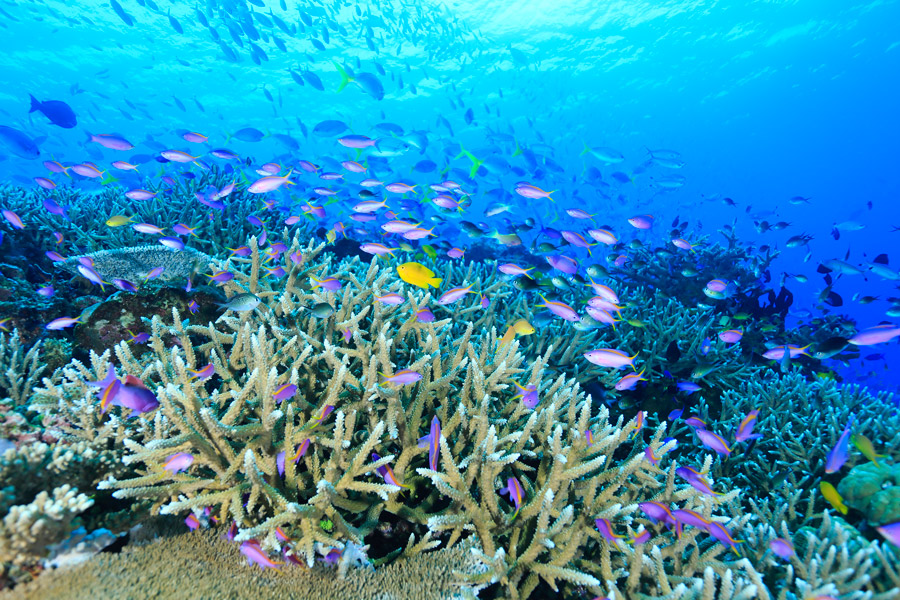
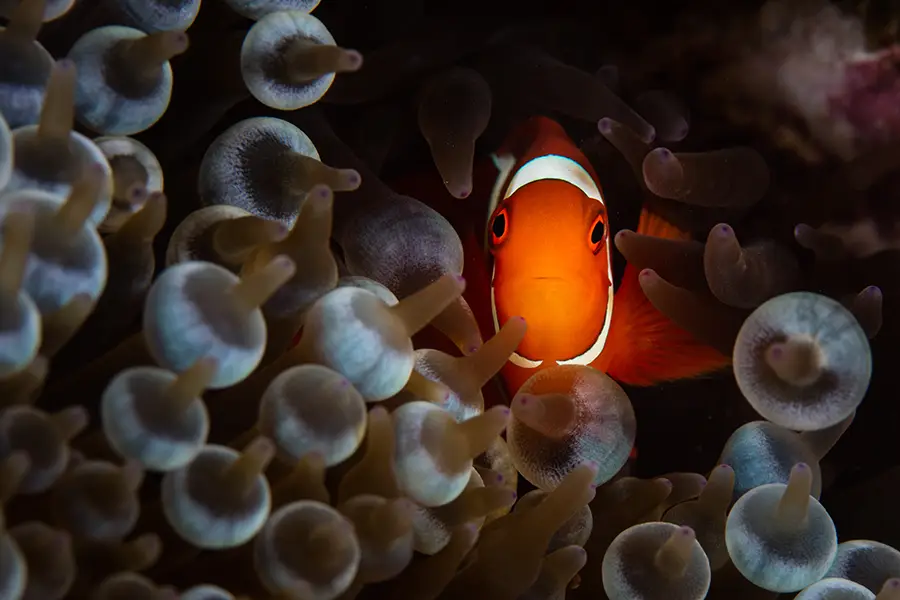
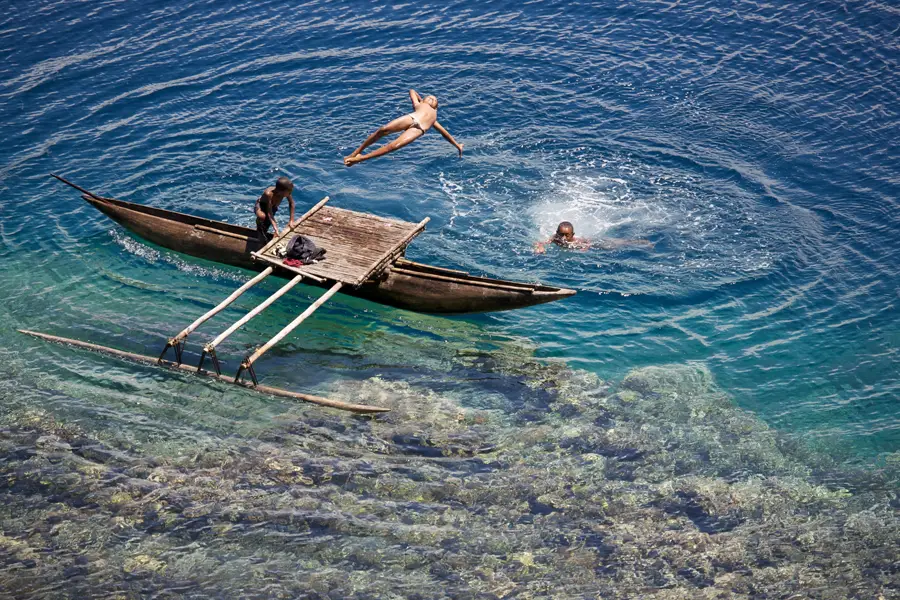
Complimentary use of canoes and kayaks unlock opportunities to traverse sheltered bays where forest edges lead down to crystal clear snorkelling sites. Offshore, warm turquoise waters lap glorious coral reefs, part of the Coral Triangle, a marine wonderland positively brimming with fish, turtles and even World War II wrecks. The area is renowned as a diving Mecca.
Your introduction to Papua New Guinea’s flamboyant tribal culture can begin here too, with village visits and the chance to learn about ancient, and relatively unchanged, ways of life. Should you prefer to simply relax in halcyon surrounds, perhaps by the pool or on beaches close by, that is, of course, absolutely acceptable!
-
Day 6:
Fly to Mount Hagen (via Port Moresby)
From the nearby airstrip this morning, leave the Solomon Sea behind you and return to Port Moresby for your onward flight to Mount Hagen. Gateway to the interior, this area is not only alive with cultural heritage, but is a hotspot for several species of birds of paradise. Indeed, your first excursion this afternoon is a guided birding and nature walk.
Accommodation: Rondon Ridge Lodge, 3-nights
-
Days 7-8
:
Explore the Western Highlands, Birdwatching & Cultural Villages
With sightings of up to ten birds of paradise possible in the montane forests of the New Guinea highlands, spend as much time out on the trails surrounding your lodge as possible. Black (occasionally) and brown sicklebill, ribbon-tailed and Stephanie’s astrapia, superb, blue, King-of-Saxony and lesser bird of paradise are all just waiting to be found.
Bird species galore thrive at these higher altitudes amongst mist-shrouded peaks and alpine grasslands, with even the elusive Papuan harpy eagle, also known as the New Guinea harpy eagle, having been recorded here, although sightings are exceptionally rare.
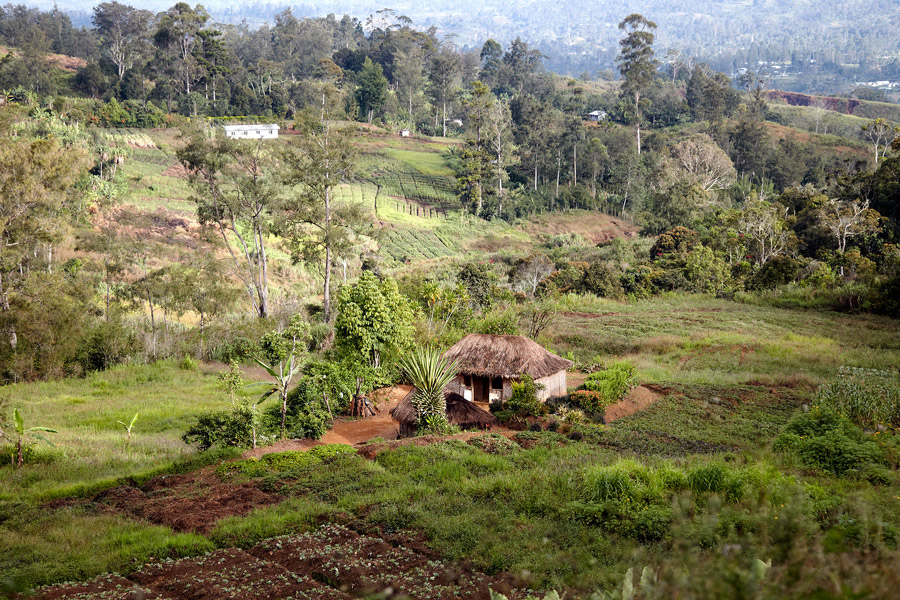
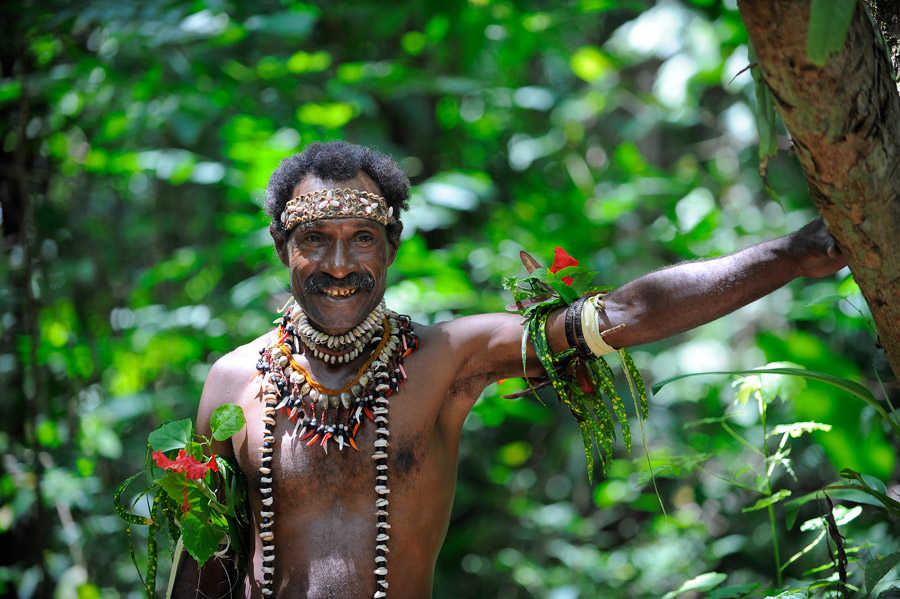
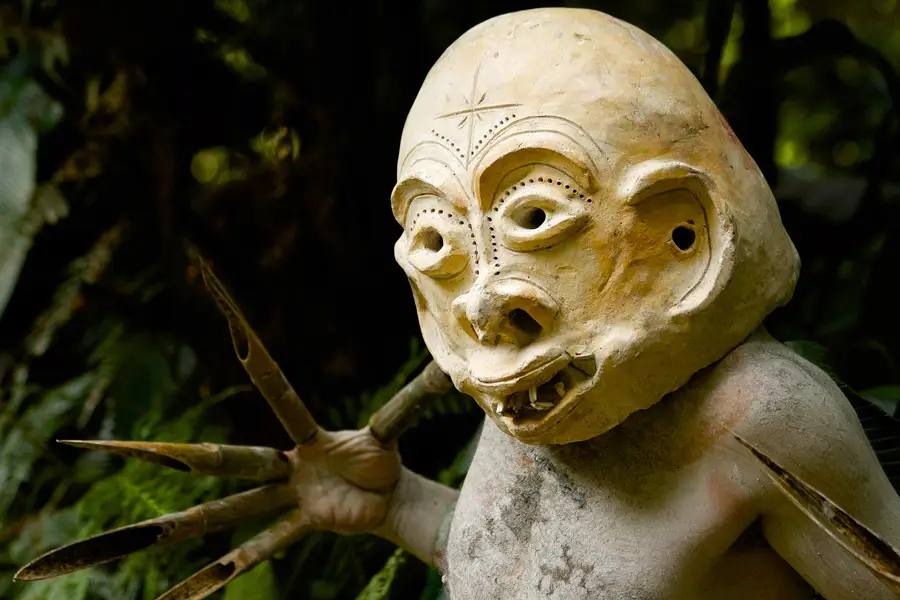
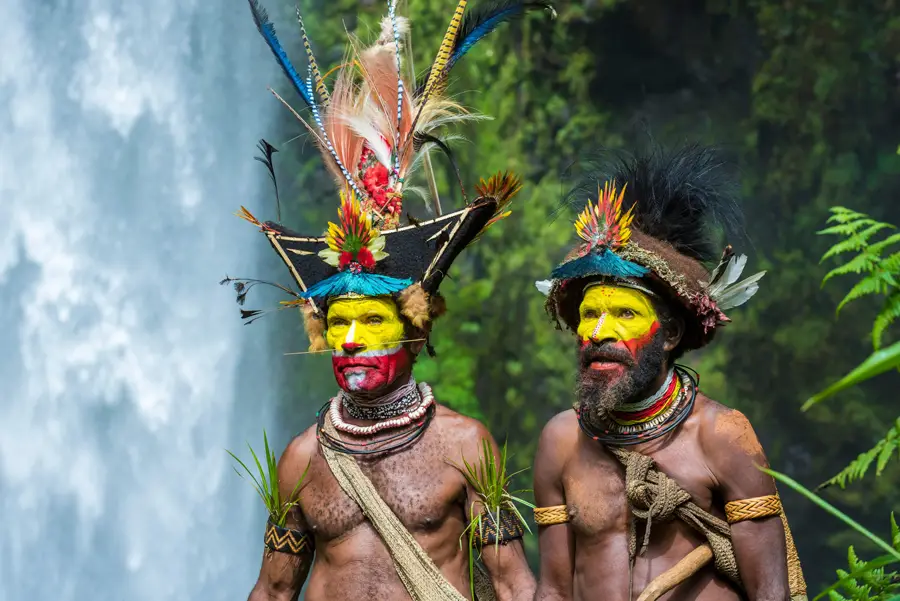
Gain a fascinating insight into village life with visits to the Melpa people, the Huli, and the famous Pogla mudmen, learning about customs, ceremonies and traditional practices. If you coincide your visit with the festival month of August, enjoy an assault to the senses as multiple tribes gather together for singsings, showcasing and celebrating their heritage through dance and song.
-
Day 9:
Fly to Port Moresby
As your time in the highlands comes to an end and the last part of your adventure awaits, fly to Port Moresby for a well-earned afternoon off. Amble around your hotel’s botanical garden or use its many facilities.
Accommodation: Airways Hotel, 2-nights
-
Day 10:
Birding Sogeri Plateau & Varirata National Park Visit
Enjoy the cooler climes of the Sogeri Plateau on your last full day in Papua New Guinea. Visit viewpoints, indulge in last-minute birding, and incorporate Varirata National Park, where there’s potential to marvel over the national bird, the Raggiana bird of paradise. Other wildlife reflects your proximity to Australia with wallabies and echidnas all possible.
-
Day 11:
Depart Papua New Guinea (via Singapore)
-
Day 12:
Arrive UK
Please note: As a fully customisable itinerary, other destinations in Papua New Guinea are waiting to be explored should you wish to extend your stay. Perhaps carry on to the Sepik River, staying at Karawari Lodge, which is easily accessed from Mount Hagen by charter flight? Alternatively, northern Australia is really not far away as the crow flies. Offering magnificent landscapes, tropical rainforest, more coral reefs, migratory birds, prehistoric southern cassowary, and, perhaps rather surprisingly, several more species of birds of paradise, why not?! Contact us for futher information.