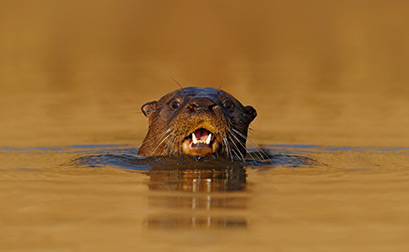
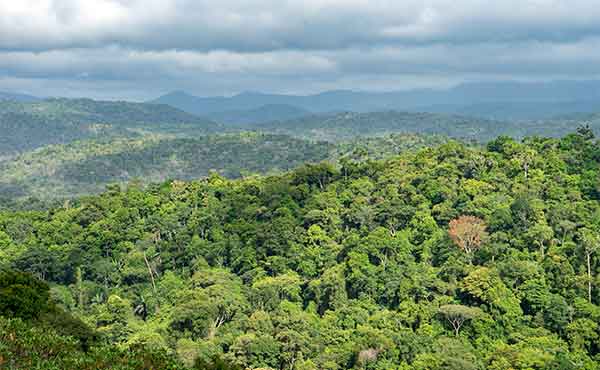
The remote Amerindian community of Rewa is located in the north Rupununi , at the confluence of the Rewa and Rupununi rivers. The village has a population of around 300 inhabitants, mostly made up of people from the indigenous Makushi tribe, along with a few Wapixani and Patamona families.
Find Out More
This diverse area of mixed savannah, moist tropical forest and mountain takes its name from the floodplain of the Rupununi River in the southwest of Guyana, along the border with Brazil – one of the country’s most complex ecosystems, and among the earth’s last great wildernesses.
Find Out More
The Amerindian community of Surama lies at the very heart of Guyana, where eight square kilometres of savannah are surrounded by the Pakaraima Mountains, at the edge of the Rupununi savannah. This isolated and idyllic location provides a fascinating insight into Guyana's rainforests.
Find Out More
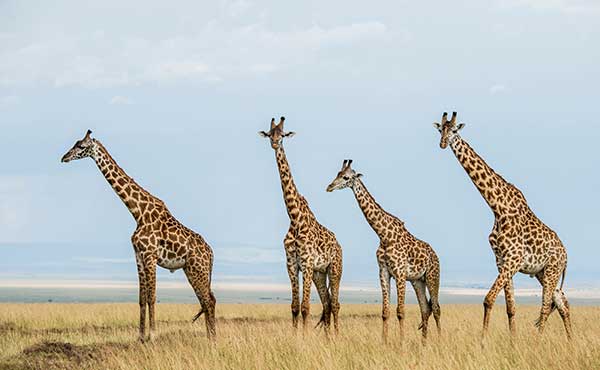
Formed as a not-for-profit organisation, the Mara North Conservancy represents the heart of one of the world's most important wildlife habitats. Its partnership between 11 camps and over 800 Masai landowners aims to create a world-class conservancy and exclusive safari experience in the Masai Mara ecosystem.
Find Out More
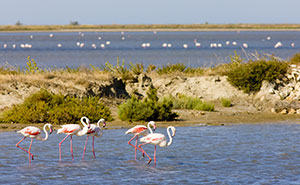
The vast, marshy wetland of the Camargue – one of Western Europe’s most important birding areas – lies at the heart of the delta of the river Rhône. Straddling the migration route from North Africa, it offers a safe haven for many migrants, and a nesting site for large numbers of greater flamingos.
Find Out More
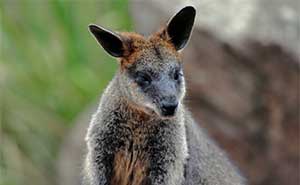
Due east of Melbourne, East Gippsland stretches east and north from the western watershed of the Mitchell and Thomson Rivers to the border of New South Wales, covering some 14% of the state of Victoria. The region is famous for its forests and wildlife – particularly big mammals, birds and reptiles.
Find Out More
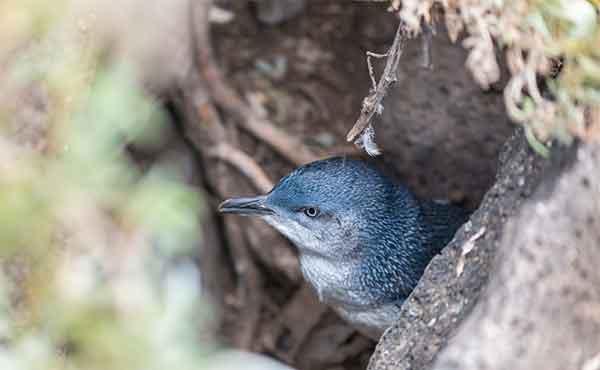
Named after the first Governor of New South Wales, Arthur Phillip, the island’s southern and western coasts are an Important Bird Area, with significant populations of little penguins, short-tailed shearwaters and Pacific gulls. At the western end of the island, Seal Rocks is home to Australia’s largest colony of fur seals.
Find Out More
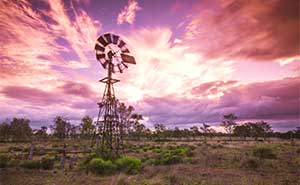
Outback is the term used to describe Australia’s vast, remote, arid interior – even more remote than "the bush" which refers to any area outside a main urban zone. Due to low, erratic rainfall and infertile soil, it is sparsely settled and over 90% of Australians live in urban areas on the coast.
Find Out More
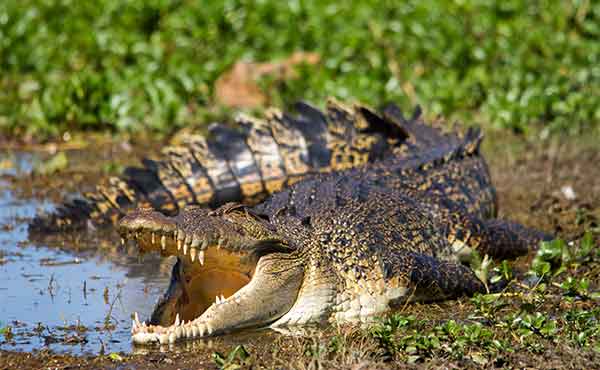
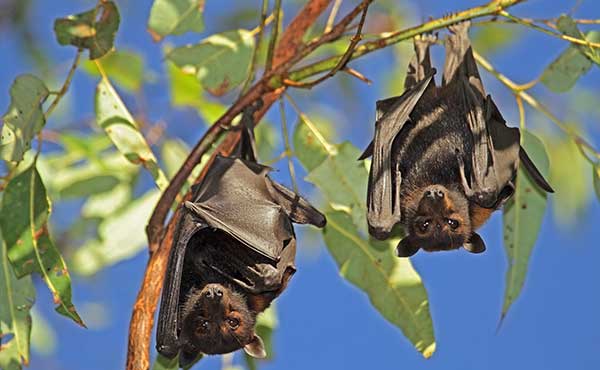
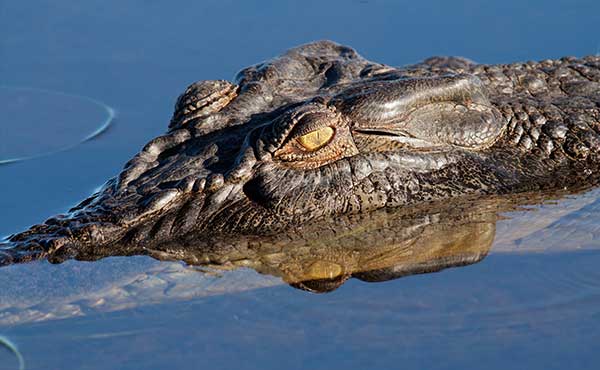
Located in the north-eastern corner of Australia’s Northern Territory, around 500 kilometres from the capital Darwin, Arnhem Land’s prolific wildlife includes the region’s largest predator – the saltwater crocodile – along with dugong and nesting turtles. It is home to hundreds of bird species.
Find Out More
Lying 240 kilometres east of Darwin, Kakadu is Australia’s largest national park. Covering almost 20,000 square kilometres it is a place of huge biodiversity whose rare endemic animals include more than a third of the country’s bird species and a quarter of its freshwater and estuarine fish species.
Find Out More
150 kilometres east of Darwin, Mary River National Park consists of various small reserves that protect the catchment area of the river and its floodplain. Freshwater billabongs, paperbark and monsoon forests offer excellent opportunities for watching wildlife, fishing, bushwalking and photography.
Find Out More
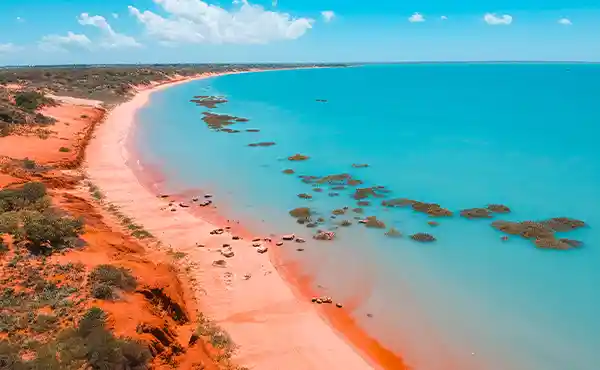
Lying 2,240 kilometres north of Perth, on the traditional lands of the Yawuru in the Kimberley region, the coastal town of Broome is famed for its pearling industry. Home to the Broome Bird Observatory, millions of waders and shorebirds feed here on the intertidal mudflats and roost on the red sand beaches.
Find Out More
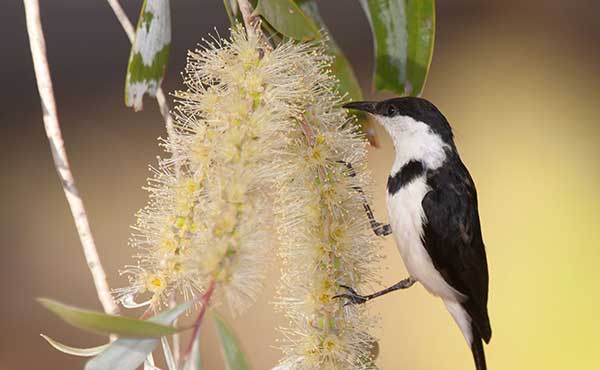
The Kimberley region occupies the far north of Western Australia, lying between the Great Sandy Desert and the Timor Sea/Indian Ocean. Animals found here include huge saltwater crocodiles and a particularly rich variety of birds – such as channel-billed cuckoo, Pacific koel and several endemic species.
Find Out More
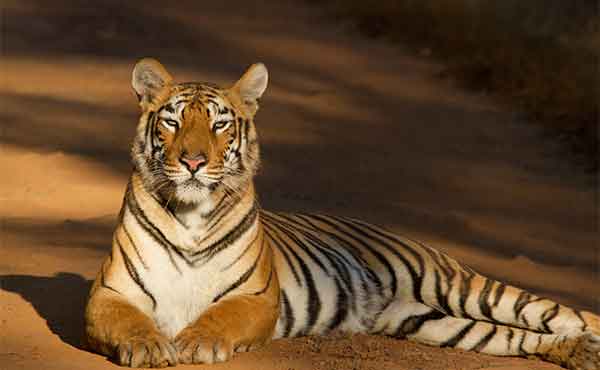
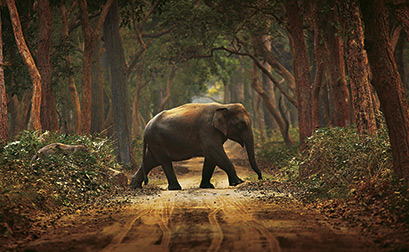
Tadoba Andhari is the largest national park in Maharastra and is becoming increasingly well-known for its tiger sightings, and is one of India’s 50 Project Tiger reserves. The park is bounded by the Chimur, Moharli and Kolsa ranges, and is dominated by teak and bamboo forests.
Find Out More
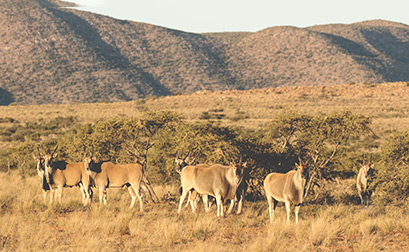
Sharing open borders with its neighbours – Zimbabwe’s Tuli Safari Area and South Africa’s Mapungubwe National Park – Mashatu Game Reserve has incredible biodiversity with huge populations of elephant, eland, lion and giraffe. A number of hides provide excellent photographic opportunities.
Find Out More
The Timbavati is a reserve renowned for its abundant wildlife, spanning an area of over 53,000 hectares of pristine wilderness and sharing a fenceless boundary with the Kruger National Park, allowing wildlife to move freely between the two. Lucky visitors stand a chance of catching a glimpse of rare white lions.
Find Out More
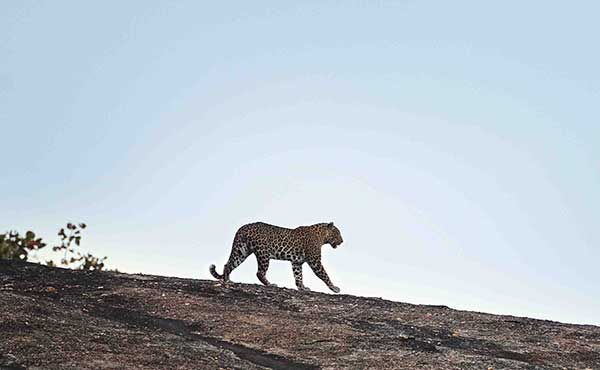
Located in Rajasthan between Udaipur and Jodhpur, Jawai is a unique wilderness where wild grasslands and pastoral fields meet the waters of the Jawai Bandh - the largest water reservoir in western Rajasthan - which attracts an abundance of flamingos, cranes, and the elusive leopard.
Find Out More
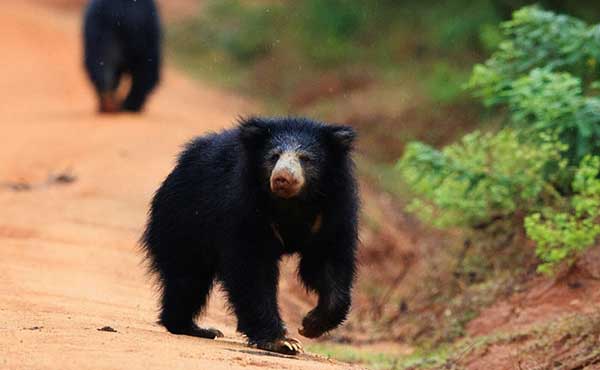
Situated in the northwest of Sri Lanka, Wilpattu National Park was closed for over a decade but is now fully open again and is one of few places on the island to provide an authentic wilderness experience. Wilpattu remains undisturbed and uncrowded making it a superb location for watching wildlife.
Find Out More
Between the foothills of the Himalayas and the floodplains of the Indian subcontinent’s great rivers, Dudhwa is characterised by a mosaic of forest, tall grasslands and swamps. The park is rich in wildlife including Asian elephant, one-horned rhino, sloth bear, leopard, tiger and exceptional birdlife.
Find Out More
Located in the foothills of the Korannaberg, one of the few mountain ranges that run through the Southern Kalahari, Tswalu is a landscape of rolling dunes and expansive grasslands broken sporadically by patches of thicker vegetation. It is also a haven for some of Africa’s rarest mammals.
Find Out More
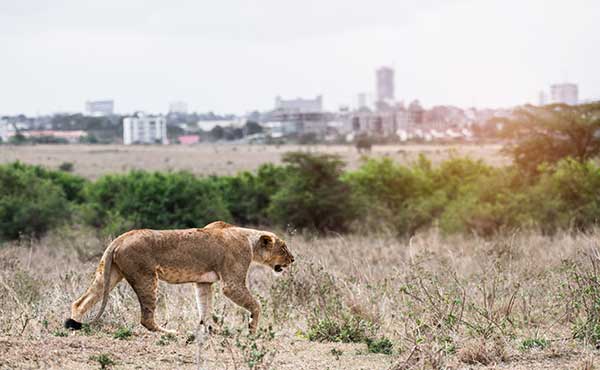
Kenya’s first national park, established in 1946, Nairobi National Park lies at an altitude of 1,500 to 1,760m and covers approximately 117 square kilometres. During the dry season it provides sanctuary for numerous migrating herbivores along with a host of other wildlife, in particular, rhinos.
Find Out More
Ol Kinyei is renowned for having unspoilt and spectacular views over the Mara plains and for being home to a wide variety of wildlife. It’s a great location from which to observe the annual Serengeti wildebeest migration (June to October), as well as wildebeest calving during February and March.
Find Out More
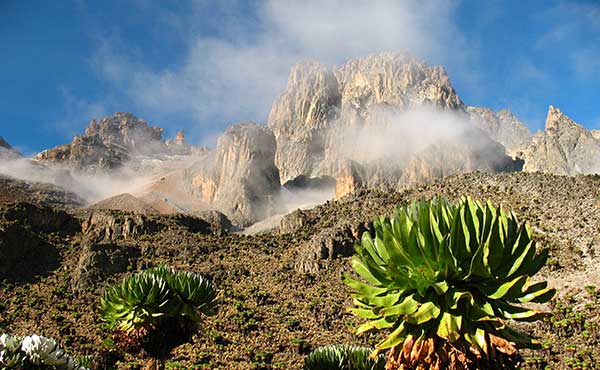
Africa’s second highest mountain and arguably its most beautiful, Mount Kenya’s highest peak reaches 5,199m and is sacred to the Kikuyu people. An ancient extinct volcano, Mount Kenya – and its National Park – are a UNESCO World Heritage Site and UNESCO Biosphere Reserve.
Find Out More
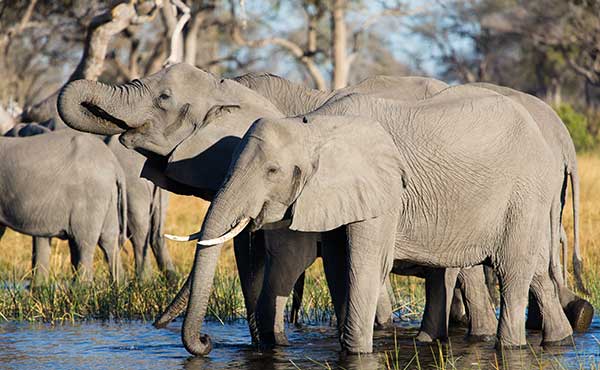
The Khwai Concession sits on the edge of the Moremi Game Reserve which is located in one of the world’s premier wildlife watching locations – the Okavango Delta. Home to a dazzling variety of wildlife, there’s a wealth of habitats to explore in Khwai from lagoons and channels to savannah grassland.
Find Out More