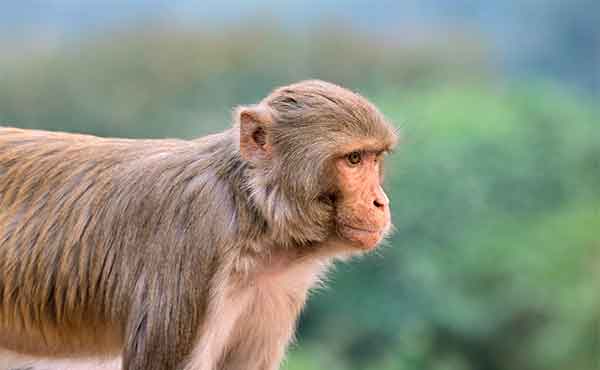
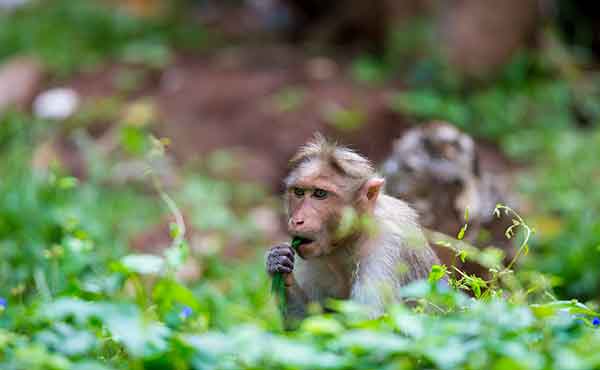
Part of the Pachmarhi Biosphere Reserve, this park is home to rhesus macaque, Indian giant, and flying squirrel which are all endemic to this region, as well as tiger, blackbuck and four-horned antelope. The area is also a real paradise for bird enthusiasts, with numerous raptors residing here.
Find Out More
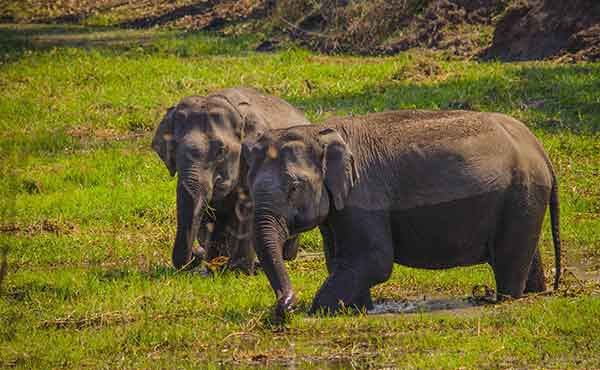
Bandipur National Park is located about 80 kilometres from Mysore and, like many of the other reserves in India, was once a Maharaja’s private hunting area. It is a reasonably large park and protects a number of India’s more interesting species, such as Asian elephant, sloth bear and striped hyena.
Find Out More
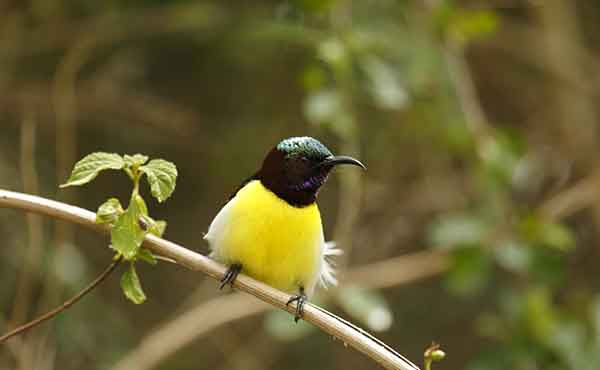
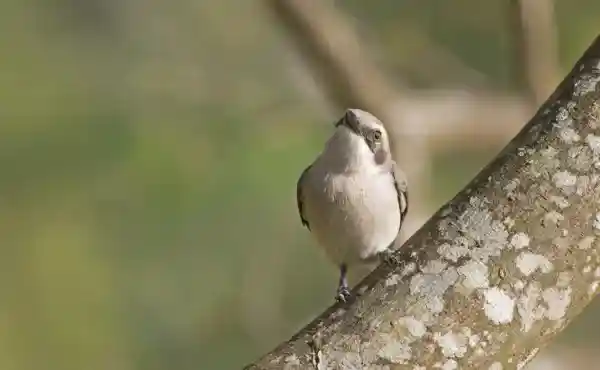
From the colourful white-bellied blue flycatcher to the Malabar parakeet, Kumarakom Bird Sanctuary is a paradise for bird lovers. Located on the banks of Vembanad Lake along the Kavanar River, it is spread over five hectares and provides a temporary home to many migrant birds.
Find Out More
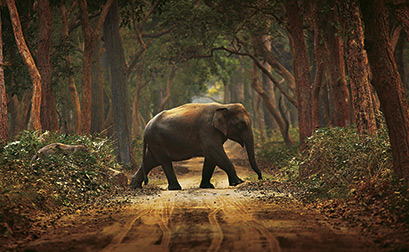
Mudumalai forms part of the Nilgiri Biosphere Reserve, an important conservation area for the wildlife of southern India. Its mixed environment with hills, watercourse swamps and tropical forests makes it an ideal home for a great variety of wildlife, including Asian elephant, leopard, gaur, sloth bear and sambar.
Find Out More
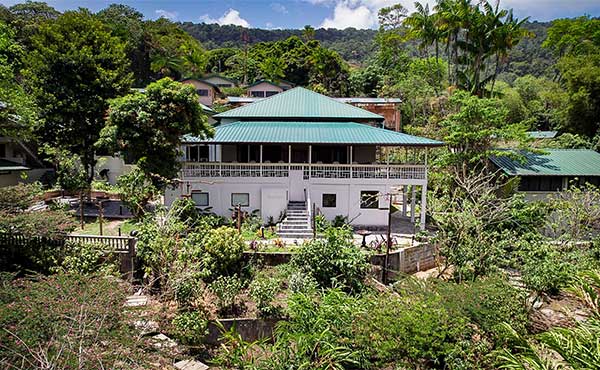
Located at approximately 400 metres altitude in the mountains of the Northern Range, north of the town of Arima, the Asa Wright Nature Centre was established in 1967. It is a world-class birding destination as well as a being a centre for conservation and research into tropical ecology.
Find Out More
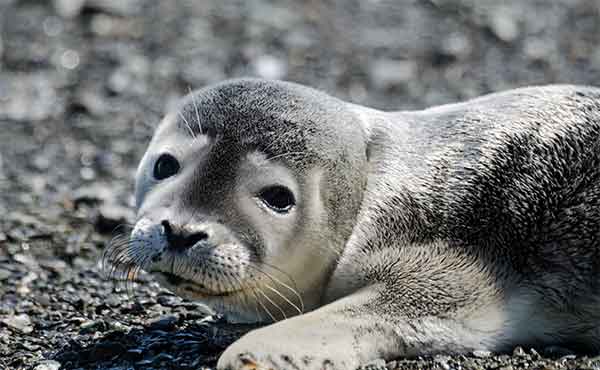
The Parc National du Bic hosts nesting seabirds, as well as owls and grey seals. Half of the park is a coastal marine environment; the terrain is typical of the south shore of the Saint Lawrence, alternating low-flow rivers, salt, rocky hills with a very steep northern slope and a relatively gentle southern.
Find Out More
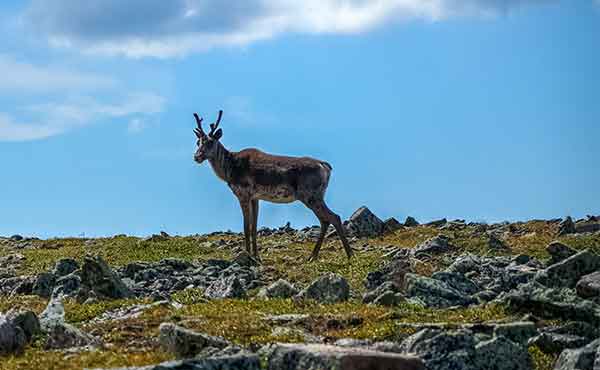
The Parc National de la Gaspésie is home to the highest peaks of the Appalachian Mountains in Québec, the only caribou herd south of the Saint Lawrence, a large moose population, arctic-alpine flora and spectacular scenery on every side! Over 150 species of bird are found in the park.
Find Out More
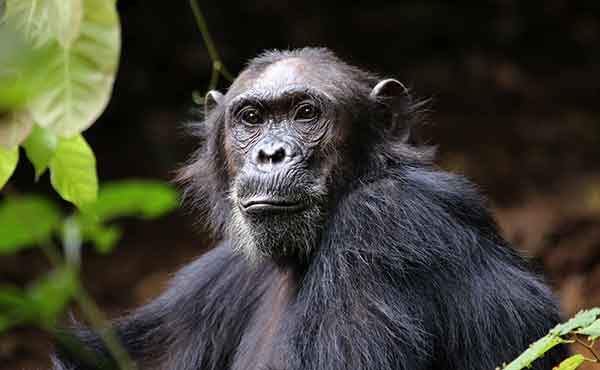
Although small, this park is nevertheless magnificent and was made world famous by British researcher Jane Goodall for her work on its primates. The main attraction is around 100 habituated chimpanzees, and there are also large numbers of olive baboons. In the absence of roads, all wildlife-viewing is done on foot.
Find Out More
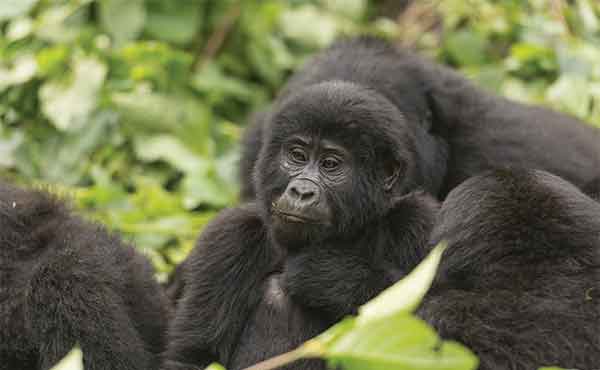
This is Uganda’s smallest and probably most scenic national park, forming part of the larger conservation area of Virunga. Mgahinga is dominated by three extinct volcanoes and primarily supports groups of mountain gorilla, although bird species and other wildlife are also present.
Find Out More
Formed as a not-for-profit organisation, the Mara North Conservancy represents the heart of one of the world's most important wildlife habitats. Its partnership between 11 camps and over 800 Masai landowners aims to create a world-class conservancy and exclusive safari experience in the Masai Mara ecosystem.
Find Out More
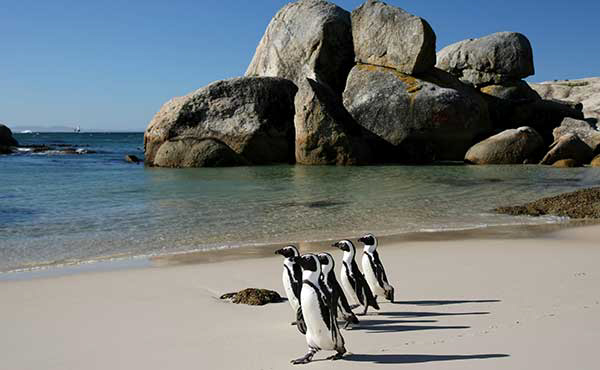
The vast Table Mountain National Park, a UNESCO Cape Floral Region World Heritage Site, stretches from north of Cape Town down the Cape Peninsula to Africa’s south-western extremity, the Cape of Good Hope. It is home to Silvermine Nature Reserve, Boulders beach penguin colony and Table Mountain.
Find Out More
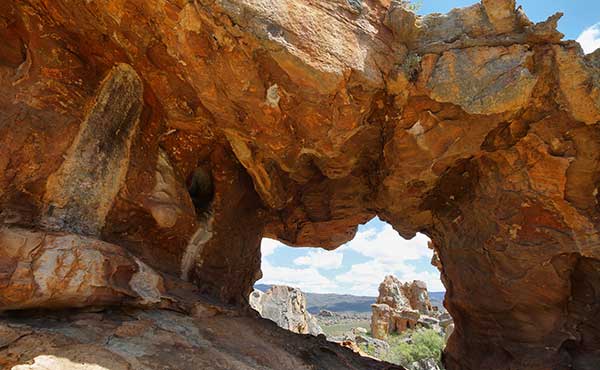
Covering 700 square kilometres, the Cederberg Wilderness Area is a haven for flowers, birds and other wildlife. The mountains and areas of San rock art are home to unique fynbos such as the endemic snow protea or rooibos, while mammal species include leopard, aardvark and the vulnerable Cape mountain zebra.
Find Out More
Between the foothills of the Himalayas and the floodplains of the Indian subcontinent’s great rivers, Dudhwa is characterised by a mosaic of forest, tall grasslands and swamps. The park is rich in wildlife including Asian elephant, one-horned rhino, sloth bear, leopard, tiger and exceptional birdlife.
Find Out More
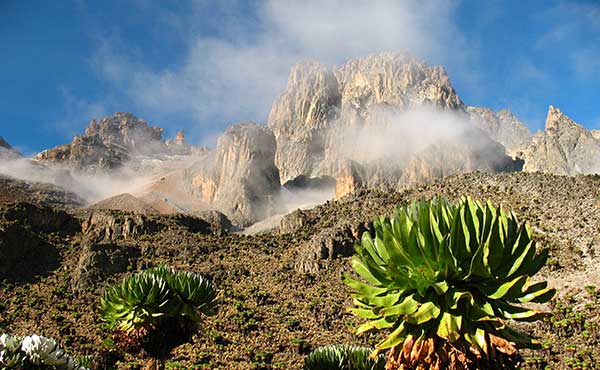
Africa’s second highest mountain and arguably its most beautiful, Mount Kenya’s highest peak reaches 5,199m and is sacred to the Kikuyu people. An ancient extinct volcano, Mount Kenya – and its National Park – are a UNESCO World Heritage Site and UNESCO Biosphere Reserve.
Find Out More
A colourful and remote rural town at the foot of the forested Serranía de La Macarena National Park in Colombia. The friendly town acts as a gateway to many wild regions, including some breathtaking forests and canyons, rich in birdlife including harpy eagle and Guianan cock-of-the-rock.
Find Out More
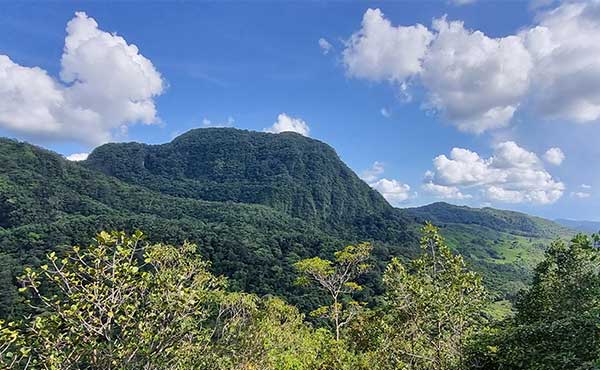
Set within Sri Lanka’s intermediate zone between wet and dry climates, Gal Oya National Park is one of the least visited in the country. Home to a large population of Asian elephant, here they're best observed on boat trips, where they can be seen swimming between islands across a vast reservoir.
Find Out More
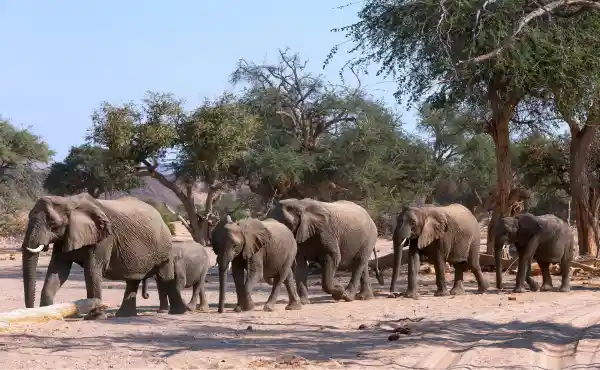
Kaokoland in north-western Namibia is one of the most wild and remote areas in the country, consisting of rolling dunes, jagged mountains, semi-nomadic Himba settlements and vast desert plains intersected by ancient, dry riverbeds. A plethora of desert-adapted wildlife survive in this harsh wilderness.
Find Out More
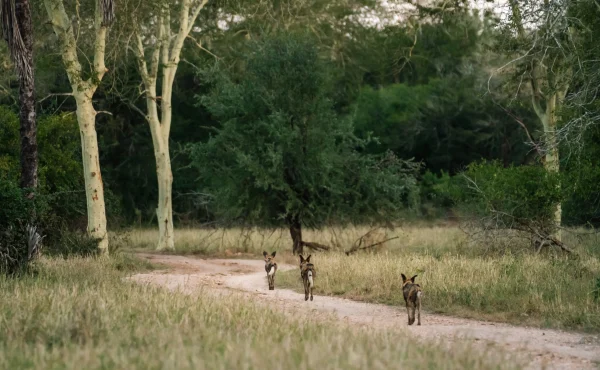
Believed to have higher biodiversity than any other national park in Africa, Gorongosa is Mozambique’s premier wildlife destination. Almost destroyed by the country’s civil war, Gorongosa was saved by a remarkable community conservation project, which has revived the park to its former standing.
Find Out More