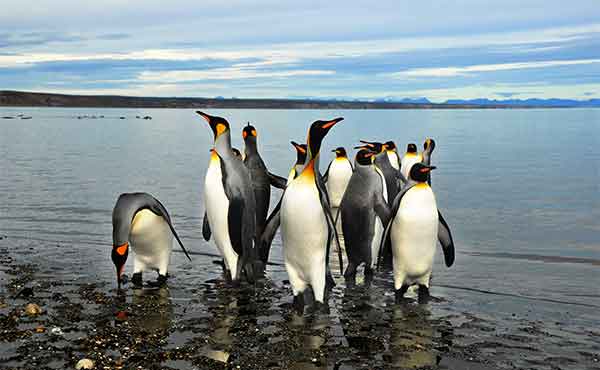
The Chilean portion of Patagonia is called Magellanes after its Portuguese explorer. On the Pacific side glacial action has excavated a complex coastline of fjords and islands. Between the mainland and Tierra del Fuego, the Strait of Magellan has Chile’s first and only marine reserve, Francisco Coloane Marine Park.
Find Out More
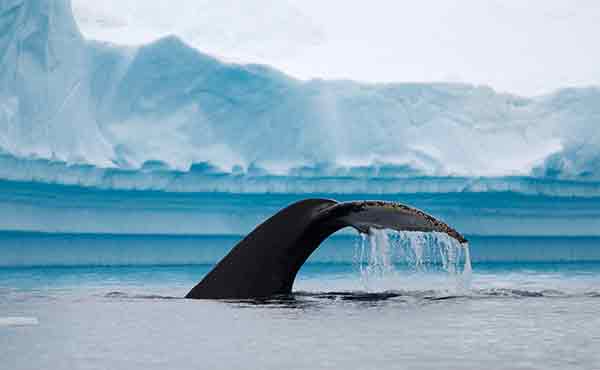
The Lemaire Channel is an 11 kilometre strait off Antarctica leading to a jigsaw of jewel like islands. Filled with icebergs and hemmed in by steep glacial cliffs, the waters are calm and passing through it makes for an unforgettably scenic journey, upon which orca or humpback whales may be seen.
Find Out More
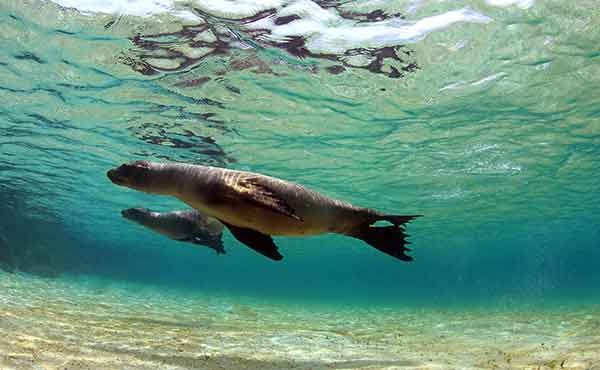
The volcanic slopes of the largest island in the archipelago are home to some 6,000 Galapagos tortoises. On the west coast the cold water currents produces an abundance of marine life and it is possible to snorkel with sealions. An uplifted coral reef provides brackish lagoons which are home to a variety of seabirds.
Find Out More
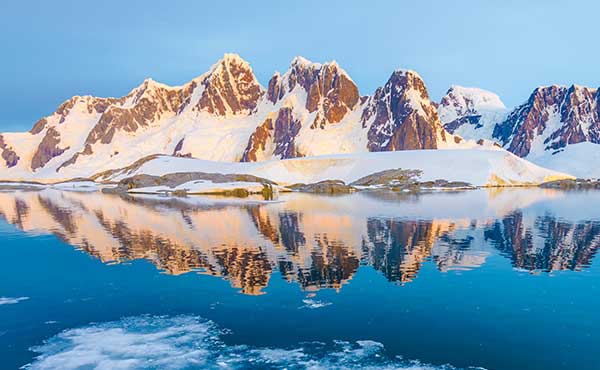
The Antarctic Peninsula is the most accessible part of the great white continent with some of its best wildlife and scenery. Ice-choked waterways, sculpted icebergs, imposing glaciers and rugged mountains provide the backdrop to an area with more whales and dolphins than anywhere else on earth.
Find Out More
Named after the first Governor of New South Wales, Arthur Phillip, the island’s southern and western coasts are an Important Bird Area, with significant populations of little penguins, short-tailed shearwaters and Pacific gulls. At the western end of the island, Seal Rocks is home to Australia’s largest colony of fur seals.
Find Out More
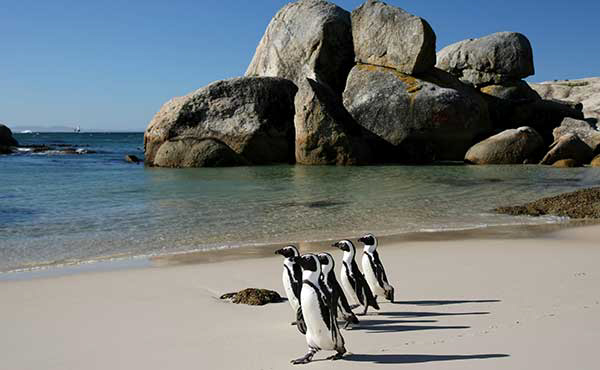
The vast Table Mountain National Park, a UNESCO Cape Floral Region World Heritage Site, stretches from north of Cape Town down the Cape Peninsula to Africa’s south-western extremity, the Cape of Good Hope. It is home to Silvermine Nature Reserve, Boulders beach penguin colony and Table Mountain.
Find Out More
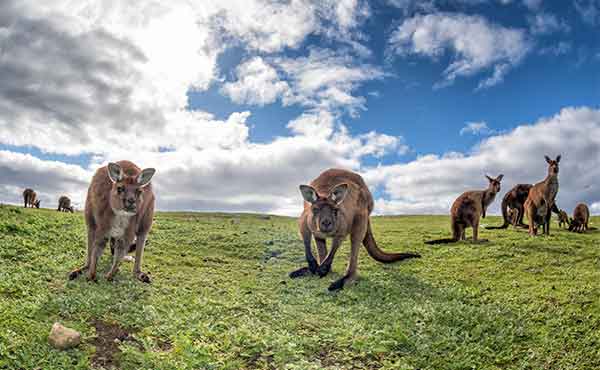
Surrounded by the Southern Ocean, Kangaroo Island is a haven for Australia’s endemic wildlife – more than 60 percent of the island comprises national parks and reserves. Here is nature at its best; amongst sheltered beaches, rugged cliffs and bushland, kangaroo, koala, birds and sealions abound.
Find Out More
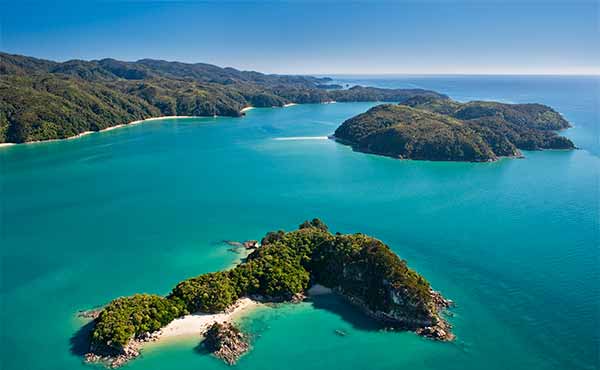
Located at the north end of the South Island is Abel Tasman National Park. Despite being New Zealand’s smallest national park, Abel Tasman offers turquoise seas, golden beaches framed by rocky headlands where fur seals can be found, and rich green native forests filled with native birdlife.
Find Out More
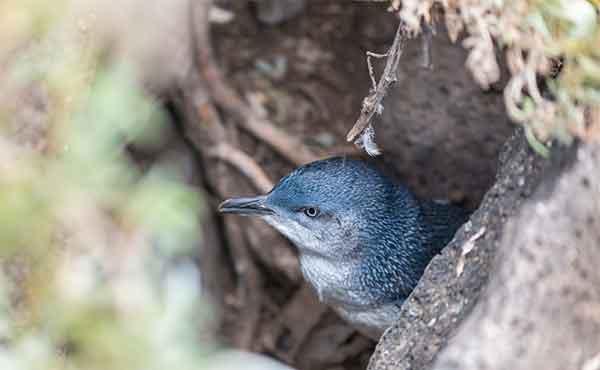
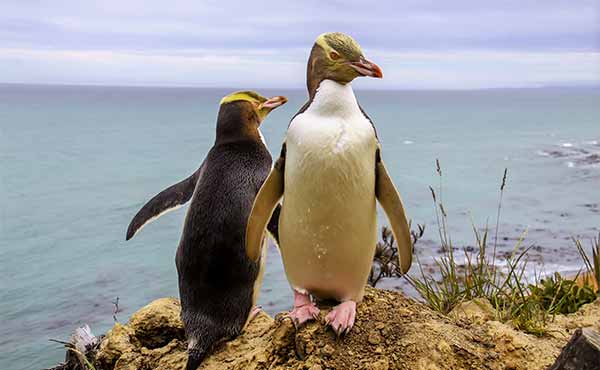
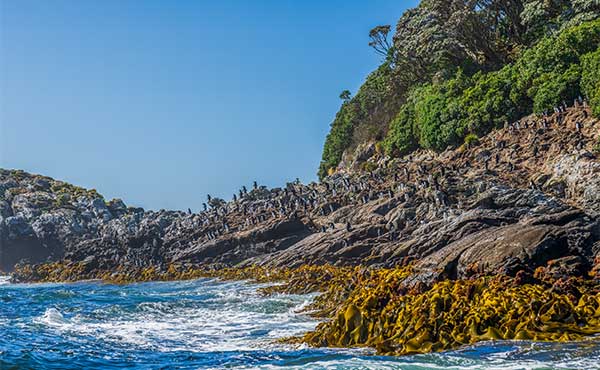
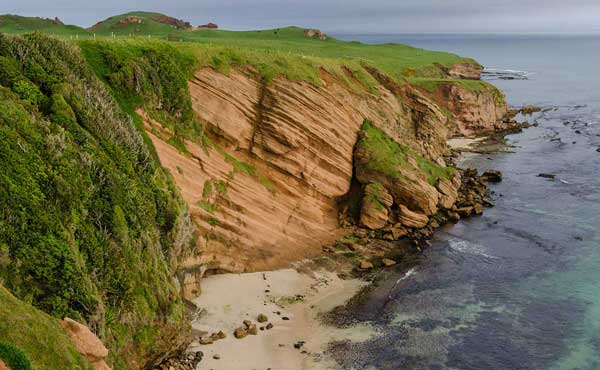
With a 20-kilometre long harbour situated on the east coast of the South Island, the Otago Peninsula is a spectacular spot for marine wildlife. The New Zealand sealion – one of the rarest sealion species – as well as the royal albatross, yellow-eyed penguin and blue penguin can be seen here.
Find Out More
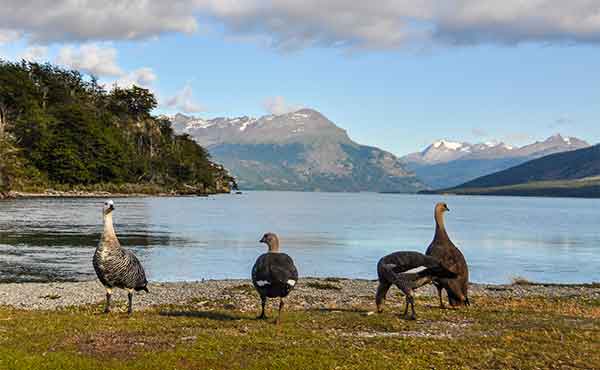
Ushuaia, capital of Tierra del Fuego, Antarctica and the South Atlantic Islands, lies far south of Buenos Aires in a dramatic position overlooking the Beagle Channel. The world’s most southerly city is surrounded by the wilderness and lakes of Tierra del Fuego, a perfect location for activities and wildlife watching.
Find Out More
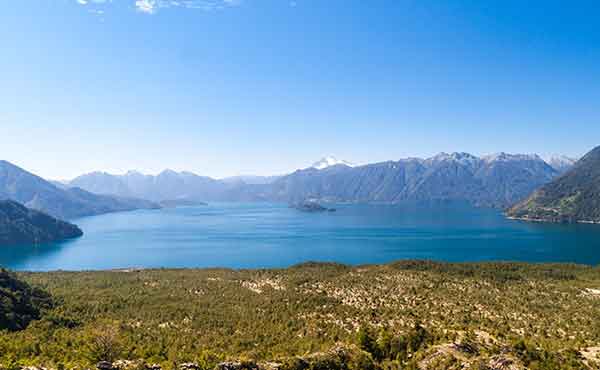
Four adjacent national parks, Vicente Perez Rosales and Puyehue in Chile, plus Nahuel Huapi and Lanin in Argentina, protect this southern region. With snowcapped volcanoes, rushing rivers, tumbling waterfalls, placid lakes and dense forests, it is a place of immense natural beauty.
Find Out More
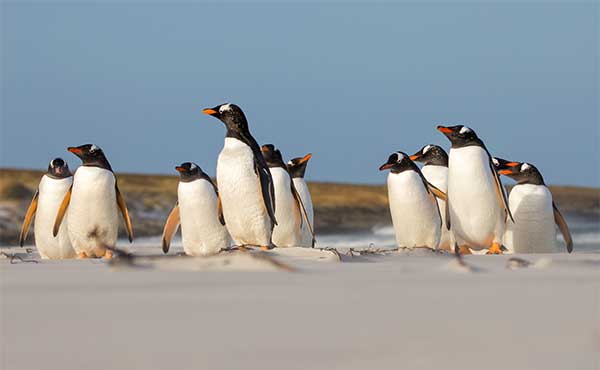
A unique sub-Antarctic archipelago consisting of nearly 800 islands, the Falklands are home to an exceptional array of wildlife onshore including southern elephant seals, fur seals and sealions as well five species of penguin. Offshore, you can expect to see Commerson’s and Peale’s dolphins and several whale species.
Find Out More
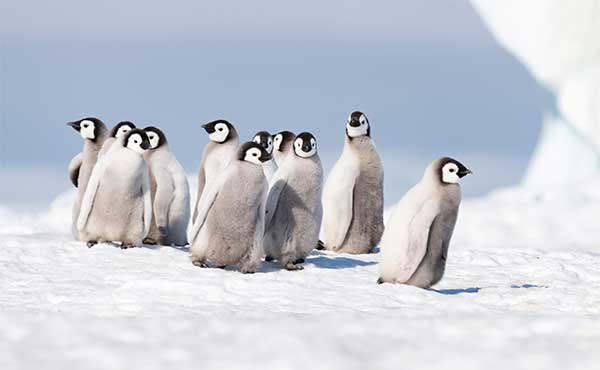
If you long to visit Antarctica to see emperor penguins, the largest of the penguin species, then Snow Hill Island is one of the best locations to view these fascinating sea birds. This snow-capped island is home to a colony of around 4,000 pairs of breeding emperor penguins and their offspring.
Find Out More
Lying like stepping stones to the Antarctic continent are the little-known Subantarctic Islands. They're home to some of the most abundant and unique wildlife on Earth, and are renowned for the diversity and large number of penguins and seabirds. They're all National Nature Reserves.
Find Out More
Located in the South Pacific, over 800 kilometres east of New Zealand, lies the Chatham Islands. This archipelago consists of about 10 islands and of all the Antipodean Islands south of Australia and New Zealand, the Chatham Islands are the only island group to have permanent human settlement.
Find Out More
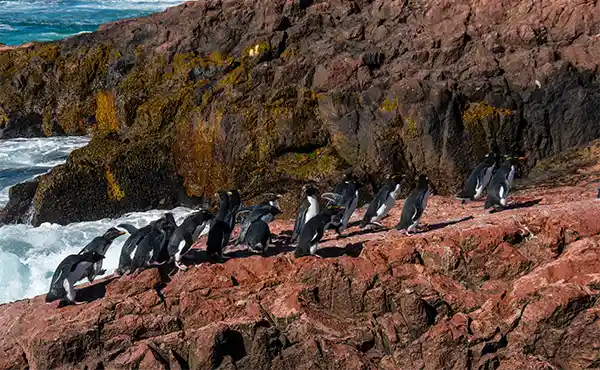
Where the remote Deseado River meets the mighty Atlantic, Commerson's dolphins and South American sea lions thrive, seabirds are plentiful, and the rocky shoreline is dotted with striking red-legged cormorants. Offshore lies Penguin Island, a breeding ground for rockhopper and Magellanic penguins.
Find Out More
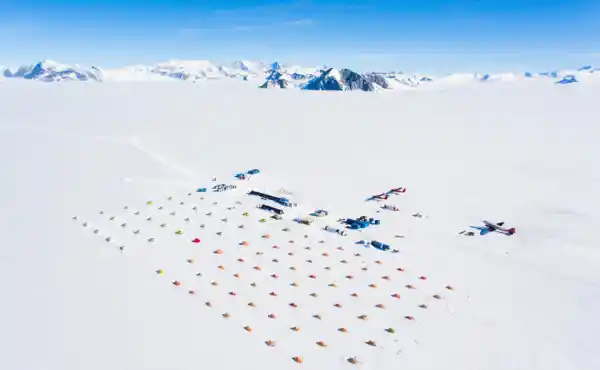
In the heart of the Ellsworth Mountains is Union Glacier, a breathtaking hub for polar exploration. This remote wilderness, with its vast icefields and 24-hour daylight, serves as a gateway to scientific research and adventure, offering a rare glimpse into the untouched beauty of The Great White Continent.
Find Out More
Gould Bay, on the edge of the Weddell Sea, is a remote Antarctic wilderness where emperor penguins breed on the sea ice. This untouched expanse offers a rare glimpse into one of nature’s most extreme and captivating ecosystems, where harsh conditions and incredible wildlife define the landscape.
Find Out More