Enjoy southern Poland’s fascinating Lepidoptera in the company of a knowledgeable local naturalist, exploring the surrounding hills, forests and meadows by day and setting up simple moth-traps at night.
We begin in the ‘Jurassic Hills’ in search of violet copper, and some exciting ‘blues’, before heading to Ponidzie, home to Chapman’s and eastern baton blues, as well as birds such as Ortolan bunting. Next we spend two nights in the Pieniny Mountains, where we’ll look for Apollo and Berger's clouded yellow, and look for the acid-loving plants, butterflies and dragonflies of the Orawa peat-bogs. We end in the Tatra Mountains where Shepherd’s fritillary, mountain green-veined white and dewy ringlet are found, plus chamois and brown bear.
Typical Itinerary
-
Day 1:
Fly to Krakow
We fly from the UK to Krakow and, on arrival, we're met by our tour leader and transferred to the hotel for our first two nights in Southern Poland.
Accommodation: Hotel Azalia, 2-nights
-
Day 2:
Krakow & Jurassic Hills
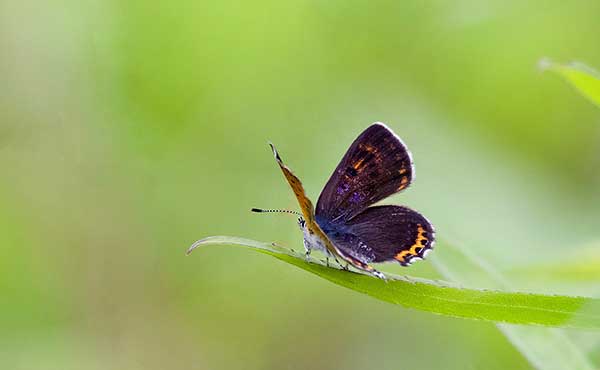
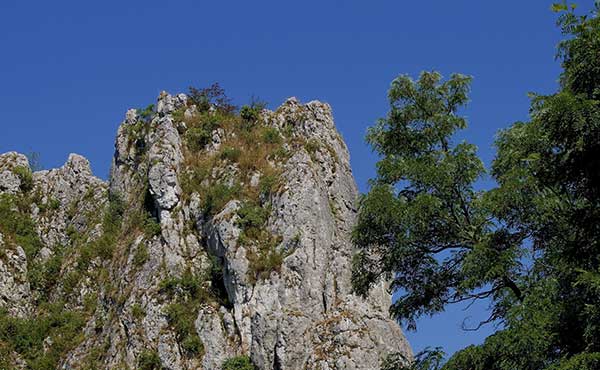
Today, we explore the meadows near Krakow, dotted with an array of wildflowers, as we look for our first butterflies of the trip. We focus our attention on the beautiful great burnets, as these often attract violet copper, scarce large blue and dusky large blue, and on marsh gentians, which attract the stunning Alcon blue. Wetake another short drive to an area of limestone rocks on the outskirts of Kraków. During our time in the dry meadows, we learn how to differentiate between many species, and can also enjoy an abundance of spectacular wildflowers. Species we may encounter here include eastern baton blue, Reverdin's blue and chalkhill blue.
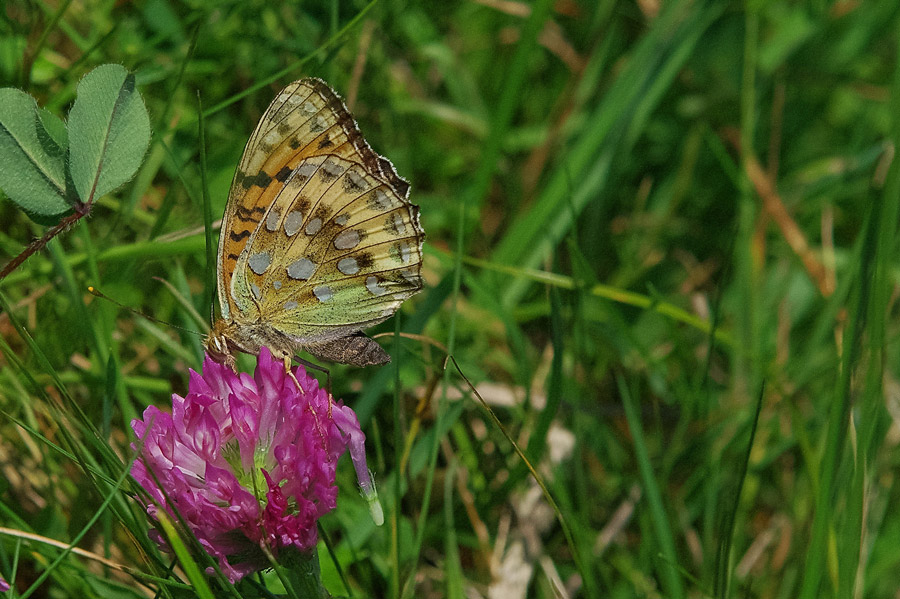
Later, we visit an agricultural area, consisting of dry meadows and shrubs, which is a paradise for the Lycaenidae or blue family. Here we may see large, chalkhill, little, short-tailed and common blues. Other possible highlights from the same family include brown and geranium argus, ilex hairstreak, blue-spot hairstreak, large, sooty, scarce and small coppers. Fritillaries are diverse and common here, too. Small pearl-bordered, Queen of Spain, Weaver’s, Niobe, heath and spotted fritillaries are among the species sometimes seen.
-
Days 3-4
:
Ponidzie
Following breakfast, we drive to the Ponidzie region of southern Poland, famed for its gypsum hills and remnant steppe vegetation. We make a stop en route in an area of chalk hills with interesting geological structures and steppe species.
The butterflies found here are very diverse and include Ripart’s anomalous blue, which only occurs in a handful of locations in Poland. Many other butterflies in the blue family are also found, including Chapman’s, chalkhill, Meleager’s, short-tailed and eastern baton blues. This is also the best place on the tour to spot Lulworth skipper.
This area is known for its abundance of pale clouded yellows and, if we are lucky, we may also see two migrants – clouded, and eastern pale clouded yellow.
Accommodation: Hotel Nad Stara Nida, 2-nights
-
Days 5-6
:
Pieniny Mountains
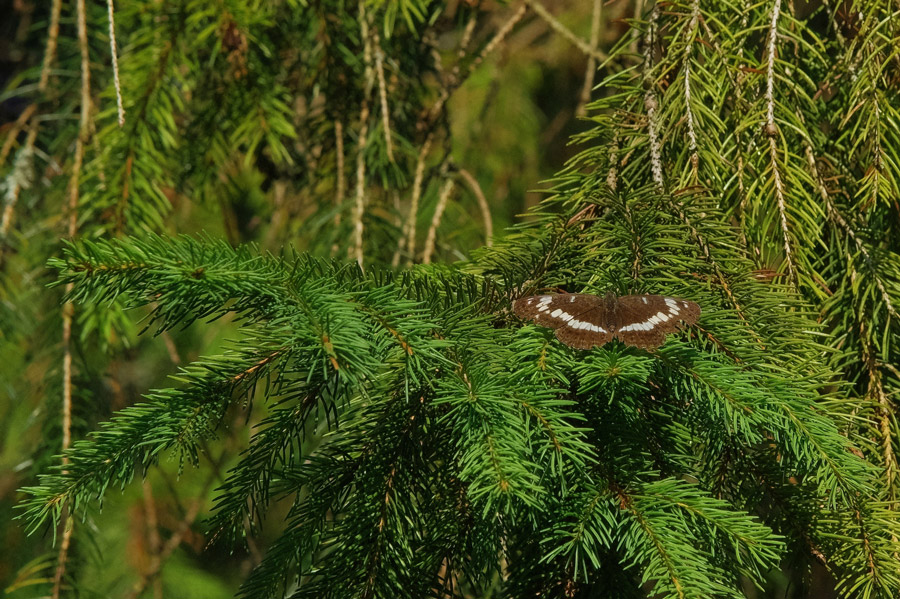
We spend half a day in a wetland area to look for the beautiful Pallas’s fritillary, as well as dryad, purple and lesser purple emperors, Camberwell beauty, yellow-legged and large tortoiseshells.
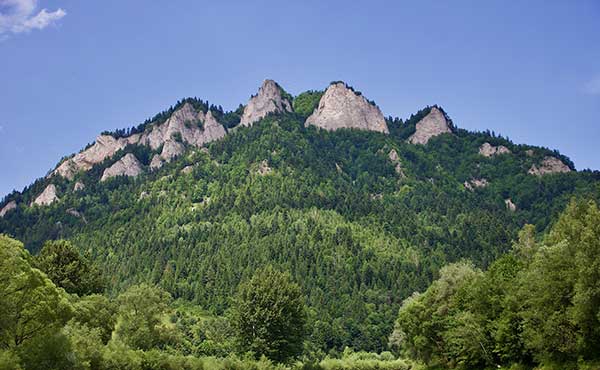
We also visit a charming area consisting of mixed forest, rivers and streams, which is set against a backdrop of the spectacular Pieniny Mountains. This region is botanically rich and the diverse habitat gives rise to a colourful range of butterflies and orchids.
The Pieniny Mountains also offer incredible birdwatching opportunities, and we will keep an eye out for lesser-spotted eagle and black stork overhead.
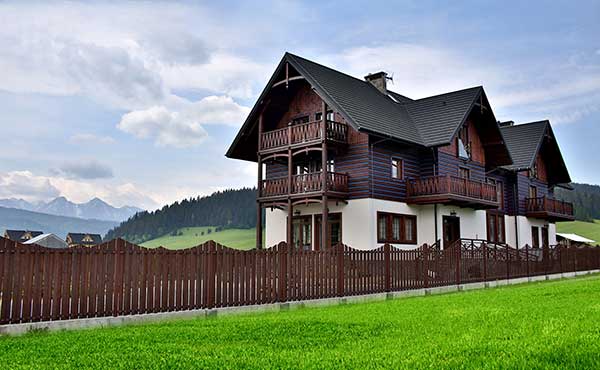
Accommodation: Pensjonat Spiski, 4-nights
-
Day 7:
Orawa Peat-Bogs
After breakfast, we take a short drive to Orawa peat-bogs where we can enjoy impressive views of the dramatic peaks of the Tatra Mountains. We enjoy a walk through the beautiful butterfly-rich habitat where we may see cranberry fritillary, large heath, arran brown and moorland clouded yellow. All of these species occur here, thriving on plants such as northern bilberry, cranberry, bog rosemary, marsh tea, cotton grass, common butterwort and sundew – many of them food for caterpillars and butterflies.
After lunch, we go in search of any species we might have previously missed. Beside the butterflies, highlights may include fire salamander and a variety of dragonflies such as alpine emerald, sombre goldenring, white-tailed skimmer, blue eyed hawker and lesser emperor.
-
Day 8:
Tatra Mountains
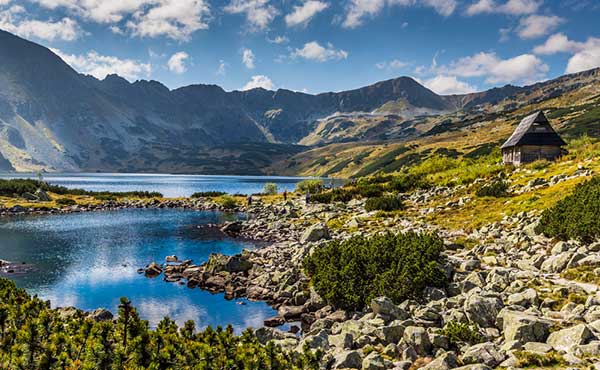
This morning we take a 30-minute drive to Tatra Mountains National Park – a UNESCO Biosphere Reserve, which forms a natural border between Slovakia and Poland. The Tatra Mountain range is the highest in the Carpathians, and is home to an extraordinary diversity of life, including 43 mammal species, 200 birds and three endemic arthropod species.
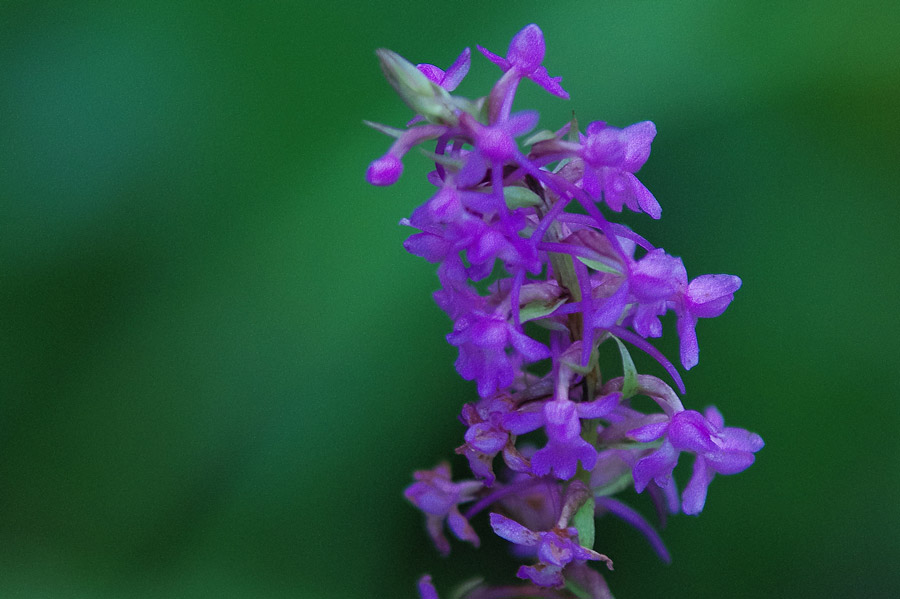
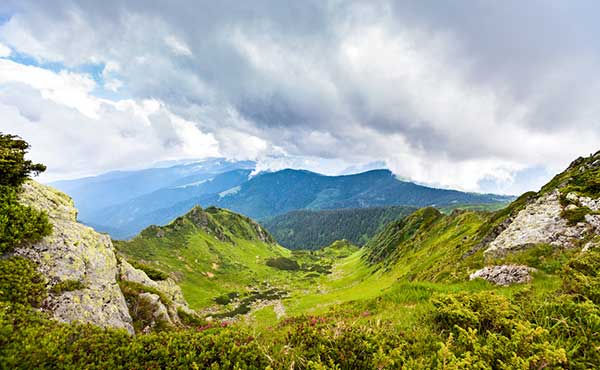
To explore the scenic Alpine landscape, we take a cable-car to a mountain top (in the hope of walking down). We look for high-altitude butterflies that should be emerging at this time, including Shepherd’s fritillary, mountain green-veined white and numerous ringlets. We will be visiting the Tatras at the end of the peak season for wildflowers but we can still hope to see Carpathian snowbell, edelweiss, mountain avens, alpine butterwort and alpine aster, as well as orchids such as lesser twayblade, creeping lady’s tresses, dwarf alpine, short-spurred and frog orchids.
If we are lucky, we may also see some of the area’s mammals, including Tatra chamois, marmot and – if we have great luck – brown bear. Birds we might encounter here include alpine accentor, water pipit, dipper, grey wagtail, golden eagle and peregrine.
-
Day 9:
Return to Krakow; fly to the UK
We drive back to Krakow today and, depending on the time of our flight, we may have time for a short stop in the city before our return flight to London.