Join award-winning wildlife photographer Kevin Morgans on this 12-night photography voyage, visiting some of the most wildlife-rich islands of the Galapagos archipelago.
Embark on an unforgettable photographic journey through the Galapagos Islands, exploring the very best wildlife and landscapes that this remarkable archipelago has to offer. Aboard the 16-berth vessel Beluga, we travel in comfort between islands, waking each morning to new destinations. Visiting wildlife-rich coastlines and dramatic volcanic shores, every day presents new subjects and inspiring encounters.
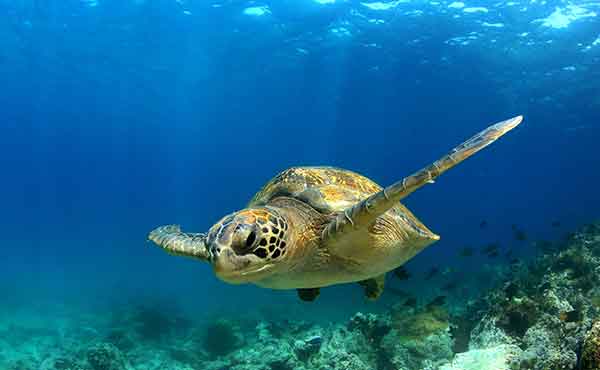
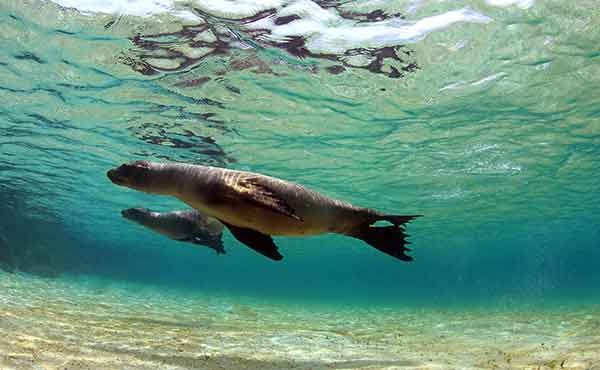
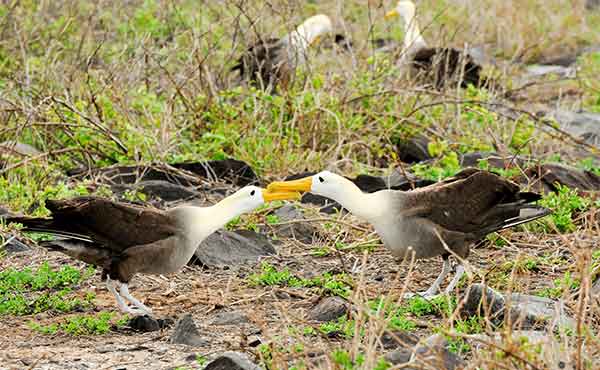
As we explore, we seek out the Galapagos Islands’ most iconic residents, including blue-footed boobies and endemic species such as flightless cormorant, marine and land iguanas, giant tortoises and Galapagos penguins. We also witness one of the archipelago’s greatest wildlife spectacles as thousands of waved albatross nest on Española — this is sure to offer some exceptional opportunities for photography. Along the way, we also enjoy exceptional snorkelling experiences, sharing the water with sharks, playful Galapagos sea lions and graceful green turtles, among a host of other marine life.
Throughout the tour, our aim is to create a diverse portfolio that captures the extraordinary biodiversity of the Galapagos. Whether photographing intimate portraits, fascinating behaviour or wildlife within its natural environment, there is no shortage of inspiration. Combining extraordinary wildlife, breathtaking scenery and unrivalled photographic opportunities, this promises to be a truly exceptional and rewarding photographic adventure.
Typical Itinerary
-
Day 1:
Fly to Quito
We fly to Quito today, departing from the UK in the morning. After arriving, we are met and driven to our accommodation in the old town of Ecuador's capital city. For the rest of today, we can rest after our journey, or head out to explore the city.
Accommodation: Hotel Patio Andaluz, 1-night
-
Day 2:
Fly to Galapagos Islands & Board Beluga
This morning, we catch a flight to San Cristóbal in the Galapagos Islands. After enjoying lunch, we head into the highlands of the island and visit El Junco Lagoon, an extremely scenic location thanks to its position in a collapsed volcanic crater. The lagoon is an excellent habitat for birds, and we hope to encounter the San Cristobal mockingbird and white-cheeked pintail.
After exploring El Junco Lagoon, we head to the port to board our vessel, the Beluga, our home as we explore the incredible Galapagos Islands.
Accommodation: Beluga, 12-nights
-
Day 3:
Gardner Bay & Punta Suarez, Española Island
Today, our exploration of the Galapagos truly begins, as we wake up in Gardner Bay on the north-east of Española Island — we make a wet landing to get ashore. Here, we enjoy time exploring the white sand beaches and observing sea lions resting on the shoreline; as we do, we should be able to hear the Española mockingbird, and hopefully we may get a chance to photograph this famous bird. We also have the opportunity to snorkel — the waters surrounding this bay are home to vibrant reef fish including moorish idol, parrotfish and surgeonfish, plus we may also find white-tipped reef shark and manta ray if we’re lucky.
Later in the afternoon, we visit Punta Suarez on Española, home to a colony of waved albatross that nest here between April and September. With these wonderful birds and plenty of other wildlife to see, such as Galapagos hawk, lava lizard, Nazca booby, red-billed tropicbird and Galapagos racer snake, we should get some stunning photographic opportunities.
Expert photographer Kevin Morgans is on hand to help us maximise the photographic potential of any wildlife we see, offering advice and assistance.
-
Day 4:
Floreana
We begin today with a wet landing at Punta Cormorant, to walk beside its brackish lagoons. Here we can find Caribbean flamingos, which are sure to be stunning subjects for photography. We also hope to encounter white-cheeked pintails and Galapagos flycatchers, and a snorkel at nearby Devil’s Crown should allow us to observe a dazzling array of reef fish, and hopefully, sea lion and eagle ray as well.
Later in the afternoon, a stop at Post Office Bay offers a chance to learn about the human history of the Galapagos Islands.
-
Day 5:
Dragon Hill, Santa Cruz & Sullivan Bay, Santiago Island
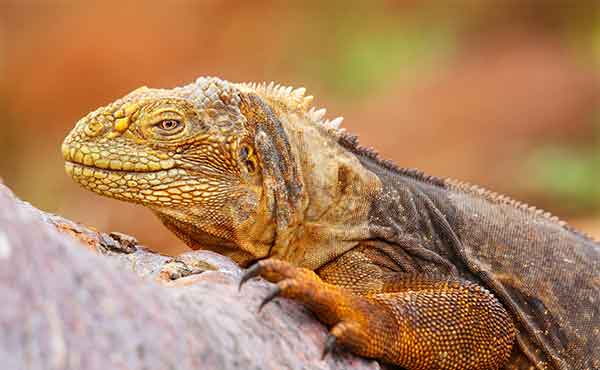
This morning, we wake at Dragon Hill on Santa Cruz Island, which is an excellent location to find and photograph the iconic land iguanas, capturing both portraits and shots of these reptiles in the volcanic landscape. As we explore Dragon Hill, we also hope to find an array of wonderful birds, including flamingos, yellow warbler, Galapagos doves and, hopefully, several species of Darwin’s finch.
In the afternoon, we land at Sullivan Bay on Santiago Island. With mesmeric lava flows and unique geology, we spend time capturing unique photos of this impressive island and its pioneer flora and fauna species. We also have a chance to snorkel from the beach here, and we hope to be joined by playful sea lions, as well as more spectacular reef fish.
-
Day 6:
Darwin Bay & Prince Phillip's Steps, Genovesa
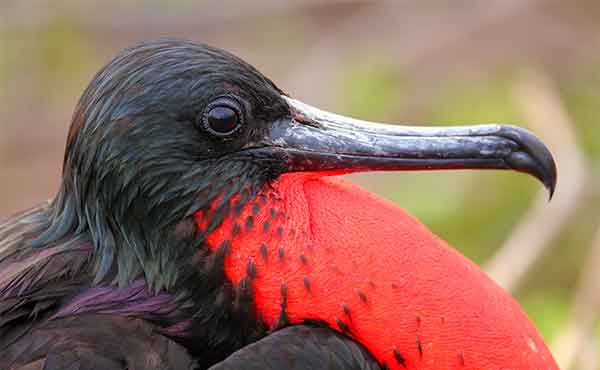
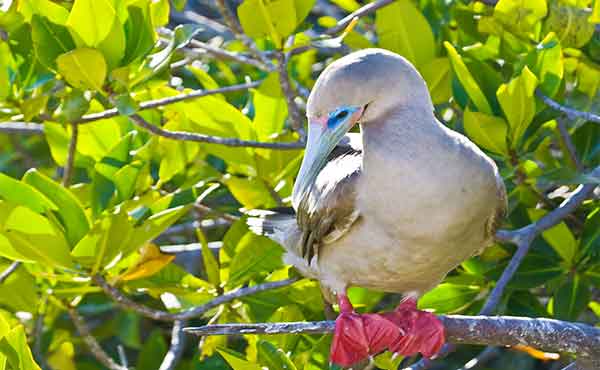
After sailing through the night, we reach Darwin Bay this morning, where we make a wet landing. Here, we enjoy a walk along a trail from the sandy beach, through saltbush towards a tidal lagoon. Though short, this walk is incredible for photography as close-up encounters with wildlife are common. We spend time photographing both blue-footed and red-footed boobies, great frigatebirds, marine iguana and a variety of finches, among many other species.
In the afternoon, we enjoy a panga ride before making a dry landing at Prince Phillip's Steps on Genovesa, one of the most famous locations in the Galapagos. We make the walk up to the top of the island. This location is a real spectacle, home to 200,000 red-footed boobies, while red-billed tropicbird, warbler finch, large ground finch, lava heron and Nazca boobies join the mix. We can expect to capture some memorable photos of these stunning birds, and thanks to their obliging nature, we can capture a variety of portraits with close-up subjects, as well as behaviour and environmental shots.
-
Day 7:
Black Turtle Cove & Charles Darwin Research Centre, Santa Cruz
After sailing through the night, we begin today by exploring Black Turtle Cove on Santa Cruz Island. A panga ride takes us through lush mangrove forest, an excellent habitat to find sea turtles as well as white-tipped reef sharks and rays swimming beneath our boat. This excursion offers a great chance of fantastic underwater camera photos in the crystal-clear water.
In the afternoon, we visit the highlands of Santa Cruz to explore the lush landscape and to photograph the iconic giant tortoises. We then continue to the Charles Darwin Research Centre, where we spend further time with giant tortoises and land iguana, enjoying up-close photography, offering unique angles for portrait shots.
-
Day 8:
Chinese Hat & Sail to Rábida
Today, we land at Chinese Hat, a small islet off the south-east coast of Santiago Island, where we can explore at a relaxed pace. Along with the impressive volcanic landscape, we should get opportunities to photograph marine iguanas and sea lions, as well as smaller subjects such as lava lizards and Sally Lightfoot crabs, which offer a beautiful contrast against the dark volcanic rocks. If we’re lucky, we may also encounter endearing Galapagos penguins.
Afterwards, we continue sailing to the island of Rábida and onto Isabela.
-
Day 9:
Isabela
This morning, we visit the caldera of Sierra Negra on Isabela. The landscape here is sure to impress, with lava flows and parasitic volcanic cone formations. Cloud cover permitting, the views are superb, though we do hope to walk down into the crater itself, which is less likely to be shrouded in fog. This should offer some extraordinary landscape photography, with the spectacular volcanic terrain sure to make for dramatic photos.
Later in the afternoon, we explore Puerto Villamil and the surrounding area. The town’s position on a white sand beach with mangroves nearby is home to varied wildlife, and we hope to encounter marine iguanas, blue-footed boobies and other shorebirds here. Once again, due to the wildlife here being well habituated, we can expect some intimate photographic opportunities, with excellent chances of capturing the behaviour and interactions of charismatic blue-footed boobies.
-
Day 10:
Continue to Explore Isabela
We begin today with a panga ride in Elizabeth Bay on Isabela. We drift past rocky islets that are home to marine iguanas and a colony of Galapagos penguins — this is among the best places to photograph these charming and photogenic penguins. We then continue on to mangrove forests that cover the shoreline, where we hope to find mesmerising marine life drifting through the water below us, including spotted eagle ray, white-tip reef shark, golden ray and green turtle.
In the afternoon, we land on Punta Moreno, a rugged volcanic landscape with a surprisingly impressive diversity of life. As we explore, we hope for opportunities to photograph the island’s flightless cormorants, along with Caribbean flamingo, great blue heron, and white-cheeked pintail, among many others.
-
Day 11:
Urbina Bay & Tagus Cove, Isabela
To start today, we visit Urbina Bay, where we enjoy a guided walk along its shoreline. This bay is renowned for its land iguana population, and we also have the possibility of encountering wild giant tortoises, blue-footed boobies, flightless cormorants and Galapagos brown pelicans. As always, Kevin is on hand throughout, helping you to get the very best out of any photographic opportunities afforded to us.
In the afternoon, we land at Tagus Cove for a walk uphill to the saltwater lake at Darwin's Crater, which offers panoramic views of the surrounding landscape.
-
Day 12:
Fernandina & Punta Vicente Roca, Isabela
This morning, we land at Punta Espinoza on the famous island of Fernandina, home to a huge population of marine iguana. This is one of the very best landings of the trip, and the iconic location offers some of our best photography opportunities. Here we can spend time admiring these incredible creatures and capturing some stunning photographs.
As we explore the island, we also hope to get some rewarding photographic opportunities of flightless cormorant, Galapagos hawk, Galapagos penguin and Galapagos racer snake.
Later in the afternoon, we enjoy a panga ride along the coast of Punta Vicente Roca on the island of Isabela. Here, we hope to find Nazca boobies, blue-footed boobies and flightless cormorants, and there is also a chance to snorkel with sea lions, green turtles and marine iguanas.
-
Day 13:
Santiago & Bartolome Island
After sailing through the night, we wake up at Santiago Island, where we enjoy a landing at Puerto Egas for a relaxing walk along the shoreline. This is a great place to observe Sally Lightfoot crabs, Galapagos fur seals, American oystercatchers, and a colony of sea lions, and as we head inland, we could encounter land iguanas and several Darwin’s finches. As and when photographic opportunities present themselves, we can add to our growing portfolio.
Later in the day, we make two landings on Bartolome Island, in the centre of the Galapagos archipelago. We have a chance to explore both the land and sea here, and as we do, we hope to encounter and photograph great blue heron and Galapagos hawk, as well as snorkel with Galapagos penguins, sea lions and juvenile sharks.
-
Day 14:
North Seymour
Today, we visit North Seymour Island to explore its impressive volcanic landscape. This island is home to just about all the species we have seen everywhere else, all in one place, and is sure to be a fantastic finale to our extraordinary photography voyage through the Galapagos Islands. As we walk through the scenery, we can encounter colonies of blue-footed boobies, swallow-tailed gulls, magnificent frigatebirds, sea lions and Galapagos racer snakes.
Afterwards, we disembark our vessel and head to the airport to catch our flights back to the UK.
-
Day 15:
Return to the UK
Please note: Exact itinerary and duration will depend on local conditions.





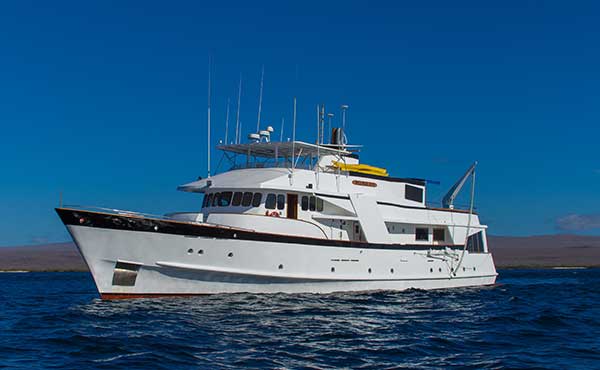 EXPEDITION VESSEL