Our 4-night Norfolk in Early Summer tour goes in search of Norfolk’s most special birds, mammals, plants and insects at the finest time of year for wildlife in this wonderful county, led by naturalist Nick Acheson.
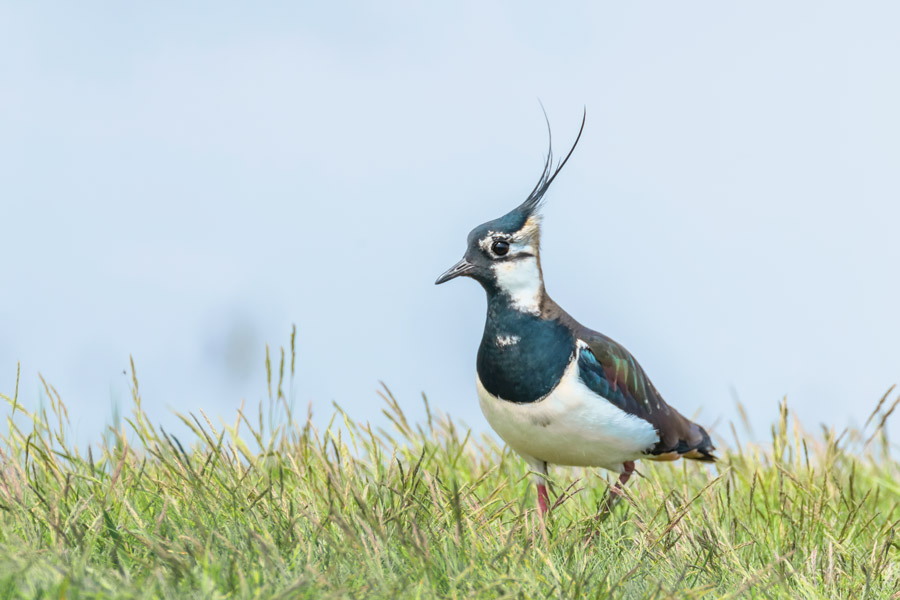
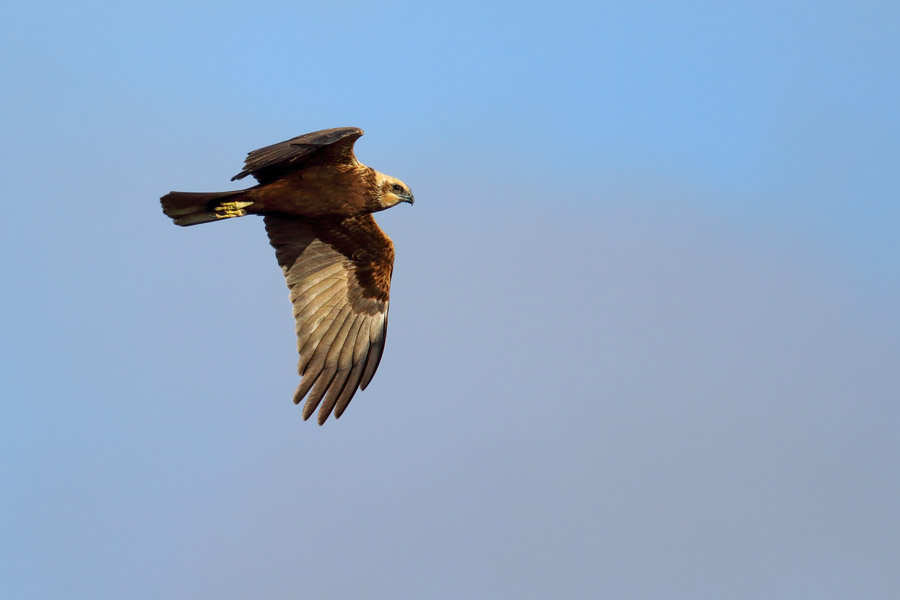
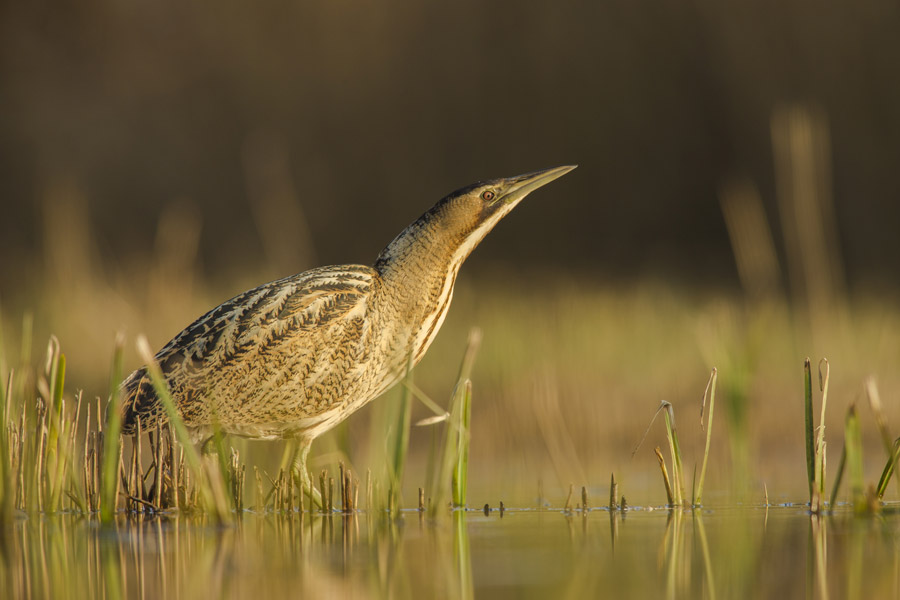
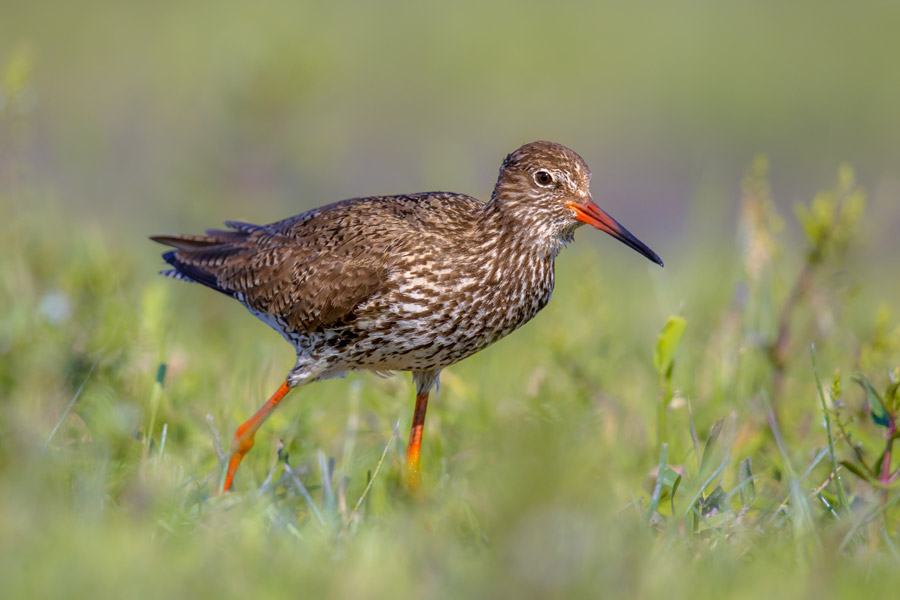
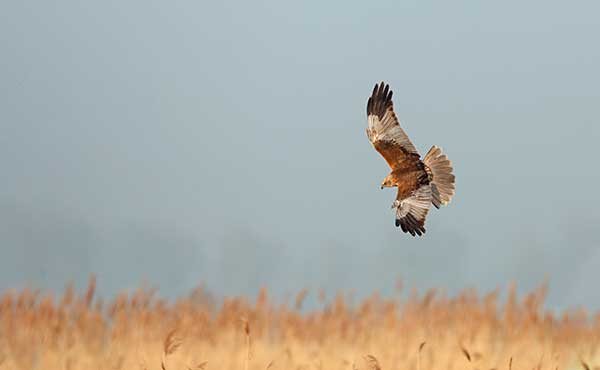
Early summer is a thrilling time for wildlife in Norfolk. Coastal colonies of gulls and terns are at the peak of breeding activity, and coastal marshes hold young lapwings, redshank and ducks. In the Broads, in addition to breeding marsh harriers and bitterns, this is a fine time for insects, with specialities including Norfolk hawker and the endemic race of swallowtail. In the Brecks stone curlews and woodlarks are breeding now and rare plants are in flower too.
If you want to visit Norfolk at different times of the year, we also have a Norfolk in Late Summer or Norfolk in Late Winter tour.
Find out more about the flora and fauna in Norfolk in Nick Acheson's blog.
Typical Itinerary
-
Day 1:
Meet and greet, visit local reserves
Having checked in to our hotel we head to one of the coastal nature reserves nearby, for our first birds and dragonflies. Following dinner we visit one of two heaths very close to our hotel which have breeding nightjar, woodlark and woodcock.
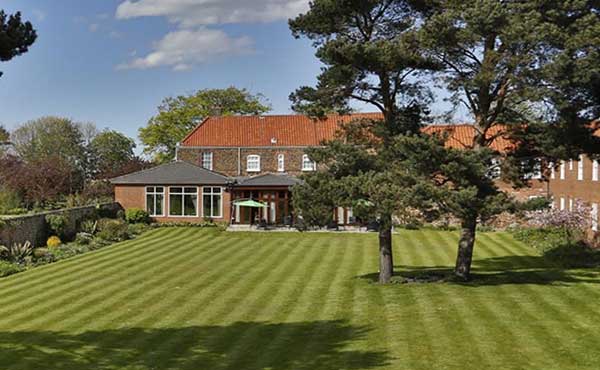
Accommodation: Knights Hill Hotel, 4-nights
-
Day 2:
Explore the Norfolk Broads
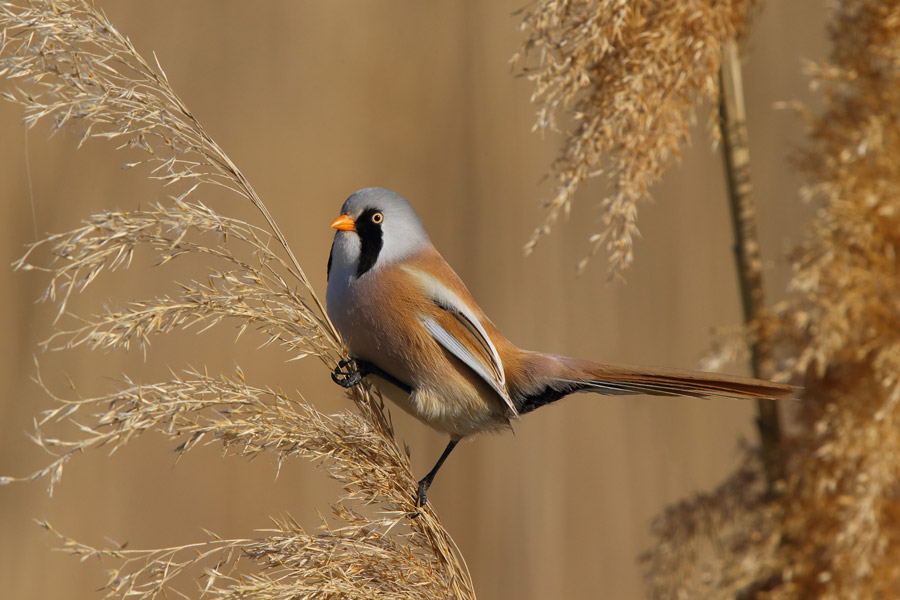
Today we head for the iconic Norfolk Broads, in search of the region’s special birds, plants and insects. We will spend half of the day at NWT Hickling Broad, largest of the Norfolk Broads and a breeding site for bittern, bearded tit and marsh harrier and epicentre of the UK population of common crane. The fens here are also excellent for dragonflies and the stunning Norfolk subspecies of the swallowtail butterfly.
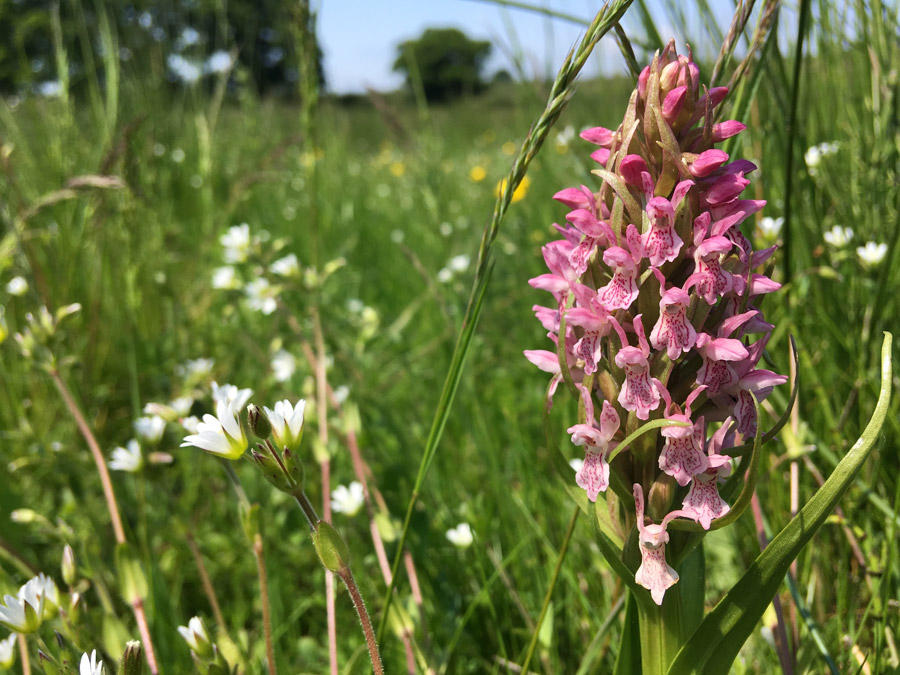
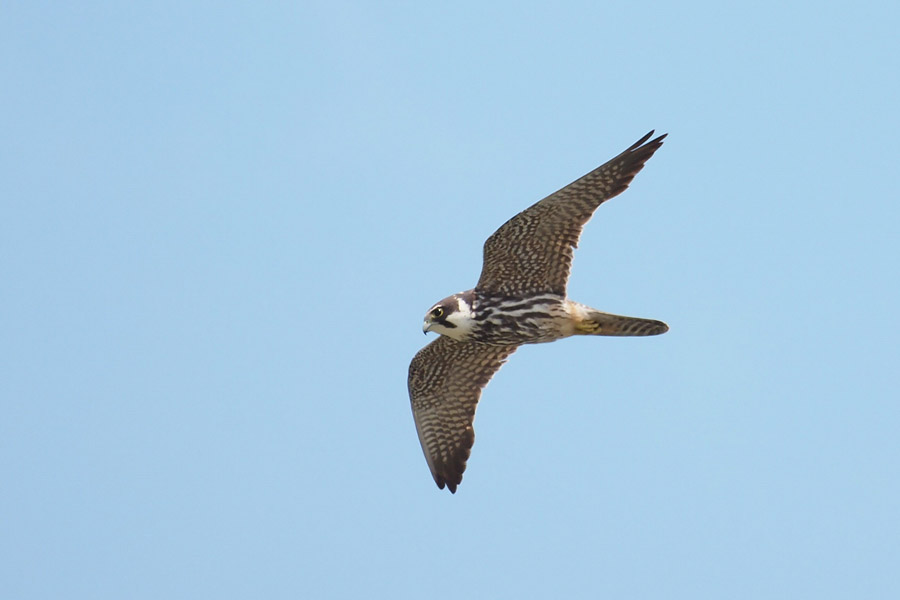
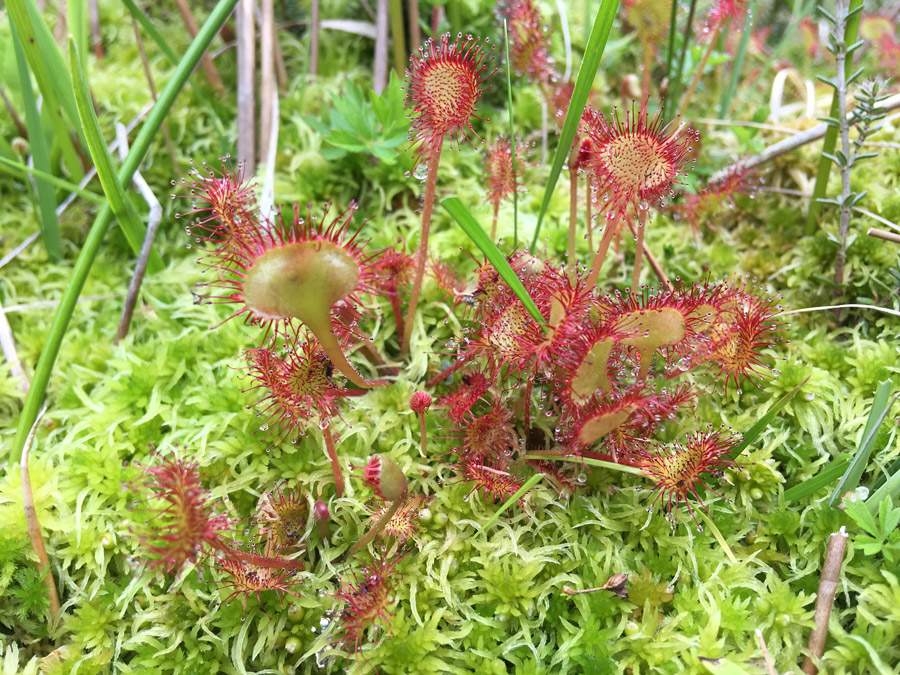
The rest of the day we spend at NWT Upton Broad and Marshes, one of the country’s finest sites for dragonflies. Here we look for Norfolk hawker, black-tailed skimmer, four-spotted chaser, hairy dragonfly, red-eyed damselfly, large red damselfly, variable damselfly and several others, in addition to swallowtails and birds including marsh harrier, hobby and lapwing. This is also an outstanding site for fen flowers, including some extremely rare species.
-
Day 3:
Explore the Norfolk Brecks
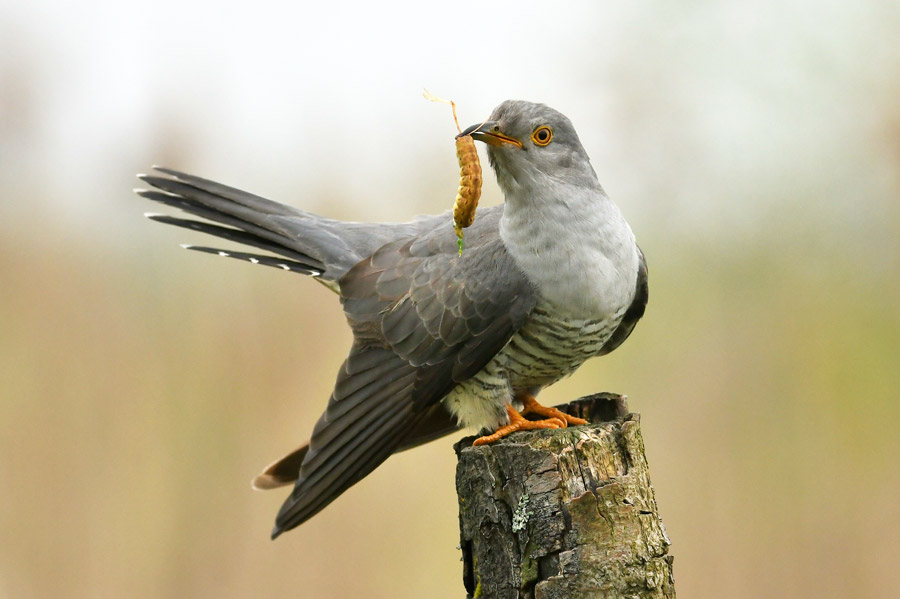
We spend today in the Norfolk Brecks, once an uninterrupted landscape of open sandy fields and sand dunes. Small fragments of ancient grassland persist, such as at NWT Weeting Heath, which we visit in search of breeding stone curlew, curlew, lapwing, woodlark, spotted flycatcher and tree pipit. Nearby, at Lakenheath, the RSPB has created a magnificent wetland, which is now home to breeding marsh harrier, bittern, common crane, cuckoo and bearded tit and is an excellent site for both hobbies and great egrets.
We may also have time today to visit Lynford Arboretum. Though in summer woodland birds can be hard to find, this is an excellent site for hawfinch, common crossbill, siskin, firecrest and spotted flycatcher.
-
Day 4:
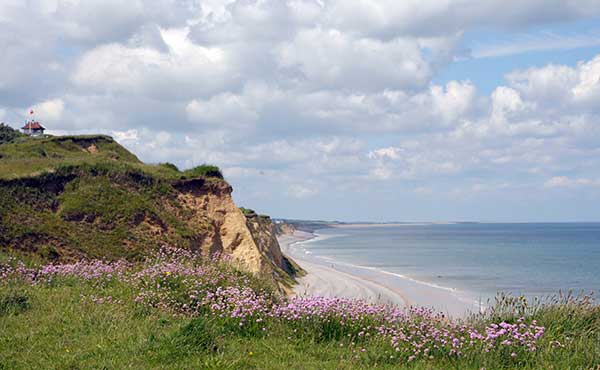
Explore the North Norfolk Coast
Depending on the birds which have been seen of late, we spend half of today at one of a range of superb nature reserves along the coast. This might be NWT Cley Marshes, RSPB Titchwell Marsh or Holkham National Nature Reserve. Each is excellent at this time of year and breeding birds along the coast include spoonbill, great egret, cattle egret, bittern, marsh harrier, bearded tit, lapwing, oystercatcher, ringed plover, little ringed plover and redshank.
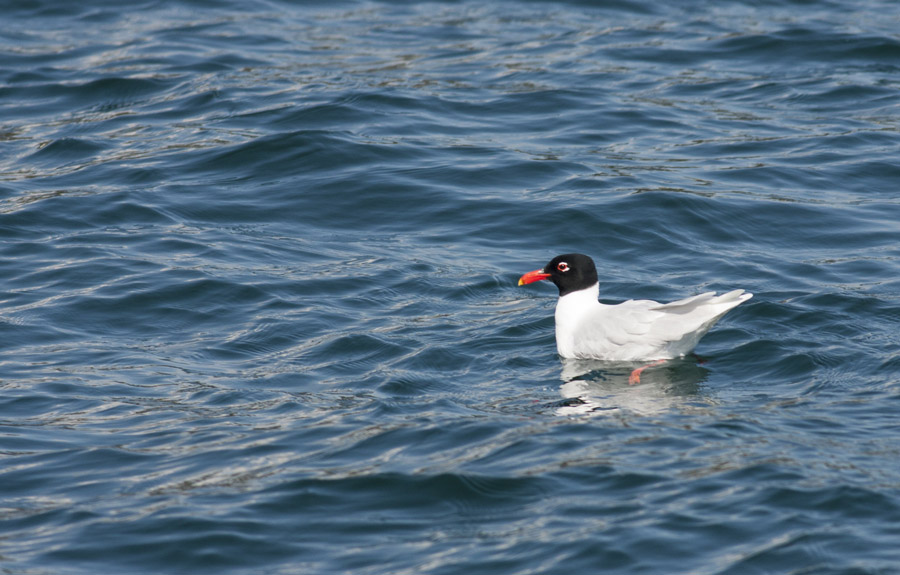
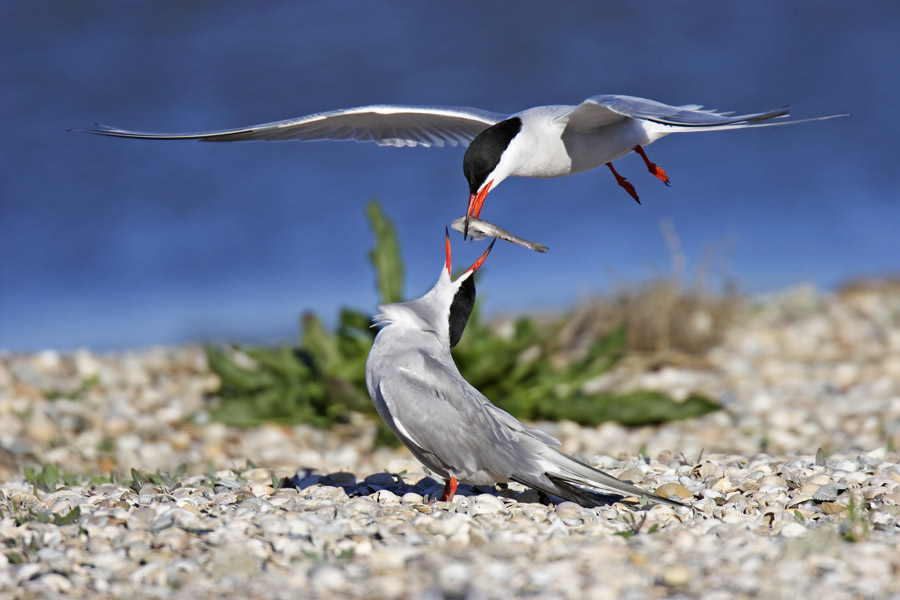
The other half of the day, according to the tide, we spend on a boat trip from Morston to Blakeney Point. Though numbers fluctuate, this is a breeding site for common, arctic, little and Sandwich terns, black-headed and Mediterranean gulls. It is also a pupping site for harbour seals and a non-breeding haul-out for the grey seals which bred here in winter.
In the evening we make a second attempt to hear nightjars and woodcock close to our hotel.
-
Day 5:
Local birding, tour ends
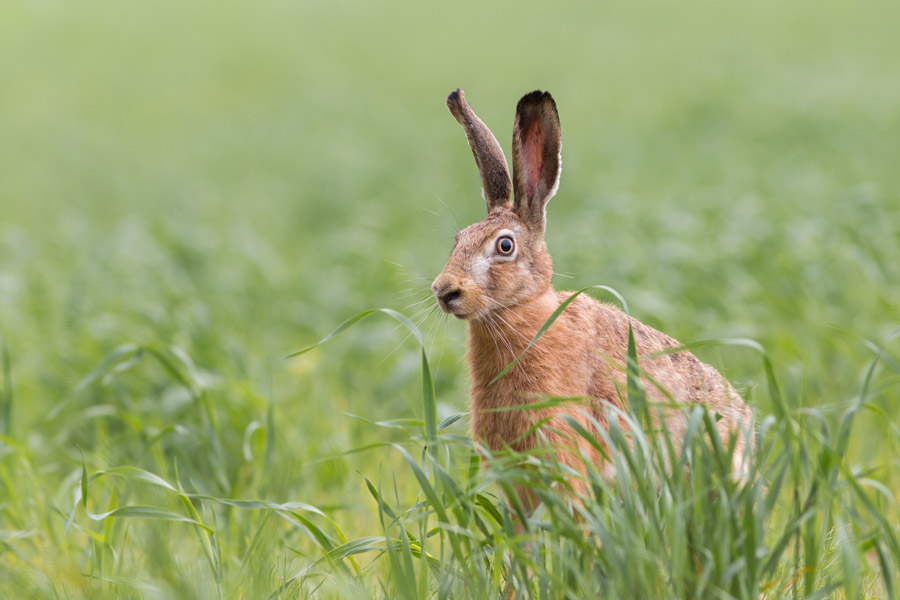
Depending on what we have already seen, we will spend our final morning either visiting a local heath for breeding tree pipit, woodlark and stonechat or perhaps farmland rich in grey partridge yellowhammer, corn bunting and brown hare. By mid morning we return to our hotel, where the tour ends.