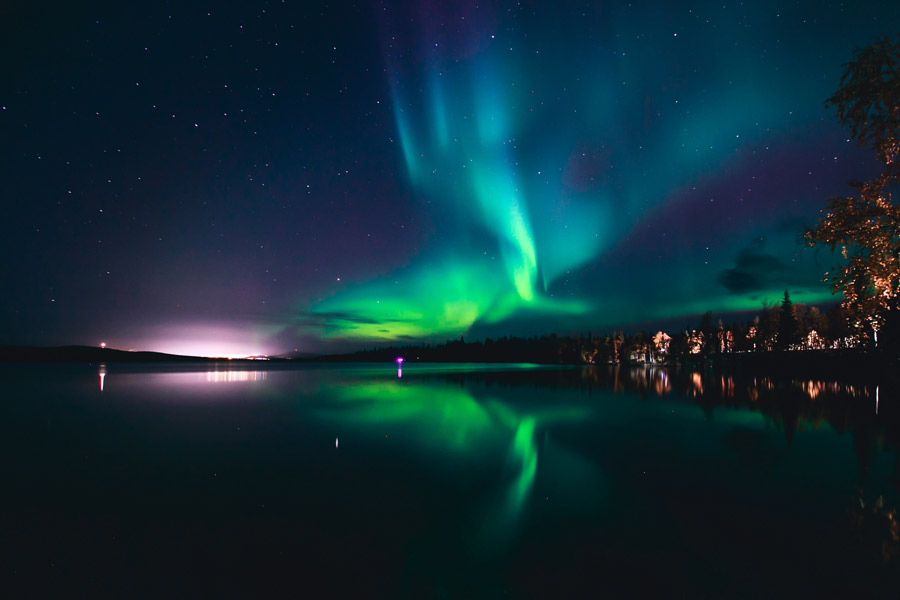
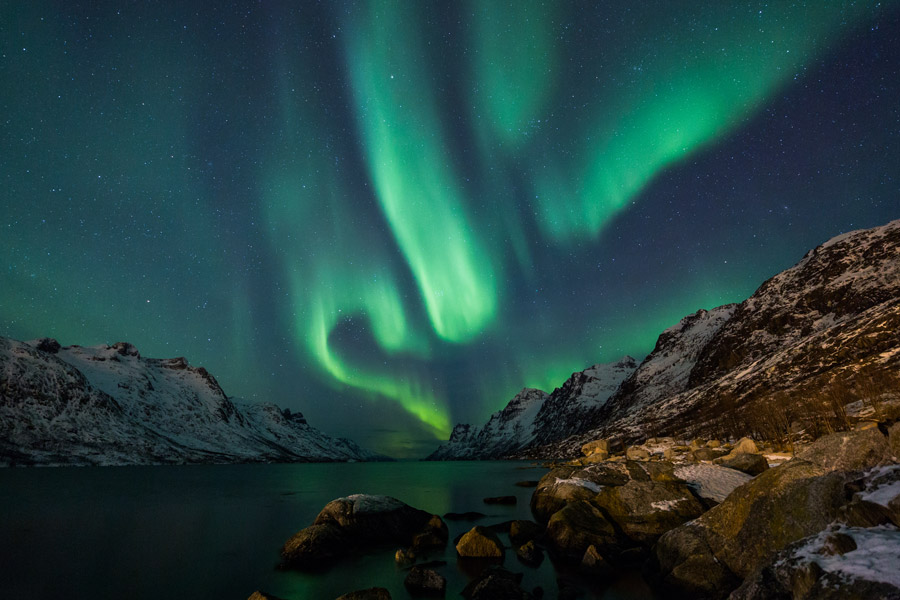
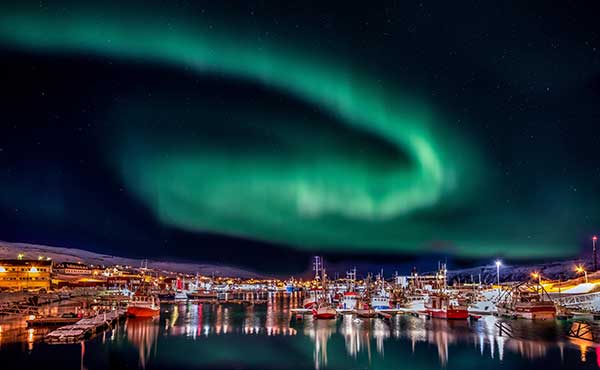
Lapland is a fantastic location for seeing the Aurora Borealis and is rich in Arctic birds, so why not join us on this superb week-long trip to the Finnish taiga forest and Norwegian coast?
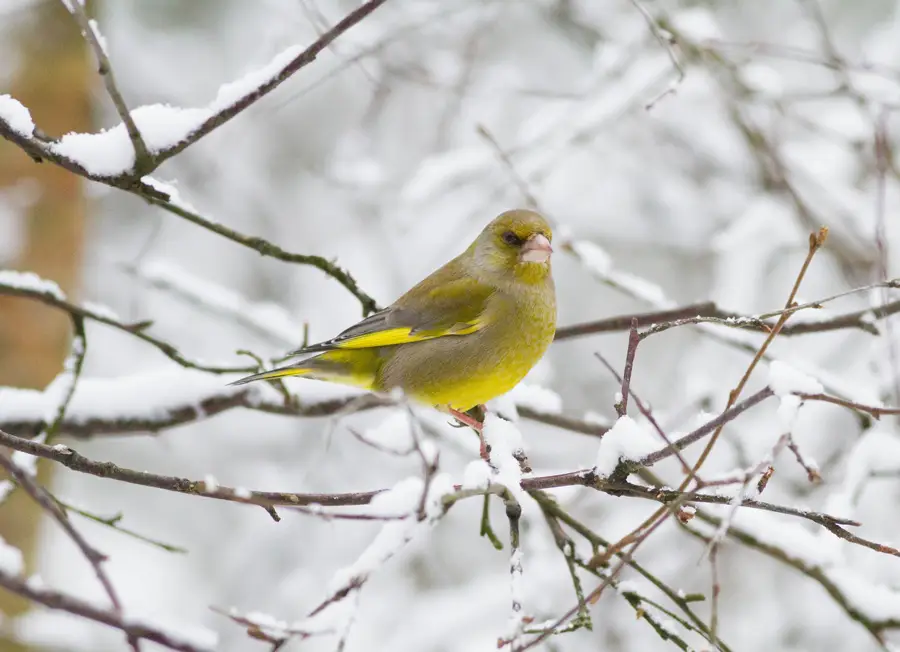
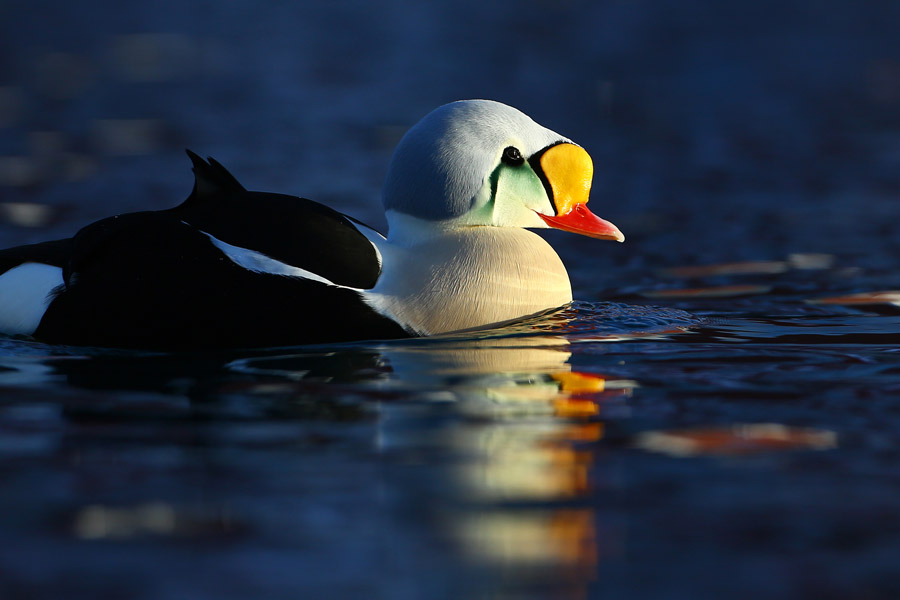
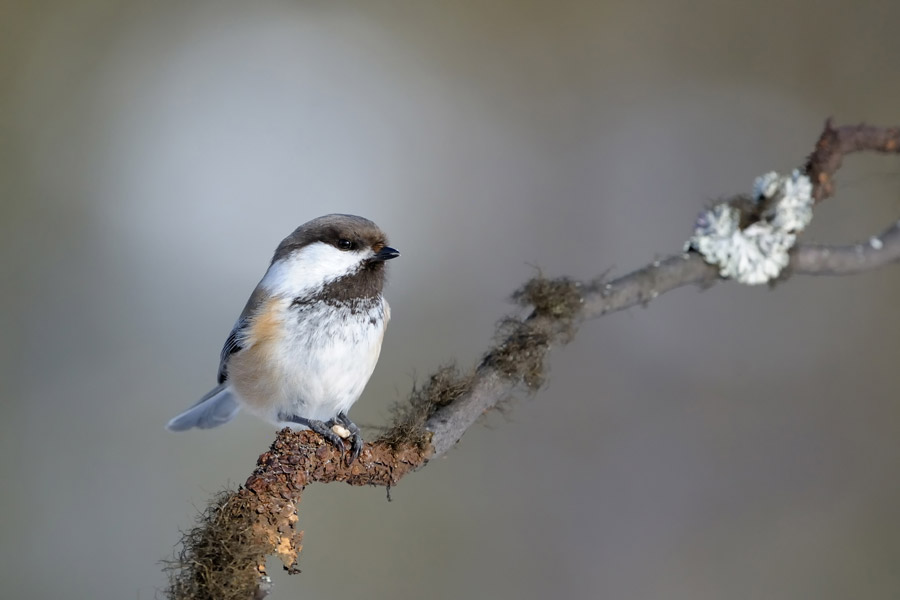
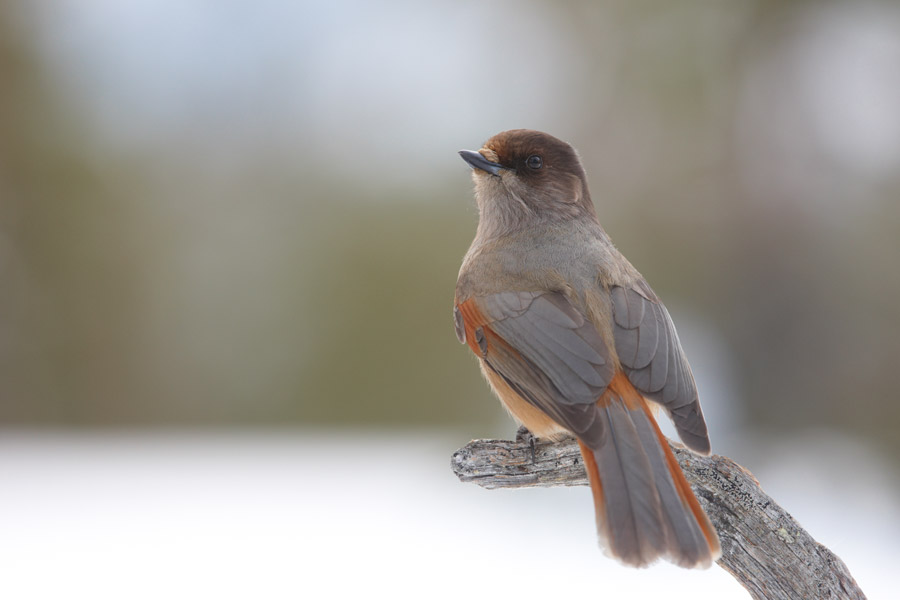
We start among the conifers of Finland’s taiga forest, home to Siberian tit, Siberian jay and pine grosbeak, before crossing into Norway, where sheltered coastal waters have three species of eider in stunning plumage, and are teeming with seabirds. In March there is plenty of daylight, while nights are still long enough to give us a good chance of seeing the Northern Lights, in all their glory. We'll also do some astronomy here – birding telescopes and even binoculars can be excellent for this.
Typical Itinerary
-
Day 1:
Fly to Ivalo, Finland
Fly via Helsinki to Ivalo. From here it’s a short drive to our hotel which is surrounded by the brooding Arctic taiga forest, where we stay overnight.
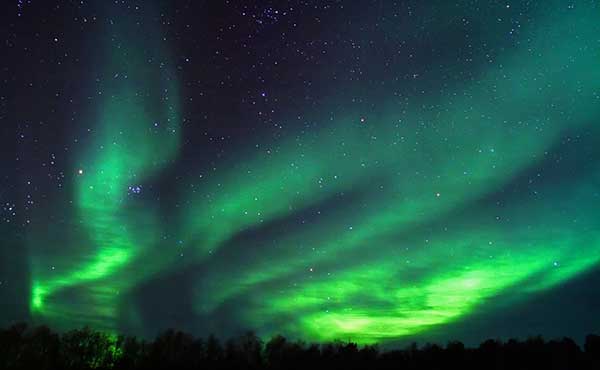
After dinner, if the sky is clear, we get our first chance to go out to check if an aurora is in progress, or, if not, for a bit of winter astronomy.
Accommodation: Ivalo, 1-night
-
Day 2:
Drive to Batsfjord, Norway
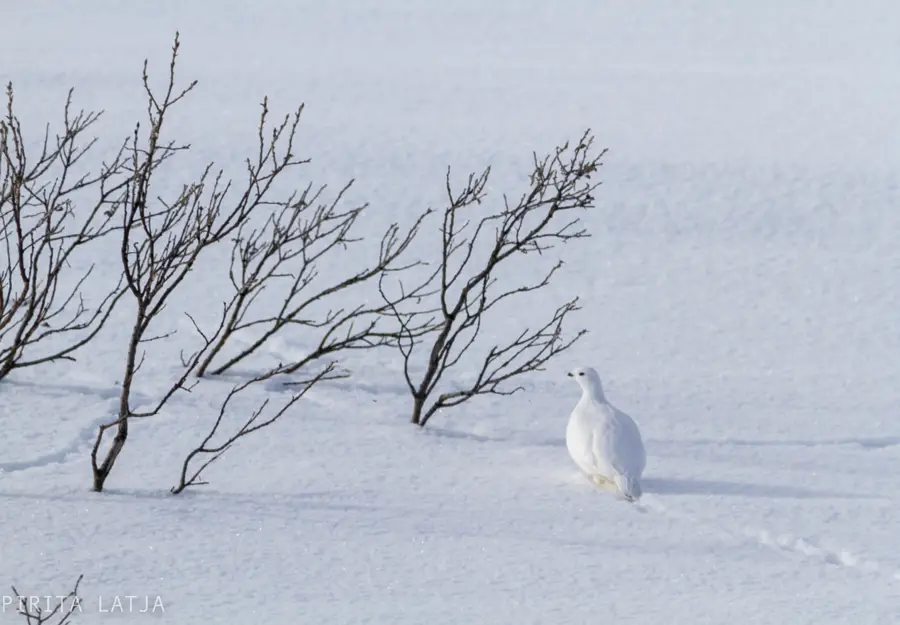
Despite the bleak wintry appearance of the northern taiga forest in March, it still harbours a range of Arctic bird species, some of which are actually easier to see in winter. As at home, the secret to getting good views of the birds is food and for this reason, we make a visit to a lodge that has its own bird feeding station.
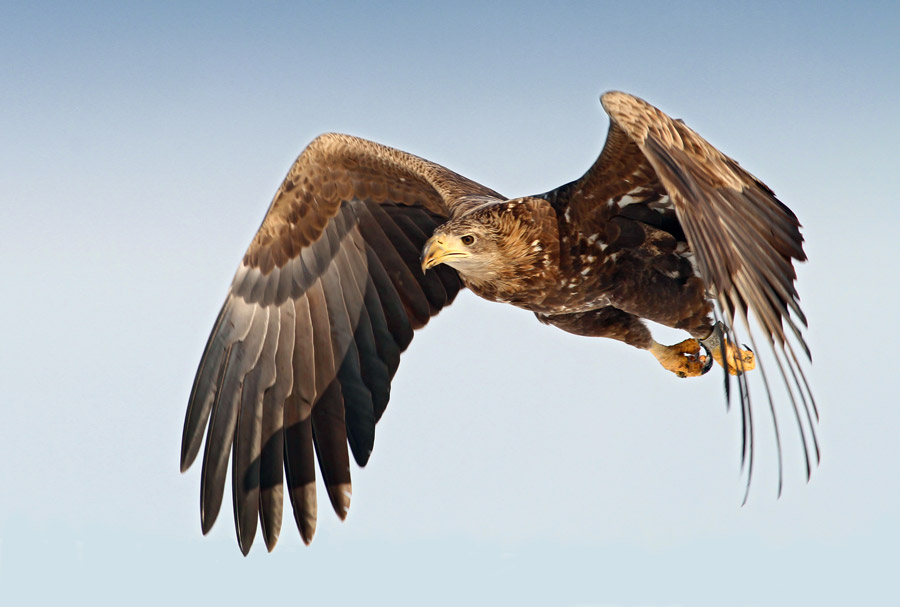
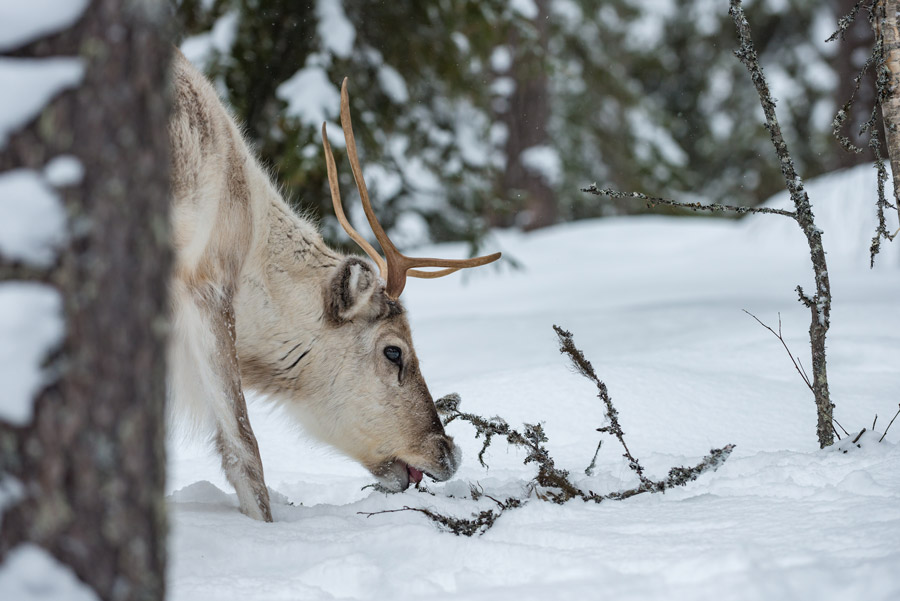
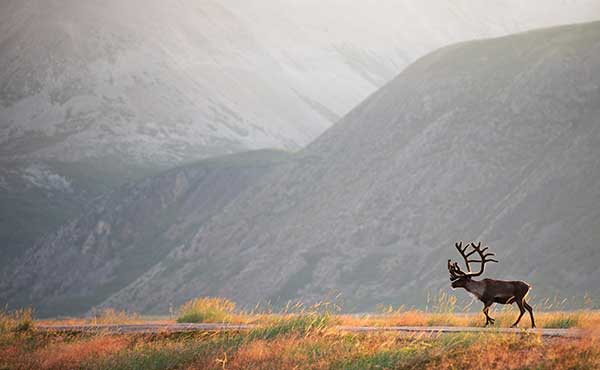
We spend some time at the feeders where splendid pine grosbeaks are regular visitors, before heading off north along the Arctic highway into Norway – a drive of around four hours, through snowy scenery. En route we keep a look-out for elk, reindeer, white-tailed eagle and gyrfalcon.
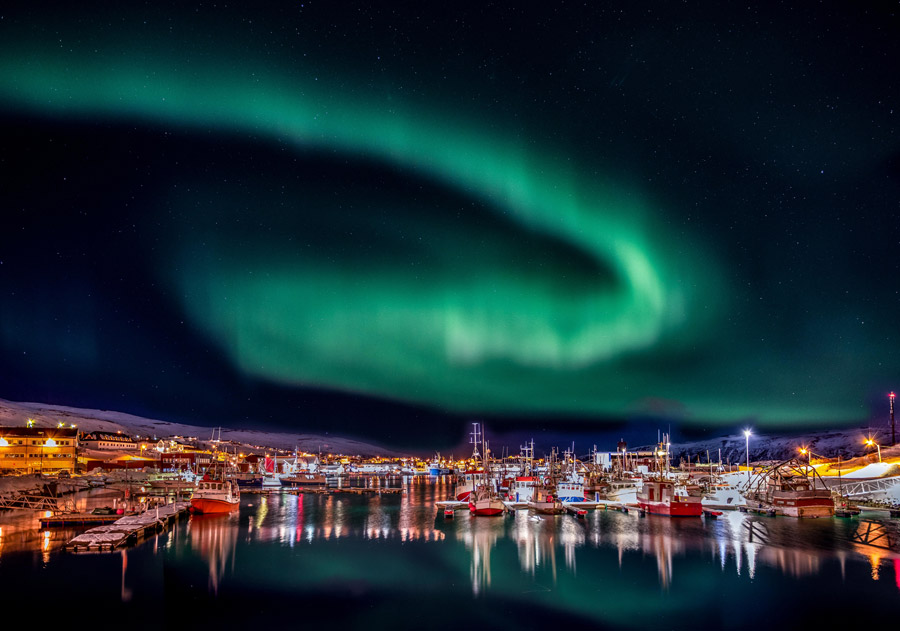
Once in Norway, the scenery becomes progressively more mountainous before we drop down into the harbour-side town of Batsfjord, where we stay for one night. We'll be on aurora-alert again, and – if lucky – can drive a short distance out of town to get away from light pollution.
Accommodation: Batsfjord Hotel, 1-night
-
Day 3:
Drive to Varangerfjord & Vardö
This morning we drive back over the mountain road, and down to renowned Varangerfjord. The amount of time we spend in the vehicle driving today is three and a half hours, but this is broken up with walks and stops along the way. Tucked round the north-east corner of Norway, Varanger has a unique Arctic feel: a small corner of Siberia on the fringe of Europe. Colourful villages and small towns dot the shoreline, which initially has a light covering of birchwoods. However, as you drive progressively eastwards, these become thinner and the coast becomes increasingly barren.
The shelter offered by the fjord, in combination with its arctic location, make this a fabulous place to birdwatch for sea ducks and we particularly hope to find mixed rafts of common, king and Steller's eiders.
We're heading for Vardö, on the north-eastern shore of the fjord, where we stay for three nights. Again, it isn’t far to drive to get away from the town’s lights to look for the Aurora Borealis if the sky is clear.
Accommodation: Hotel Vardö, 3-nights
-
Days 4-5
:
Explore Vardö & coastline of Varanger Peninsula
Weather permitting, for one day of our stay in Vardö, we hope to take a boat trip to get close to the bird cliffs of Hornøya Island and see its seabird colonies. At this time of year birds will be gathering offshore, and we hope to get close to Brűnnich’s guillemots in addition to innumerable black-legged kittiwakes, Atlantic puffins, razorbills and common guillemots. If we haven't already had enough, there should be more common, king and Steller’s eiders and long-tailed ducks. The island can also be a good place to see gyrfalcon and white-tailed eagle.
The following day we continue to enjoy some further exploration and birding around Vardö and along the coastline of the Varanger Peninsula. We should hopefully have further encounters with Steller's and king eiders, white-bellied diver, snow bunting, gyrfalcon, pine grosbeak and Arctic redpolls.
-
Day 6:
Return to Ivalo
After breakfast, we drive back into Finland and the taiga forest once again. The journey to Ivalo takes approximately five to six hours. We plan to reach our accommodation – and its bird feeders – in the afternoon, giving us another chance to see Siberian specialities before our final night of the itinerary.
Accommodation: Hotel Ivalo, 1-night
-
Day 7:
Fly back to the UK
We drive back to the airport for a morning flight to Helsinki, connecting with our return flight to London.
Please note: Groups up to 7 people will be accompanied by local guide only.