The Galapagos Islands have long captured the imagination of wildlife enthusiasts, and this small-ship expedition explores the enchanting southern islands and an astonishing array of incredible wildlife.
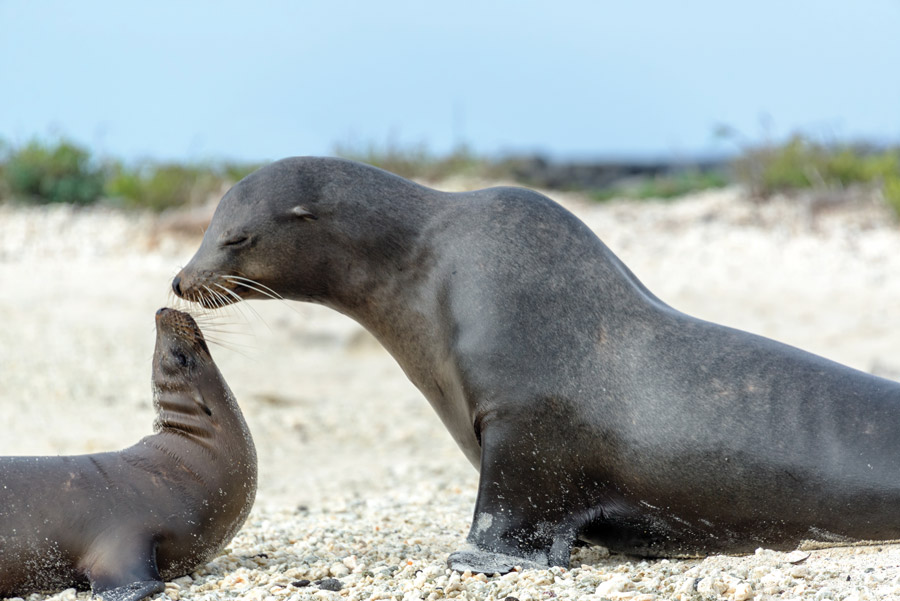
Nestled in the Pacific Ocean, the Galapagos Islands are known for their unique ecosystems and extraordinary biodiversity. Many of the plant and animal species you can encounter can only be found within this remarkable archipelago. The islands are teeming with wildlife, from iconic giant tortoises and playful sea lions to armies of iguanas and flocks of flamingos.
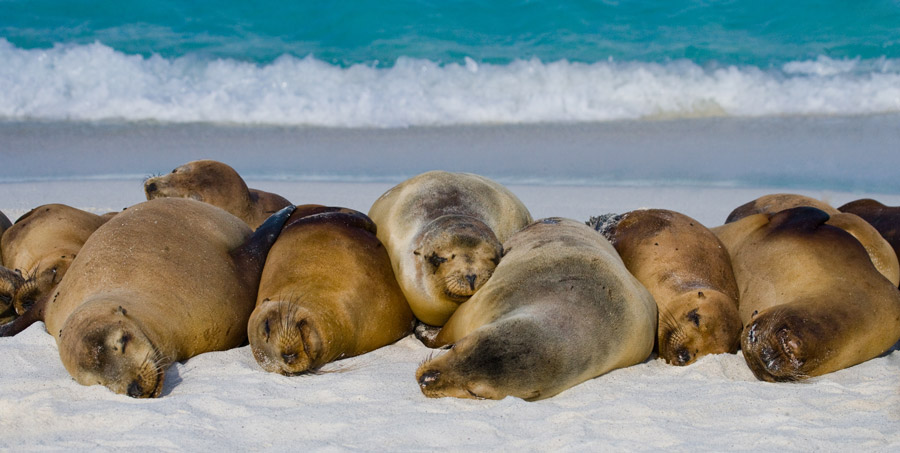
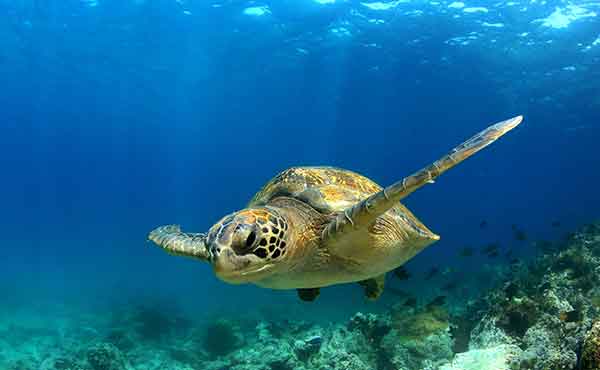
Beneath turquoise waters lie an underwater paradise, with schools of tropical fish sharing the ocean with whales, dolphins and sea turtles. Sea lions are found across the entire archipelago, and cetaceans can be seen year-round with species including orca, sperm and Bryde's whales.
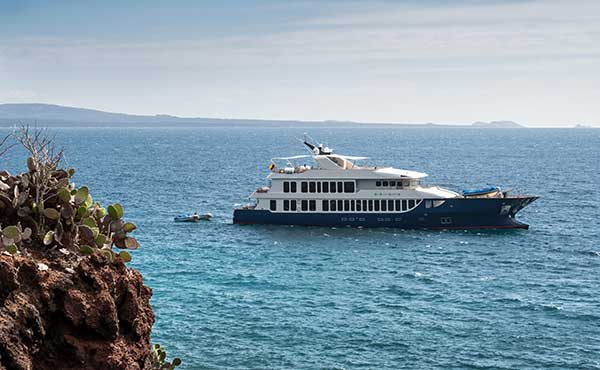
Travel in style on a luxury, small ship with a maximum of 20 guests. This intimate cruise provides an opportunity to fully connect with the wonders of nature. Each day offers a new opportunity to explore, either on guided nature walks, on board Zodiac cruises or snorkelling. For the more adventurous, sea-kayaking and stand-up paddleboarding are also available. On board, your expert naturalist guides enhance your experience with their in-depth knowledge of the islands' flora and fauna.
We're delighted to also offer this itinerary as a special photography focused expedition. Ideal for those looking to explore the Galapagos Islands and those looking to advance their photography skills. These voyages are open to all levels of experience and allow more time to capture the perfect shot. Contact us for further details.
A typical 8-day Southern Islands itinerary is shown below, on board Origin, Theory or Evolve, however we offer a variety of other voyages, durations and vessels.
Typical Itinerary
-
Day 1:
Arrive on San Cristóbal Island & board your vessel
Upon arrival on San Cristóbal, you transfer by road and then by Zodiac to your expedition ship anchored in the bay. As you set sail, enjoy a drink at the sun deck bar and observe the sunset as you circumnavigate “Kicker Rock”.
-
Day 2:
San Cristóbal Island
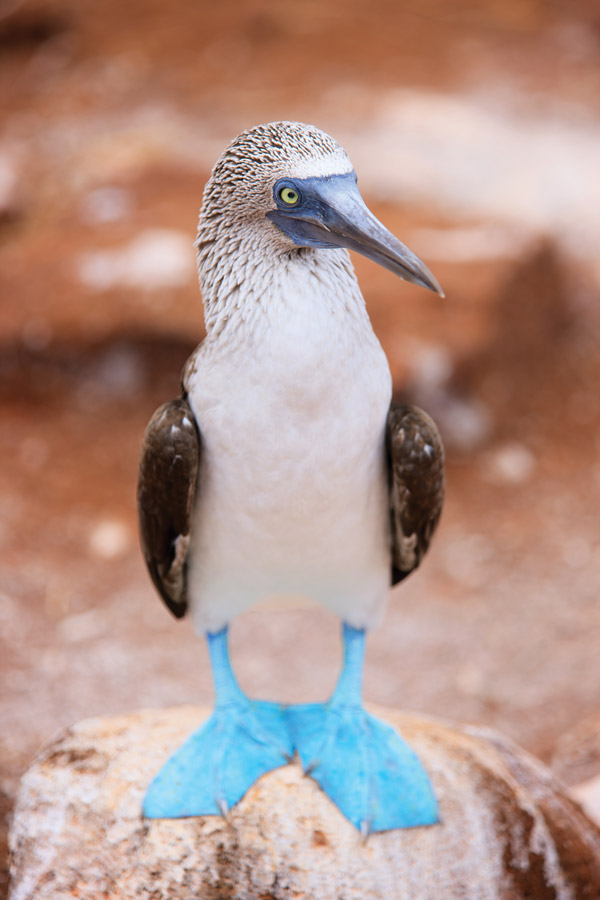
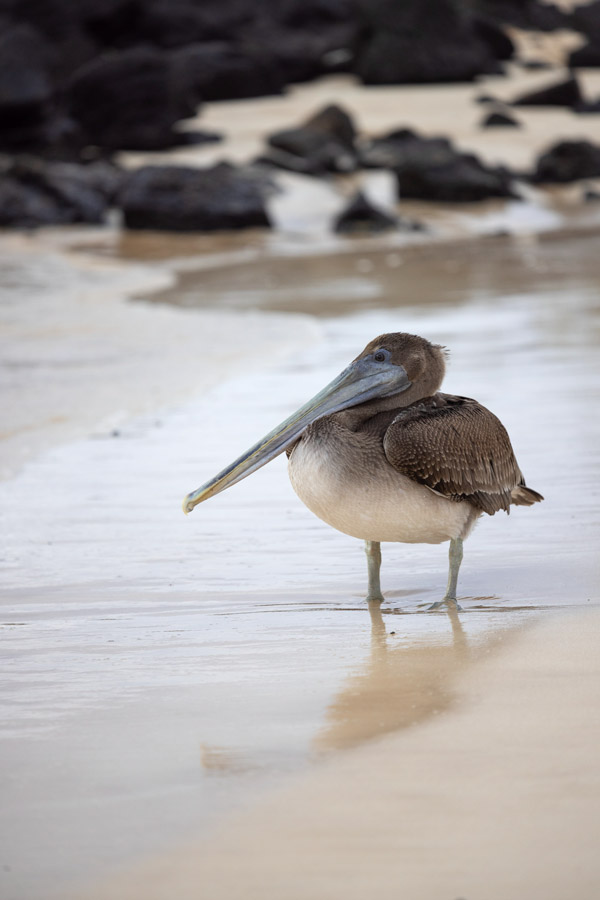
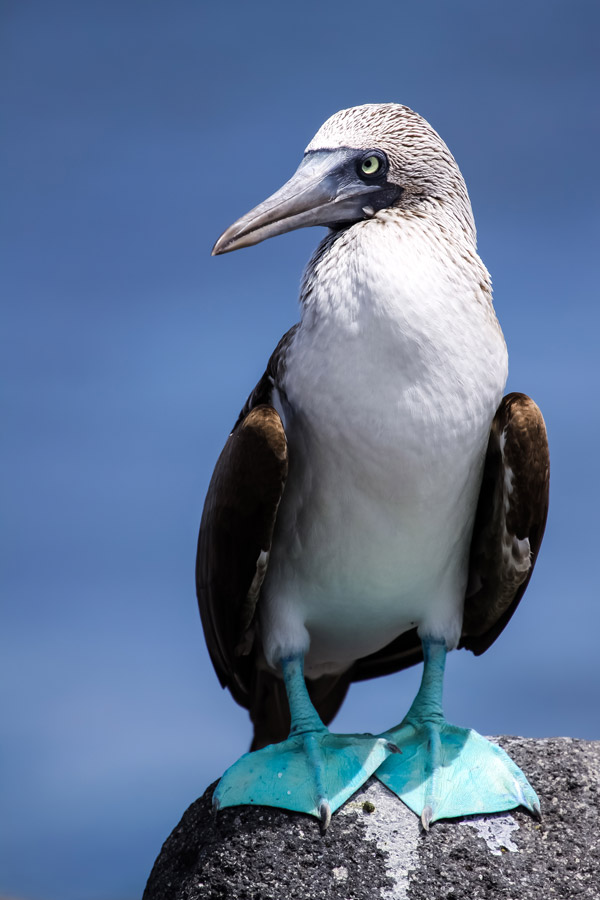
Start your day with a Zodiac cruise to look for wildlife. You're likely to see various birds, from brown pelicans and brown noddy terns to blue-footed boobies. Afterwards, enjoy the coral sand beach, take a walk, swim or there is also the option to paddleboard or kayak.
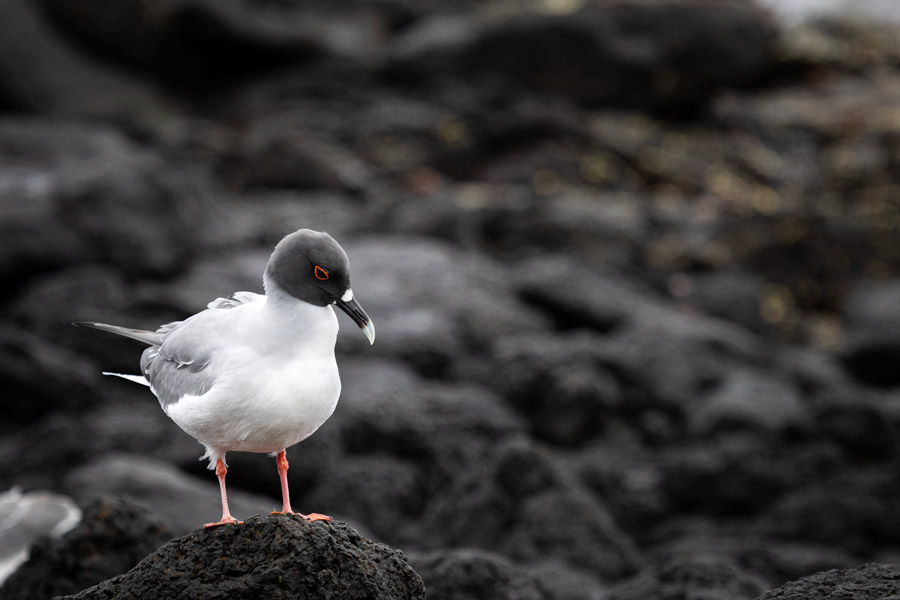
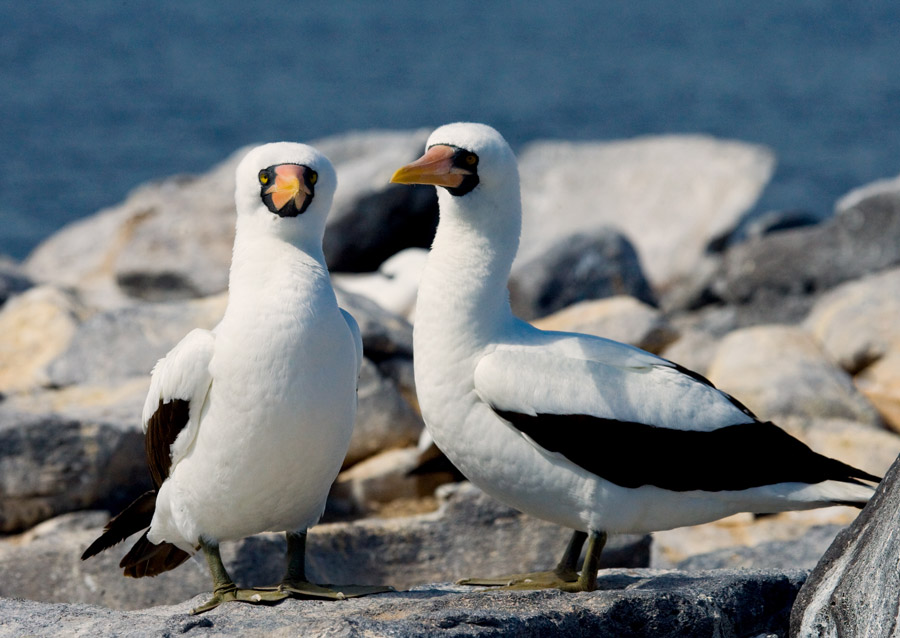
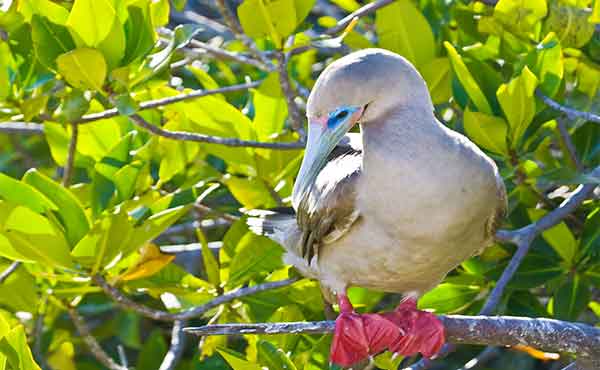
This afternoon, visit Punta Pitt for a hike, considered one of the best sites for birdwatching. Here you can see all three species of boobies: blue-footed, red-footed, and Nazca. Your guides will also point out frigates, swallow-tailed gulls, storm petrels and brown pelicans.
-
Day 3:
Española Island
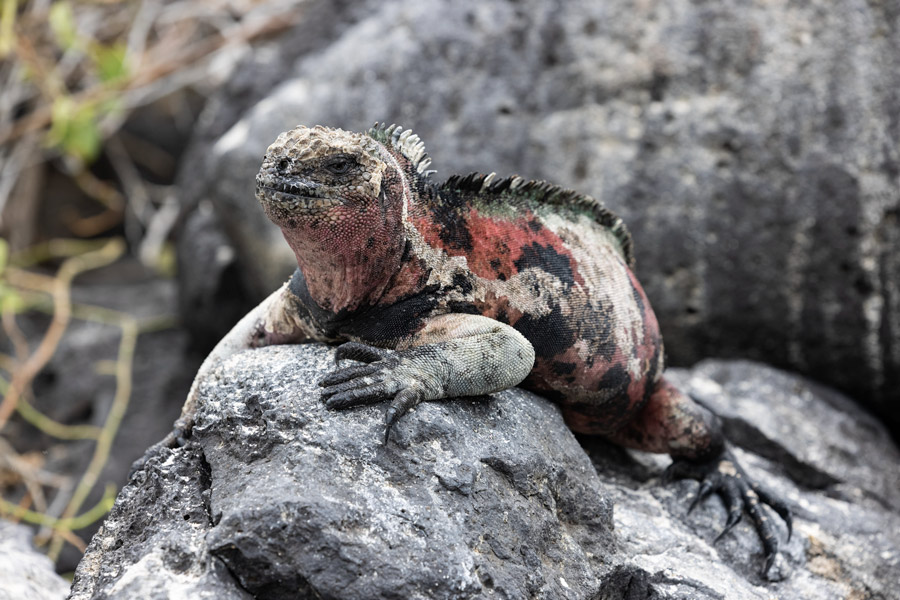
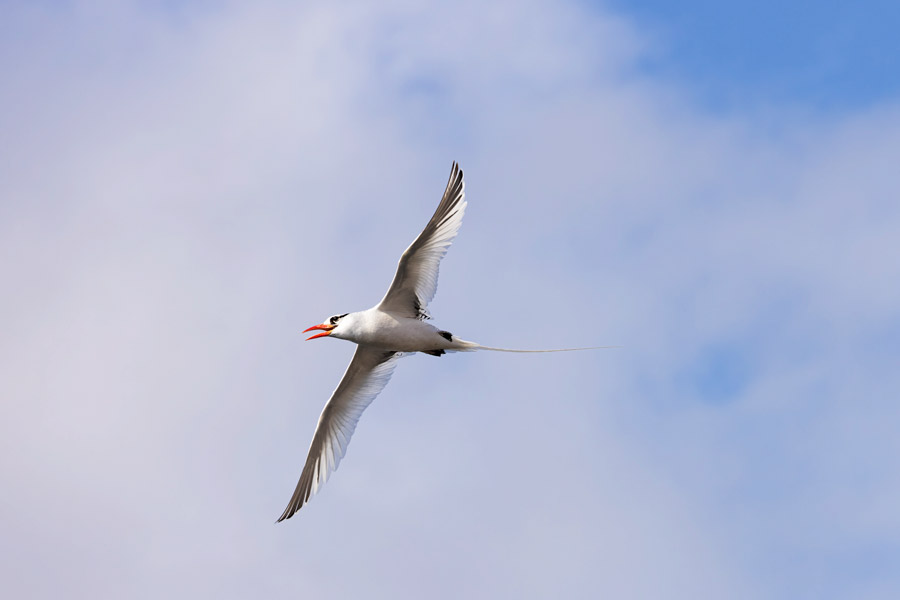
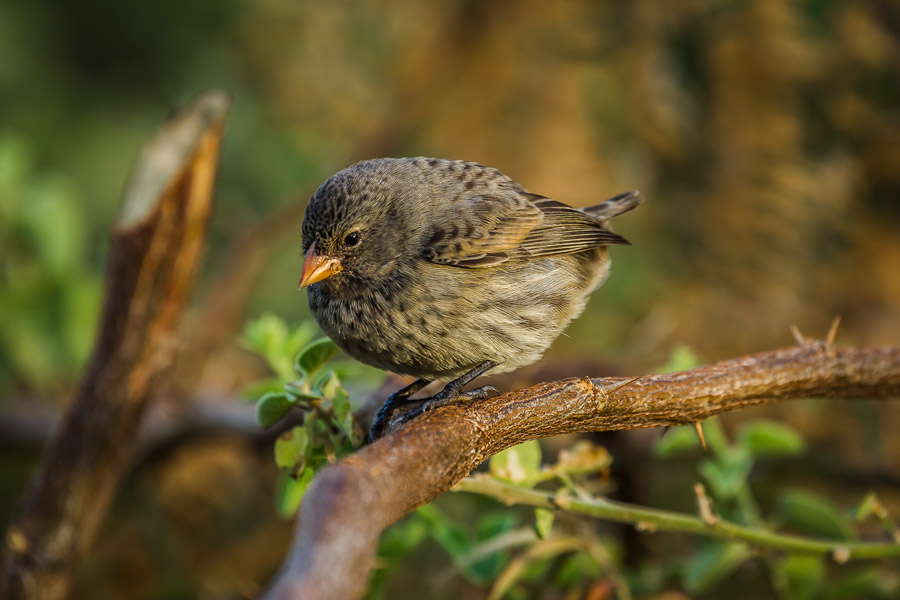
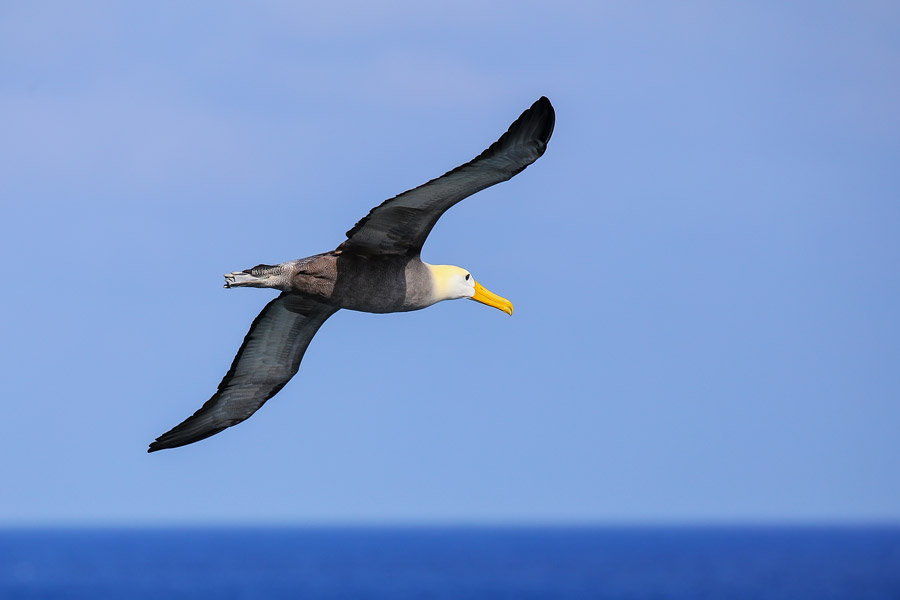
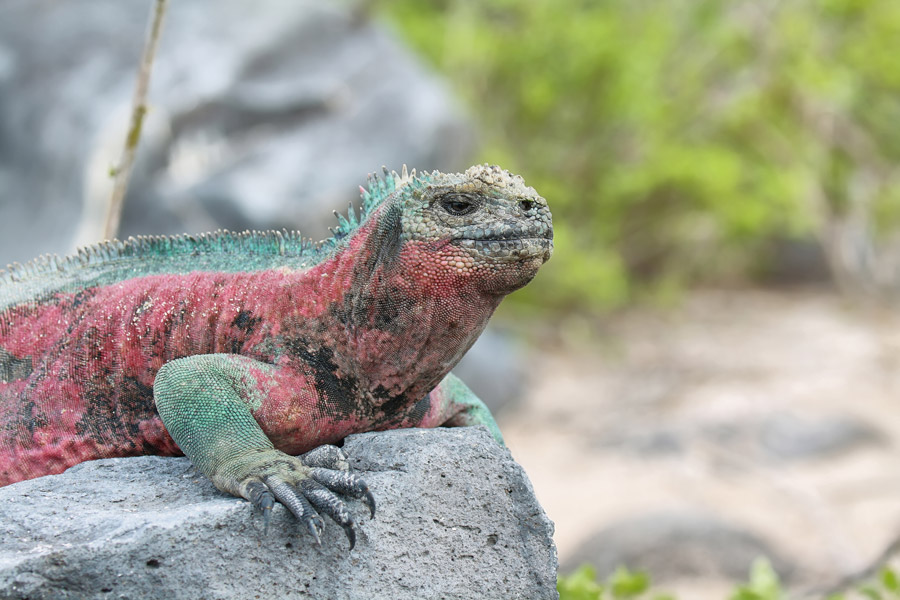
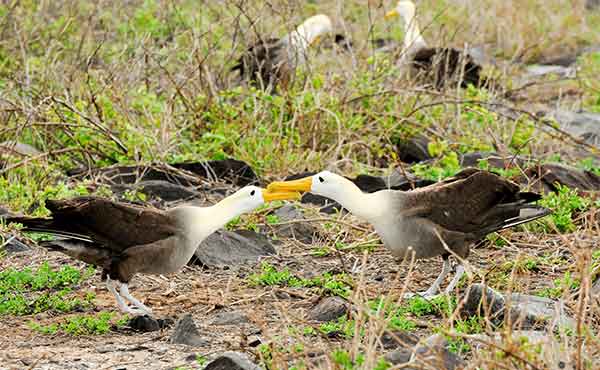
This morning visit Punta Suarez, on the western tip of Española, where your guides will point out the large number of endemic species living here, such as the waved albatross. As you walk, look out for marine iguanas sunbathing on the rocks. Other likely sightings include Darwin’s finches, hood mockingbird, Galapagos doves, red-billed tropicbirds, Galapagos hawks, Nazca boobies and swallow-tailed gulls, the only nocturnal gull in the world. Following a barbecue lunch, you have the option to snorkel at Tortuga Rock and explore the caves covered with invertebrates.
-
Day 4:
Floreana Island
Today, you’ll be greeted with the sounds of sea lions, lava herons, yellow-crowned night herons and blue-footed boobies on Floreana. As you walk to a brackish lagoon, home to Bahama ducks, common stilts, Galapagos flycatchers and bright pink flamingos, your guides will point out the rich variety of plant life.
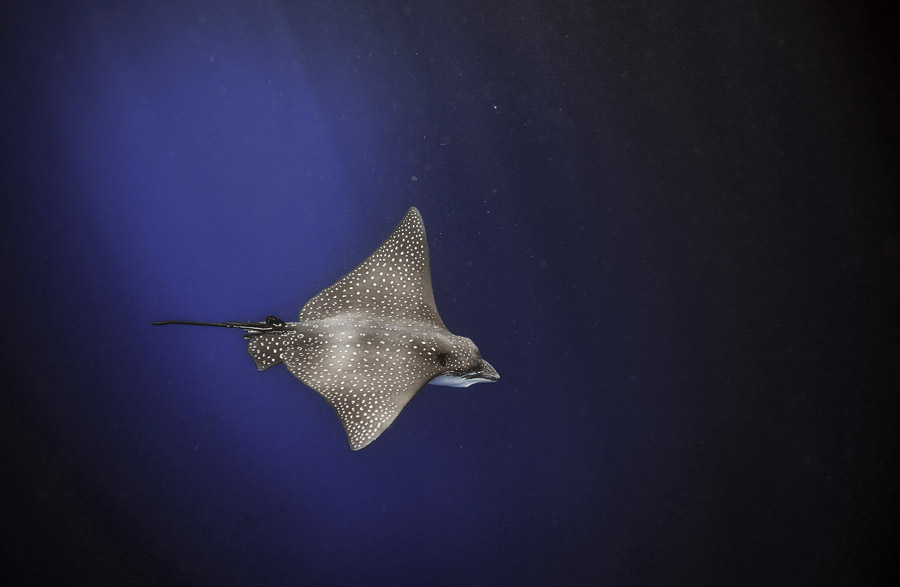
There is an opportunity to snorkel at Devil’s Crown or Champion Islet, a shallow sunken crater occupied by a brilliant array of colourful fish and coral, white-tipped sharks, sea turtles, spotted eagle rays and sea stars. This afternoon, visit Post Office Bay and Baroness Point to look for sea turtles and rays.
-
Day 5:
Santa Cruz Island
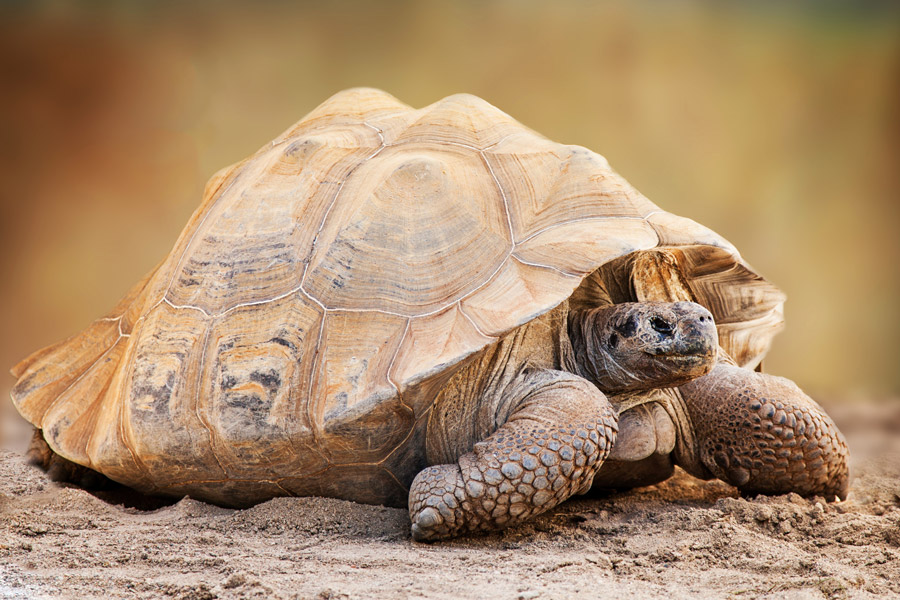
Today, explore Santa Cruz. Travel by bus to a higher altitude with beautiful geological formations, including the lava tunnels at El Mirador and Los Gemelos. Visit a ranch where tortoises roam free before learning more about the most famous visitor to the Galapagos - Charles Darwin, and enjoy visits to the Centro de Crianza Fausto Llerena and Charles Darwin Research Station. This evening you have the option to stay on land for dinner, with transfers provided by Zodiac.
-
Day 6:
Bartolomé Island
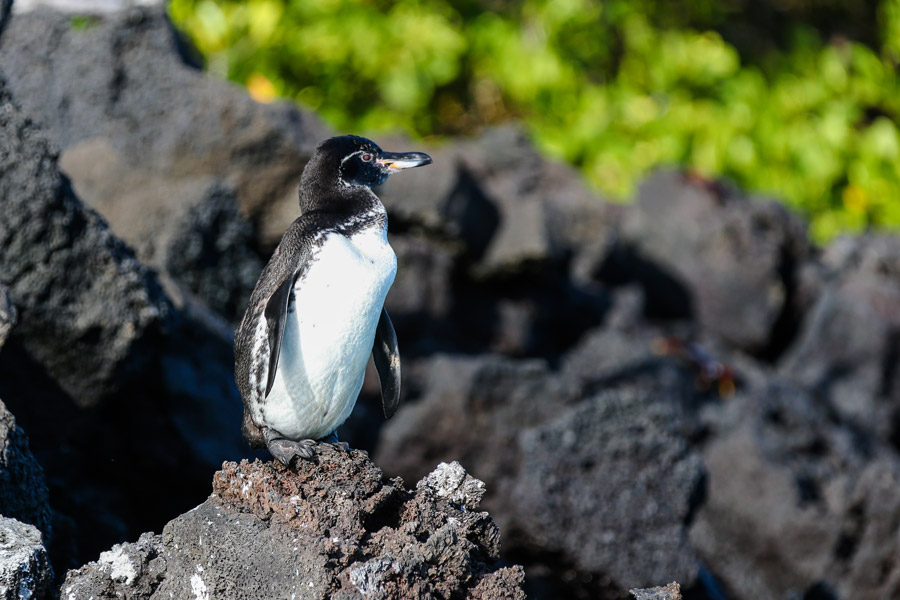
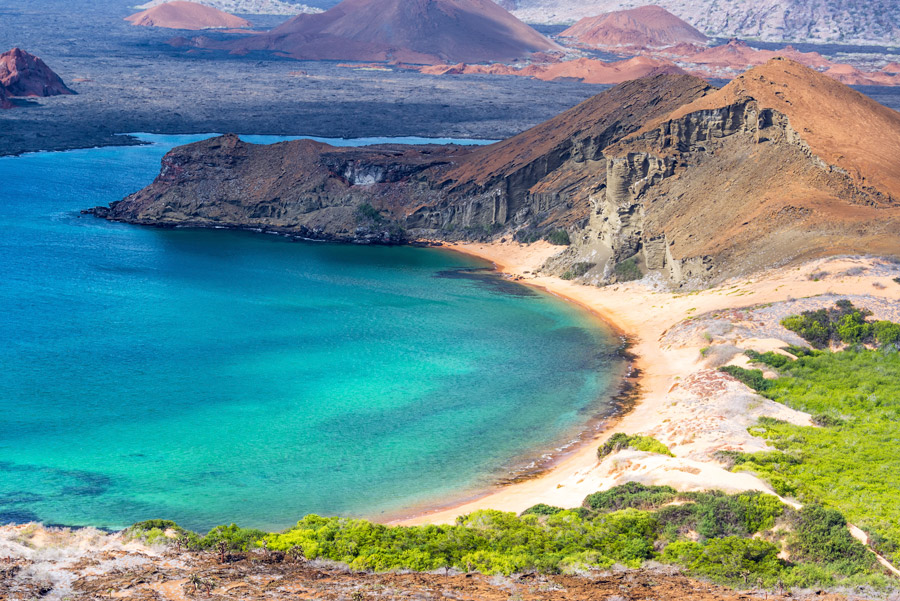
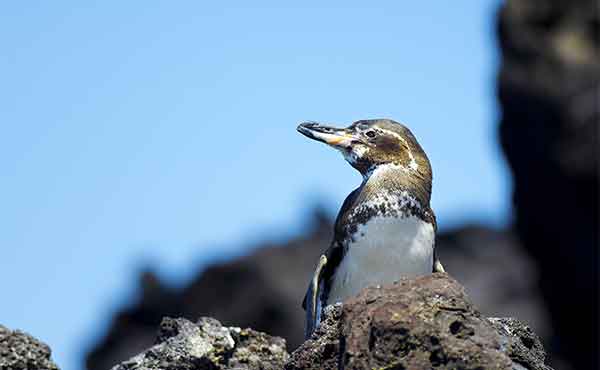
Today you can choose to join a challenging hike, with about 400 wooden steps winding around Bartolomé, ending with a wonderful panoramic view of Pinnacle Rock. If you’d rather skip this excursion, you can enjoy a Zodiac cruise around the island and look for penguins, sometimes seen swimming and diving playfully or grooming themselves on rocks.
The itinerary for the remainder of your day will vary depending on your yacht, but all visitors will enjoy superb views and some of the Galapagos’ renowned wildlife.
-
Day 7:
South Plaza & North Seymour Islands
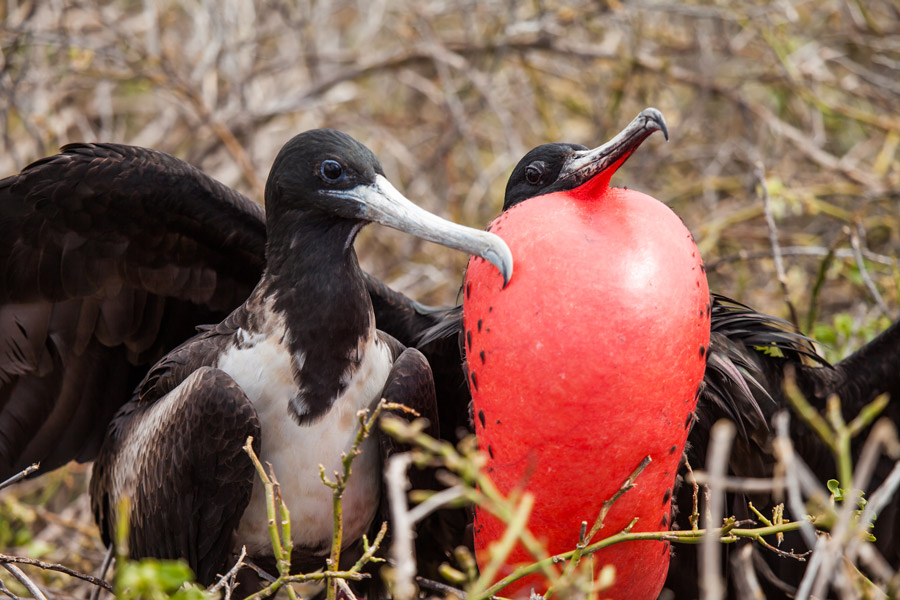
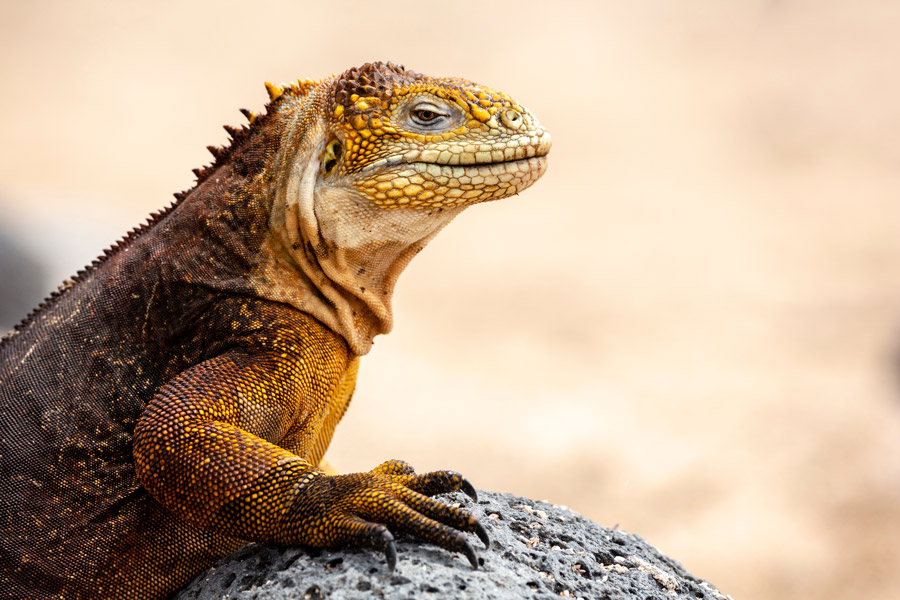
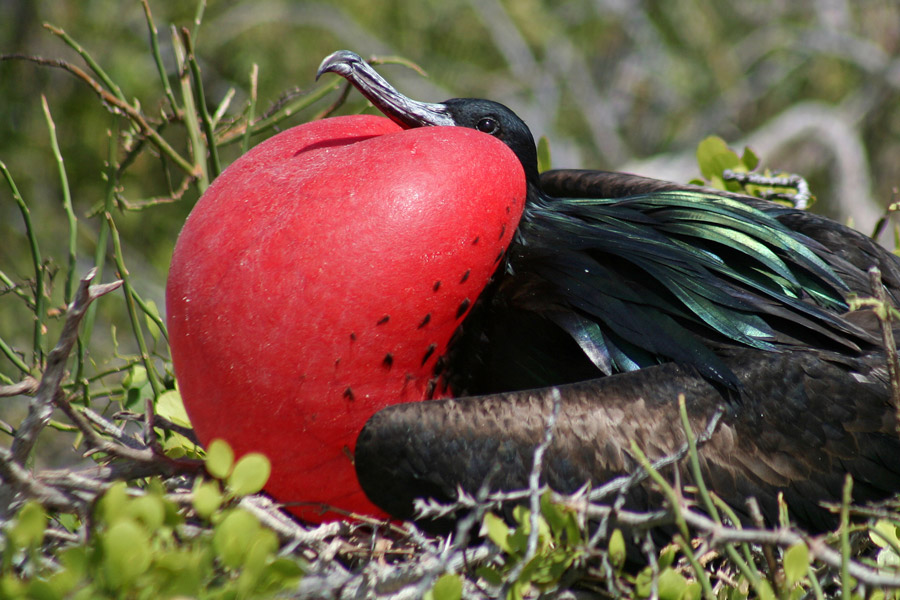
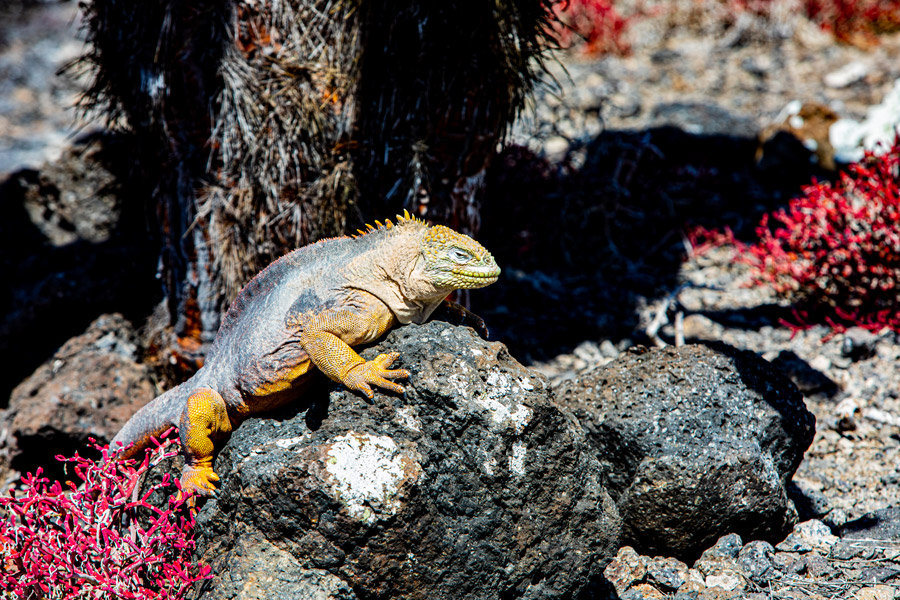
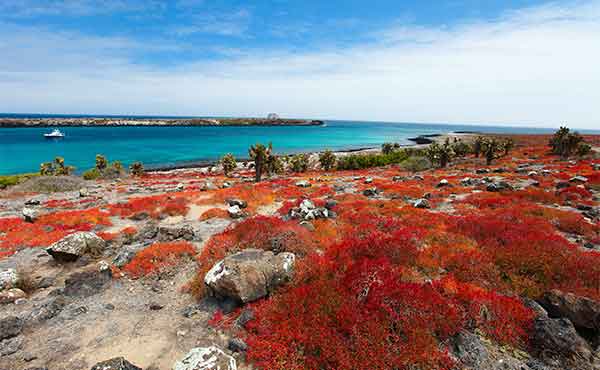
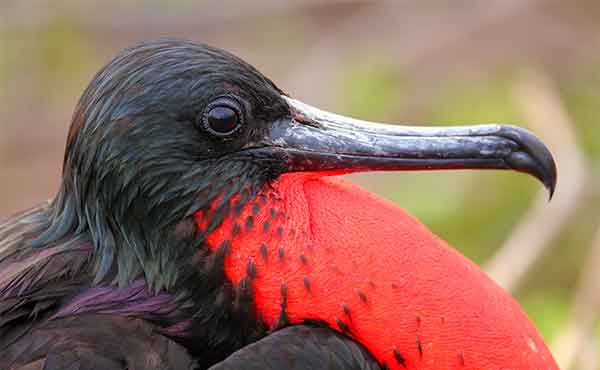
Today starts on South Plaza, a small islet with tall cliffs and a trail sprinkled with various plants and animals. Look for a variety of bird nests, such as swallow-tailed gulls, shearwaters, small ground finches, and red-billed tropicbirds. You’ll also have an opportunity to see a colony of bachelor sea lions and land iguanas. We then sail to North Seymour, where a spectacular sight awaits - frigatebirds with red inflated sacs on their chests, seeking mates.
This evening, enjoy the captain’s farewell party.
-
Day 8:
Disembark San Cristóbal Island
Disembark after breakfast. There's the option to visit the Interpretation Centre on San Cristóbal to discover more about the human history of the Galapagos Islands, before your transfer to the airport.
Please note: Exact itinerary will vary depending on local conditions and wildlife opportunities. Exact vessel will be confirmed closer to departure, however all three vessels are identical.
OPTIONAL EXTENSIONS
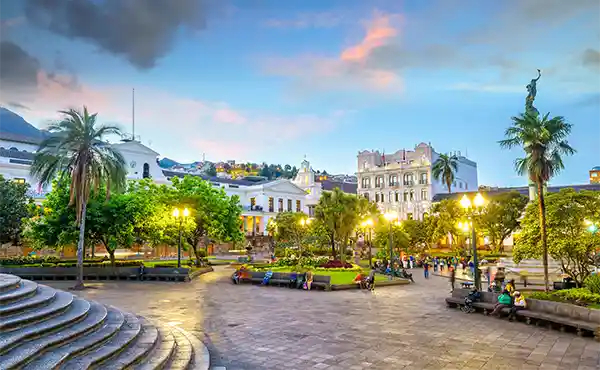
To make the most of your time in Ecuador, why not add an extension to your Galápagos adventure? Wander through the colonial streets and lively markets of
Quito, journey deep into the
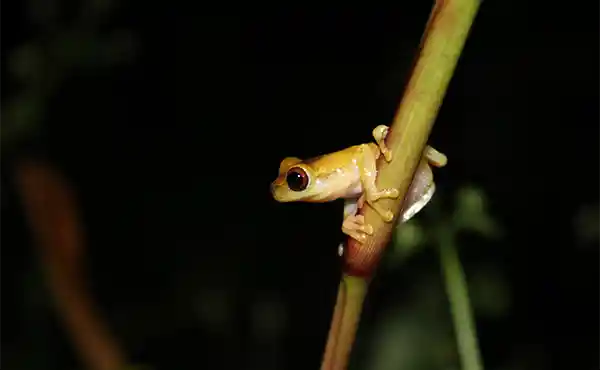
Ecuadorian Amazon for a rainforest experience rich in wildlife or unwind in the
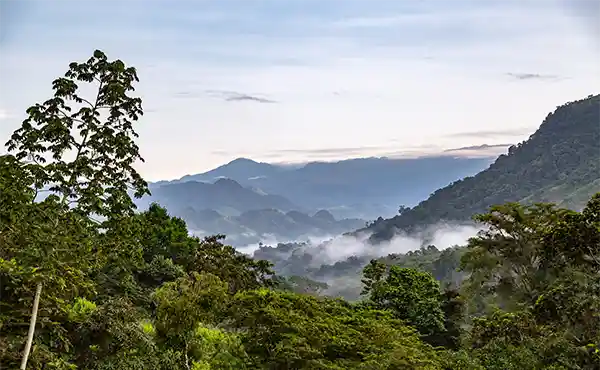
Andean cloud forests. These are just a few suggestions, and you can
ask us for ideas or more information on how to tailor your trip beyond the islands.



 LUXURY VESSEL