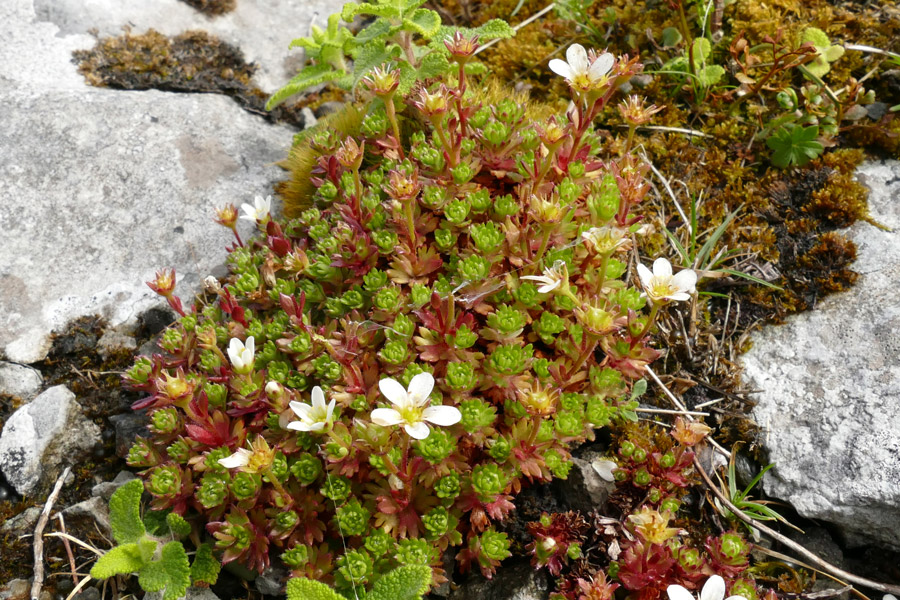
A week-long break to the Burren, an area best known for its unique and rich combination of Mediterranean and Arctic-Alpine flora, but also for its relics of ancient civilisations.
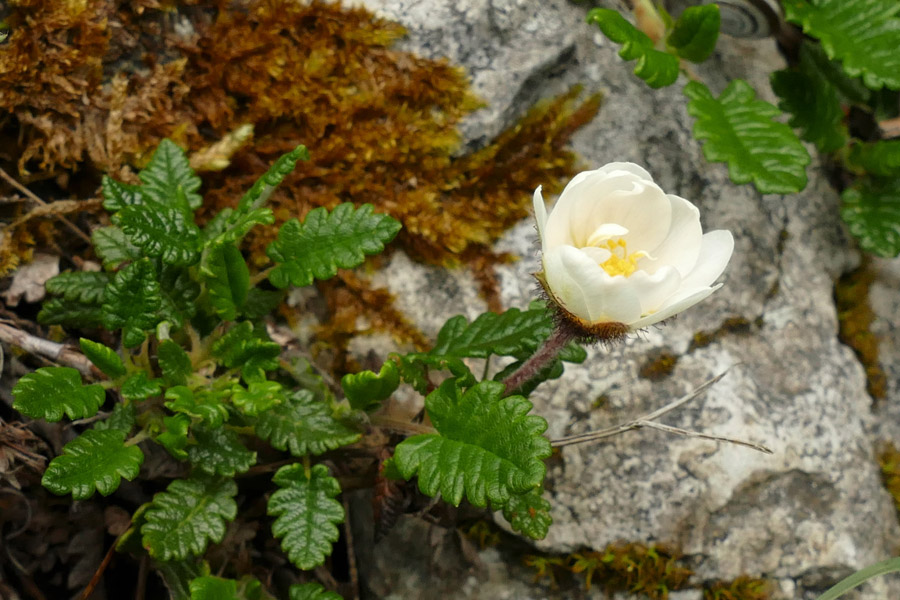
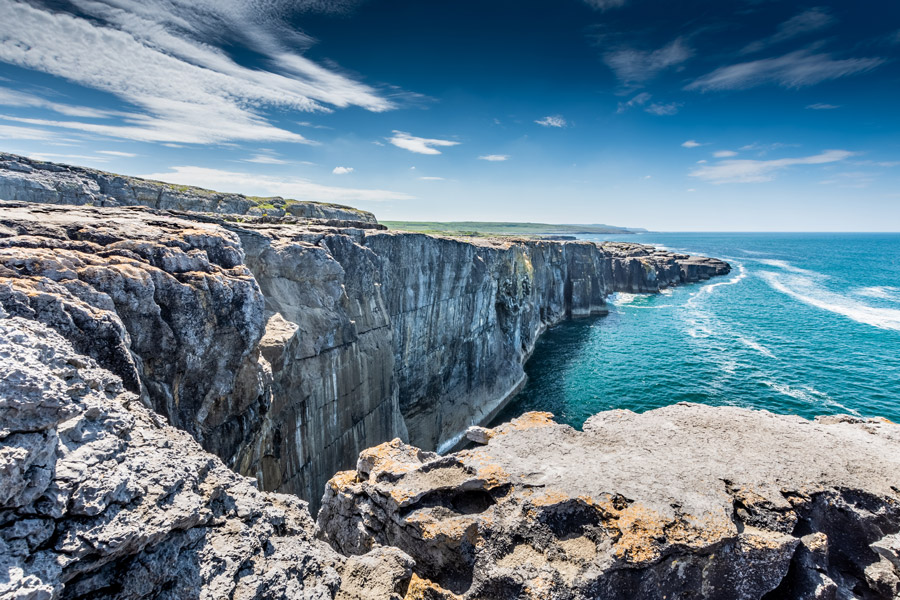
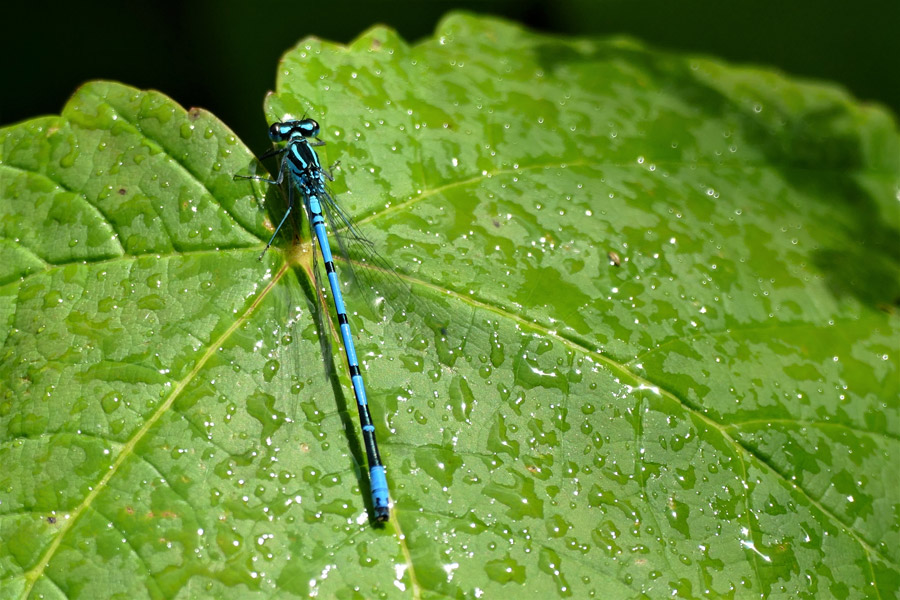
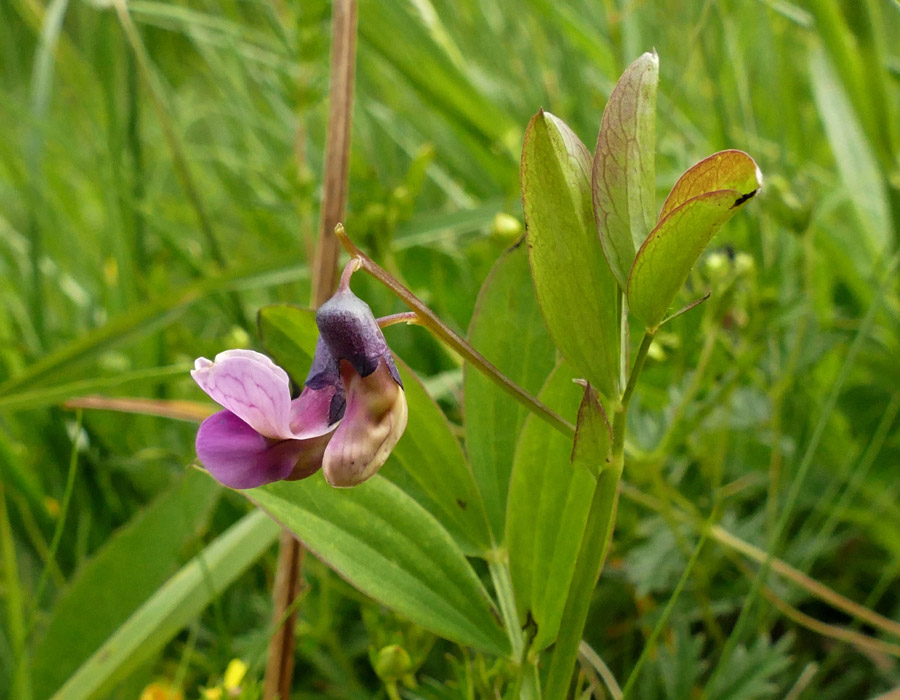
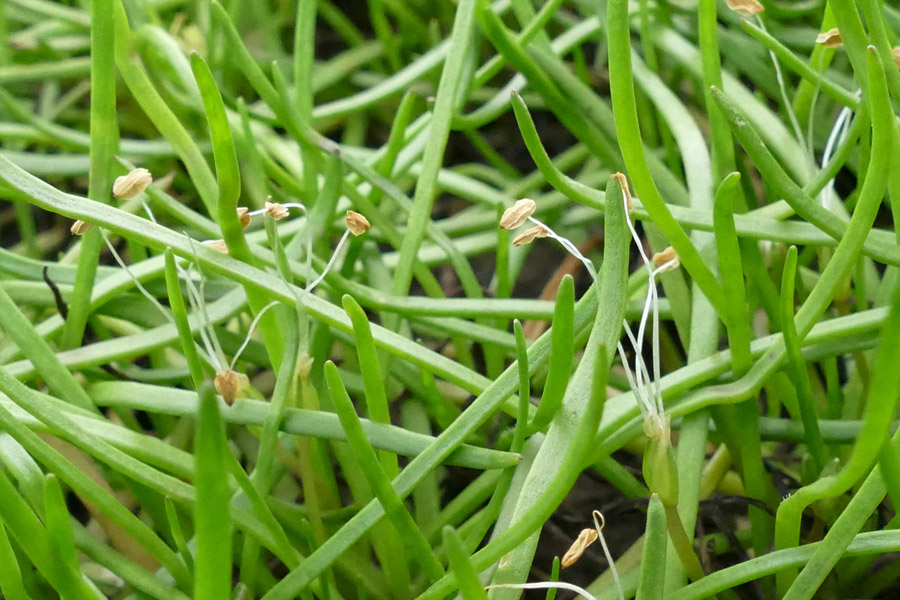
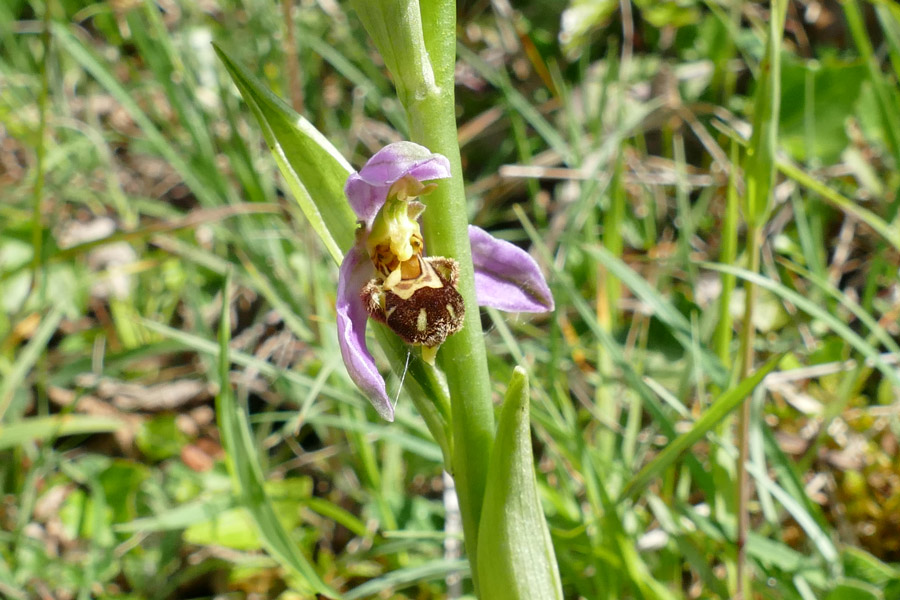
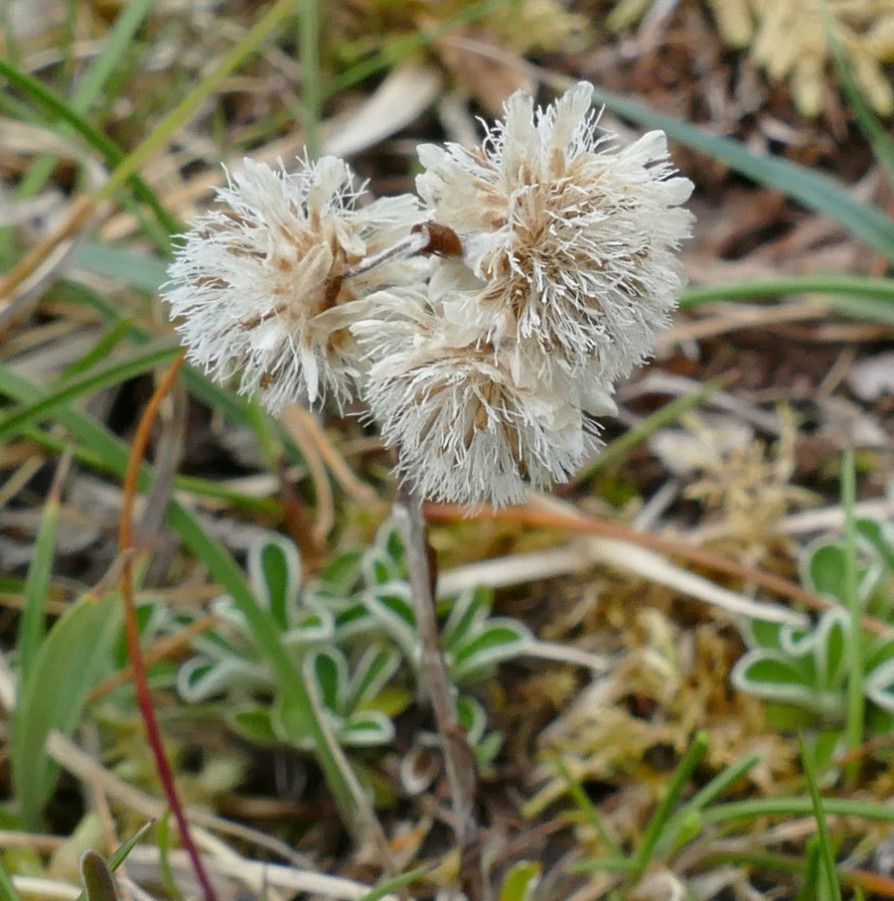
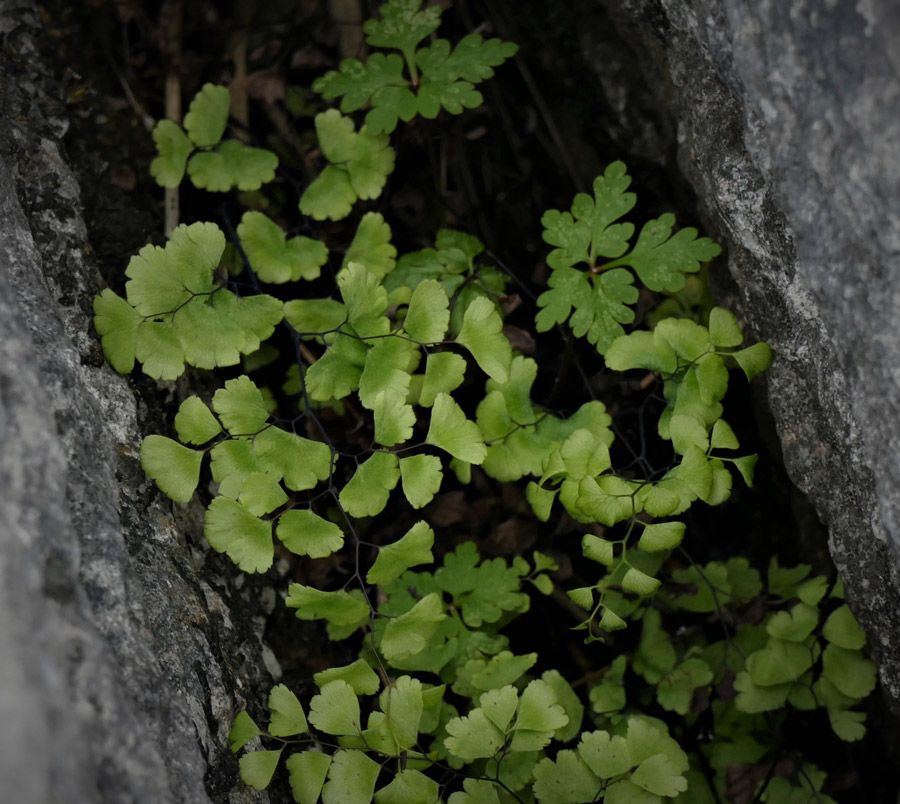
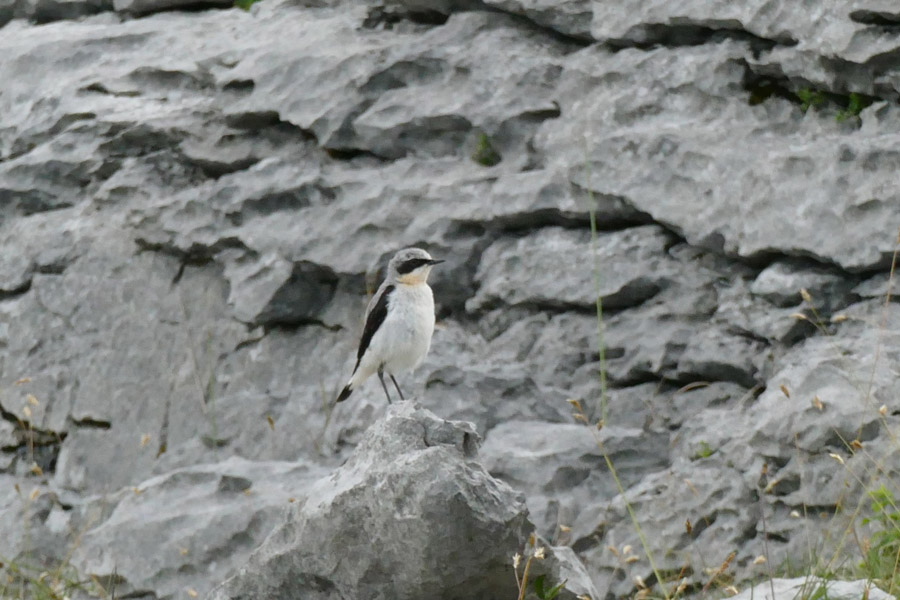
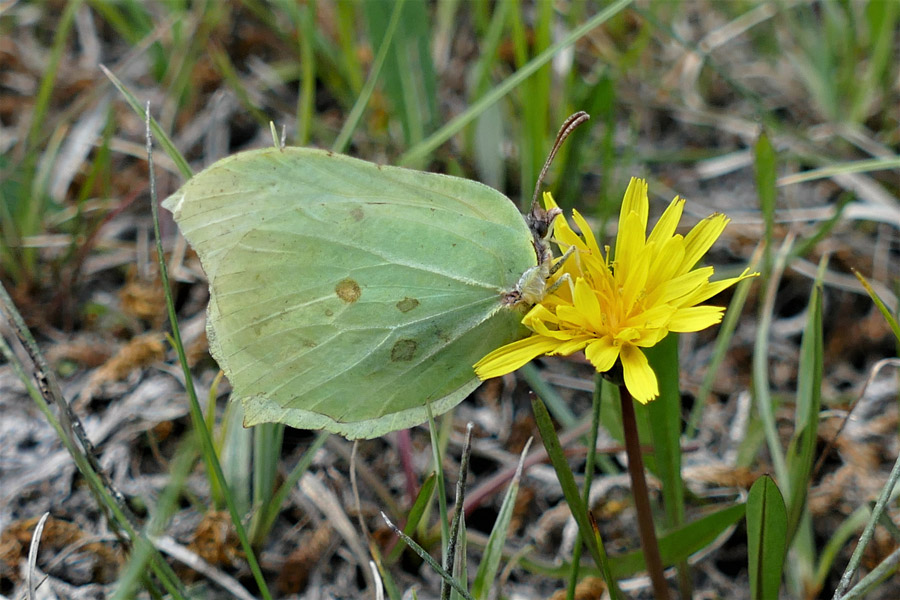
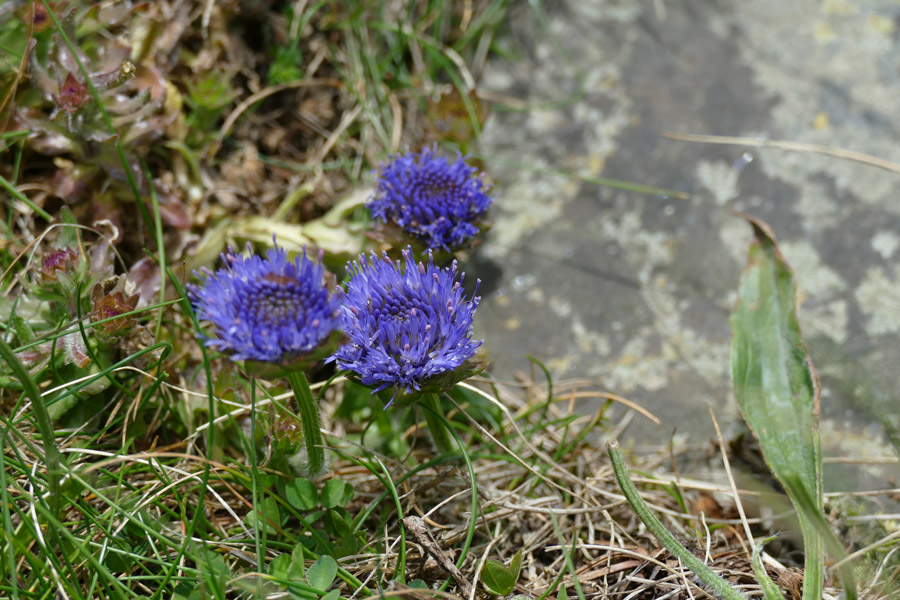
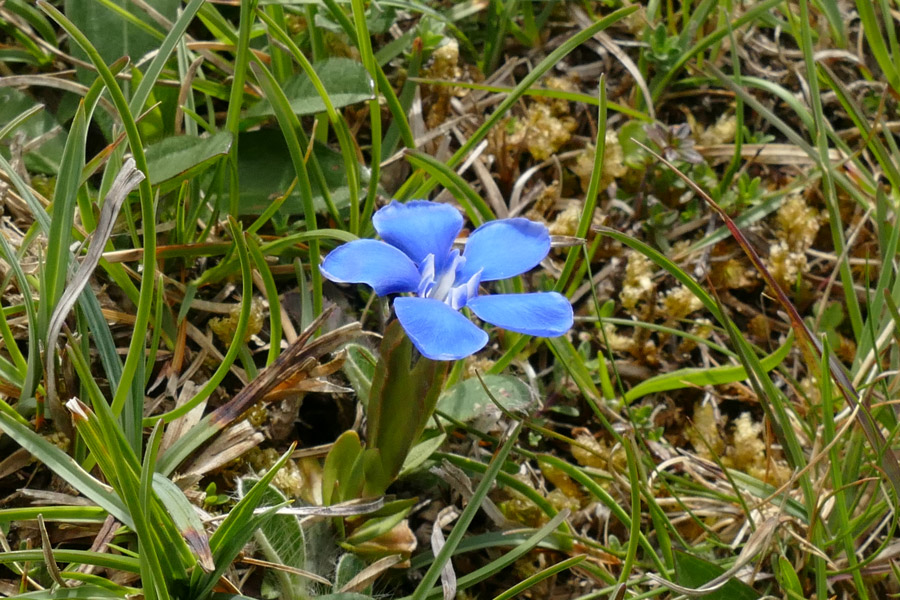
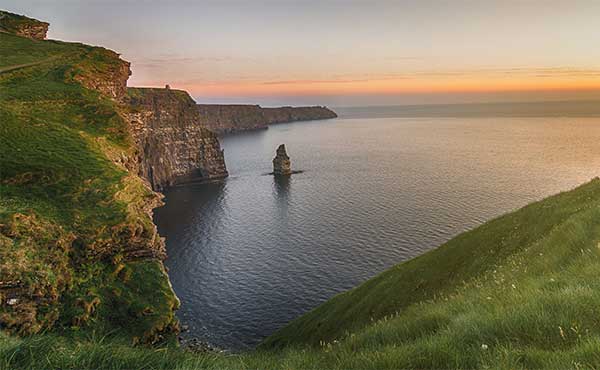
We explore the Burren’s limestone pavement in search of its superb flora including spring gems such as fen violet and mountain avens, rare ferns in gullies, and enjoy the butterfly and bird fauna of the region too (the Burren is home to 80% of Ireland’s butterflies). The Cliffs of Moher are home to seabird colonies, while cetaceans are often seen offshore. During a 2-night stay on the Aran Islands we enjoy the flora and prehistoric remains, plus red-billed choughs and rare butterflies.
Typical Itinerary
-
Day 1:
Arrive Shannon airport & transfer to Lisdoonvarna
After meeting at the airport, we will drive to our hotel in County Clare – about an hour's drive.
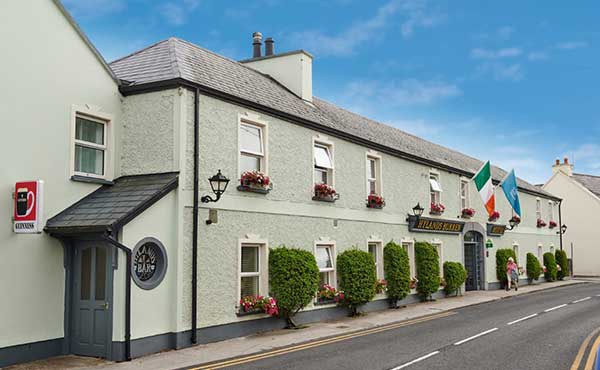
Accommodation: Hylands Burren Hotel, 3-nights
-
Days 2-4
:
Explore the Burren
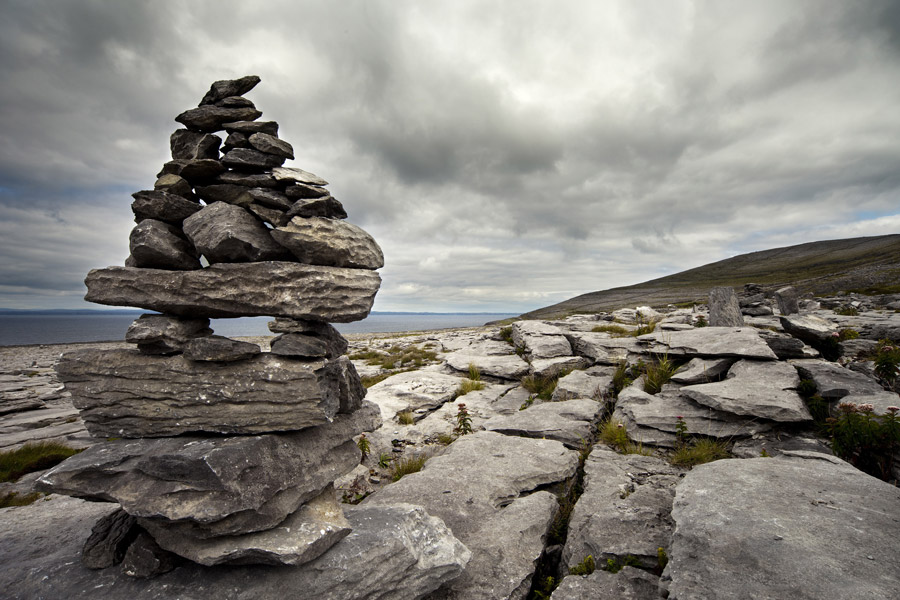
The Burren is the area of limestone karst which extends for roughly 300 square kilometres across County Clare. The region is internationally renowned for its landscape and flora, and a summer visit reveals the full extent of the diversity of flowering plants that live together within a single ecosystem. Arctic and Alpine plants live side-by-side with Mediterranean plants, calcicole (lime-loving) and calcifuge (acid-loving) plants grow alongside one another, and woodland plants grow out in the open without any tree cover to provide shade. Some species that are rare elsewhere are abundant here, and – even more surprisingly – all survive in a land that appears to be composed entirely of rock.
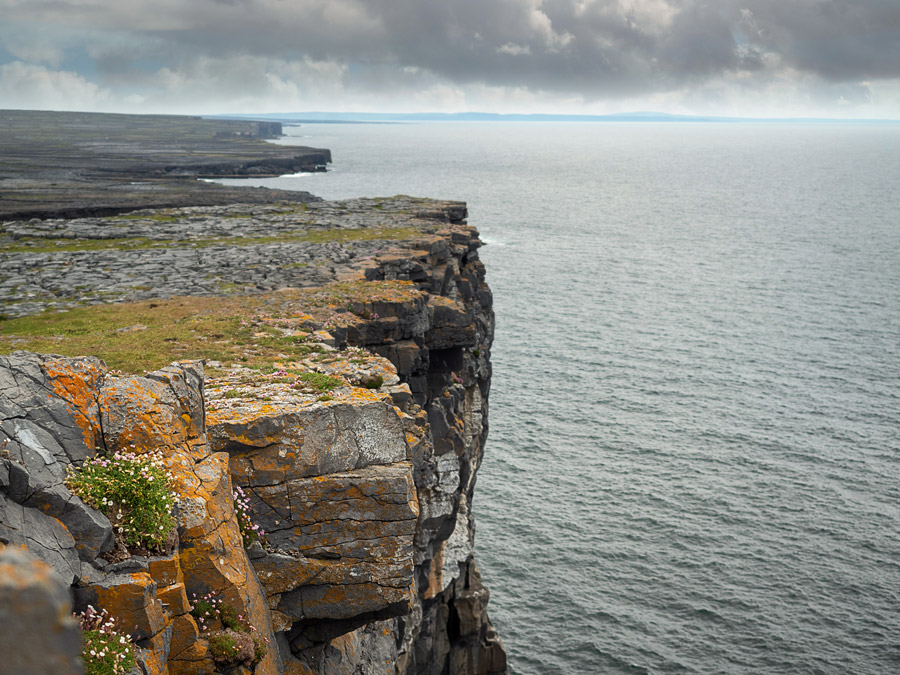
In fact, grikes (crevices) in the limestone provide both shelter and moisture, and so support a wide range of plants, including dwarf shrubs. Where the surface of the limestone pavement is shattered into gravel by the elements, many hardier Arctic or Alpine plants can be found, but where it is covered by a thin layer of soil, patches of grass take over, interspersed with plants such as gentian and orchids. Notable insects include butterflies such as the pearl-bordered fritillary, brown hairstreak, marsh fritillary and wood white; moths such as the Burren green, Irish annulet and transparent burnet; plus the hoverfly Doros profuges.
We explore a beautiful limestone lough and discover stunted yew and hazel scrub, perhaps seeing wood white butterflies, and look out from the hilltops over a very distinctive landscape.
-
Days 5-6
:
Drive and ferry to the Aran Islands
This morning we take a ferry across to Inis Meáin, the middle and smallest of the three main Aran Islands, which has a population of around 160. Although many inhabitants have some knowledge of English, the island is predominantly Irish-speaking, and is one of the most important strongholds of traditional Irish culture. We have a morning to explore on foot and enjoy a picnic lunch.
The island has two notable stone forts: the oval Dú n Chonchú ir (Conor's Fort) has fine views of the other sites and the sea and dates back to the pre-Christian era, while Dú n Fearbhaı́ dates from around the 4th century and is unusual as it is almost rectangular. Another ancient site, the beehive hut of Clochán na Carraige, is highly unusual because its external structure is circular, while the interior is rectangular.
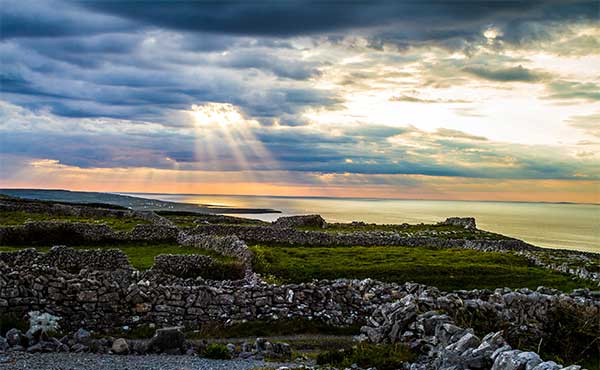
In the afternoon we return to Inis Oı́rr, whose name is derived from the Gaelic Inis Oirthir, meaning ‘island of the east’. The smallest and most easterly island (closest to the Galway coast) covers an area of less than three square kilometres. Geologically speaking, it is an isolated exposure of the Burren, consisting of bare limestone pavement that at one point rises to an elevation of 60 metres. With its breathtaking scenery and distinctive flora it’s a walker’s paradise, with few motor vehicles. The traditional mode of transport is to hire a pony and trap at the pier, driven by a friendly islander who will natter on and answer questions about island life. But by far the best way to get around here is by walking, as this gives you a better feel for island life; the clearly marked trail that leads around the island takes some four hours to complete.
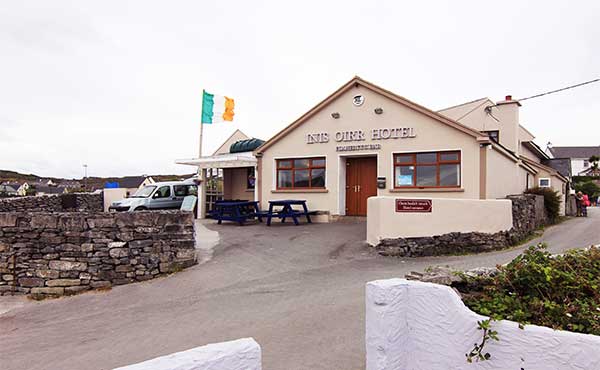
Accommodation: Hotel Inis Oirr, 2-nights
-
Day 7:
Return to Lisdoonvarna
In the morning we pay a visit to the Cliffs of Moher for seabirds, before taking a ferry to Doolin and our hotel back at Lisdoonvarna.
Accommodation: Lisdoonvarna, 1-night
-
Day 8:
Transfer to Shannon airport
Early afternoon we transfer to Shannon airport where our tour ends.