Big Cats out of Africa

Everyone loves big cats. No other group of animals combines grace, elegance, beauty and power in such a compelling way. Like so many, wildlife photographer Nick Garbutt is bewitched by their spell.
In a sense the safari industry was born in Africa, and with it our love affair with big cats. With the passage of time, the flames of passion have shown no signs of diminishing, if anything, they have grown more intense. Of course, any wildlife destination offers so much more to enjoy than one species or type of animal, but canvas opinion today and seeing lion, leopard or cheetah in Africa remains towards the top of any ‘hope to see’ list.
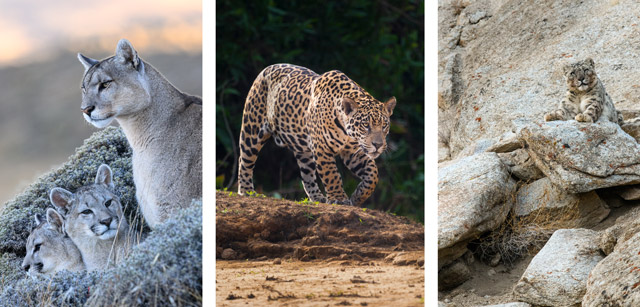
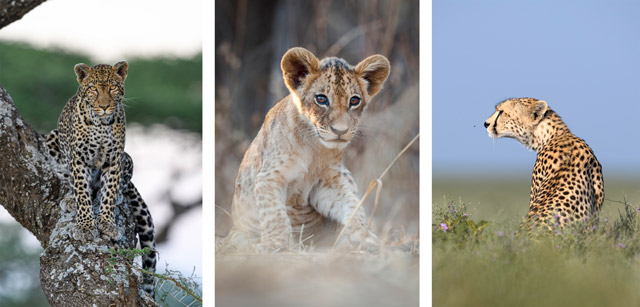 What has changed dramatically, particularly over the past 20 years, is the opportunity to see big cats in other parts of the world. It was not too long ago that the notion of seeing a snow leopard, a jaguar, or a puma was unheard of. Such things resided in the realms of fantasy. These species remained shrouded in mystery, and out of reach, perhaps adding to their allure. No emotional being would ever contest that big cats are supremely majestic and beautiful. Few other animals set the pulse racing in the way that they do.
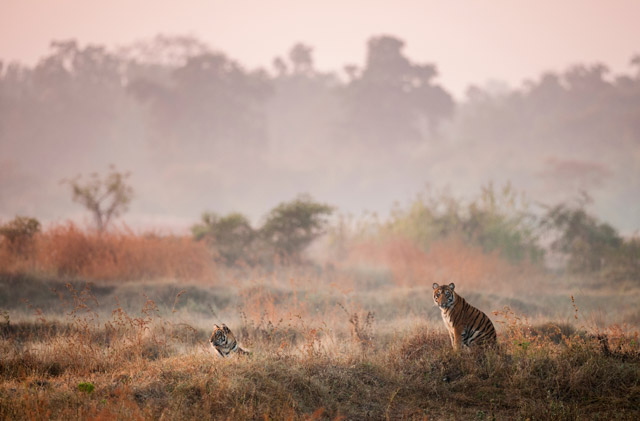
 As arguably the most beautiful of all cats, the tiger for many represents the ultimate animal to see in the wild. And despite their place in the world remaining precarious (as is the case for all big cats), they have never been easier to see. Over the past decade populations in India (where most remaining tigers live) have rebounded, with relatively healthy numbers now inhabiting many of the premier (and less well-known) tiger reserves. Coupled with this, improvements in rules and regulations in many parks, has dramatically improved the ‘tiger watching’ experience. Therefore, there has perhaps never been a better time to experience the spinetingling thrill of hearing early morning alarm calls in an Indian forest and then catching a glimpse of a shimmering orange and black flank as a tiger walks along a forest edge. Find out more about photographing tiger on our Nagarhole Photo Safari.
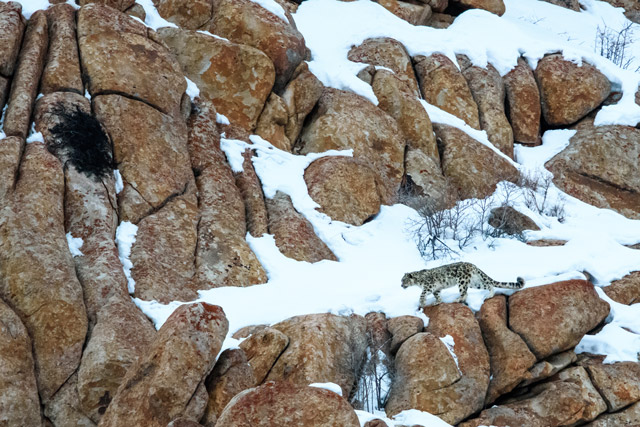
 India is also home to another even more elusive big cat, the mythical snow leopard, for good reason often referred to as the ‘grey ghost’ or ‘ghost of the mountains’. It’s only 15 years ago that we were all ‘wowed’ by pictures beamed into our living rooms of a wild female hunting a goral (type of wild goat) during the BBC’s landmark Planet Earth series. Now viewing such wildlife is possible yourself. The mountains of Ladakh in northern India are prime snow leopard habitat. A delightful homestay lodge at the head of a beautiful remote valley offers the chance, not only to experience the awe-inspiring grandeur of the Himalayas, but also to immerse oneself in the realm of an animal that defines the very essence of wilderness. The snow leopards influence is pervasive, infiltrating the consciousness and sub-consciousness of Ladakis and visitors alike. And the thrill of seeing one slink across a snowcovered mountain slope sears memories into the mind that will last forever.
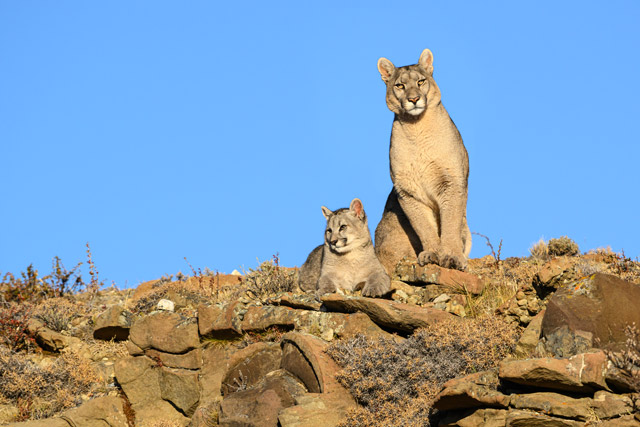
 Across the globe, at the foot of South America, lies a similarly stunning and harsh landscape, the rugged mountains of Torres del Paine in Patagonia, that are home to the world’s most visible pumas. Certain areas both inside and outside the national park (that superficially resemble UK moorland) supports high densities of guanacos, the pumas’ main wild prey, and these have consequently become the prime areas to look for cats. What sets this experience apart is that most puma tracking is done on foot. Walking freely through the environment of both prey and predator make this an extremely immersive, visceral experience. And because so many of the cats are now tolerant and pay little attention to the interest they draw from humans, it’s possible to observe and photograph them at very close quarters on our Pumas, Condors & Landscapes in Winter trip.
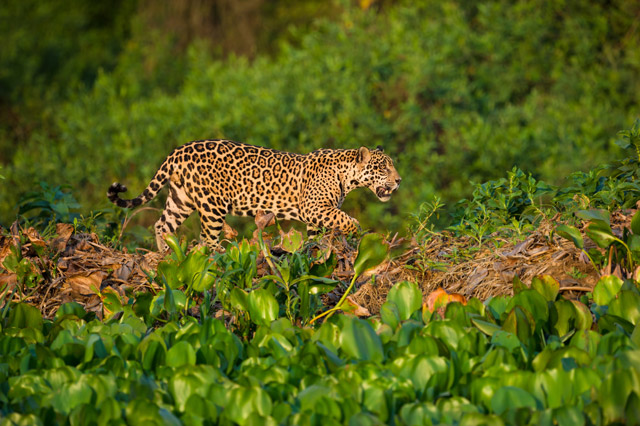
 Further north, the Pantanal forms the largest wetland in South America – a bridge between the humid Amazonia forests further north and the colder, temperate regions to the south. This semi-aquatic world is a refuge for a water-loving big cat, the jaguar: the continent’s quintessential apex predator. So much more than a ‘beefed up’ leopard, a jaguar is more a Rottweiler in cats clothing – thick-set, muscle-bound and oozing attitude. Exploring the rivers and backwaters that cut through mosaics of forest and grassland offers the chance to see and photograph jaguars intimately. The prime areas are extensive and the waterways a labyrinth, so it’s always possible to get away from others and find jaguars to photograph in solitude where opportunities are regularly plentiful and varied. View all our jaguar photography trips to Brazil here.
Contact our team to book your big cat holiday, or view all wildlife photography holidays led by Nick Garbutt.