Explore the Galapagos Islands with Us!

We are delighted to announce new dates on our 12-night exclusive charter voyage aboard the Beluga MV around the Galapagos archipelago, with two options for you choose from. Our April departure will be led by cetacean enthusiast Helen Bryon, whilst Mark Carwardine and Chris Breen are at the helm for a dedicated photographic departure in May.
In September 1835, a young Charles Darwin, travelling aboard the HMS Beagle, arrived in the Galapagos Islands and set about collecting and observing a range of specimens that were later to play an instrumental role in formulating his Theory of Evolution, changing our understanding of life on Earth forever.
For many, this reason alone is enough to warrant a visit to this remarkable archipelago, but when considered alongside the unique wildlife experiences to be seen on land and in the water around these remote islands, a visit should be on the bucket list of every wildlife enthusiast.
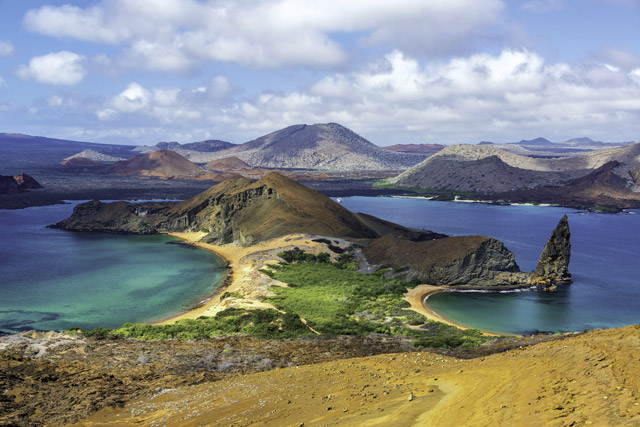 With this in mind we are delighted to offer two new exclusive 12-night voyages to the Galapagos. Travel in April with team member Helen Bryon, or join Mark Carwardine and Chris Breen in May on a photography special.
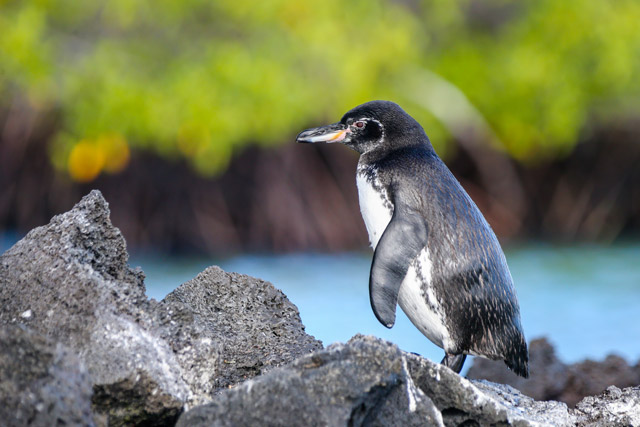 Travelling aboard the exclusively chartered 16-berth MV Beluga, we have designed comprehensive itineraries that will allow participants to experience and photograph the region’s famed wildlife first hand, gaining a fascinating insight into the ecology and history of the respective islands. Having evolved largely in the absence of humans, many of the creatures that reside in the Galapagos show little or no fear of visitors and can be observed at close quarters, allowing for some superb photographic opportunities. This applies not only on land, but also in the sea where it is possible to swim with Galápagos sea lions, penguins and green turtles. With luck there may also be the chance to observe marine iguanas grazing underwater on algae, a mind-boggling spectacle that both intrigues and fascinates in equal measure. On land these ancient-looking creatures appear awkward and clumsy, but on taking to the water they move with surprising grace.
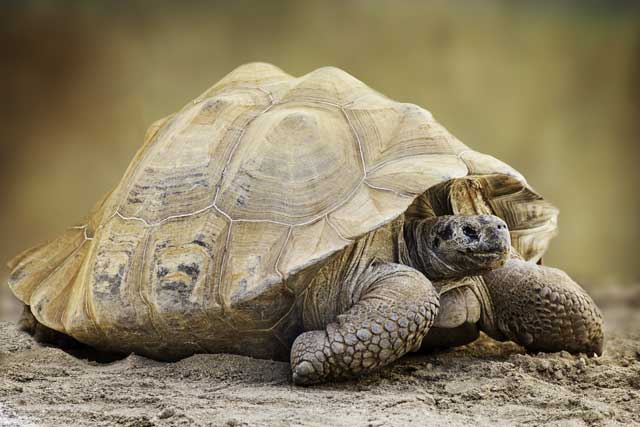
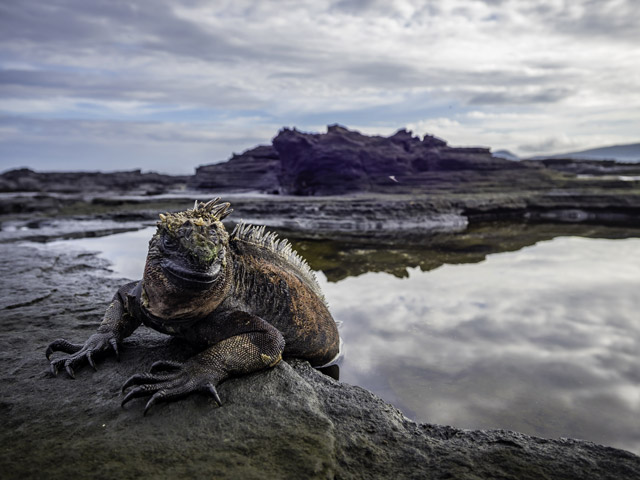 Stepping ashore we find an environment dominated by reptiles, one of the world’s few ecosystems in which they are the top natural herbivores. The equatorial setting of the islands ensures that they receive sufficient heat to function and their drought-resistance capabilities allow them to survive extended periods without rain – attributes that facilitated their initial trans-ocean crossings from the mainland. Today there are no fewer than 21 species, ranging from the enormous 270 kilogramme giant tortoise to the diminutive lava lizards, geckos and three species of snake. Metre-long yellow-tinged land iguanas are conspicuous throughout the islands and once warmed, can move with surprising speed, defending territories ferociously in the breeding season.
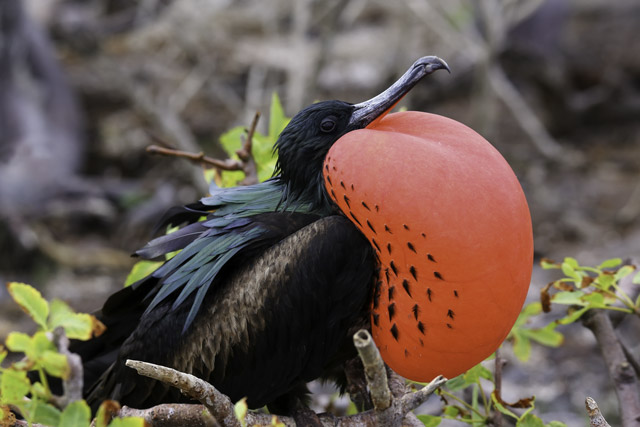
 While doe-eyed Galapagos fur seals lazing on white sandy beaches will undoubtedly win the ‘cute’ vote, it’s the incredible birdlife of the Galapagos that is likely to take centre stage. Travelling in April-May, we can expect to encounter displaying blue-footed and masked boobies, magnificent frigatebirds and waved albatross, and on the shores of Isabela and Fernandina, the endemic Galapagos flightless cormorant. At sea elegant red-billed tropicbirds, lava gulls and brown noddies keep company with our vessel, while great blue herons, yellowcrowned night herons and lava heron patrol the rocky shorelines.
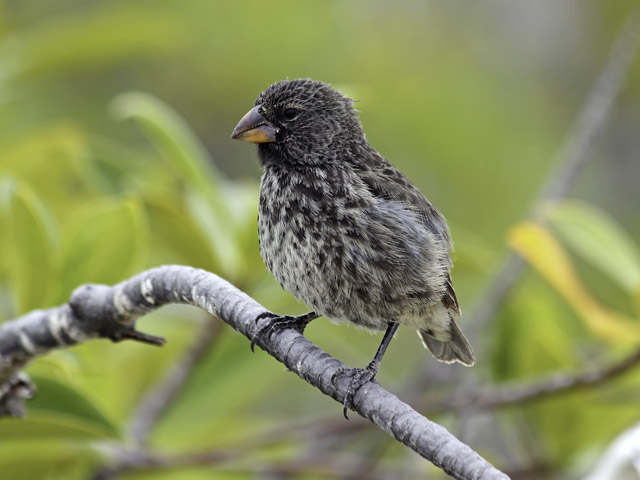
 Despite their comparatively drab appearance, it is the 13 species of sparrow-like Darwin’s finches, that are perhaps the most fascinating from an evolutionary perspective, each species having evolved from a common ancestor to occupy a different ecological niche, reflected in the incredible range of bills on display.
 In short, this is a place which every naturalist must visit, to have their understanding of the natural world remoulded, to walk in the footsteps of (and with) the pondering mind of Darwin, and to witness one of the wild world’s true wonders.
Find out more about our Galapagos Wildlife Cruise or our Galapagos photography special. For more information, contact our Wildlife team.