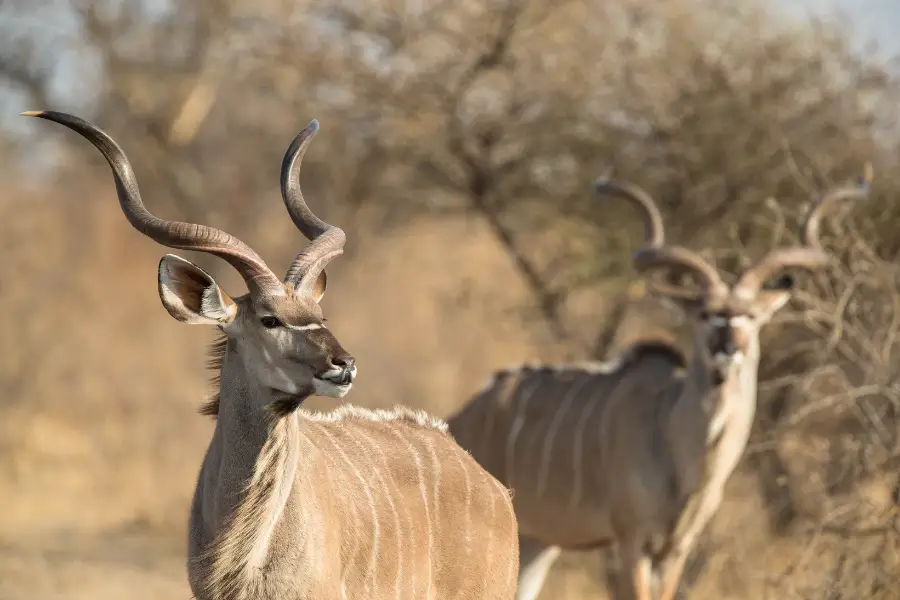
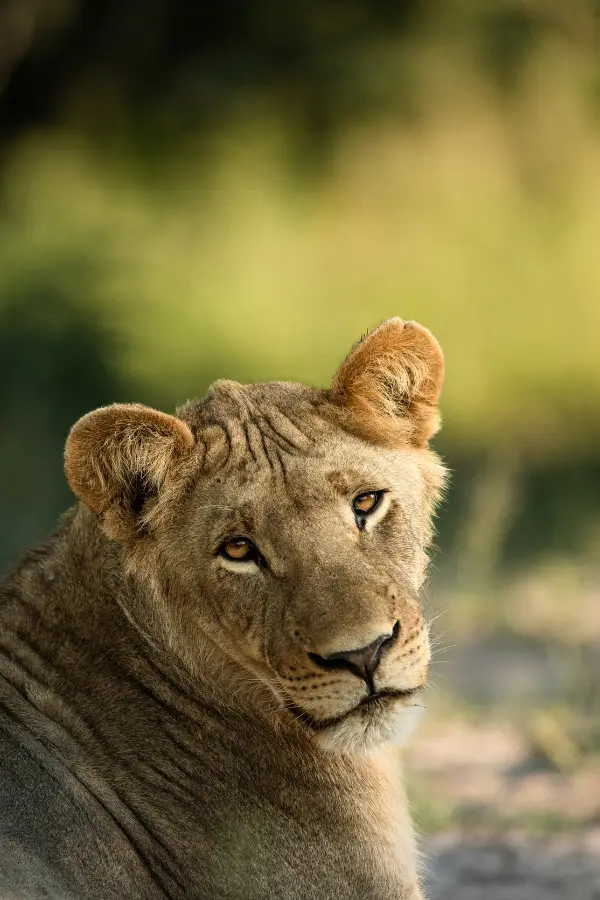
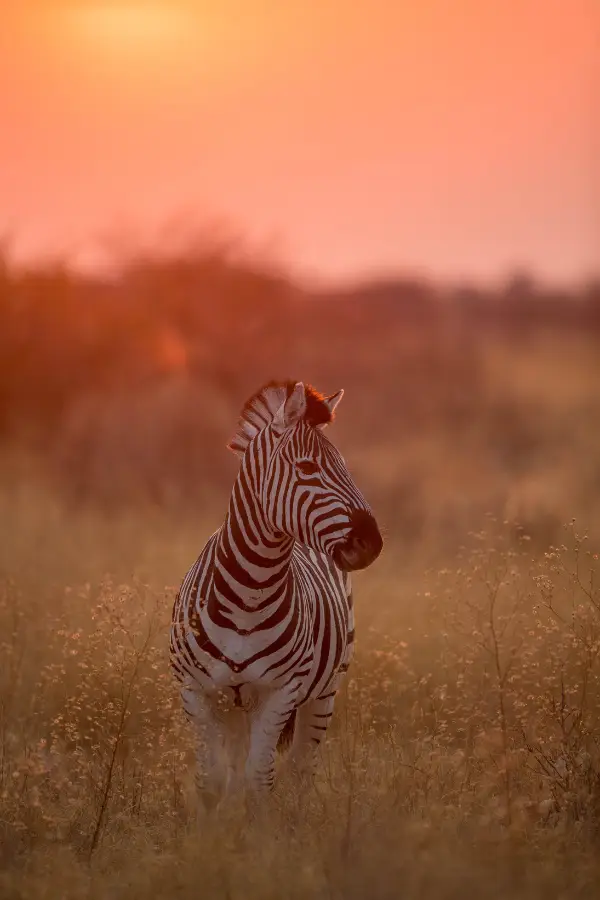
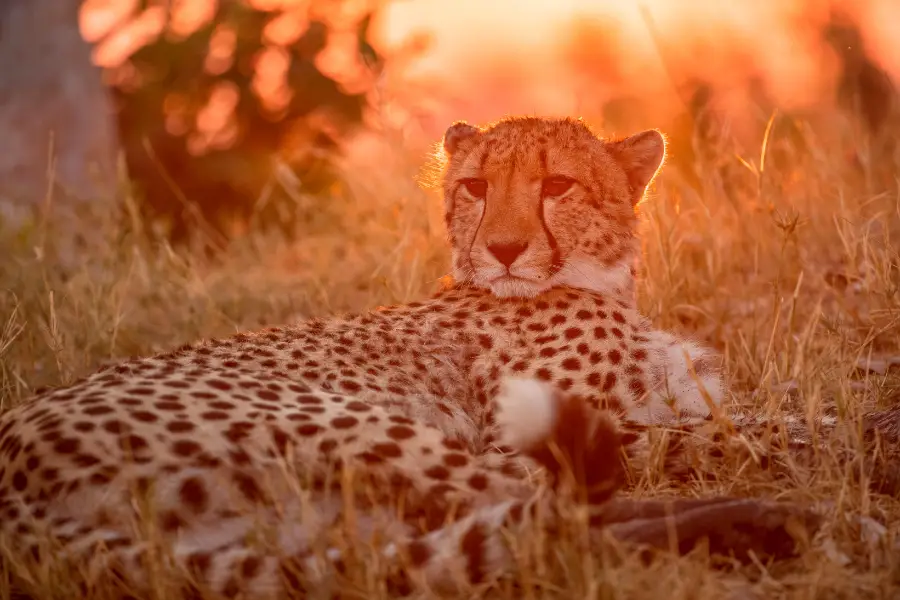
Experience the vastness of Central Kalahari Game Reserve and the Okavango Delta on this luxurious fly-in safari, searching for iconic and specially-adapted wildlife in two of Africa’s most fascinating biomes.
Botswana is a country known for its incredible wildlife encounters, particularly within the awe-inspiring Okavango Delta, undoubtedly the country’s premier wildlife destination. However, the often-overlooked Central Kalahari Game Reserve provides a stark contrast to the Okavango’s wetland paradise, and poses its own merits as a fantastic wildlife viewing destination.
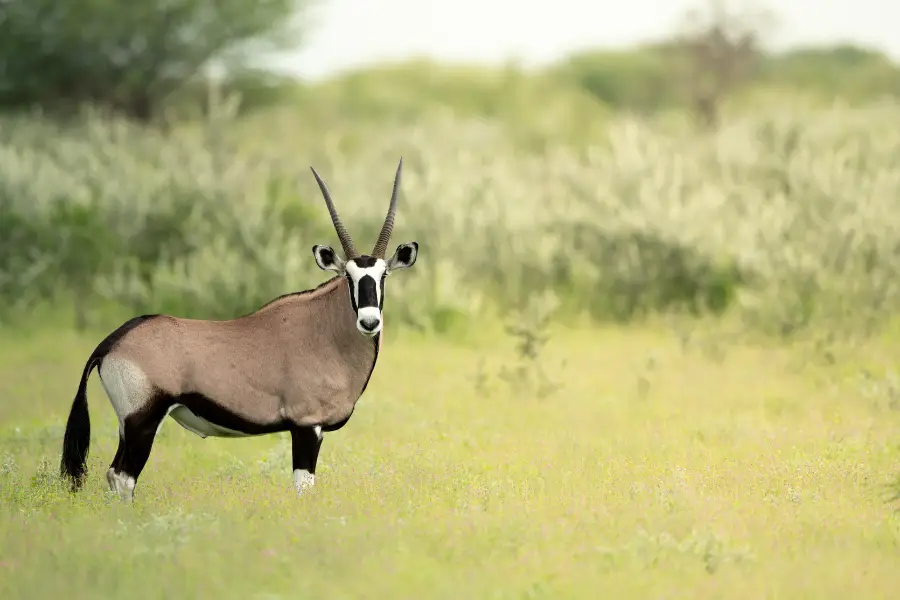
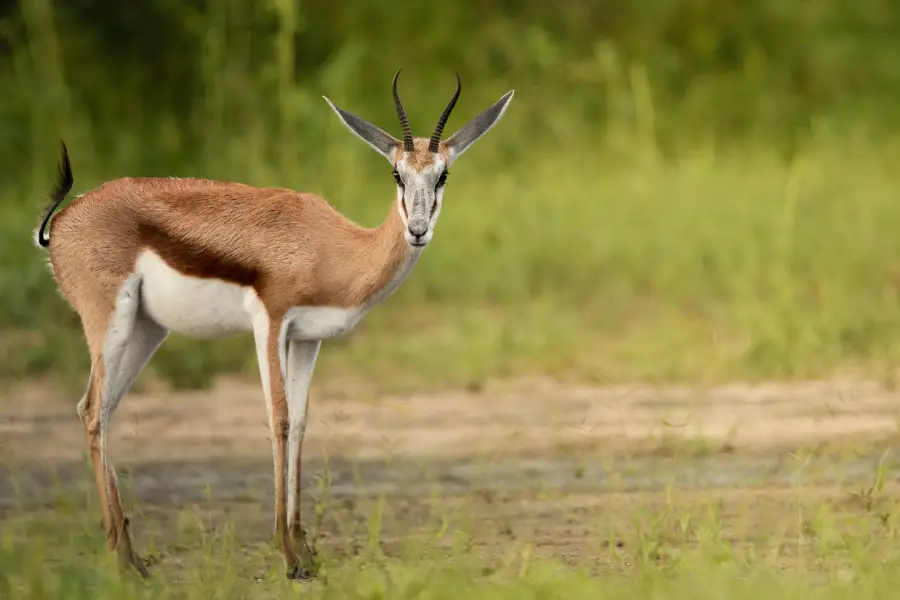
The semi-arid desert is home to a host of well-adapted antelope species that are absent from the Delta, including gemsbok, springbok and eland, not to mention the elusive brown hyena and the magnificent black-maned lions the Kalahari is famous for. By visiting both locations, this itinerary also greatly increases the chances of viewing the Big Five, with the opportunity to track white rhino in the Kalahari. This is a species seldom seen in the Okavango Delta, with the only population residing on Chief’s Island after a successful reintroduction.
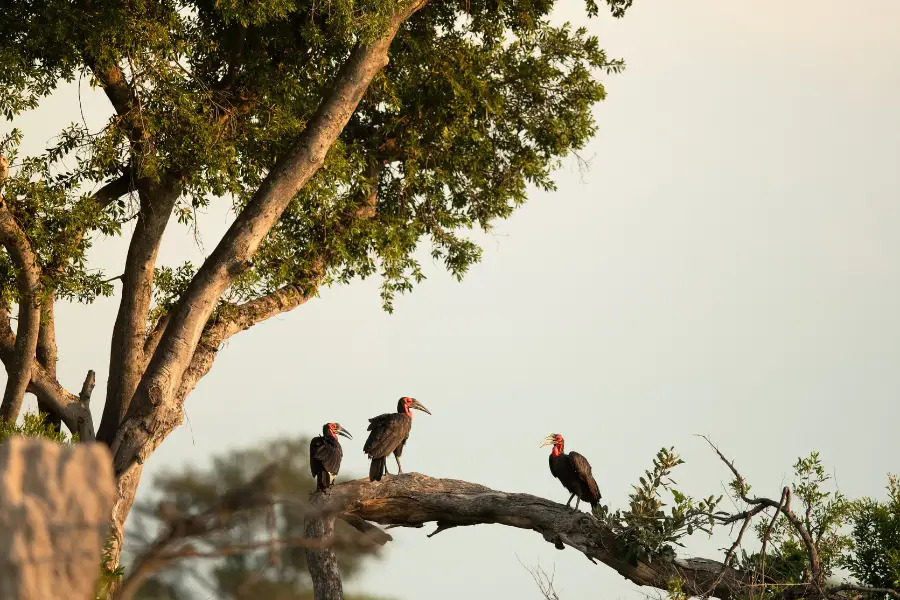
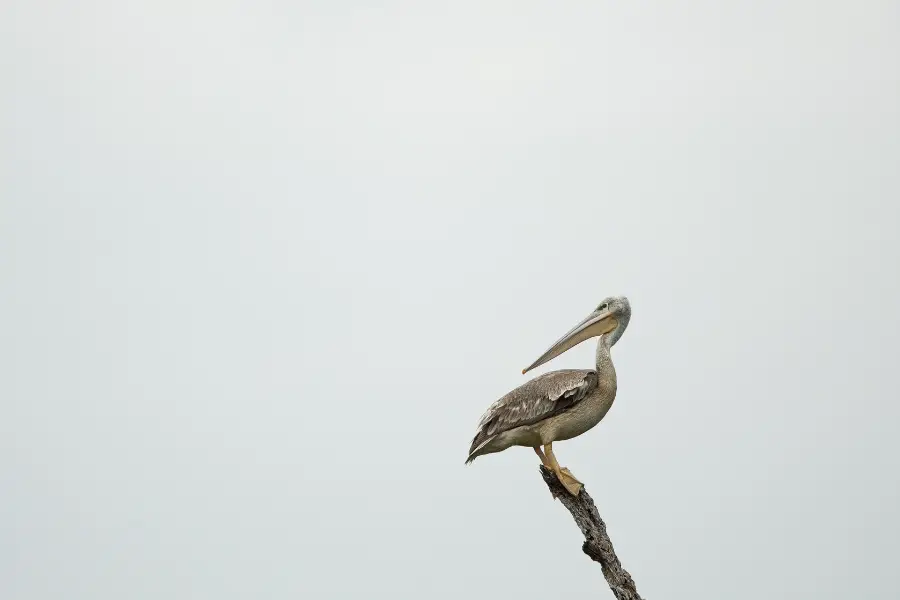
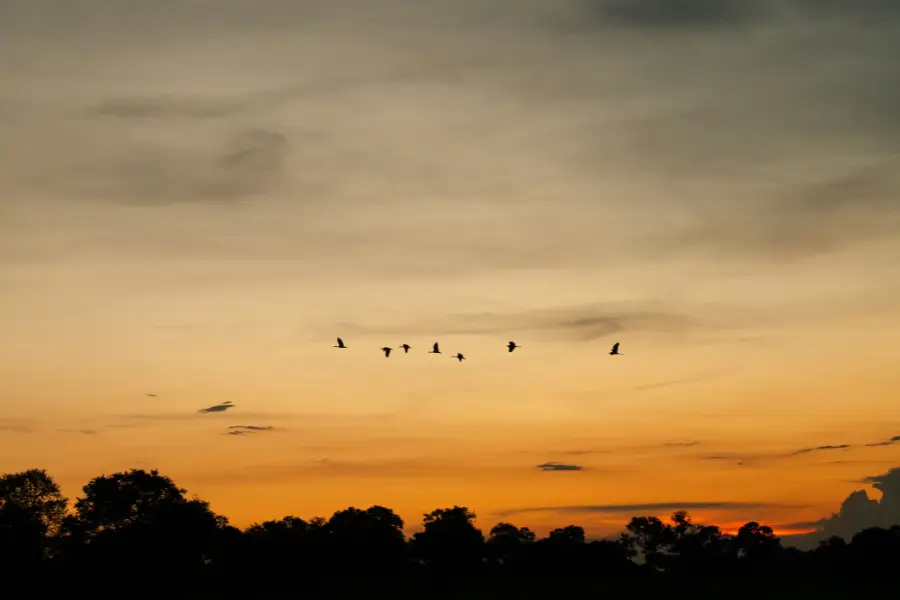
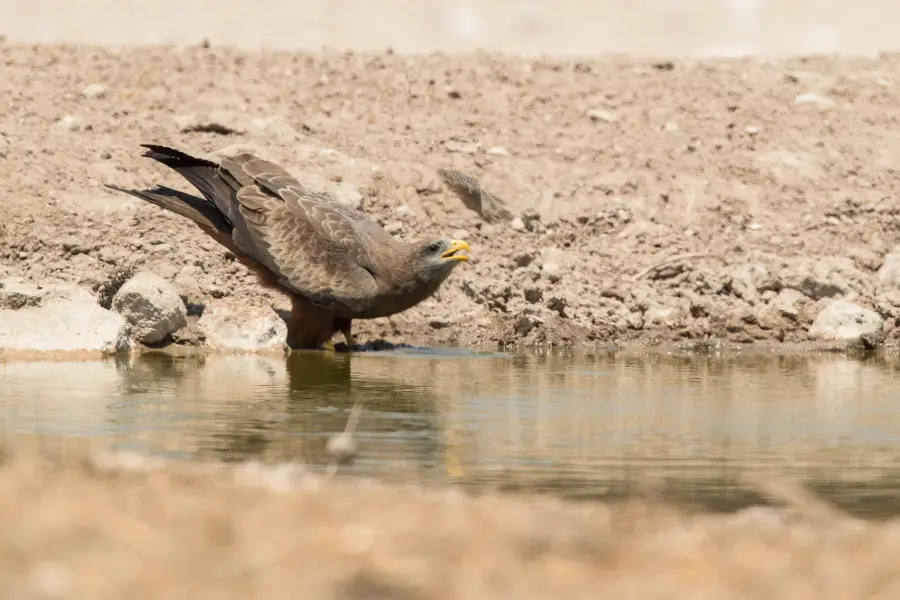
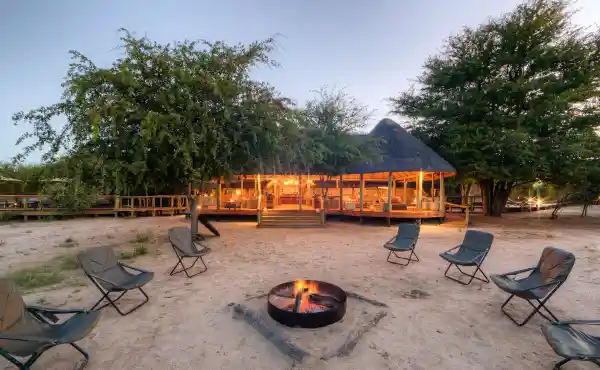
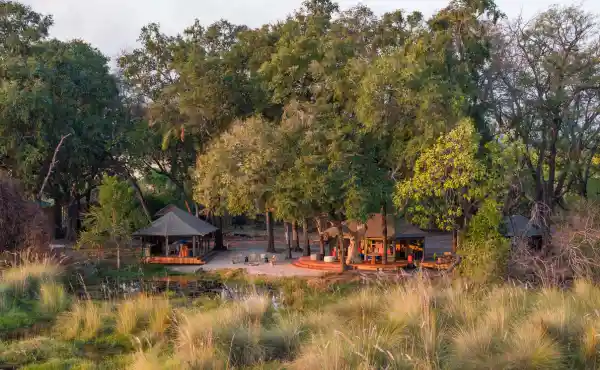
Stay at stunning luxury safari camps within their own private concessions, which are in prime areas for wildlife viewing. They guarantee low vehicle densities, top-class hospitality, and incredible sightings with all of Africa’s top predators; lion, leopard, cheetah and African wild dog possible at both locations. The variation in birdlife is astounding as you explore the two different biomes, with the numerous raptors of the Kalahari preying on the abundance of small mammals and reptiles whereas in the Delta, storks pluck fish and amphibians from their watery haven.
As per your preference, explore both destinations on game drives and on foot under the tutelage of expert guides, with the unparalleled wilderness experience of the San Bushmen enhancing your understanding of the Kalahari ecosystem and survivability. Within the Delta, tranquil mokoro trips offer a different perspective of the expansive wetlands. Photographic opportunities are fantastic with the use of a private vehicle (at additional cost) as Dinaka Camp houses four photographic hides/underground bunkers strategically positioned at busy waterholes, where fantastic eye-level shots can be captured. At Shinde Footsteps, the dramatic sunrises and sunsets produce a magical orange back and sidelight that's so quintessential of the Okavango.
Suggested Itinerary
-
Day 1:
Depart UK
Depart the UK on an overnight flight to Maun via Johannesburg.
-
Day 2:
Arrive in Maun and fly to the Kalahari
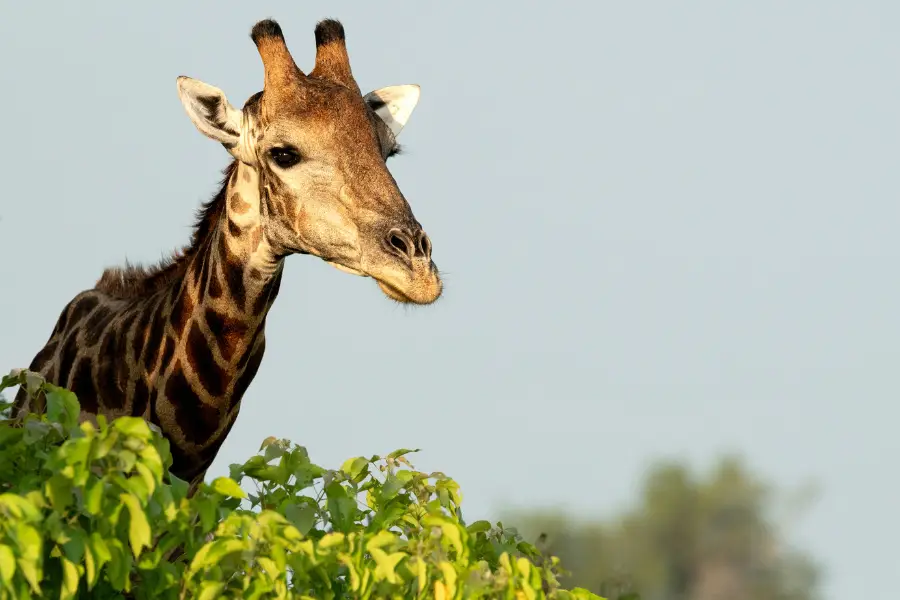
Once you've collected your bags and cleared immigration, a representative meets you in arrivals, ready to assist you as you prepare to board your light aircraft flight to the Kalahari. The flight takes approximately 30 minutes, during which time you can admire the changing landscape below. As you begin your descent, keep your eyes peeled for your first sightings of giraffe, kudu and gemsbok, or perhaps you may be greeted by lions relaxing in the shade on the fringes of the Dinaka Airstrip.
Your guide waits to collect you prior to landing and once you've disembarked, transports you to camp where you receive a welcome drink and safety orientation before being shown to your room.
This afternoon you embark on your first game drive, searching for a wealth of desert-adapted species before returning to camp after dark.
Accommodation: Dinaka Camp, 3-nights
-
Days 3-4
:
Explore the Kalahari
The next two days are spent venturing into the Kalahari as the sun rises. Serenaded by the dawn chorus, you search for predators such as lion, leopard and brown hyena who begin to wind down following an active night on the prowl.
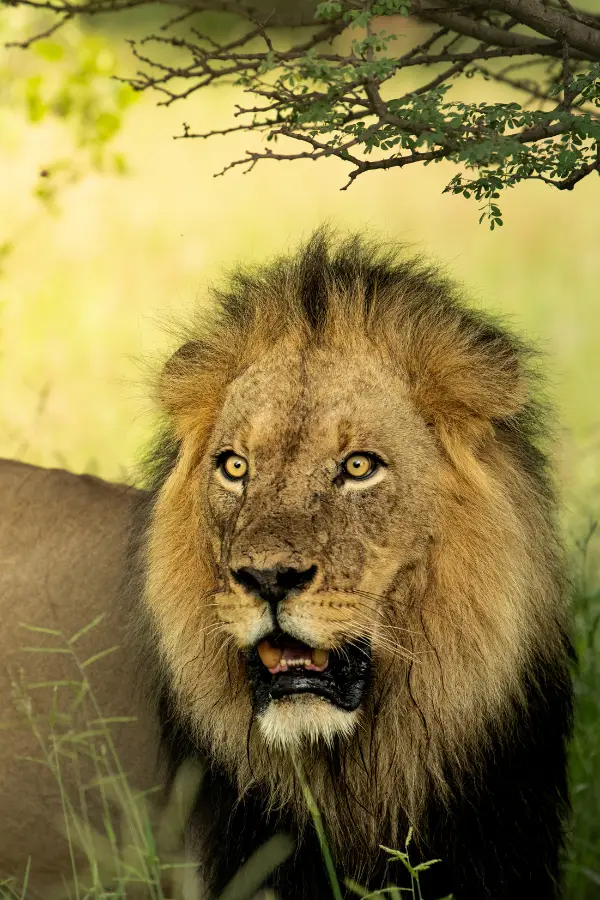
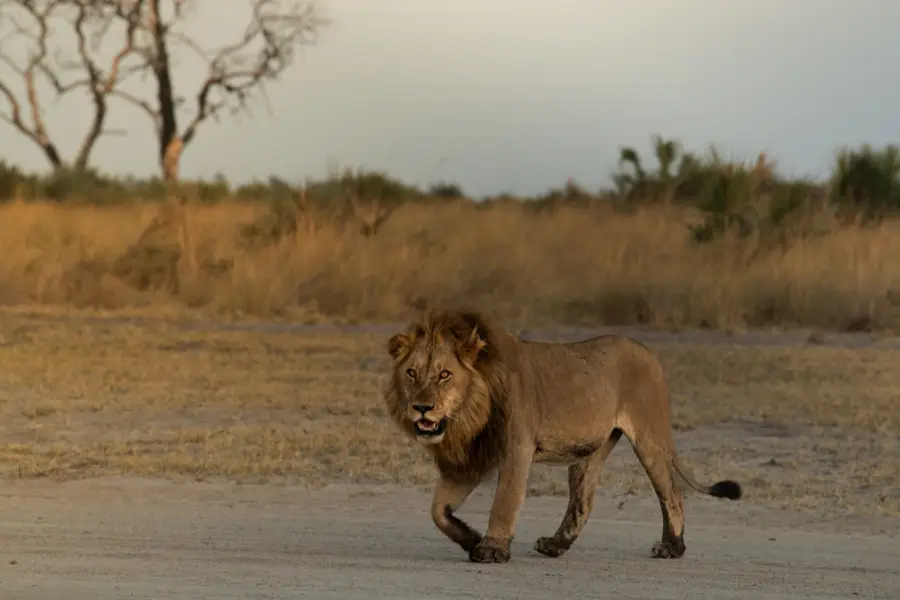
The Kalahari lions are revered for their iconic black manes; studies believe this to be the result of a combination of genetic, hormonal, and environmental factors. It's thought that the thicker, darker fur is a symbol of good health, strength and dominance, acting as a deterrent to rival males and assisting in attracting females. There are few sights more awe-provoking than one of these magnificent males draped in the soft amber glow afforded by the African morning sun.
Assisted by the monitoring team, white rhino tracking also takes place early in the day, as you patrol the reserve in search of signs of these megaherbivores; footprints, middens of dung, scrapes on the road left behind by territorial males and smoothed edges of termite mounds, used as scratching posts.
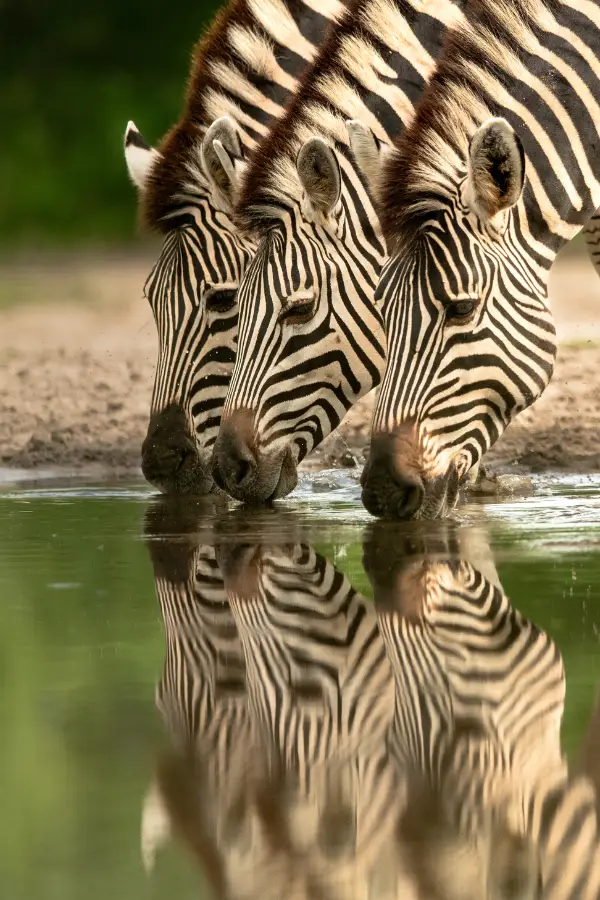
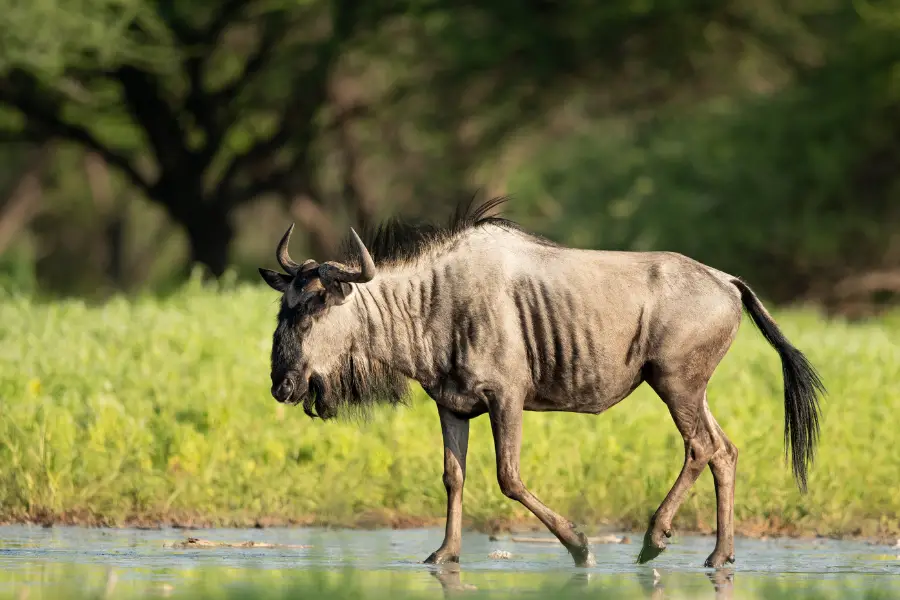
As your search for wildlife great and small continues, you visit numerous waterholes in the hope of finding various antelope such as gemsbok, springbok, blue wildebeest, red hartebeest, kudu, eland and impala quenching their thirst as the day begins to warm. Many of these species make use of remarkable adaptations to survive in this extreme environment, where temperatures can range from minus eight degrees Celsius on winter nights to 40 to 50 degrees during the height of summer.
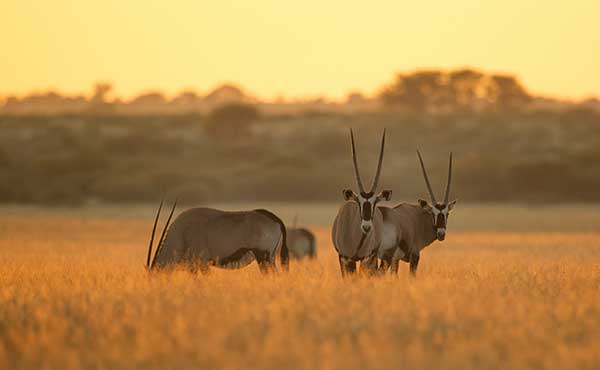
Gemsbok in particular are exceptionally well-adapted to desert landscapes; their low metabolism allows them to survive for much of the year without water, extracting the moisture from their food, including desert melons they dig up in times of drought.
Your guide finds a safe place to stop and enjoy a mid-morning tea or coffee surrounded by the sights, sounds and smells of the Kalahari, before beginning the journey back to camp for breakfast. The middle of the day is often spent relaxing around camp with binoculars overlooking the camp watering hole, with a good book curled up in a comfy corner, catching up on sleep between safaris or cooling off in the swimming pool.
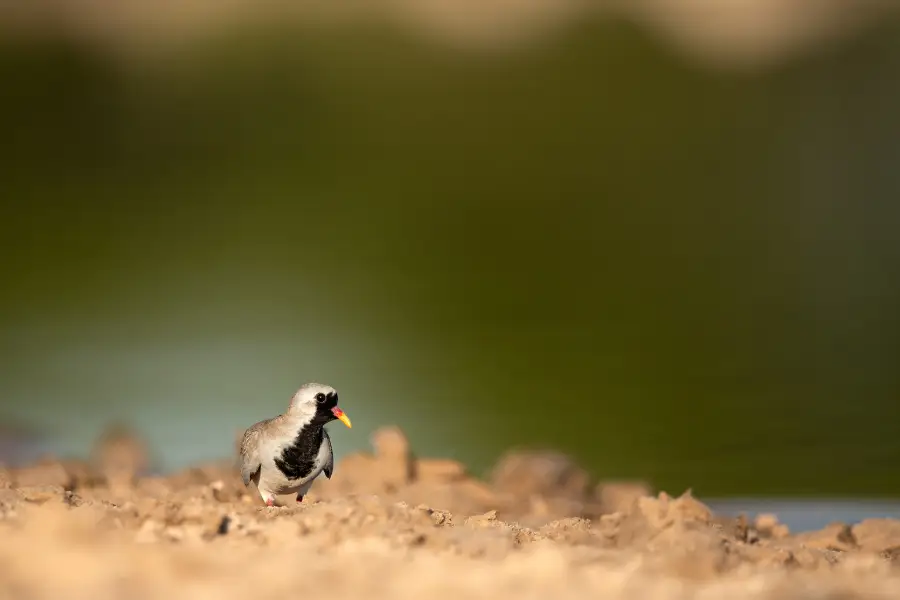
Late afternoons are spent exploring more of the reserve, whether that be educational bush walks with the San Bushmen, sessions in the photographic hides/bunkers or on another game drive. Black-backed jackals are regularly seen following larger predators, hoping to pinch some scraps, or stealthily waiting around waterholes hoping to catch small birds such as namaqua doves as they come to drink.
Raptors such as the black-shouldered kite and pale chanting goshawk can often be spotted, perched and scanning for small mammals and reptiles to hunt, as much larger white-backed vultures patrol the skies searching for carrion to feed on.
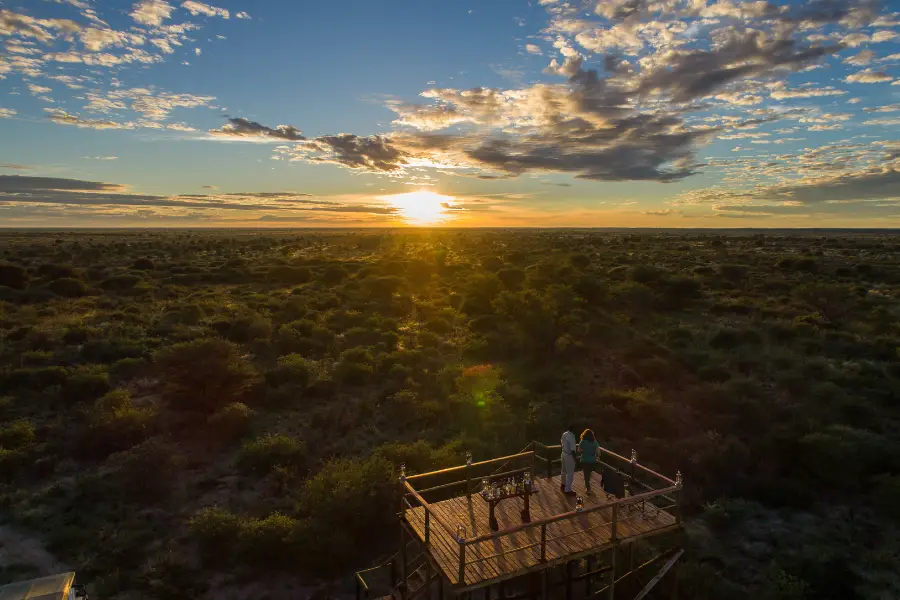
The drives begin to wind down with the African sunset as captivating as always, filling the sky with stunning red, pink and orange hues. One of the best places to appreciate this spectacle is from the elevated lookout deck, witnessing the astonishing vistas across the reserve with a sundowner in hand. Once again, you return to the camp under the cover of darkness, keeping your eyes peeled for pearl-spotted owlets, bat-eared foxes, honey badgers and porcupines along the way.
-
Day 5:
Fly to the Okavango Delta
The final day in this arid desert begins with a morning game drive before returning for breakfast and to finish packing your bags prior to returning to the airstrip for your game drive transfer.
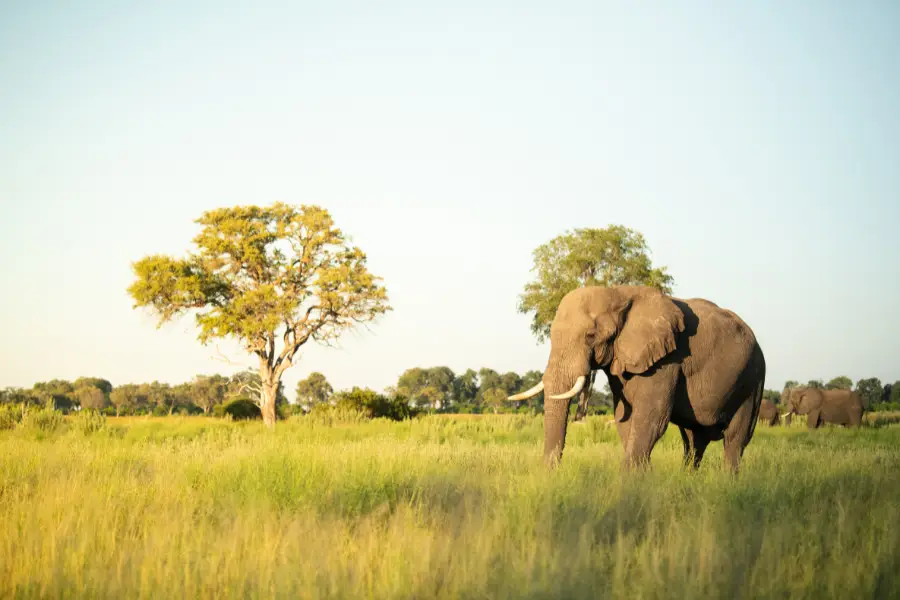
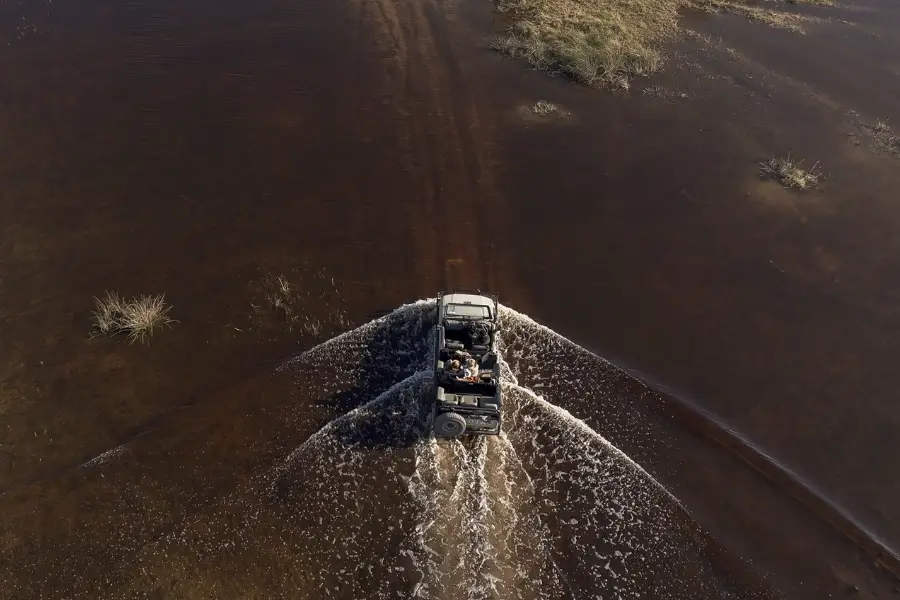
As you take off, keep an eye out for any wildlife below, and throughout the journey pay close attention to the landscape as the red sands and short grasses give way to remarkable lagoons and waterways. From this point on, you may start to notice herds of elephants and buffalo for the first time on your trip as they navigate the floodplains.
After about an hour of flying, you arrive at Shinde Airstrip for another one-hour game drive transfer to your next accommodation, Shinde Footsteps. There's time to enjoy lunch and check into your room, allowing you to prepare for the afternoon game drive.
Accommodation: Shinde Footsteps, 3-nights
-
Days 6-7
:
Explore the Okavango Delta
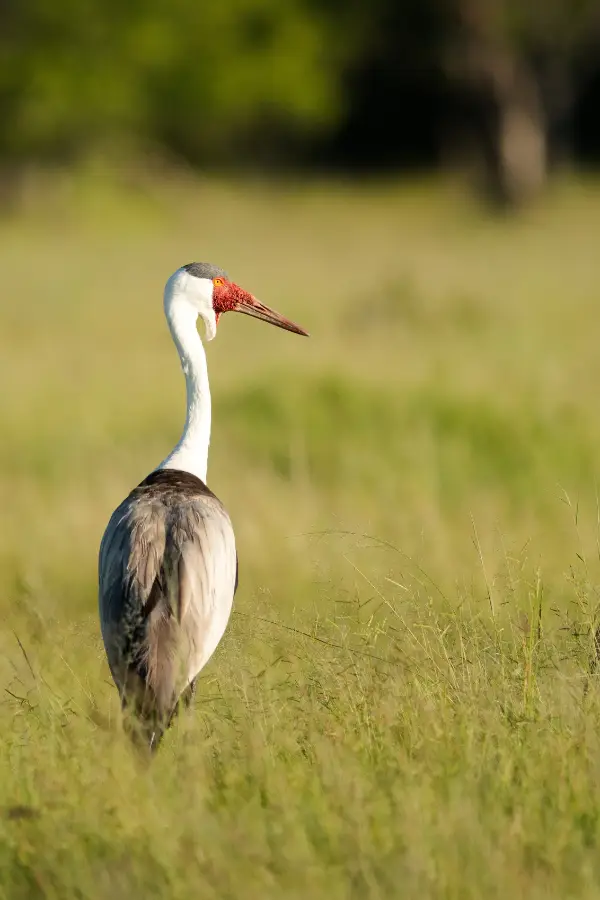
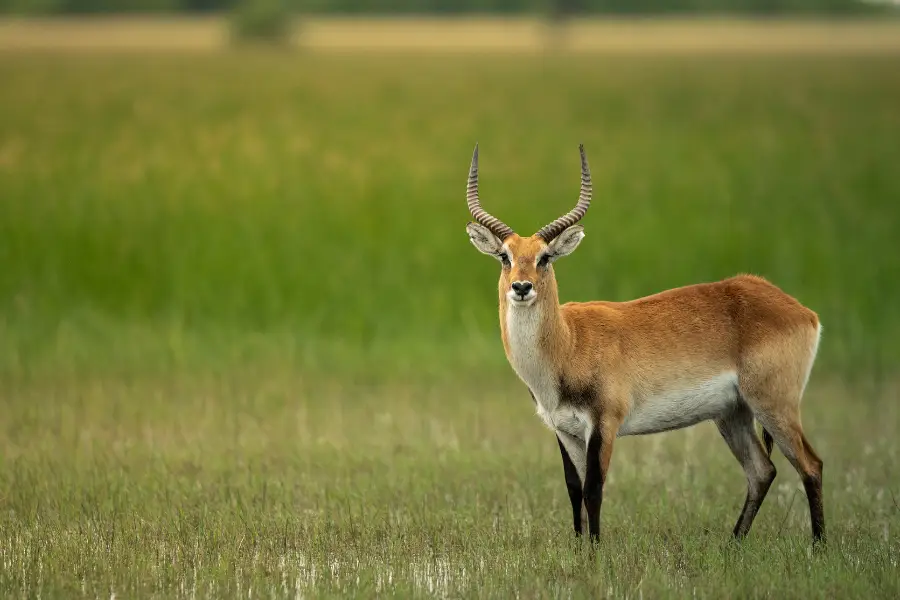
Wake to the sounds of a distinctly different dawn chorus, with Kalahari scrub robin, fawn-coloured lark and scaly-feathered finch trading places with African fish eagle, white-browed robin-chat and Hartlaub’s babbler. The next two days in the miraculous Okavango Delta begin with your choice of activity, venturing out into the bush as the soft orange glow from the rising sun illuminates the horizon. Red lechwe effortlessly bound through the water, expelling glistening droplets as they spring into the air, hippos return to their aquatic havens after a night of grazing and wattled cranes dot the landscape as they patrol the marshlands, feasting on sedge vegetation and water lilies.
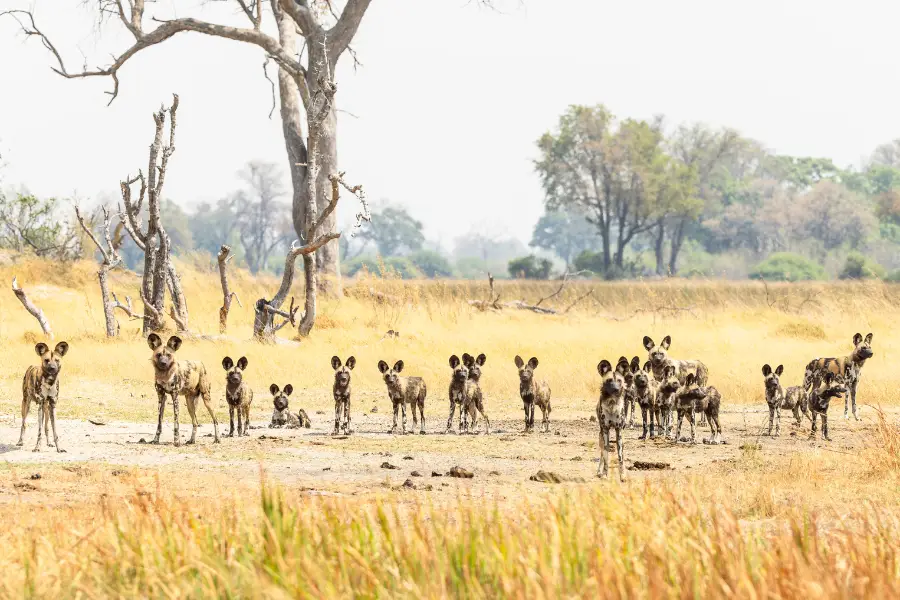
As you delve deeper into the Delta, keep your eyes peeled for the aforementioned lechwe herds running for water, as this could prove to be a sign there's a predator in tow. African wild dogs, the continent's most successful hunters, often bring down these antelope, chasing them to exhaustion by utilising relay tactics and, in this environment, will even swim in pursuit of their prey.
Large herds of grazing buffalo may be tracked by prides of lions, looking to isolate members of the herd and, through their collective efforts, take the megaherbivore down after an epic battle. Sitting and watching the pride on a kill showcases the clear dominance hierarchy with the adult males eating first, followed by the lionesses, subadults and finally the cubs, the competition can be fierce and occasionally some swatting and aggression takes place. This happens less often on larger kills, however these hostile behaviours can also be shown to the litany of scavengers that wait their turn or try to sneak a morsel, such as spotted hyenas, vultures and jackals.
Afternoons can either be spent on another game drive or on the water in a mokoro, effortlessly gliding through the reeds and lily-laden waters of the Okavango. The traditional dugout canoe is operated by a skilled poler to the rear, controlling the tempo, stabilisation and direction as you drift along the waterways searching for African jacanas and endearing reed frogs. Sightings of larger species are possible too, with hippo, crocodile and sometimes even elephant coming to the water to swim or drink. Perhaps you may be fortunate enough to catch a glimpse of the elusive sitatunga peering through the papyrus stems. These semiaquatic antelope possess splayed hooves and particularly flexible joints, allowing them to navigate their marshland habitat with ease.
Returning to camp as the evening closes in, take some time to freshen up before returning to the dining area for a delicious dinner, paired with meticulously chosen wines from Southern Africa. If you so desire, head back into the bush on a game drive following dessert to search for the rare nocturnal species that inhabit this landscape.
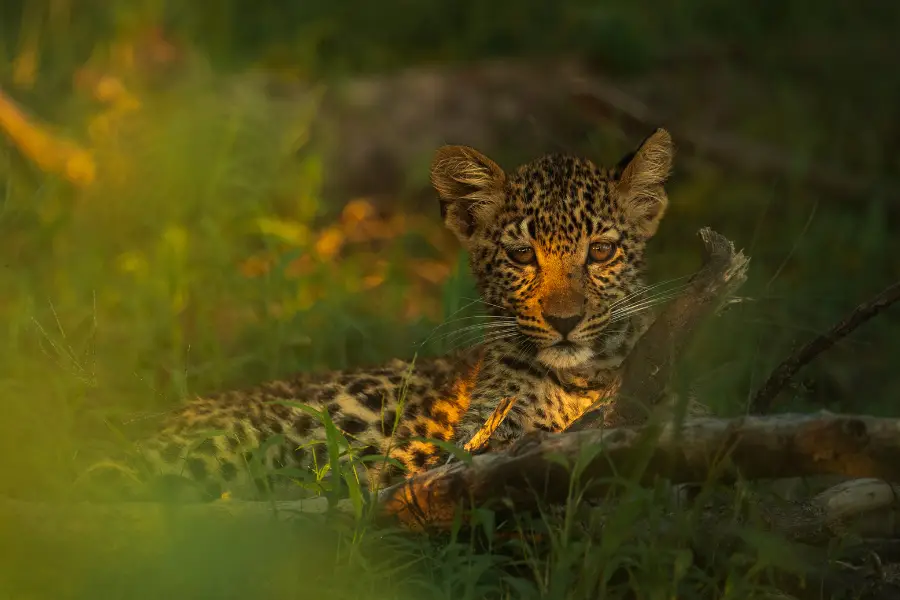
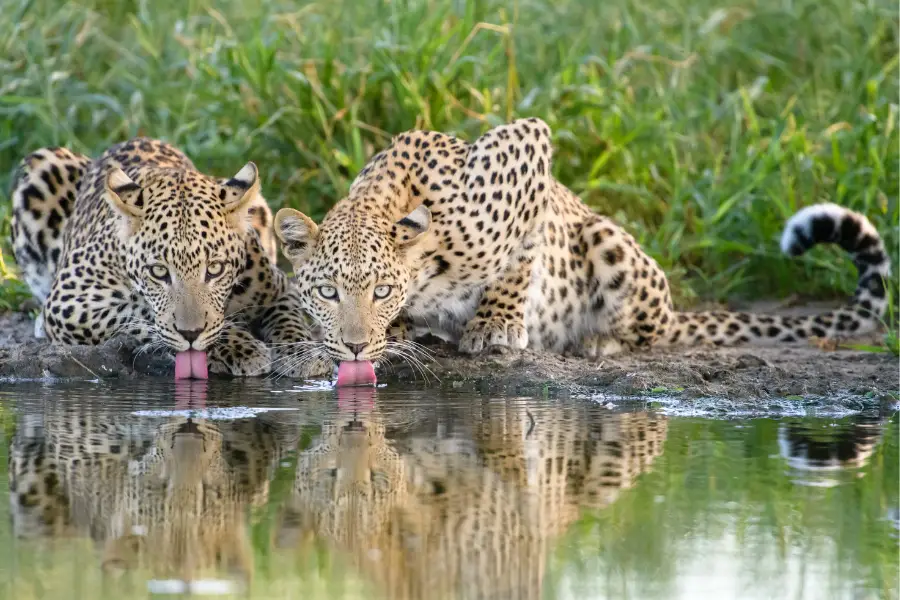
Spotted hyena cackles resonate in the distance as you search for nocturnal avians such as spotted eagle-owl, swamp nightjar and water thick-knee amongst their mammalian counterparts, that include African civet, honey badger, and shy aardwolf and aardvark. Leopards become particularly active at night, as they lurk in the shadows hoping to ambush their prey, quietly sneaking to within striking distance. Marvel at the stars illuminating the sky as your journey back to camp begins before being escorted back to your tent on arrival, ready for tomorrow's adventures.
-
Day 8:
Fly to Maun and depart
Savour the sounds of the bush at sunrise one last time as you prepare for your final foray into this wetland paradise, on a morning game drive or walking safari, before transferring to the airstrip and boarding your light aircraft flight back to Maun.
-
Day 9:
Arrive UK
Please note: Whilst we’re sure this trip idea will introduce you to the many wonders that Botswana has to offer, this itinerary is fully customisable and can easily be tailored to include a scenic helicopter flight, more time in a particular location, alternative camps or additional destinations. Contact us to discuss the options available.
Perhaps you wish to spend more time hopping between camps in the Delta, maybe travel north towards the Chobe and Savuti Linyanti and their enormous elephant populations, or head east to visit the salt pans at Makgadikgadi. For a more relaxing beginning or conclusion to your holiday, Cape Town and Victoria Falls are easy-going additions with plenty to see.