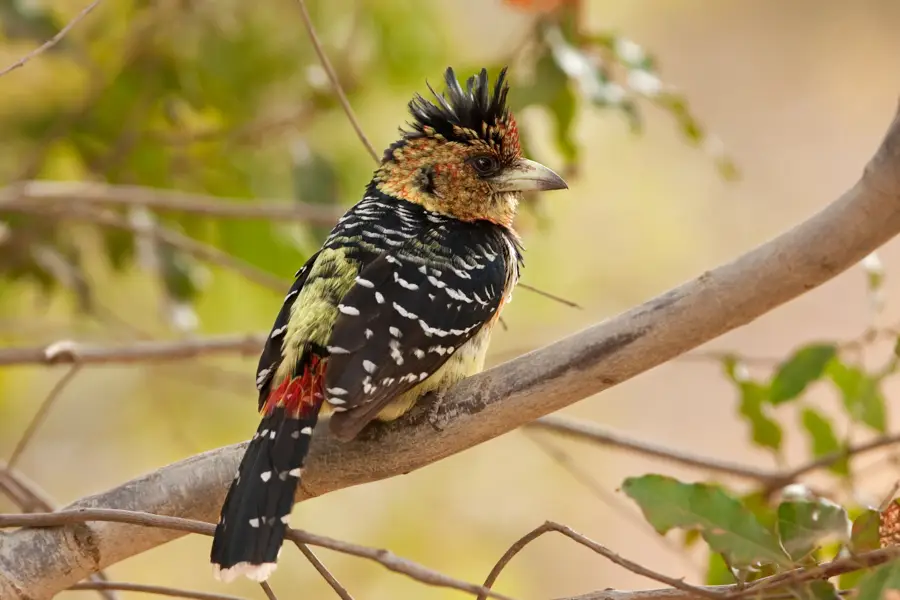
Waking to the enchanting sounds of the dawn chorus, your day begins with a morning coffee before boarding a game viewer and heading into the bush with your guide. You quickly begin to register sightings of yellow-billed hornbills, crested barbets and Burchell's glossy starlings as you scour the concession, along with iconic African fish eagles and soaring bateleurs.
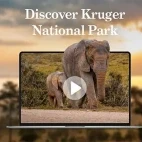
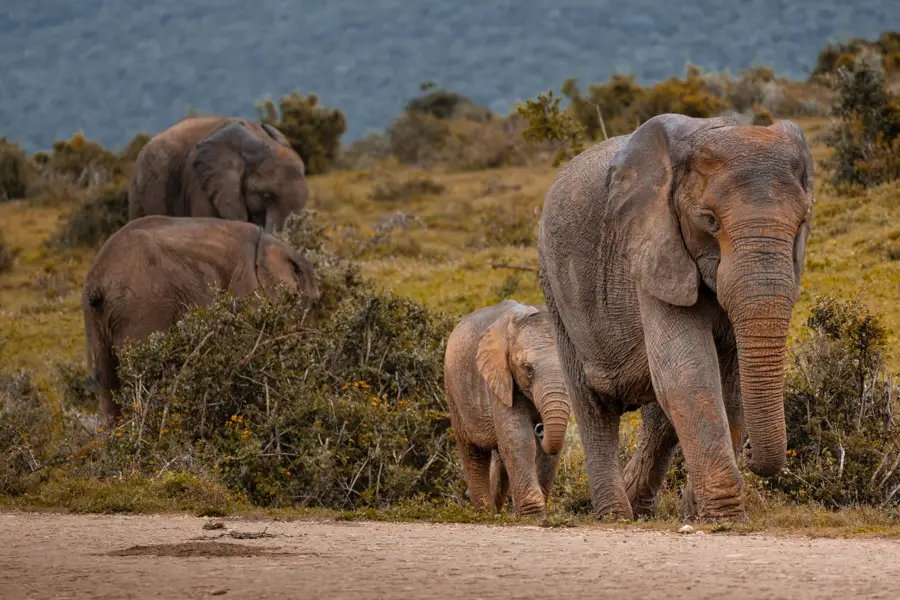
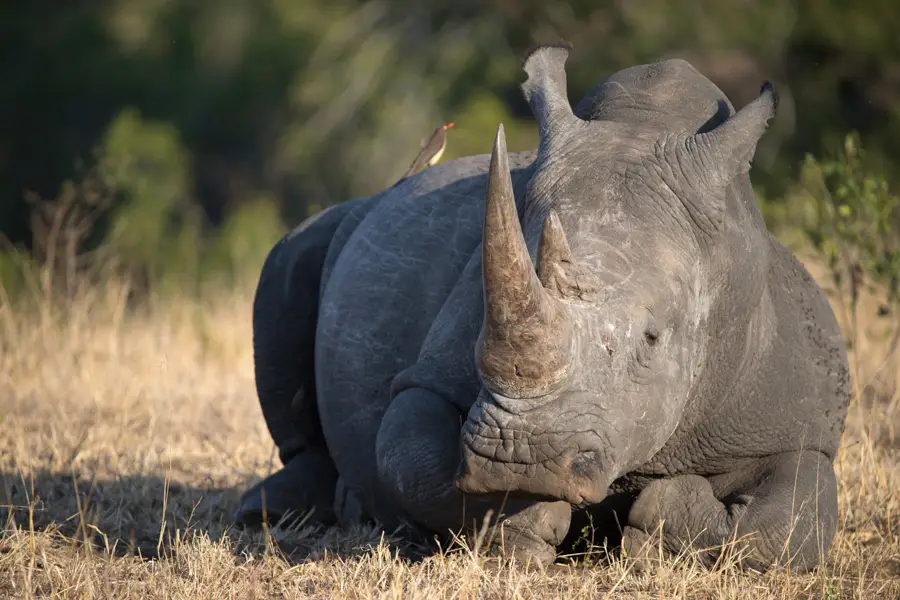
Plentiful herds of impala will become a regular sight, often carrying hitchhiking red-billed oxpeckers, with whom they share a mutualistic relationship, as the birds consume ticks and parasites utilising the dainty antelopes as hosts. Large herds of elephants may block your path on occasion, leaving a trail of destruction in their wake as they fell trees and bushes to reach the most nutritious leaves. Within the breeding herds, you can often see calves, who are a joy to watch as they mischievously play with the other young elephants in the group while the adults feed.
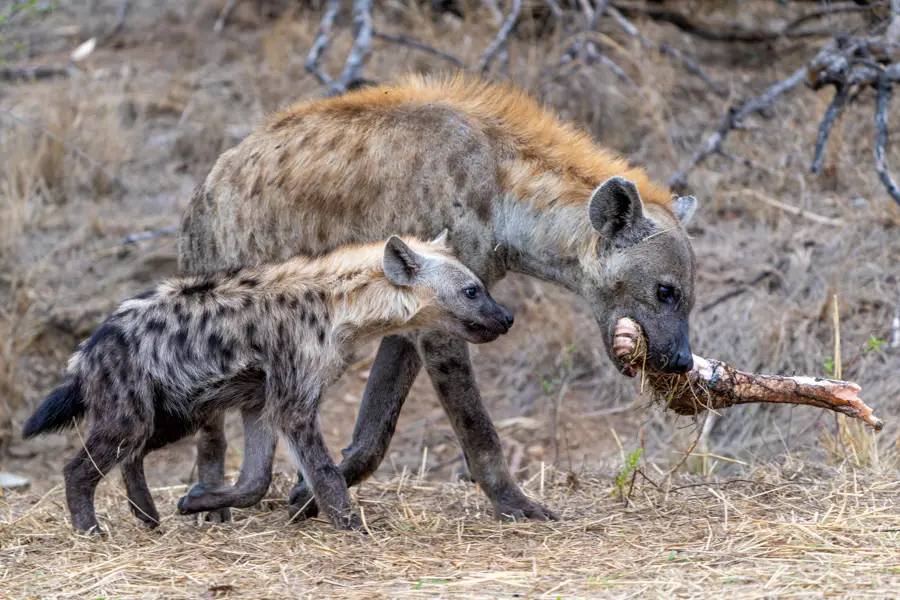
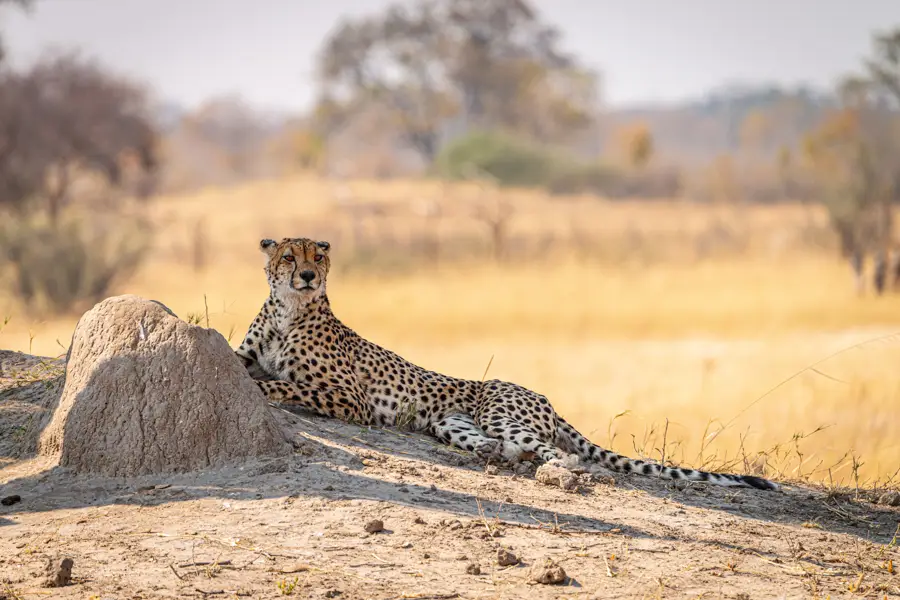
As the morning progresses, you stop at a scenic location to enjoy a cup of coffee and a snack before continuing your foray into the bush. Crepuscular cheetah are often active during this time, as the larger predators begin to seek out shady spots to sleep during the heat of the day. These spotted speedsters are always on high alert, making use of termite mounds and fallen logs to survey their surroundings from elevation, either to search for prey or to avoid lions, leopards and hyenas.
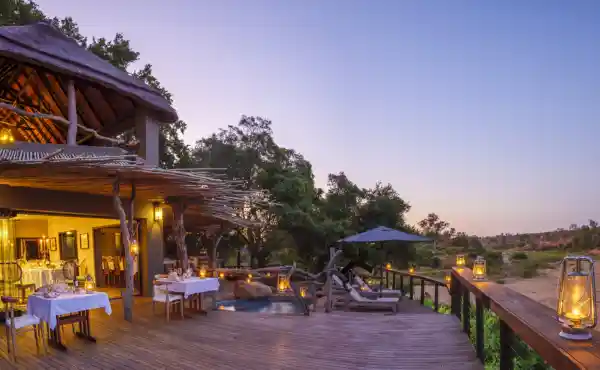
You return to the lodge for breakfast, with the middle of the day to spend as you please, whether that be relaxing at the lodge, making use of the pool, spotting wildlife at the waterhole, or enjoying a siesta.
One of the major benefits of staying at Imbali and Jock Safari Lodge is that you're able to get back in your hire car and spend the middle of the day continuing to search for wildlife on Kruger National Park's public roads, if you wish to do so.
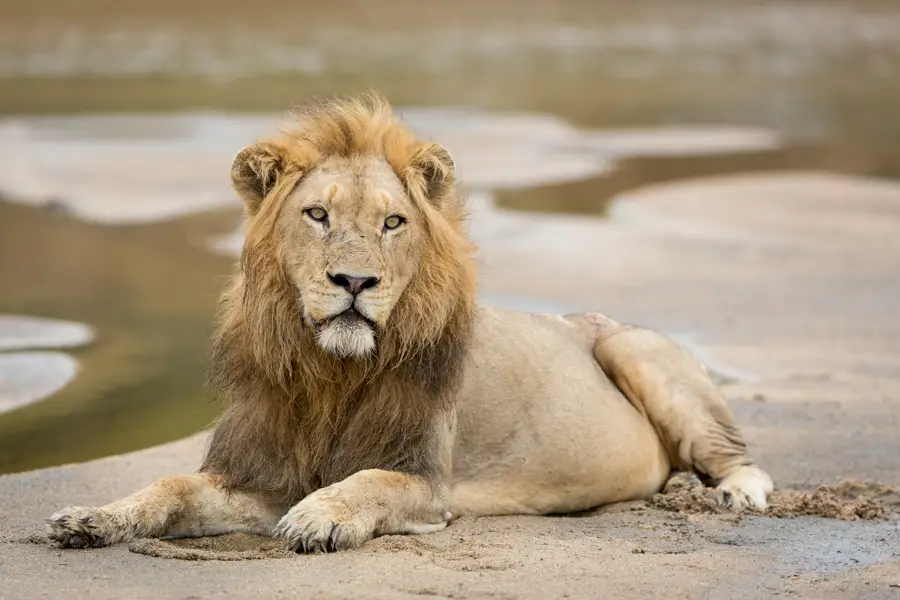
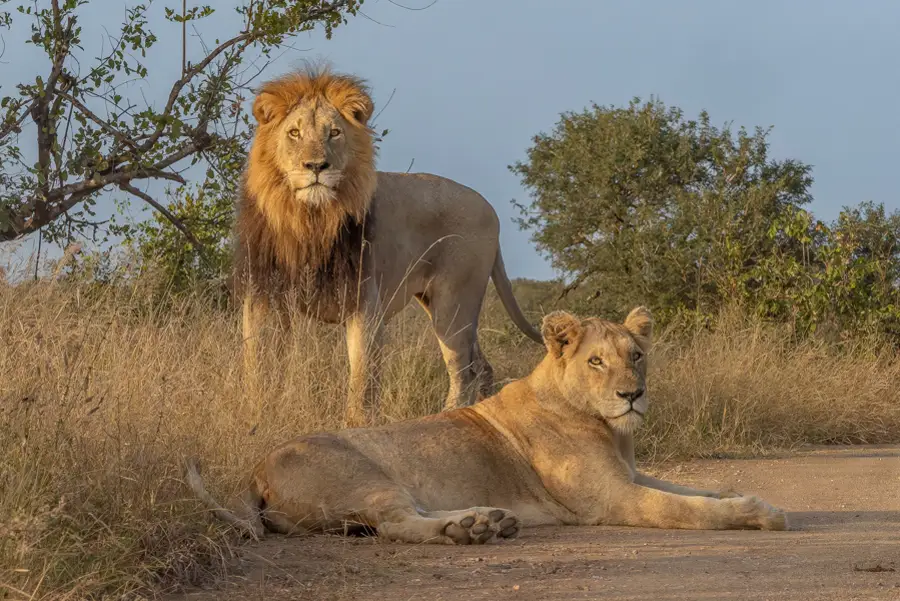
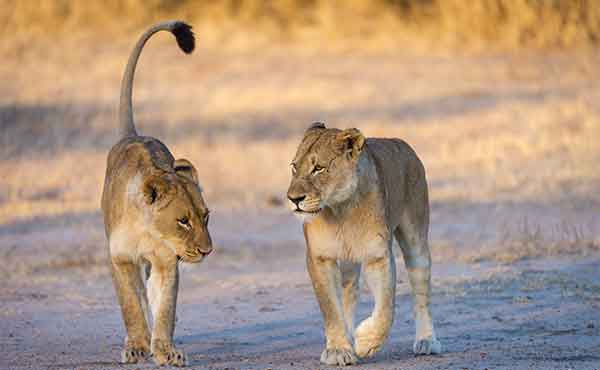
Making use of the map you hopefully purchased at Orpen, set off into Satara's central plains, an area known for its big cats, particularly lions. They often lay out on the dry tar roads, appreciating the warmth they emit as they do what lions do best, sleep! These apex predators aren't always sleeping though, and can often be seen roaming the grasslands in search of prey, contact calling and playing with cubs. For those dealt a great deal of fortune, there's the chance to see a white lion, as the individuals who carry the recessive gene often frequent this area.
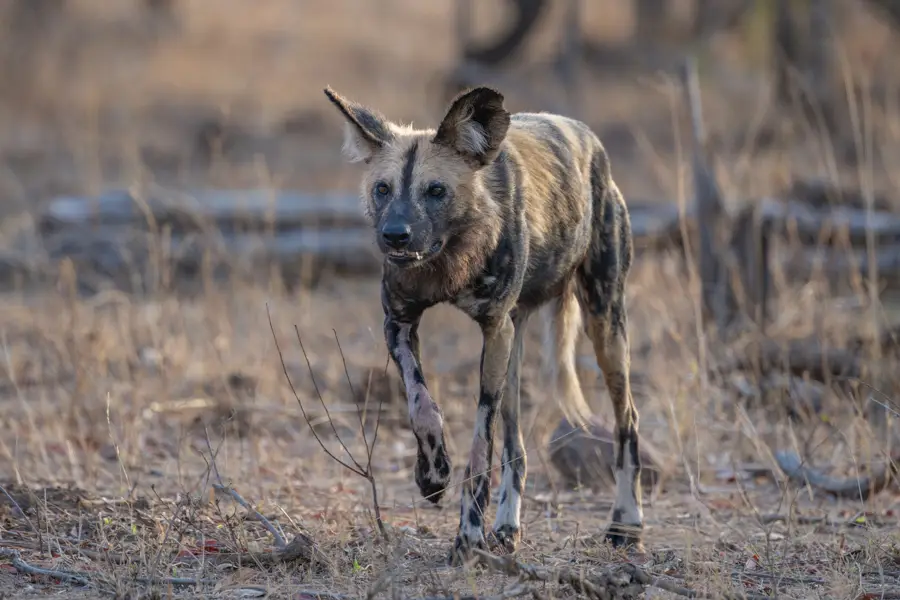
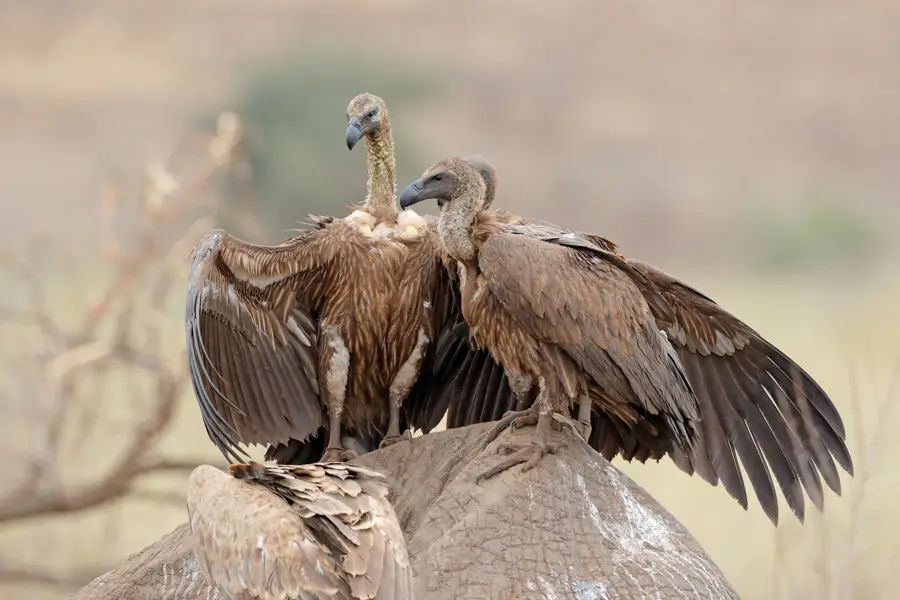
Following your midday foray, return to the lodge in time for high tea and your afternoon guided game drive on the concession. During these safaris, take particular note of how your guide tracks animals, as you can try your luck to emulate them on your next self-drive safari. Monitor the ground for footprints and fresh scat, listen for the alarm calls of squirrels and francolins, and scan for hordes of vultures circling above; these are all signs worthy of checking out.
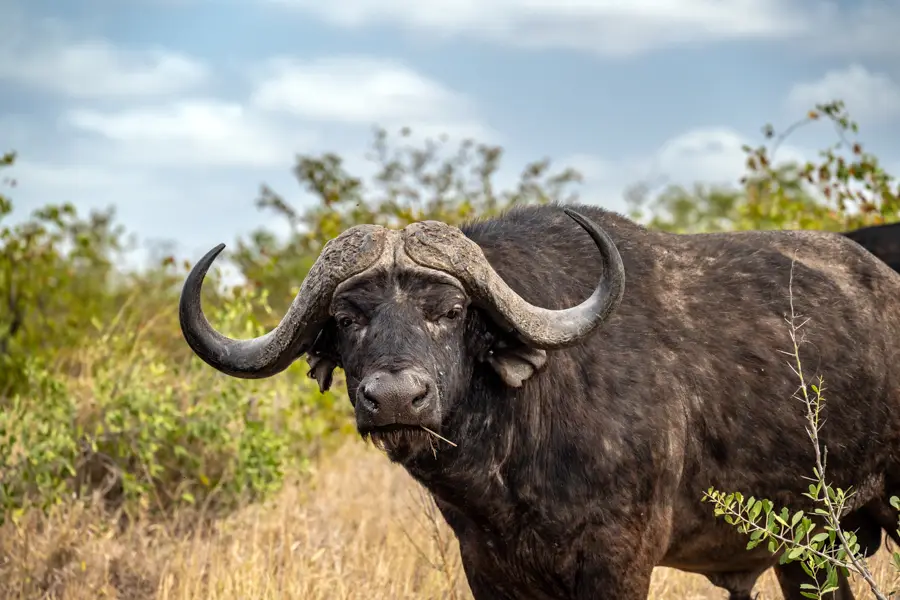
Another interesting sign that there may be a predator in the vicinity is when herbivores stop feeding and fixate on a certain location and in some cases, such as with buffalo, calves will move to the centre of the herd for protection.
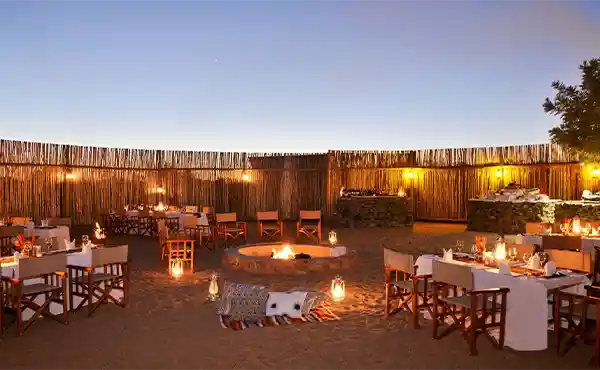
As the sun begins to set, you stop to stretch your legs and enjoy a refreshing beverage as the tangerine skies give way to night, before returning to the lodge under the cover of darkness. During this drive, your guide continuously scans the surrounding area with a spotlight, hoping to uncover nocturnal species such as pennant-winged nightjar, Verreaux's eagle-owl, African civet and honey badger, before returning to the lodge for a quick refresh before dinner.


.webp)
 Superior
 Superior