Travel, experience, conserve with
Phone:
Jump to main menu

This spectacular Argentina itinerary offers the opportunity to witness rewilding in action within the remarkable Patagonian steppe, before continuing towards the magnificent Valdes Peninsula.

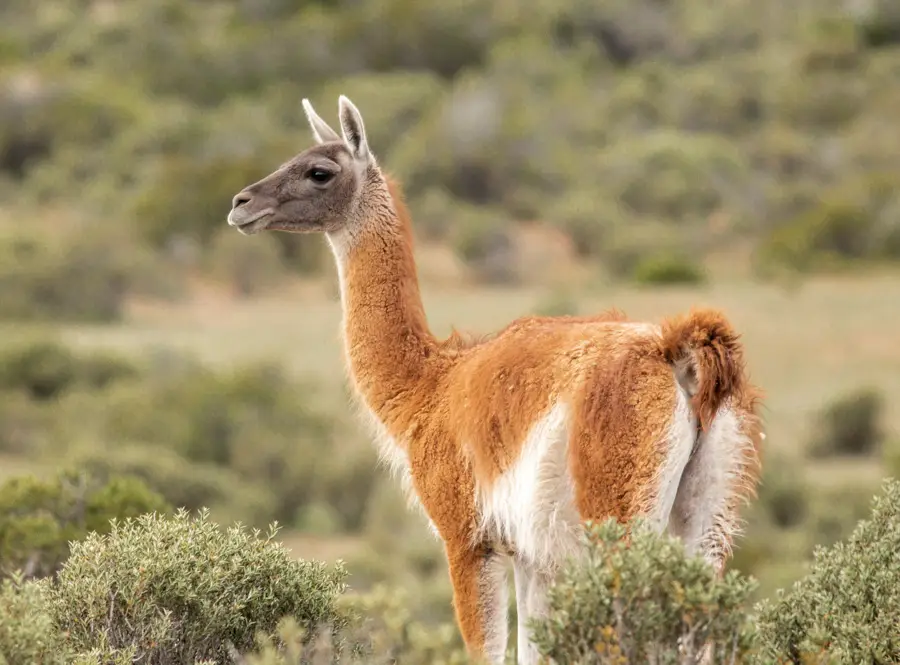
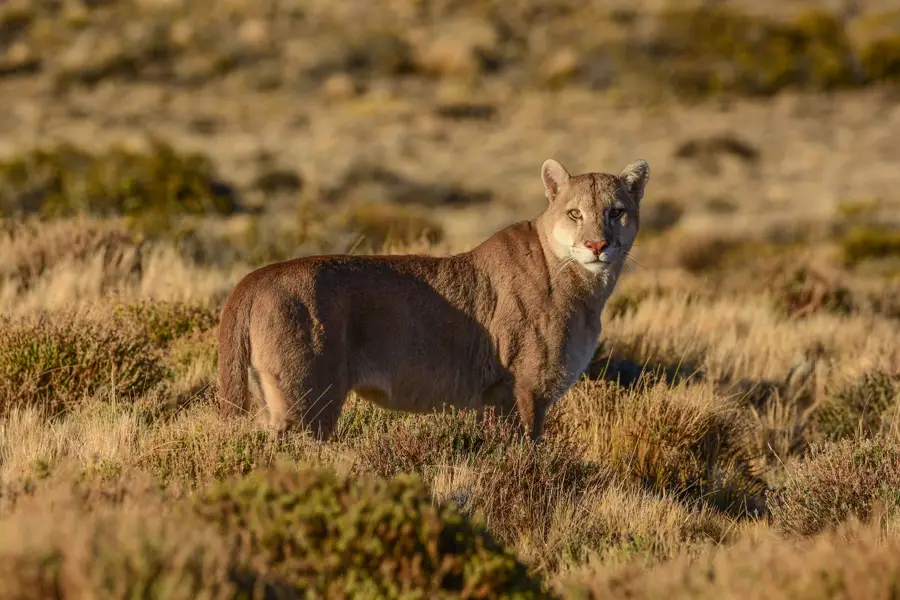
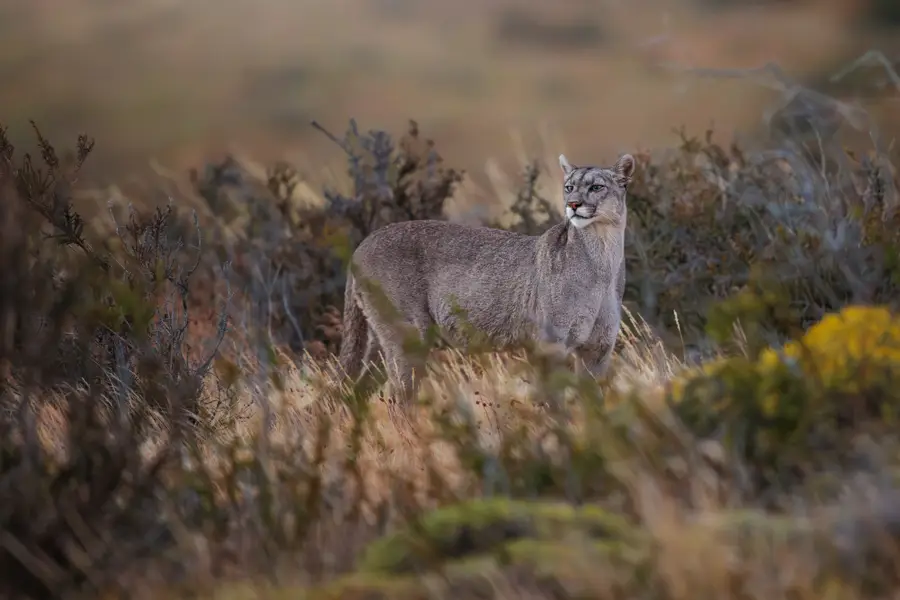
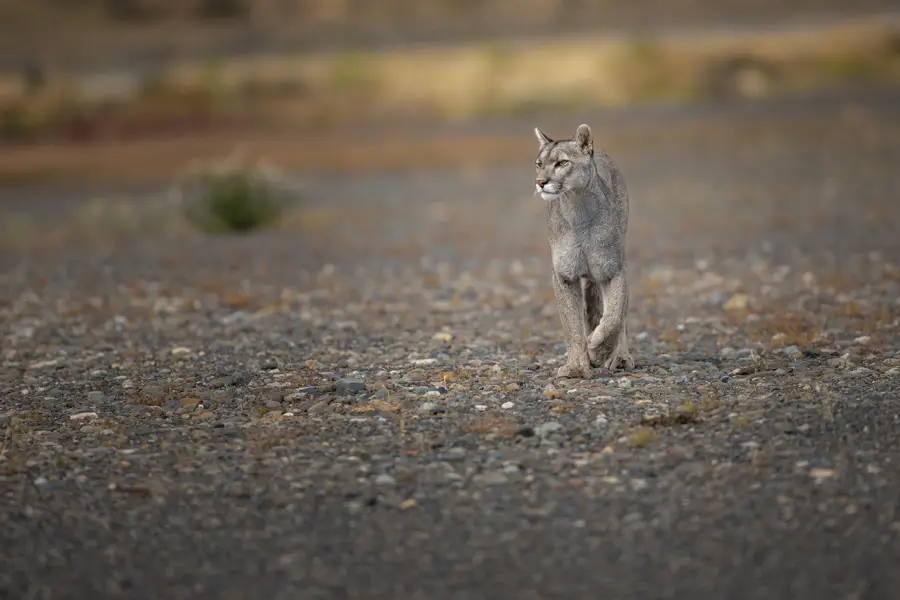
Beginning with a tour of Buenos Aires, this trip idea provides an introduction to Argentinian culture before travelling south to the vast open terrain of Parque Patagonia, where three days are dedicated to guided puma tracking across the high plateaus, large lakes and glacial valleys of Argentina’s remarkable Patagonian steppe. Whilst Chile’s Torres Del Paine has long been renowned for its fantastic puma sightings, neighbouring Argentina is now developing its own reputation for observing this fascinating feline in an area where Rewilding Argentina’s efforts are revitalising the landscape. Each day's spent exploring the expansive plains, valleys and undulating topography by vehicle and on foot whilst searching for this enigmatic predator, making use of an expert tracker team and keeping eyes peeled for a supporting cast of guanacos, huemul, Andean condor, Wolffsohn’s viscacha, culpeo and South American grey foxes.

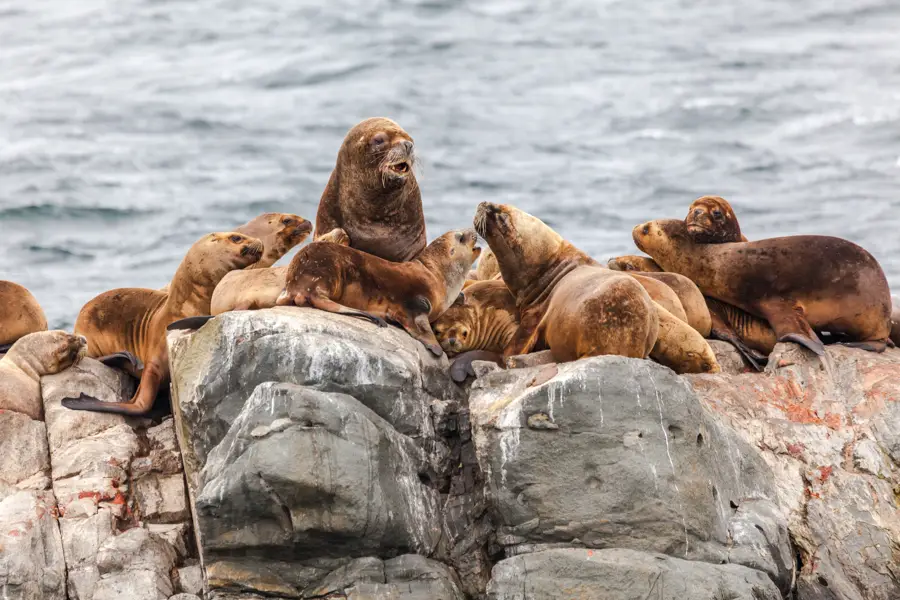
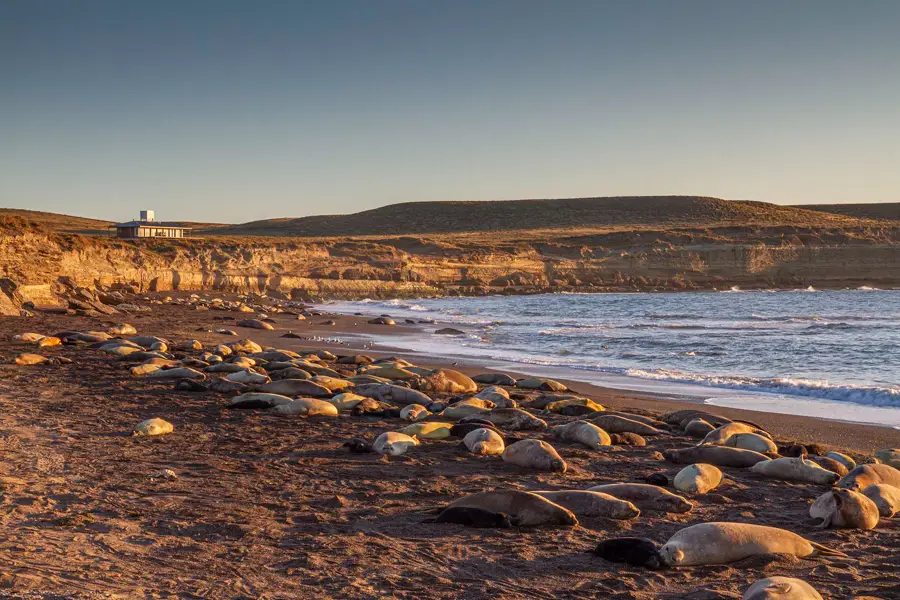
The journey then continues north-east to the Valdes Peninsula, an area renowned for its marine biodiversity and brimming with life on the country’s Atlantic coast. Staying at Estancia Rincon Chico, a remote coastal ranch known for its marine and terrestrial wildlife, there are chances to observe Magellanic penguins, southern elephant seals and South American sea lions from the property's 20 kilometres of coastline. The time spent in the peninsula culminates with the opportunity to observe various cetaceans on a whale watching excursion, including southern right whales, orcas, Commerson’s and dusky dolphins, amongst a litany of coastal and pelagic birdlife.

Suggested Itinerary

  1. Day 1: Depart UK

    Depart the UK on an overnight flight to Buenos Aires.
  2. Day 2: Arrive in Buenos Aires & Embark on a City Tour

    Following your international flight, collect your bags and clear immigration before being greeted at arrivals by a driver, who transports you into the city of Buenos Aires and to your hotel for the evening. Once you've dropped off your bags, you're accompanied by a local guide on a city tour.

    At the conclusion of your tour you're returned to the hotel, where you can check into your room, relax and freshen up, before being collected by a driver and transferred to a local restaurant, where you enjoy a traditional Argentinian dinner. After your meal, you return to the hotel.

    Accommodation: Cassa Lepage Art Hotel, 1-night

  3. Day 3: Fly to Patagonia

    Following a restful night’s sleep, enjoy breakfast at the hotel before meeting your transfer driver, who returns you to the airport ready for your domestic flight to Comodoro Rivadavia.

    Upon arrival at Comodoro Rivadavia Airport, your local guide and expert puma tracker greets you before departing together on an expedition into the Patagonian wilderness. The estimated travel time is five hours, making a stop in the town of Sarmiento, Chubut, on the shores of Lake Musters along the way.

    Once you arrive at the lodge, the rest of the day is spent at leisure, becoming accustomed to your new surroundings, taking a short walk to search for wildlife or relaxing in the property grounds, whilst enjoying a spot of birdwatching.

    Accommodation: La Posta de Los Toldos, 4-nights

  4. Days 4-6 : Puma Tracking in Parque Patagonia

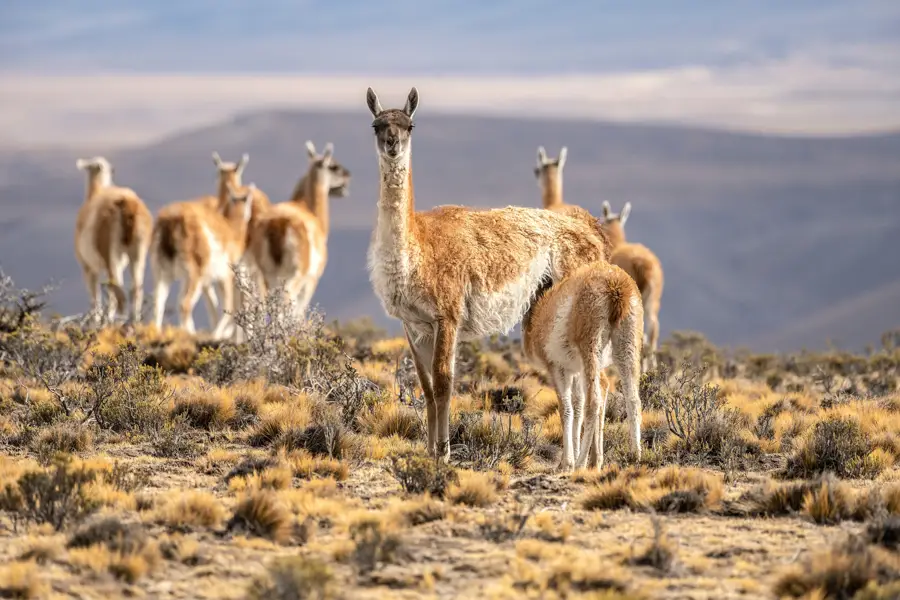
    Each day here follows a similar format; your puma tracker departs early to scout out signs of the steppe’s apex predator before contacting your driver, who transports you to the search area to meet the tracker. The most likely places to locate pumas are their hunting grounds, and therefore you're likely to encounter abundant herds of their preferred prey species, guanacos. In fact, the area encompassing the Cañadón Pinturas and Cañadón Caracoles portals is known for hosting one of the largest concentrations of guanacos in South America, therefore supports a high density of pumas. 

    You continue both by 4x4 truck and on foot, likely hiking distances of approximately 2-3 kilometres off-trail as you scour the magnificent terrain for the America’s second-largest feline. Once a puma has been located, you follow at a safe distance using binoculars. The approach distance is generally limited to about 70 metres, however this varies depending on the individual. Pumas are sometimes cautious, and therefore to capture photos, you should come equipped with a long telephoto lens to take advantage of any opportunities that may arise. It's also recommended to bring a tripod or monopod, and you must be able to carry your own gear.

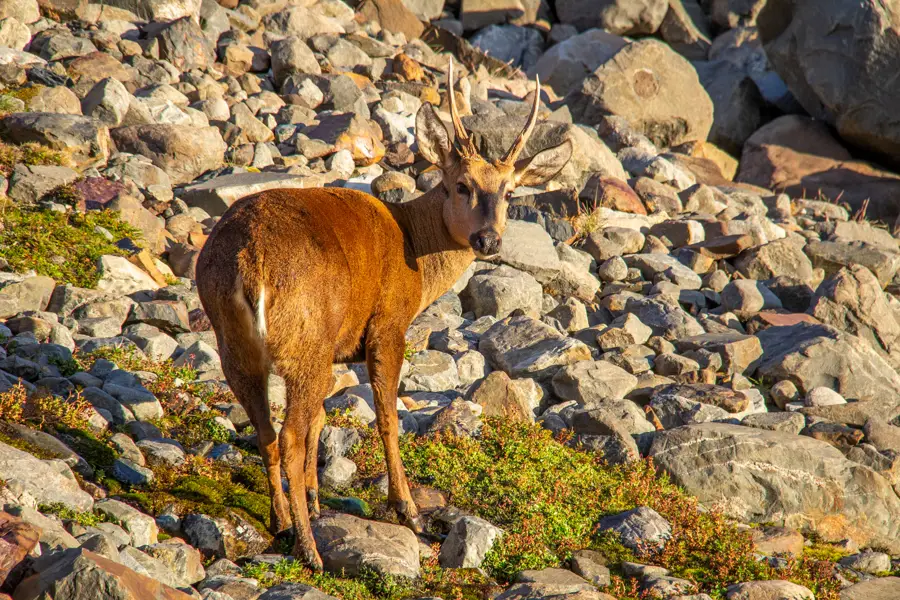
    Whilst you search for pumas, there are also opportunities to observe a number of other Patagonian residents. Parque Patagonia is part of a rewilding effort by Rewilding Argentina, who have been working to restore the ecosystem’s key species through changing local attitudes towards predators, wildlife monitoring, habitat restoration and invasive species eradication. Some species had disappeared from the area entirely, whilst others were forced into fragmented populations or suffered severe declines. Now, species such as the critically endangered huemul, the world’s southern-most deer, are now being reintroduced to this corner of their natural habitat. 

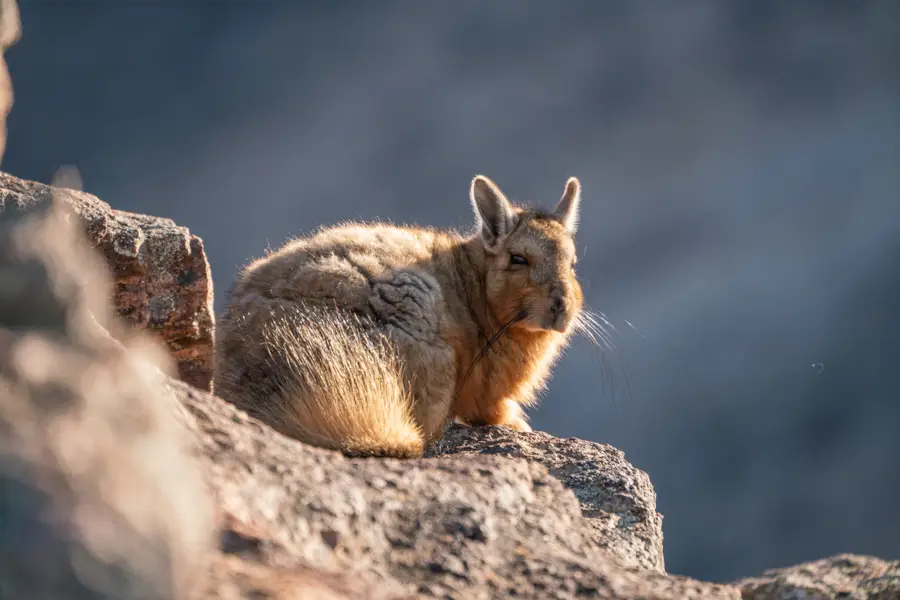
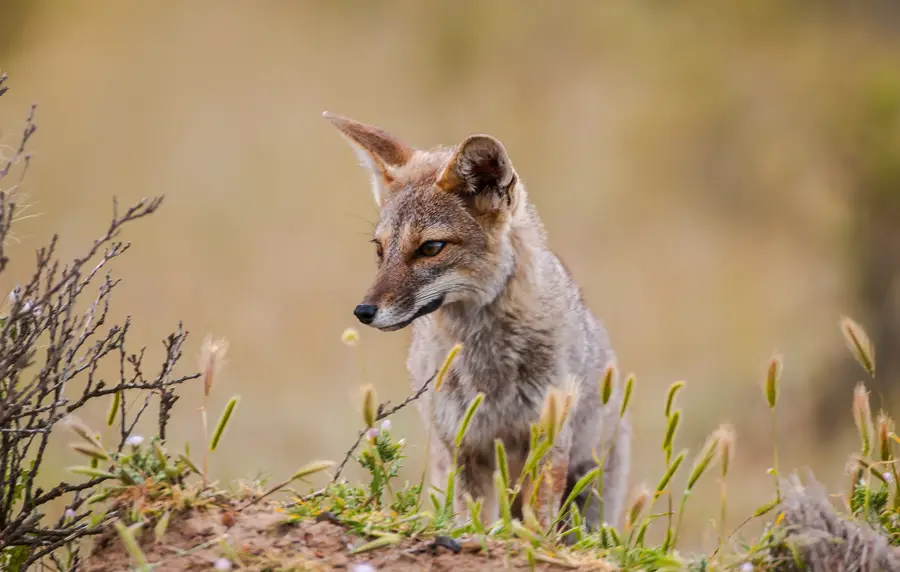
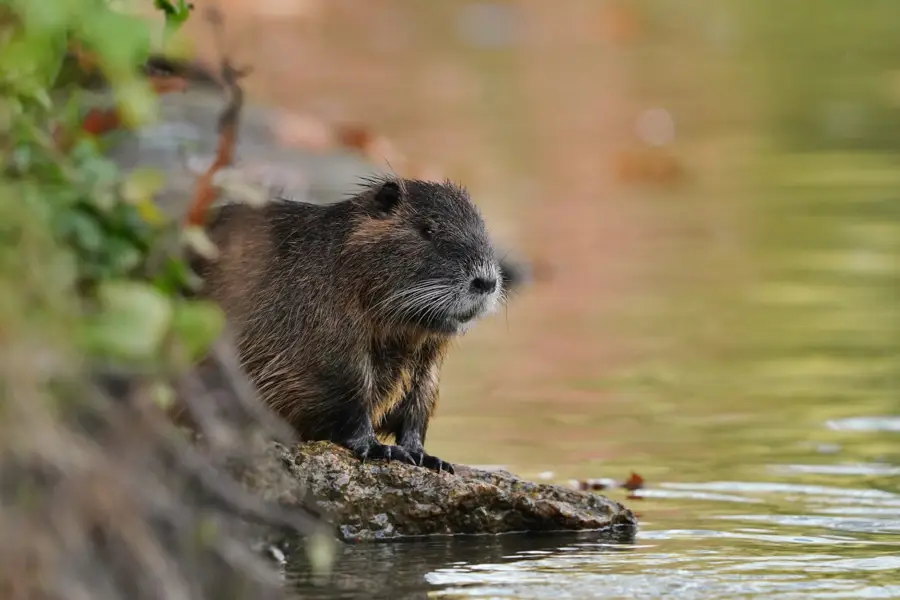
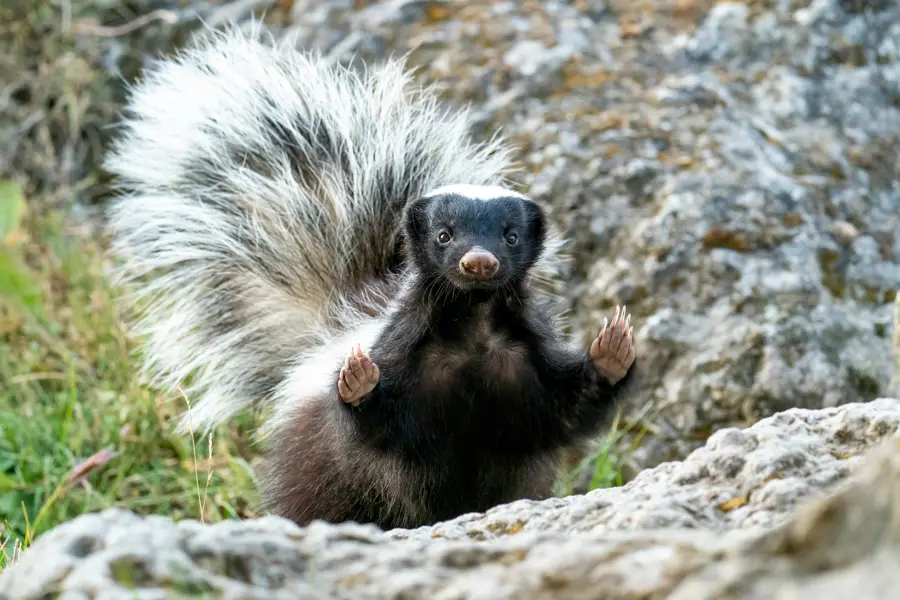
    Wolffsohn’s viscacha, members of the chinchilla family, live amongst rocky outcrops within cracks and crevices of canyons. Like many other inhabitants of this region, they're rebuilding their populations after decades of hunting. Another victim of the fur industry is the coypu, a large semi-aquatic rodent with bright orange front teeth — similar to that of a beaver — with recent research suggesting the colouration is caused by a layer of amino acids and minerals rather than iron-rich enamel as previously thought. Both the South American grey fox and larger culpeo (or red fox) are also making a comeback, along with Humboldt’s hog-nosed skunk, each helping to restore ecological balance.

    The hikes are of moderate difficulty, so a minimum level of fitness is required. The topography is generally not too demanding, but there can sometimes be altitude differences of around 50–250 metres, with the maximum elevation reaching roughly 800 metres above sea level. The guiding team walk at a slow, gentle pace to ensure that you're comfortable throughout.

    You enjoy up to eight hours of puma tracking each day before returning to the lodge to either relax or walk the grounds. As the evening rolls around, stare up at the sky as the remoteness of the region provides some of the most spectacular starry nights imaginable, before enjoying a hearty meal and retiring to bed.

  5. Day 7: Transfer to Comodoro Rivadavia

    Today's spent travelling, as you wave Parque Patagonia goodbye and embark on a long journey towards the Valdes Peninsula. After approximately five hours, you arrive in Comodoro Rivadavia, one of Patagonia's largest cities and where you stay this evening.

    Accommodation: Austral Plaza Hotel, 1-night

  6. Day 8: Transfer to the Valdes Peninsula

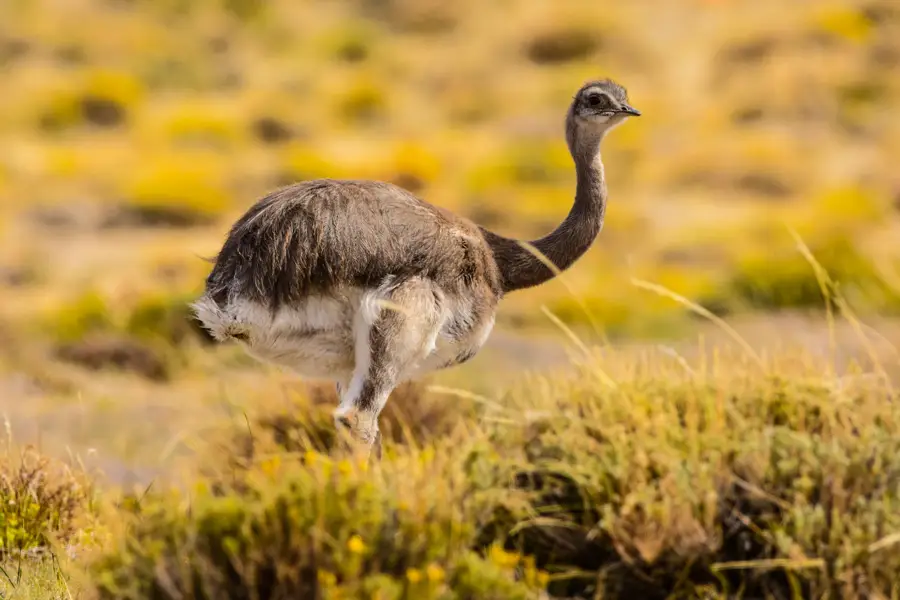
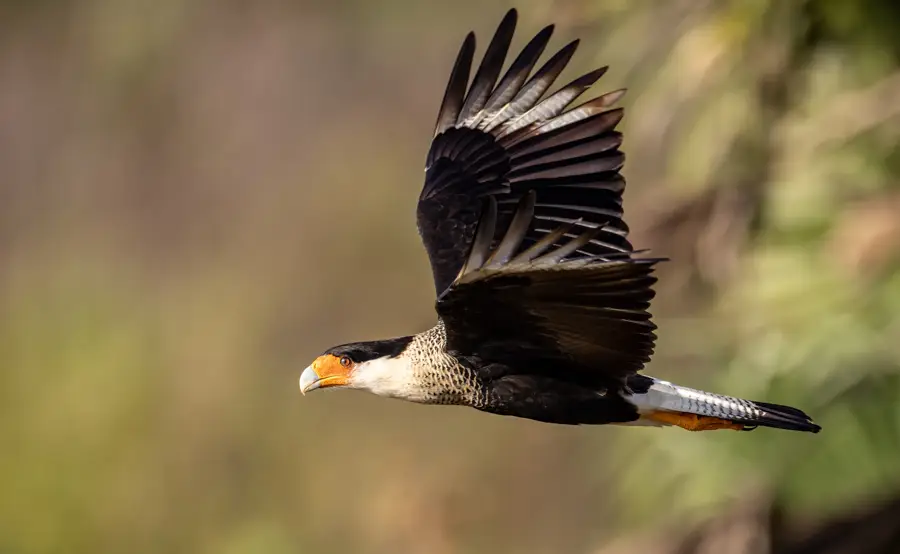
    Another day of travel awaits as you head 584 kilometres north-east to Estancia Rincon Chico. The drive time to reach this magnificent ranch should take approximately six hours and 30 minutes. As you approach the property, keep your eyes peeled for Darwin's rhea stomping around the lodge grounds, or perhaps you may encounter soaring raptors such as variable hawk, American kestrel, caracara or burrowing owl.

    Upon arrival, you meet your guide; they talk you through a map of the area, and coordinate all of your activities both on and off the property, taking into account the number of nights you'll be staying, weather conditions, and tide times.

    After your induction, enjoy some free time to walk the grounds searching for wildlife and scanning the water for marine life before dinner, and preparing for a full day of activities tomorrow.

    Accommodation: Estancia Rincon Chico, 3-nights

  7. Day 9: Explore Estancia Rincon Chico

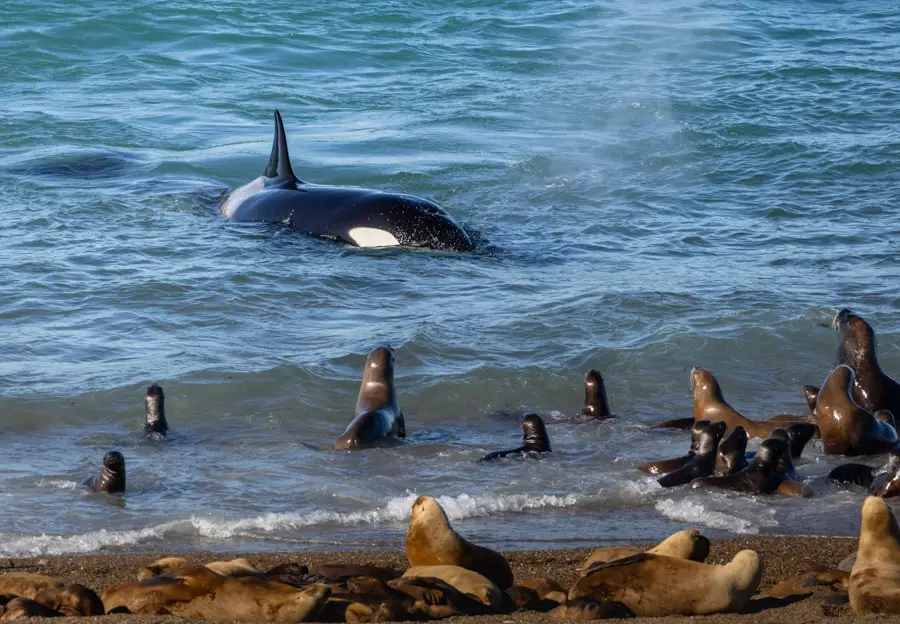
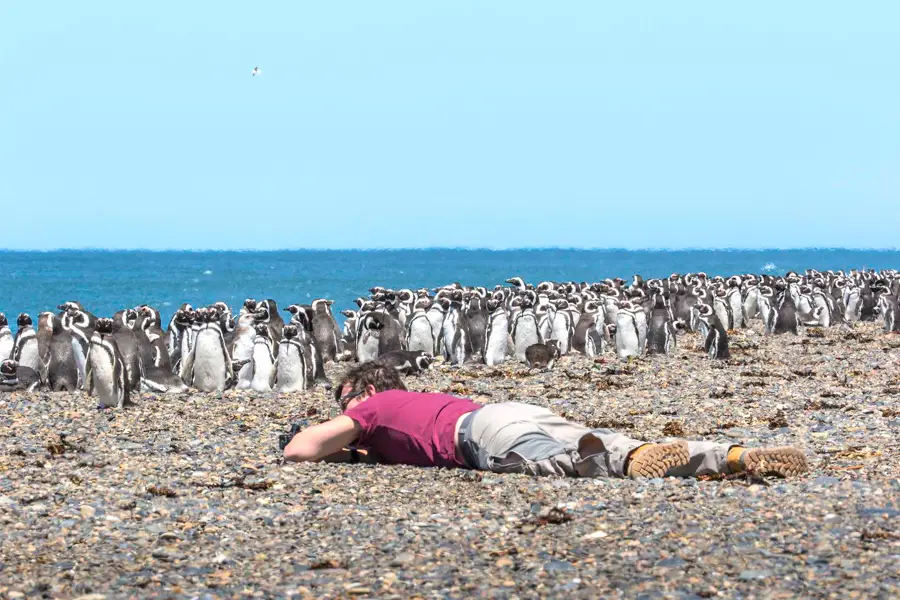
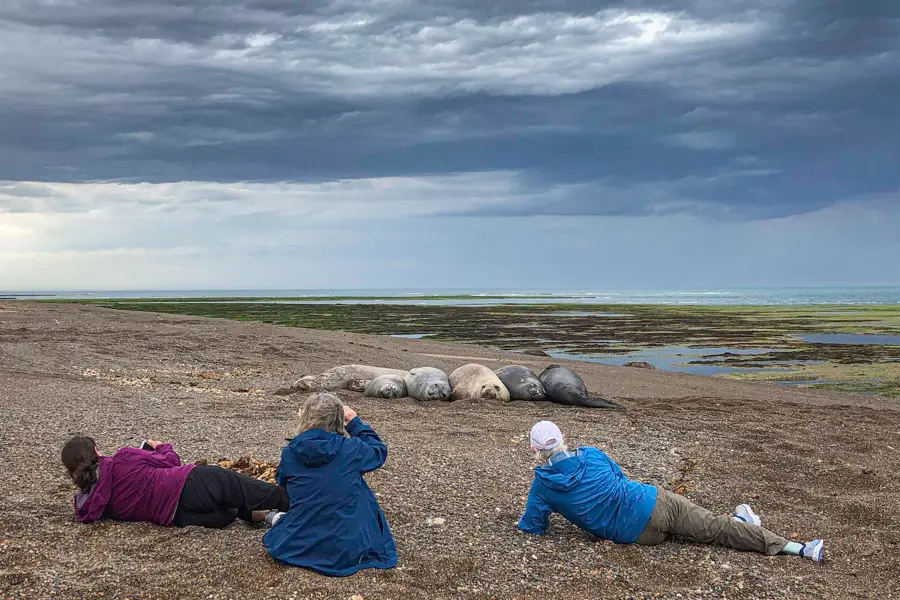
    Estancia Rincon Chico offers some of the highest densities of wildlife in the Valdes Peninsula, and many of the species are incredibly relaxed, allowing you to observe them from close proximity, providing a truly intimate experience reminiscent of destinations such as the Galapagos Islands or South Georgia. There are few locations globally where you can sit on the beach, surrounded by penguins, sea lions and elephant seals mere metres away as they rear their young, orca patrolling the shallows hoping to snare any young pinnipeds heading out to sea, and southern right whales seen hugging the coastline either from the beach or from walks along the coastal cliffs.

    Despite being a phenomenal marine sanctuary, some of the terrestrial wildlife is also well habituated to human presence, and there may be opportunities to spend time up close with Patagonian mara, guanaco, South American grey fox, large hairy armadillo and Humboldt’s hog-nosed skunk; there may even be a chance to observe secretive pampas and Geoffroy's cats if fortune is on your side.

    The guides at Rincon Chico are either professional biologists or naturalists, and throughout your time here they can identify flora and fauna, interpret and explain the behaviours of the resident wildlife, and provide a fascinating insight into the area’s natural history. After breakfast, you head out onto the reserve with them to visit the various beaches on the property.

    Along the shore between September and March, look for Magellanic penguins colonies during their breeding season before they depart with their chicks to spend the rest of the year at sea. These charismatic birds mate for life, however if arriving early in the season, you may experience their donkey-like braying calls as part of the courtship rituals exhibited by unpaired individuals searching for a partner. 

    As you explore the property further, you're likely to encounter South American sea lions and southern elephant seals; they're seen year round, however the greatest populations of each species gather during their respective reproductive seasons.

    Once the pups of both pinniped species found here are ready to start taking forays towards the ocean, they face a daunting prospect. Orcas patrol the shores, lurking in the shallows, ready to take advantage of inexperienced elephant seals and sea lions. This location is one of a handful where the world’s largest dolphin takes it even further than the shallow water, and they exhibit a behaviour known as intentional stranding where the orcas accelerate towards the shore, partially beaching themselves to ambush prey, before manoeuvring themselves back into the water with their catch. In addition to pinniped pups, the orca here also live up to their alternative name, killer whale, having been recorded taking the calves of southern right whales.

    Returning to the lodge for lunch, take some time to relax around the property, pick up a book and unwind on the terrace as various wildlife passes by, or take a siesta after a busy morning exploring the coast. Your guide meets you in the afternoon to embark on another excursion on the property.

    Heading inland this time, scan the plains for the area's terrestrial inhabitants, including the characterful Patagonian mara; the world’s fastest rodent can be found browsing vegetation and grazing on seeds and fruits. They play an important role in their ecosystems, dispersing seeds through the processes of both ecto and endozoochory, the former through their fur, and the latter through their faeces, helping to create habitats. Large hairy armadillo can be seen foraging for insects, plants, and occasionally these bony armour plated mammals even feed on small vertebrates such as lizards. This often shy mammal is an avid burrower, and utilises specially evolved membranes in its nose to obtain oxygen from the surrounding soil particles without inhaling any of the soil itself.

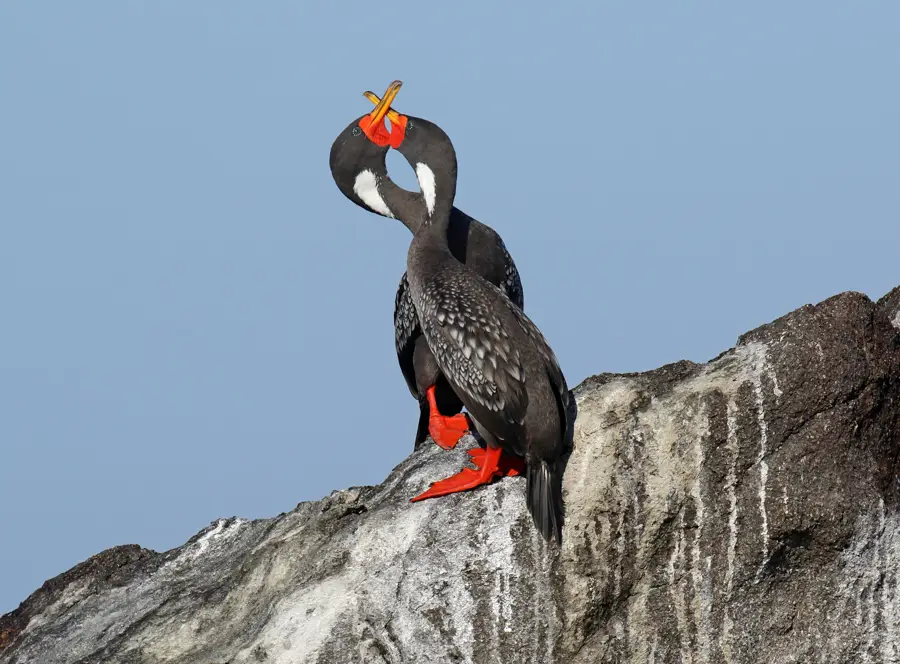
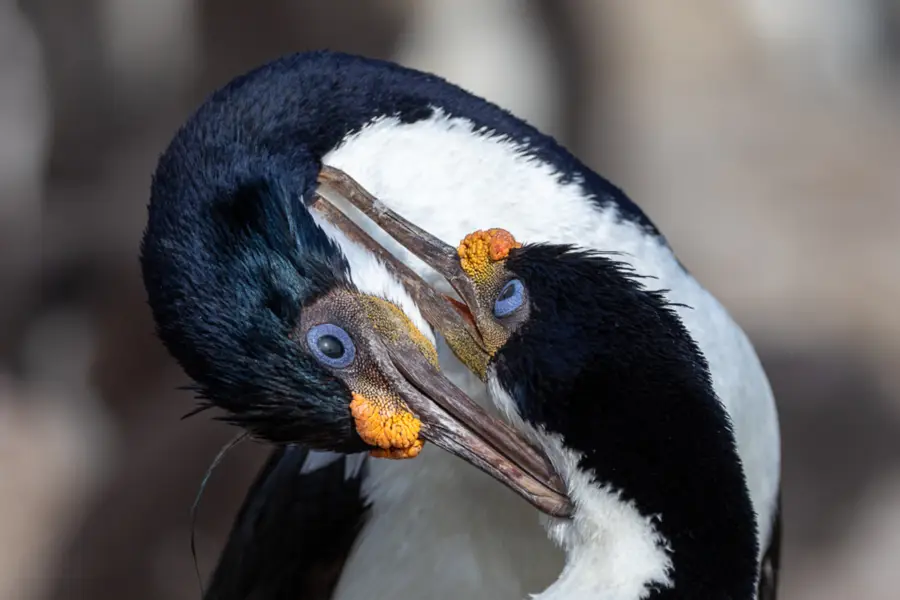
    Whilst out on the ranch, don’t forget to look up every now and then for avians such as black-browed albatross, imperial cormorant, blackish oystercatcher, southern giant and white-chinned petrel, carbonated sierra finch, white-throated cacholote, elegant crested tinamou, along with many more. Following a brilliant day of wildlife watching, head back to the lodge for dinner, relax with a glass of malbec, and once suitably tired, retire to bed.

  8. Day 10: Whale Watching from Puerto Pirámides

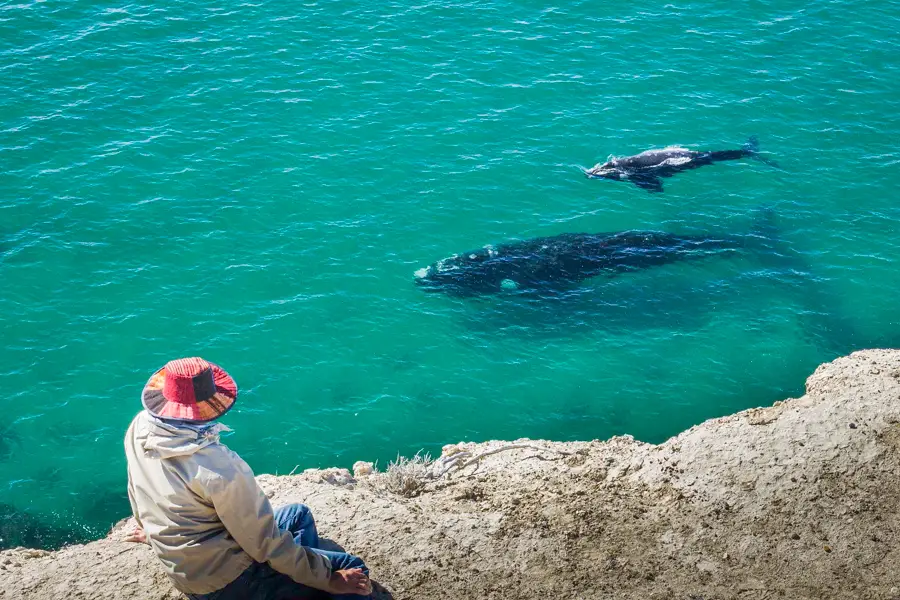
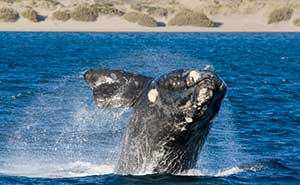
    Following your morning activity, you depart for Puerto Pirámides, a town renowned for some of the best whale watching in South America, particularly southern right whales. After an hour's journey, you arrive at the charming port and embark on a whale watching trip around noon, with the aim of avoiding the congestion caused by other whale watching boats. Viewing these majestic cetaceans up close and personal can be quite an emotional experience, particularly mothers interacting with their calves.

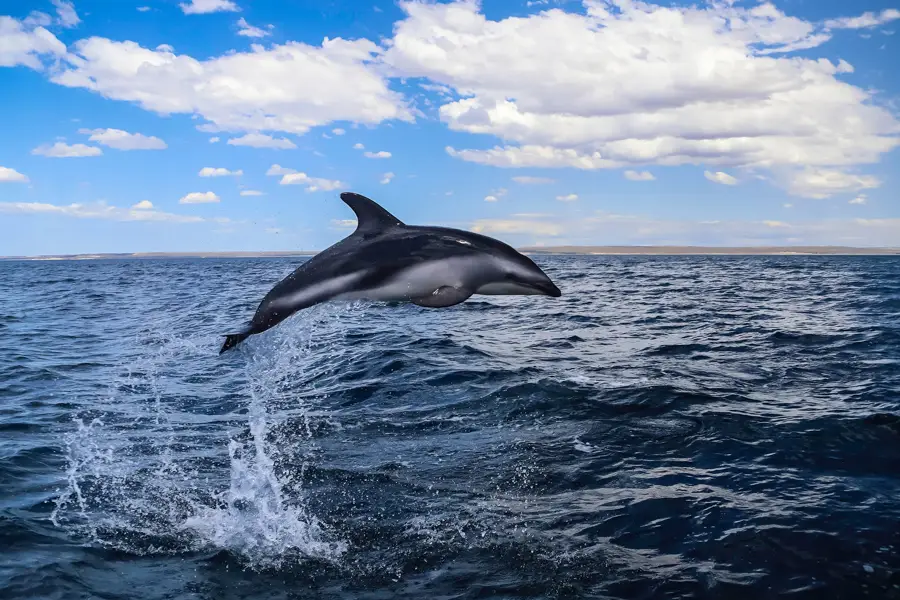
    As you observe them passing by, note their distinctive features such as their inquisitive nature, bulky, calloused heads, and lack of dorsal fin. In addition to the southern right whale, other possible cetacean sightings include orca, Commerson's and dusky dolphins and pelagic birds such as southern giant petrel, white-chinned petrel, and black-browed albatross, imperial shag and dolphin gull can also be spotted out at sea.

    After this unforgettable experience concludes, you can enjoy lunch at one of the restaurants in the town, before returning to Estancia Rincon Chico for the evening.

  9. Day 11: Return to Buenos Aires

    Enjoy a final morning searching for wildlife around the estancia before packing your bags, ready for your return to Buenos Aires. A driver collects you and transports you to Trelew to catch your flight back to the capital.

    Upon arrival you're transferred back to Cassa Lepage for your final night in Argentina. The evening is free to do as you please, collecting souvenirs, enjoying a salsa class, or indulging in a fine Argentinian steak with a nice bottle of wine.

    Accommodation: Cassa Lepage Art Hotel, 1-night

  10. Day 12: Depart Buenos Aires

    As your time in this remarkable country draws to a close, you're transferred back to the airport in time to commence your journey home.
  11. Day 13: Arrive UK

Please note: As a fully customisable holiday, this itinerary can be tailormade to suit your requirements. Why not consider extending your stay to experience other parts of South America? A short flight away to the north lies the impressive Iguazu Falls and the surrounding rainforests positively teem with tropical birdlife.

To the south, is El Calafate, gateway to the Patagonian icefield and Los Glaciares National Park. Further south still, lies the magnificent island of Tierra del Fuego, and on it, the city of Ushuaia, gateway to Antarctica. Or if more Patagonian wildlife is on the agenda, Chile’s Torres del Paine National Park is an exquisitely beautiful and wild park dominated by imposing granite towers, the Grey glacier and its gorgeous berg filled turquoise lake, Lago Grey. Here, you can enjoy even more puma tracking.

For further guidance, contact our expert team today.

Key info

Our trip ideas are offered to inspire you and can be tailored to suit your requirements.
  • Duration and price including flights from/to UK: 13 days from £11,595 pp
  • Duration and price excluding international flights: 10 days from £10,595 pp
  • Single supplement: On request – please contact us.
  • Trip type:
    Tailor-made Holiday
  • When to go: Oct-Mar
  • Included in the price/package:
    • Domestic flights between Buenos Aires - Comodoro Rivdavia & Trelew - Buenos Aires
    • 2 nights at hotel in Buenos Aires
    • 4 nights in Parque Patagonia
    • 1 night at hotel in Comodoro Rivadavia
    • 3 nights on the Valdes Peninsula
    • All meals at wildlife lodges
    • Breakfast at city hotels
    • Buenos Aires city tour
    • One dinner in Buenos Aires
    • Puma tracker
    • Transfers
    • Park fees
    • Conservation fund contribution
  • Activities available:
    • Nature drive
    • Photography
    • Walking
Featured locations:

Parque Patagonia

Parque Patagonia

Located in the north-west of Santa Cruz Province, Parque Patagonia is a vast protected area within the Patagonian steppe that's gaining a reputation for its puma watching. The canyons, plains, wetlands and valleys are host to a range of other species including guanaco and Darwin’s rhea. Find Out More about {acc:title}

  • Where: Santa Cruz Province
  • Ideal for viewing: puma, guanaco, Andean condor, Darwin’s rhea, Wolffsohn’s viscacha
  • Excellent for: Whale watching, Penguin watching, Puma watching

Valdes Peninsula

Valdes Peninsula

Argentina’s foremost wildlife site is a flat peninsula at the northern end of Patagonia, lined with sandy beaches and rocky shelves. The beaches are home to prodigious numbers of marine wildlife, including the only colony of elephant seals on the South American mainland. Birdwatching is good year round. Find Out More about {acc:title}


  • Where: Chubut Province
  • Ideal for viewing: elephant seal, lesser rhea, mara, orca, southern right whale
  • Excellent for: Whale watching
Suggested accommodation options are shown below. Please contact us for further recommendations.

Estancia Rincon Chico

Estancia Rincon Chico

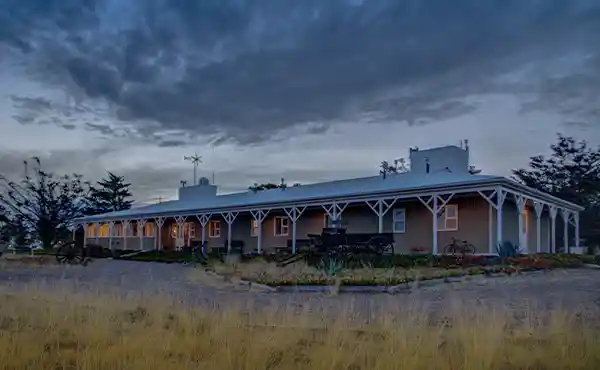
This historic family-owned eco-lodge is positioned on the south-eastern coast of the Valdes Peninsula, with exceptional wildlife viewing. Colonies of southern elephant seals, Magellanic penguins and South American sea lions are highlights along with orcas and southern right whale. Find Out More about Estancia Rincon Chico

La Posta de Los Toldos

La Posta de Los Toldos

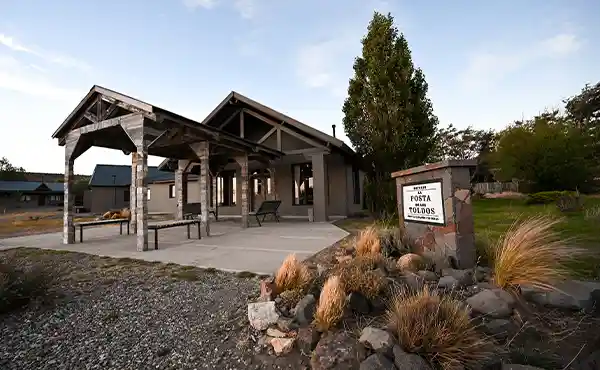
Located in Argentina’s Santa Cruz Province and surrounded by the plains of Parque Patagonia, this beautiful lodge provides a fantastic stay for those looking to explore the Patagonian steppe whilst searching the vast open wilderness for pumas, guanacos and more Patagonian wildlife specialties. Find Out More about La Posta de Los Toldos