Travel, experience, conserve with
Phone:
Jump to main menu

Embark on the expedition of a lifetime as you delve deep into the Okavango Delta to two exclusive areas of untamed wilderness packed with wildlife on this remarkable adventure-based safari.

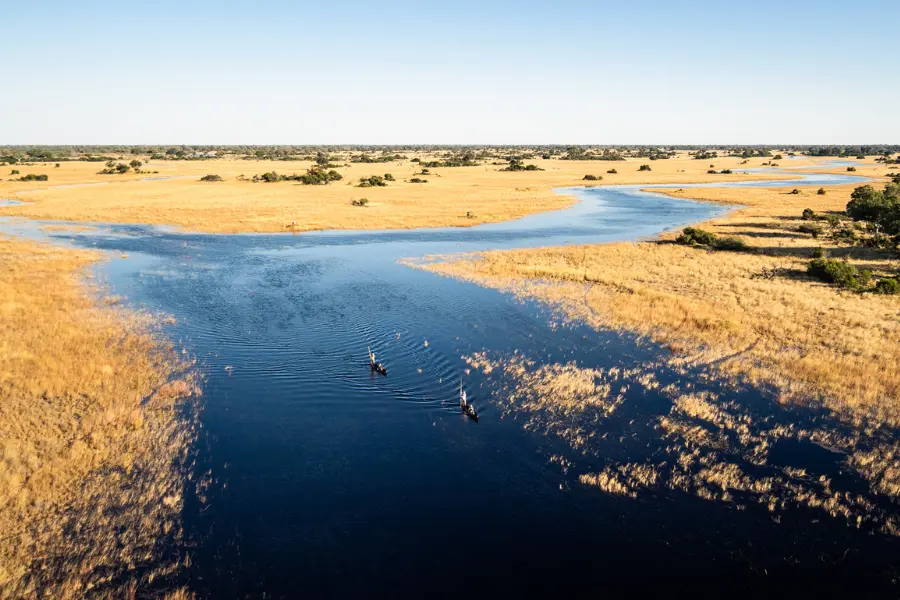
Navigating the Delta on foot, by vehicle, motorboat and traditional mokoro, search for creatures great and small whilst enjoying one of the most unique experiences the Okavango has to offer.

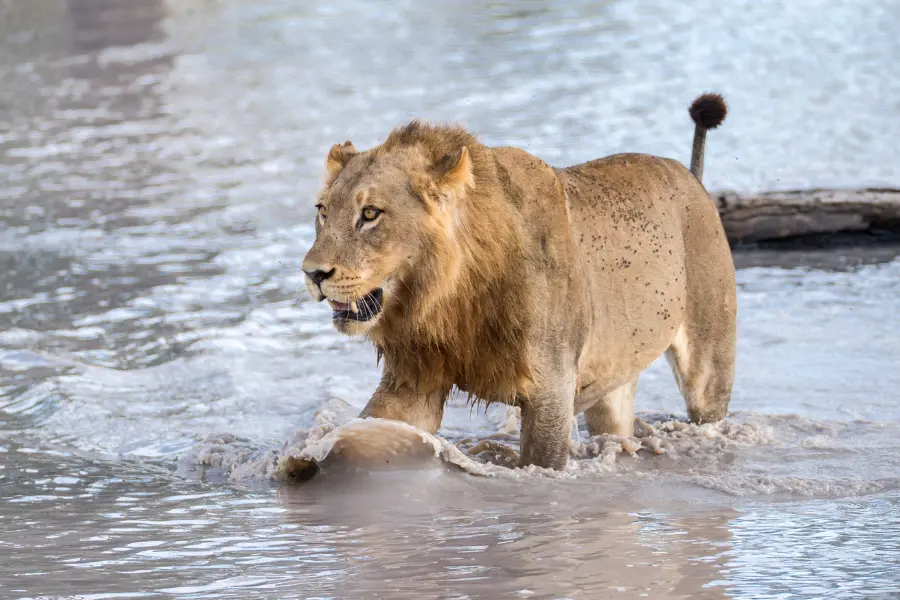
Each camp in this itinerary adopts an adventurous approach, with walking safaris encouraged and the opportunity to swim in the refreshing waters of the Delta once they've arrived from Angola. The luxury of this safari lies in its experiences as you step into a bygone era of exploration and immerse yourself in your surroundings while enjoying top-class hospitality, and intimate sightings, with chances to encounter all of Africa’s top predators: lion, leopard, cheetah and African wild dog.

Your adventure begins in a private section of the Abu Concession, staying at two sister bush camps only accessible by helicopter. You transfer between the two properties on foot on the third night of your stay (or a combination of walking and mokoro if water levels are high), accessing areas that are impossible to reach by vehicle alone. 

Once your stay in the Abu Concession draws to a close, you fly almost the full stretch of the Okavango Delta to Karangoma in the north-east, positioned along the game rich Selinda Spillway, where you spend the next three nights. This area grants you access to a diverse mix of habitat which includes the quintessential Delta floodplains and the vast northern woodlands, increasing your chances of spotting a plethora of fascinating species.

Suggested Itinerary

  1. Day 1: Depart UK

  2. Day 2: Arrive in Maun & fly to Kweene Trails

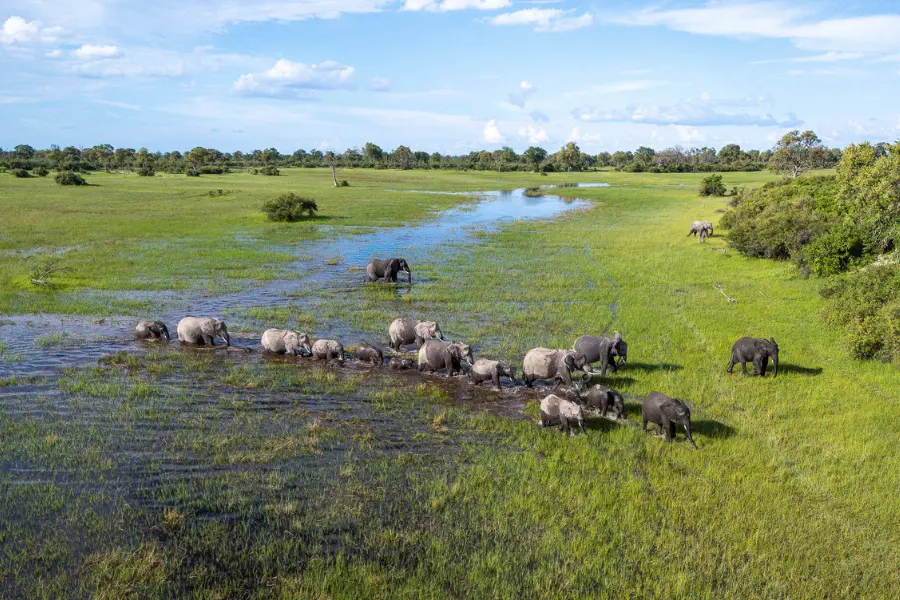
    On arrival in Maun, you're met by a representative and escorted to the meeting point for your helicopter flight into the Okavango Delta. As your flight begins to leave Maun behind, witness the landscape slowly changing from mopane woodlands into sweeping plains before the vast waterways and pools come into focus, surrounding a wealth of islands. From the sky, pick out elephant and buffalo herds, elegant giraffes, dazzles of zebra, plentiful red lechwe, the heads of hippos poking out of the water, and if you're lucky, a predator or two.

    As you descend towards Kweene River Camp, you'll scarcely believe there's a place to stay; perfectly tucked amongst the trees along the Kweene River, it's almost inconceivable from above. Disembarking the helicopter, the staff will assist with your bags as you meet your guide. They'll take you to the main area for a safety briefing and discuss your preferred activities before a delicious lunch is served. There's some free time to settle into your tent and new surroundings, before setting off on your first game drive in the late afternoon.

    Your guide will choose the area to search for wildlife based on recent sightings as you set off into the bush for the first time. Picking up spoor of predators will often dictate the direction you take, as you search for African wild dog, lion, leopard and cheetah along with the vast numbers of fascinating herbivores found on the floodplains.

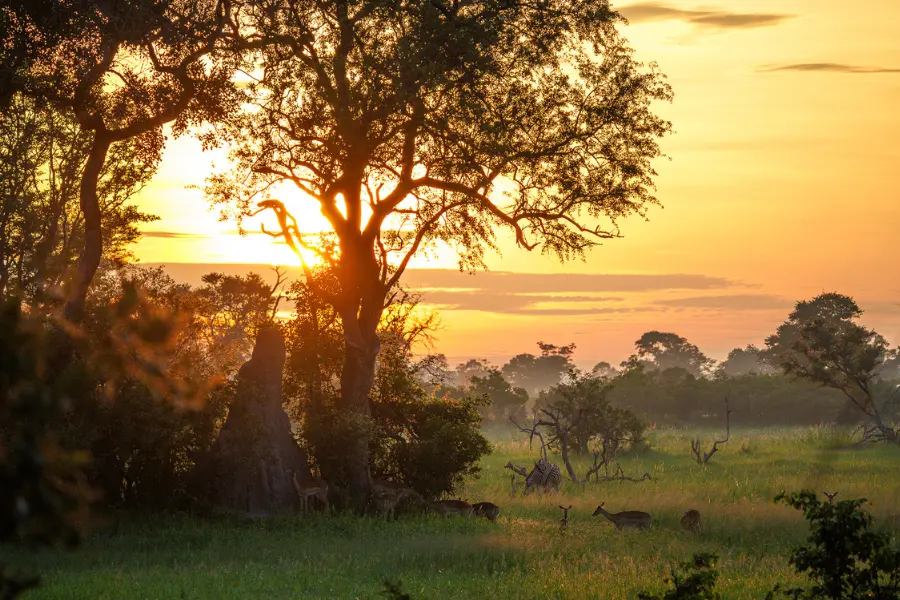
    As you navigate the landscape, the calls of ring-necked dove will fill the air as miraculously the world’s tallest terrestrial mammal, the giraffe, seemingly appear from nowhere as you round corners. Sitting quietly, watch as the giant ungulates wrap their enormous blackish prehensile tongues around branches, stripping them of nutritious leaves. As the sun begins to descend over the horizon, your guide will find a suitable place, usually by a water body, to stop the vehicle, allowing you to stretch your legs whilst admiring the immense colours of the sky with an assortment of snacks, complimented by a refreshing locally distilled gin and tonic.

    You return to camp under the cover of darkness, with your guide making use of a spotlight to uncover the secrets of the nocturnal realm. The bird calls give way to the hums of cicadas as you monitor the trees for giant eagle-owl waking, ready to scan for scrub hares, monkeys, lizards, toads and a host of other small to medium-sized prey, which they hunt with precision from their perch. The reflection of the spotlight in an animal's eyes is often the first indication of a sighting, with honey badgers, African civets and genets all possible amongst larger species such as lion and leopard, who are also utilising the cover of darkness for a night on the prowl.

    Once you've arrived back at camp, there's time to freshen up before gathering around the fire, with a drink in hand, discussing the day's highlights and listening to fascinating stories from your guide. The chef will announce the menu before bringing dinner to the fire, where you'll watch as it's cooked to perfection before your eyes, and you reposition to the dining table.

    As your first day in the bush draws to a close, enjoy a nightcap around the fire once more, as you contemplate the marvels of the night sky and listen to the calls of lion in the distance.

    Accommodation: Kweene Trails, 4-nights

  3. Day 3: Safari activities from Kweene River Camp

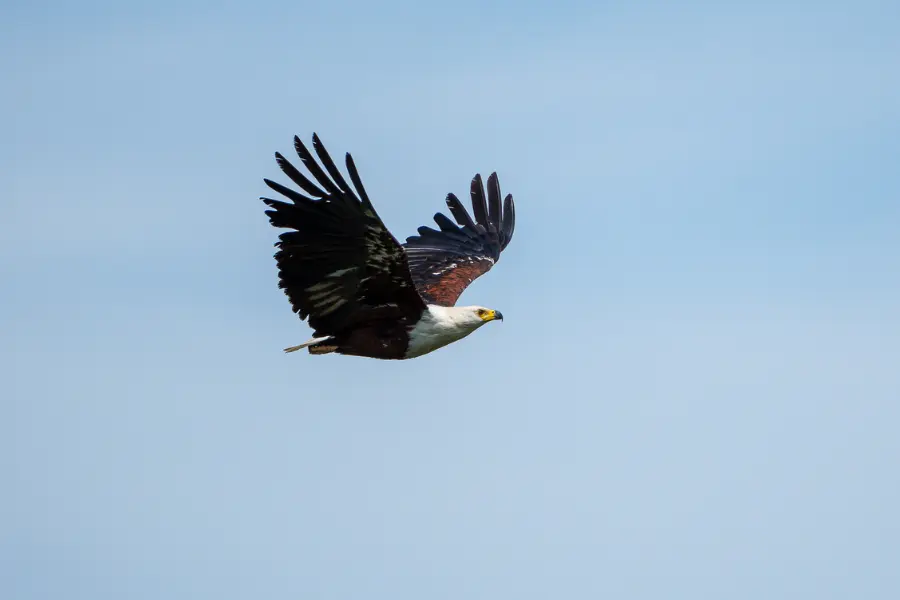
    Waking to the calls of African fish eagle and red-billed buffalo weaver, your day begins with a coffee around the fire accompanied by your guide, before setting off for your morning game drive. Depart camp with the rising sun in the distance, your nostrils filled with the scent of wild sage as you traverse through the bush. Herds of elephants can be found feasting on mopane trees, stripping them of leaves with their trunks before moving onto the next one. Young elephants are a joy to watch as they clumsily practice using their trunks, slowly improving their control over the thousands of muscles they need to master to become fully competent adults.

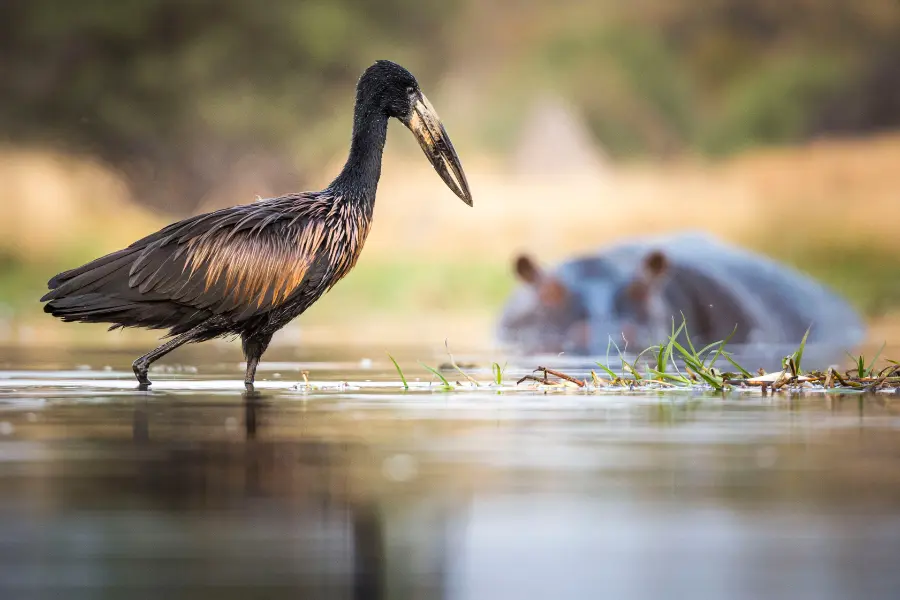
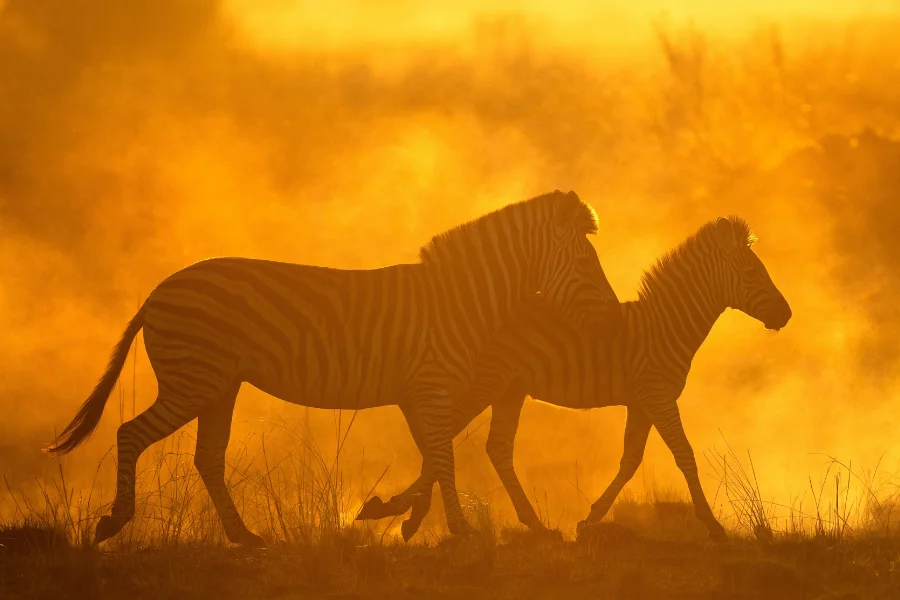
    Midway through your drive, your guide will again find a safe spot to stop and disembark the vehicle, this time for a bush breakfast. As your tracker prepares the breakfast options, gaze out across the water as you scan for wading saddle-billed storks, hovering pied kingfishers and pods of bellowing hippos, before enjoying the most important meal of the day. Heading back into the bush after breakfast, you continue to search for all manner of species. Large herds of zebra can often be spotted, kicking up immense swathes of dust as they trot close together, creating the dazzling effect, believed to confuse predators as the abundance of stripes make it difficult to identify individuals to isolate.

    Returning to camp shortly before lunch, there's time for a quick freshen up before reconvening in the dining tent. Once you've eaten, the early afternoon is spent at leisure, monitoring the Kweene River for signs of wildlife, relaxing with a good book in the open-air lounge, or catching up on sleep in the comfort of your tent.

    This afternoon, you embark on your first walking safari, heading into the bush with your experienced armed guide and tracker bringing up the rear as you walk in single file. Walking is a fantastic way to gain a deeper understanding of the ecosystem and the smaller details that are often missed on game drives. The soft Kalahari sands are ideal for tracking wildlife, the grinding halts of the hooves of running zebra, paw prints of African wild dogs and drag marks accompanying a leopard kill are just a few of the past events your guide will be able to decipher.

    You're likely to come across natural salt licks that are used by a variety of species, as they provide essential minerals to supplement the diet of herbivores in particular. Sandgrouse can often be observed around these sites close to water, with Burchell’s sandgrouse visiting in the morning and the double-banded in the afternoon.

    As your walk continues, you'll notice various droppings, from large balls of elephant dung to small pellets left behind by impala. African civets have unusually large scat for their size, and with an immensely diverse omnivorous diet, it can be interesting to sit and decode their latest meals as you examine their middens, known as ‘civetries’, which are also used as territorial markers. Grey go-away-birds will wail from the tree tops as you walk beneath, listening for the contact calls of lions before heading in that direction. Staying upwind of wildlife is particularly important to avoid detection, and you'll notice elephants raising their trunks to sniff the air when they sense something may be nearby.

    Afternoon walks return to camp as the sun begins to set to avoid walking in the dark, and your sundowner drinks are served upon arrival. There's time to return to your tent and prepare for dinner before reconvening around the fire for another drink as the chef once again cooks a sumptuous meal on the open fire in front of you.

    Optional Excursion: Scenic doors-off helicopter flight

    When booking the camp on exclusive-use (four guests), in replacement of the morning game drive, there's the option to book a scenic doors-off helicopter flight over the Okavango Delta during the sunrise. You spend an hour and a half in the air, appreciating the vast waterways, spotting wildlife from above and landing at a remote spot for a bush breakfast, surrounded by nothing but wilderness. Contact us to arrange this as part of your holiday.

  4. Day 4: Full day walking safari transfer

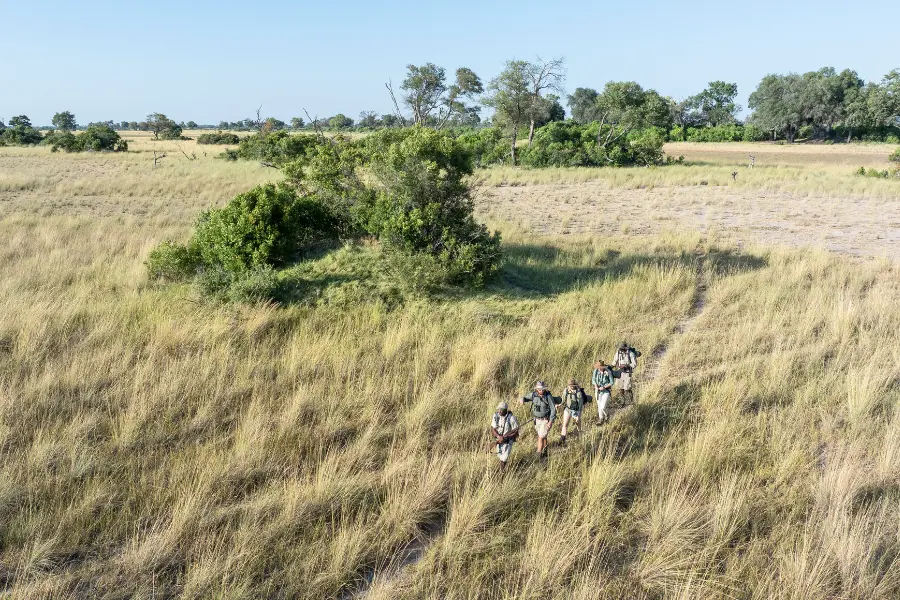
    Today you set off shortly after sunrise for a full day of walking (conditions permitting – if floodwaters are high, some of the journey may utilise mokoros) as you transfer between camps. Ensure your bags are packed before heading to the main area for breakfast, as they're transferred by vehicle. Once sufficiently satiated, you're given an expedition rucksack complete with drinking water, packed lunch, gaiters and roll mat ready to begin your adventure. 

    Once again, look for signs of wildlife that will hopefully lead you to a sighting, although figuring out the events of the previous night can be equally fascinating. Some tracks are unmistakable - the size and shape of an elephant's footprint can be confused with nothing else, the paw pads of predators distinctive even if the species isn't immediately clear. Your guide will have you guessing before revealing the answer.

    However, sometimes these prints are not so obvious but can provide insight into interesting behaviours. For instance, you may find prints that are more kangaroo-like in appearance to anything you would expect to find in the African bush, accompanied by a mound of sand between the legs. Moving the sand with a stick, you may find faeces inside, suggesting that a big cat has been sat on its back legs, covering its scent to avoid alerting prey species to its presence, or that it has been passing through the territory of another of its species that it does not want to encounter.

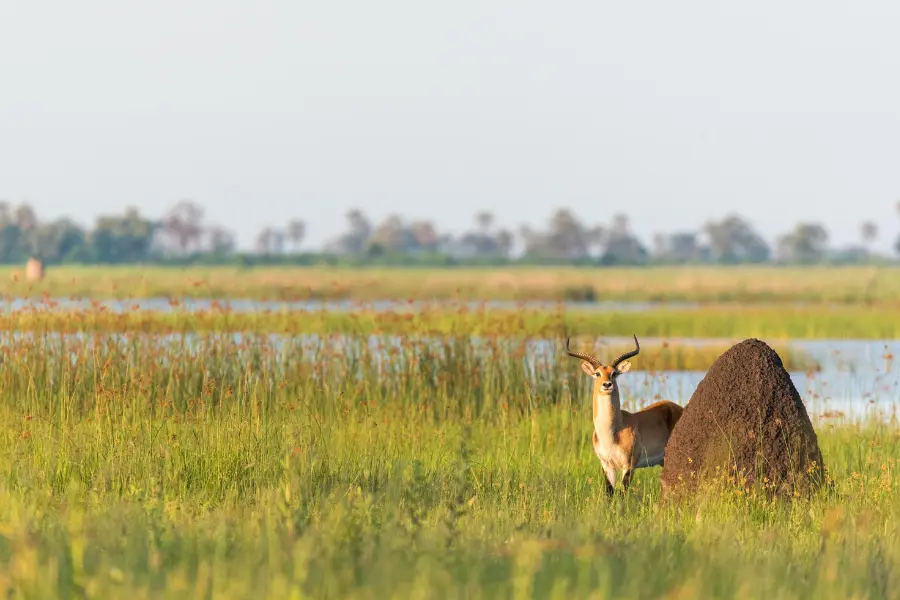
    As you continue onwards, you may quietly encounter stately giraffe amongst herds of wildebeest, zebra and impala. Bateleur eagles soar overhead as yellow-billed storks occupy the waterways, and swallow-tailed bee-eaters appear on seemingly every perch. Keep an eye out for red lechwe as you walk alongside flooded areas as they bound through the water, creating a splashing sensation that's so quintessential of the Okavango Delta. At times, depending on the water levels, you may need to kick off your shoes and wade through these waters yourself to reach the next island on your way to the next destination, putting on your flip-flops as you reach the other side to allow your feet to dry.
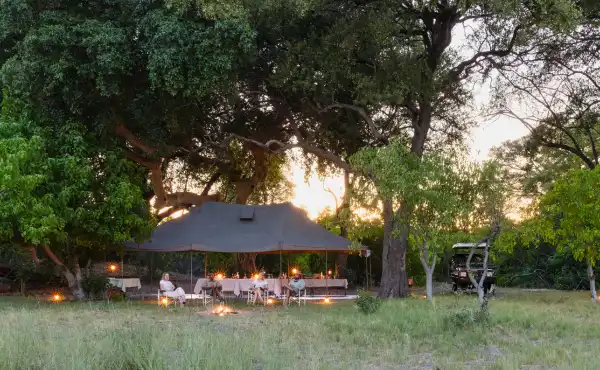
    As the heat of the day intensifies, your guide will find a quiet, shaded spot to unravel your roll mat. Whilst you sit and eat your lunch, look out across the floodplain and bask in the serenity of the surrounding nature. A few hours are spent relaxing here as you wait for the hottest part of the day to pass; some choose to spend this time reading a book, others prefer to take a siesta prior to their afternoon of walking, and some like to sit, watch and listen to the sounds of the encompassing bush. There may even be time to take a refreshing swim in the crystal clear waters of the Delta if conditions permit.
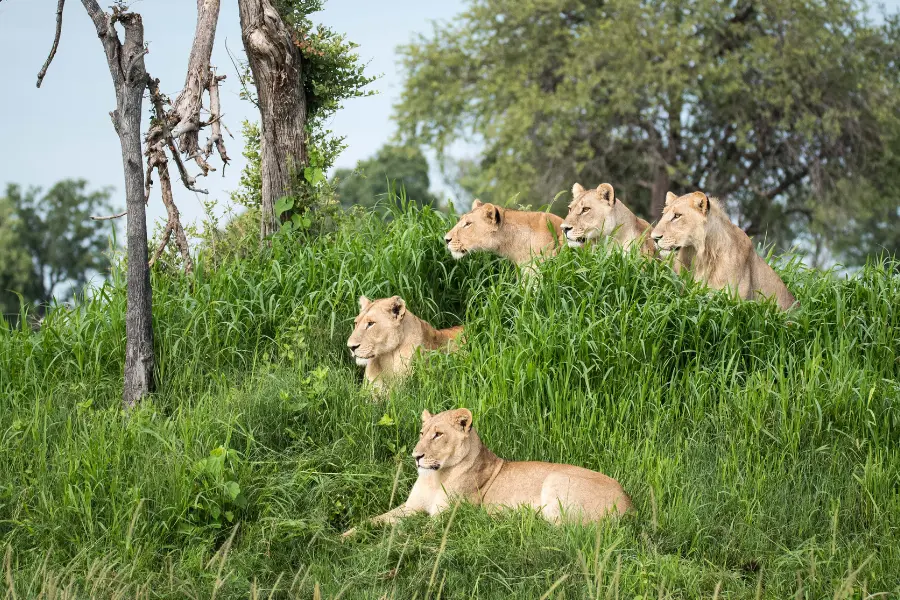
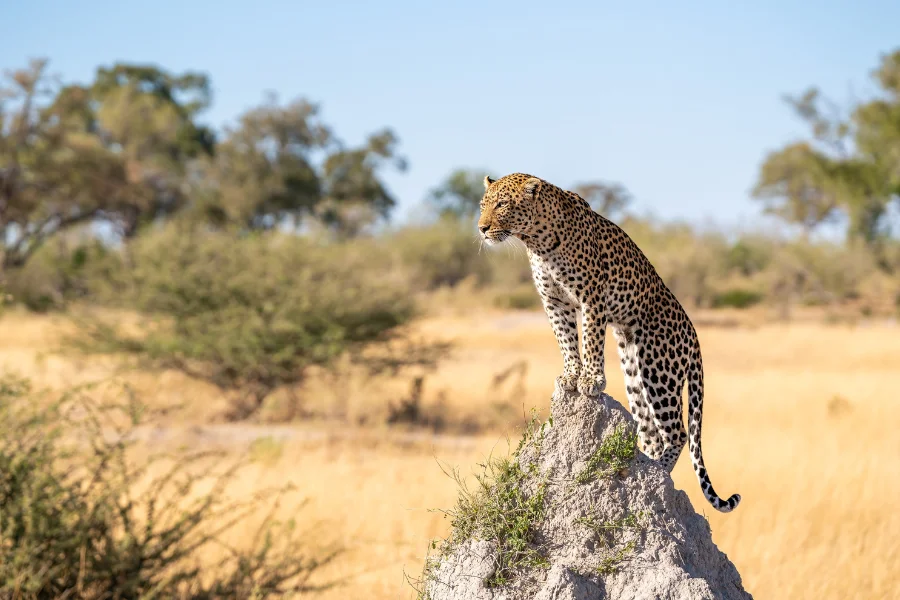
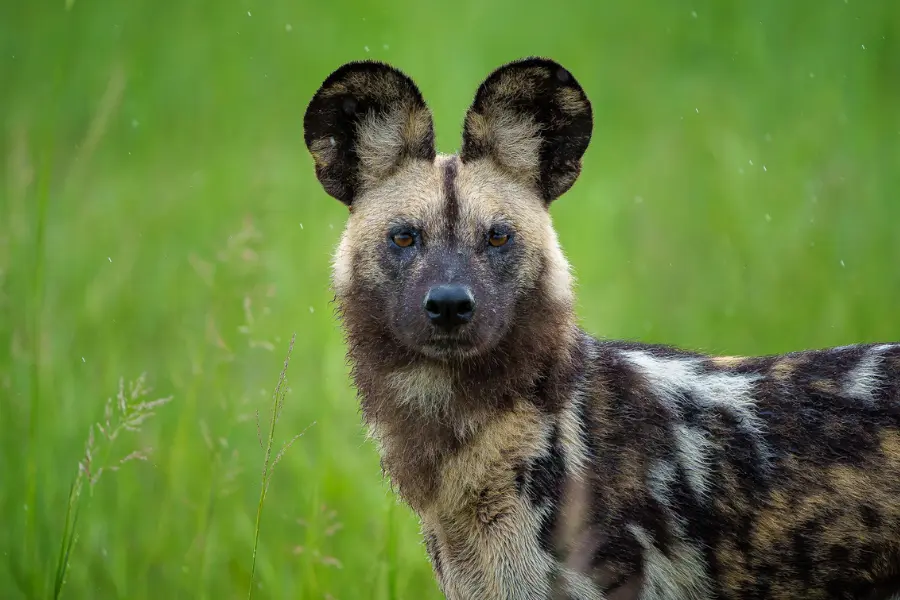
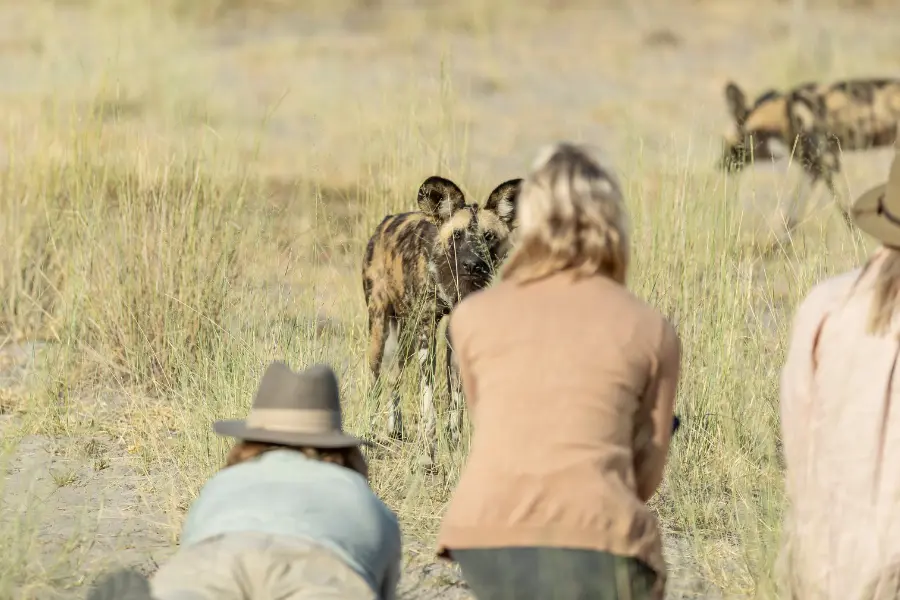
    Returning to the trail route as the day cools, you may have to take detours to navigate around herds of elephants and buffalo at a safe distance, climbing onto termite mounds and fallen logs to gain a favourable vantage point to plot your next steps. African wild dogs can be particularly inquisitive on a walking safari and may even approach you to take a closer look, although they will still be wary to venture too close. Lions are also a possibility, and your vastly experienced guide knows how to carefully manage these situations; with the correct reading of the feline’s behaviour, there may be the chance to patiently observe them. Staring into the eyes of the Okavango’s apex predator on foot whilst they stare back at you is surely one of the most heart racing experiences that can be experienced in the bush.

    As you arrive at Magwegwe Camp, shortly before the daytime gives way to darkness, you may notice the territorial drumming sound of African snipe as they fly over the Kweene River. This noise is actually mechanical rather than a call, and is caused by air passing rapidly over stiffened and specially modified outer tail feathers. You'll be greeted with a welcome drink by your waiter, and showers will be ready as you walk into camp. After settling into your new tent and freshening up, reunite with your guide and other guests around the fire with a celebratory drink as you discuss what you've seen and accomplished today, prior to another remarkable dinner.

  5. Day 5: Safari activities from Magwegwe Camp

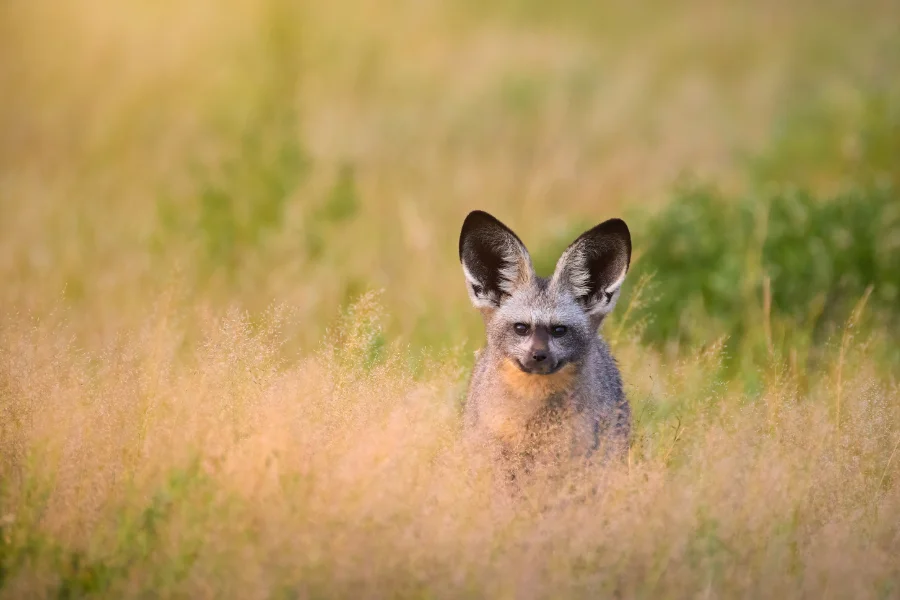
    Waking up in a new location but following the same routine, head off on a morning game drive to explore your fresh surroundings, looking to the trees for tawny eagles, African green pigeons and black-headed oriole, and to the various pools for open-billed storks, Egyptian geese and squacco herons. Accessible by vehicle from this camp, there's a dry area good for walking, with a number of pans where chances are higher to spot some species that prefer a more arid landscape, such as bat-eared fox. The only truly insectivorous canine, with over 80% of their diet consisting of termites and dung beetles, these charming mammals have a remarkable method for locating their prey. They forage with their nose close to the ground and ears tilted forwards as they listen for the sounds of invertebrates underground before digging down and beginning their feast. 

    Another interesting element of walking safaris is learning how to navigate in the bush by using the environment. For example, the nests of white-browed sparrow-weavers are always built on the western side of trees, and the tips of termite mounds point to the north.

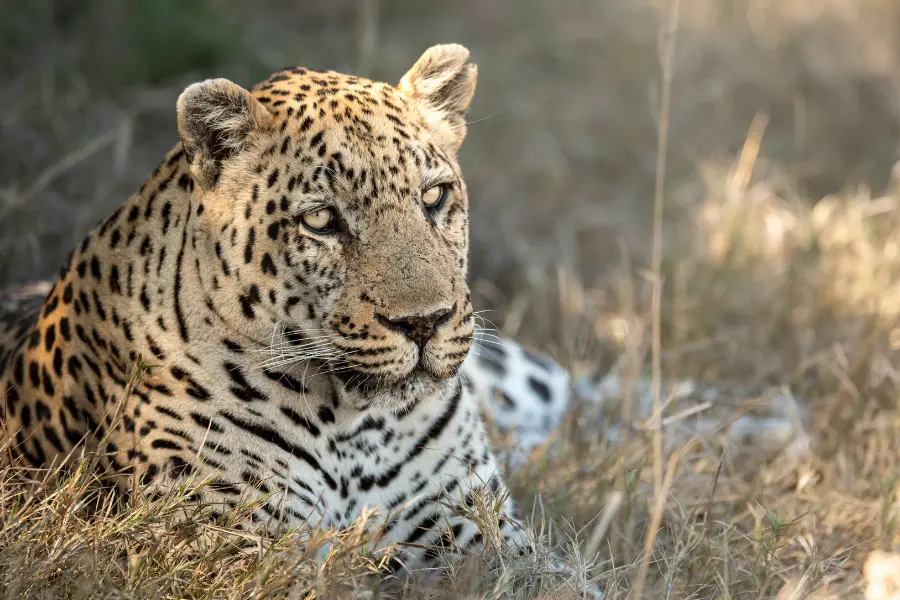
    Another bush breakfast follows the morning game drive and walking combination, before you return to the vehicle to search for browsing kudu and grazing warthogs. Sightings of white-backed vultures could be a clue that a predator is nearby, and it may be a good idea to monitor the trees for any signs of movement or perhaps a carcass draped over a tree branch, indicating a leopard may be in the vicinity. After a meal, leopards will often drink, so heading down to a nearby waterhole is often a reliable strategy to patiently wait for a rosetted feline to emerge from the long grass.

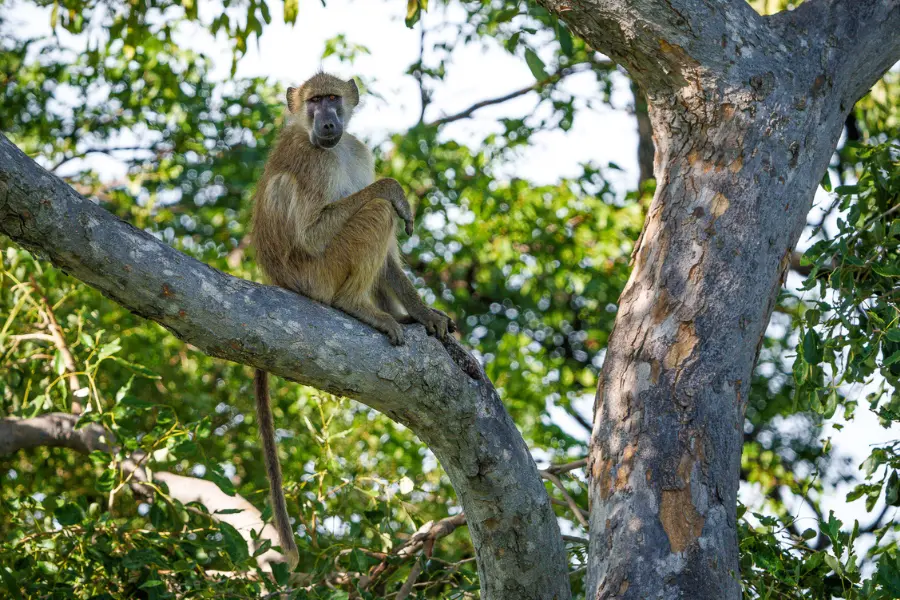
    As usual, you return to camp for lunch and some leisurely time to relax. Cheeky vervet monkeys can be observed climbing around the fig and jackalberry trees shading the camp, sometimes repelling to the ground to nosily watch the goings-on in the dining tent.

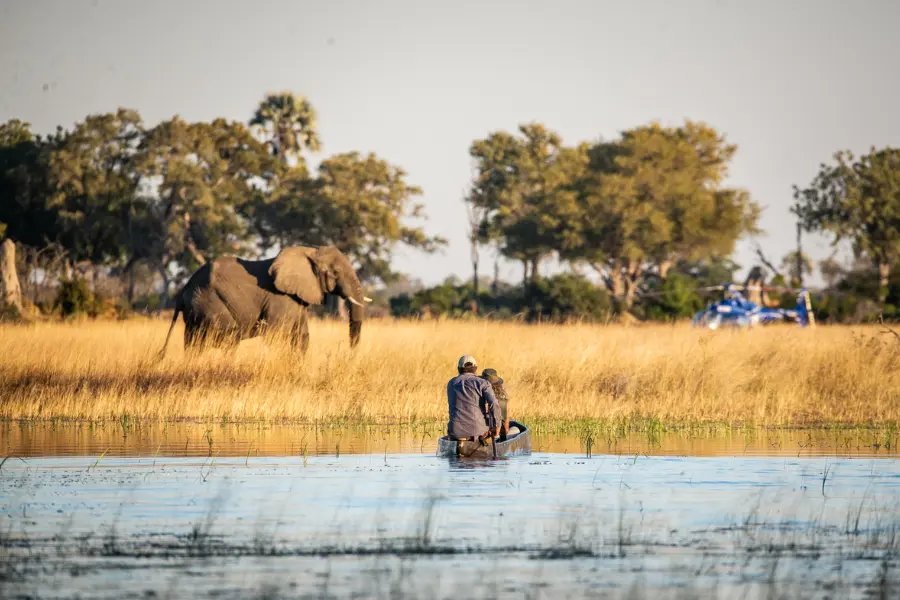
    This afternoon, board a mokoro and have your poler blissfully guide you down the river on these traditional dugout canoes. Despite taking a more leisurely approach to game viewing this afternoon, it doesn’t mean the sightings are any less.

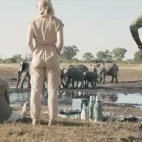
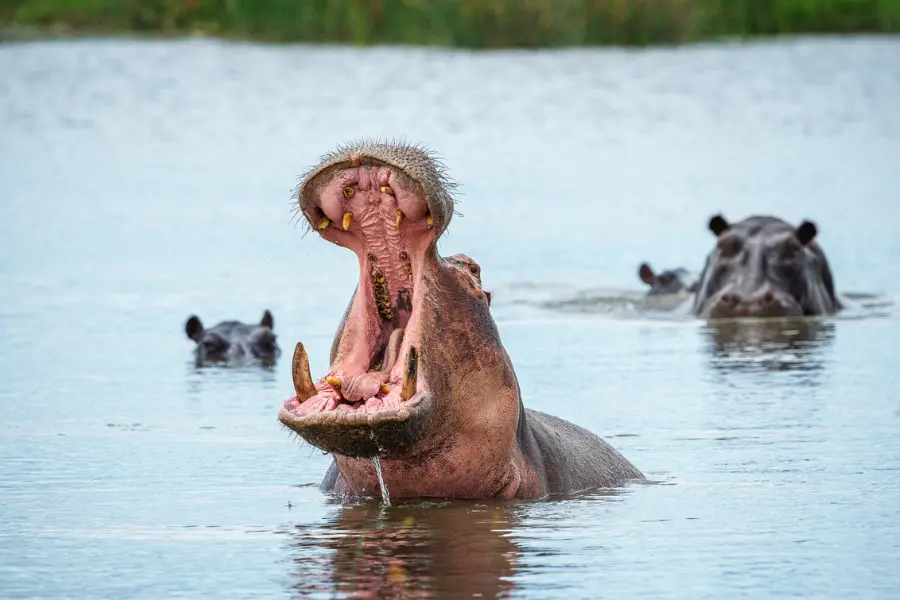
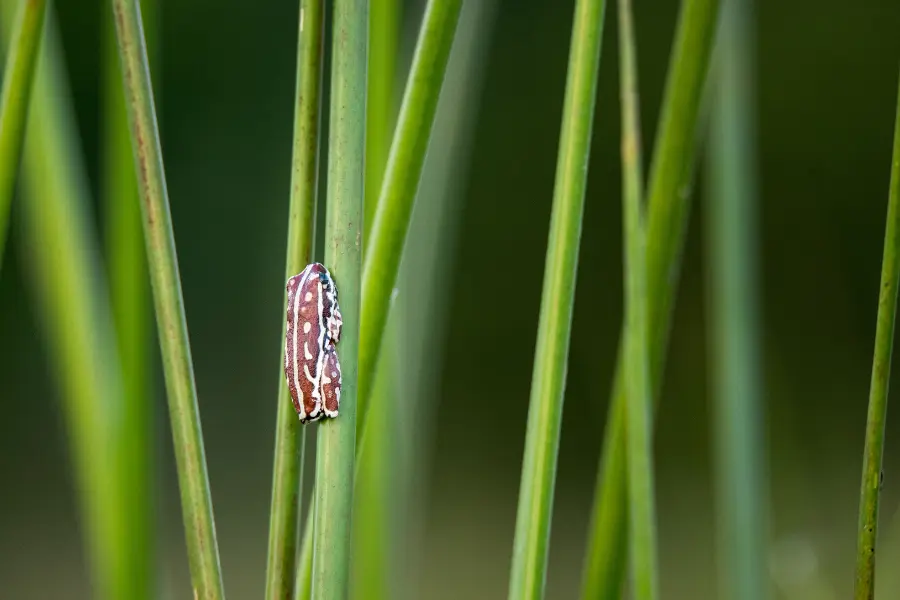
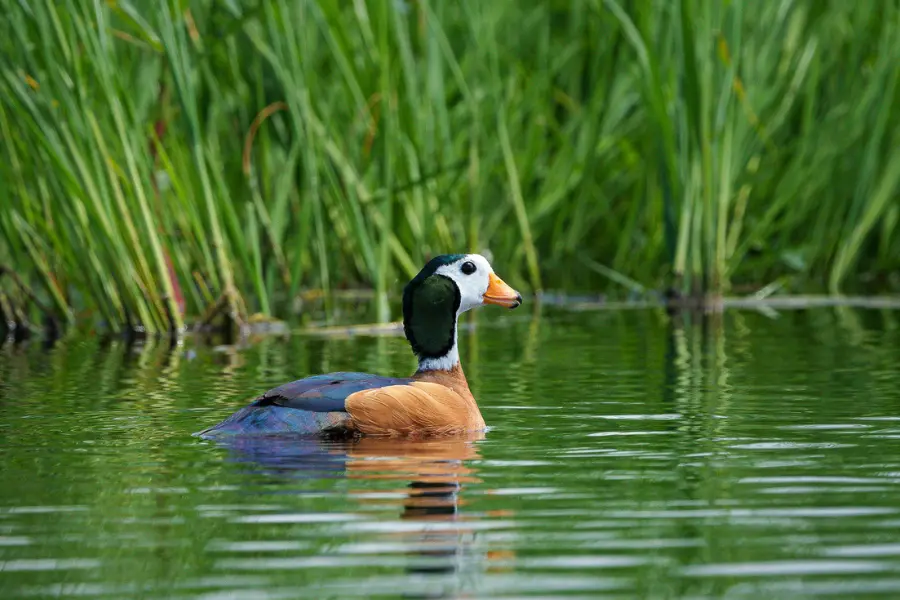
    Spur-winged and pygmy geese float along the surface as hippos bob up and down, whilst crocodiles bask with their mouths wide open along the banks. Elephants may make their way to the water to cool off with the herd in tow - they swim and play like adolescents in a swimming pool, sometimes even utilising their trunks as a modified snorkel. Predators such as lion, leopard, African wild dog and even cheetah could potentially make an appearance along the banks as they come to drink, cross or hunt along the riverbanks. As you glide amongst the reeds, keep your eyes peeled for reed frogs before you return to camp prior to the sunset.

    Enjoy your final evening here drinking around the fire and dining under the stars, as the sounds of Mascarene grass and Senegal running frog fill the air.

  6. Day 6: Fly to Karangoma

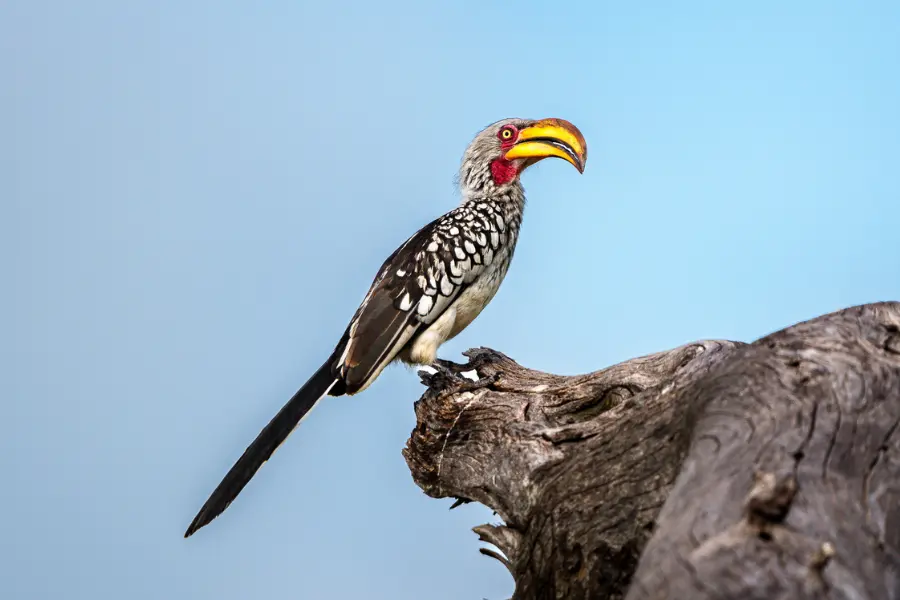
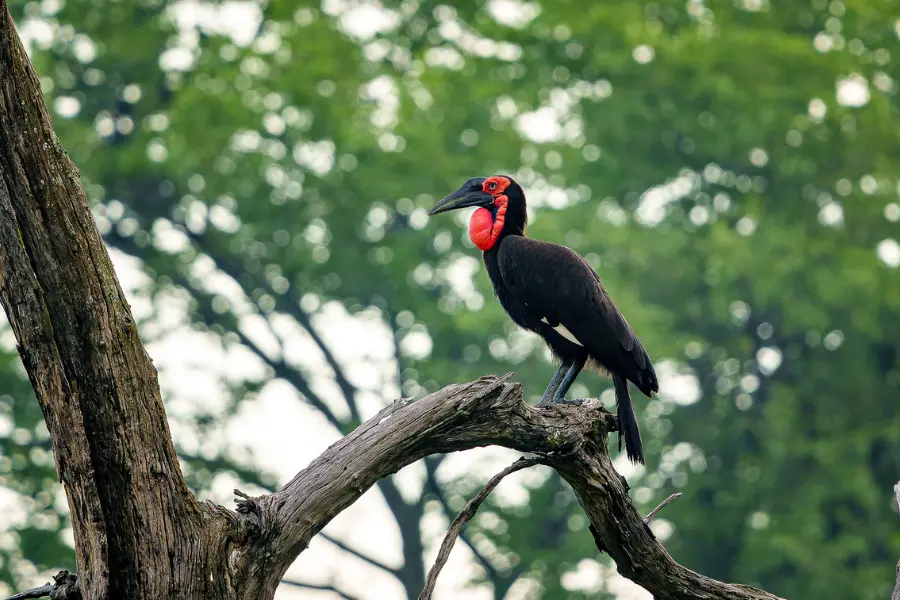
    This morning venture out into the bush for your final game drive in the south-west of the Delta, watching yellow and red-billed hornbills foraging on the road ahead, dazzling lilac-breasted rollers showing off their vibrant colours, and blacksmith lapwings complaining every time you're close to water. You'll notice impala appear distinctly darker in the mornings as they fluff out their coats through a process similar to goosebumps, known as piloerection. This technique protects them from the cold, trapping a layer of air between the body and where the hair is standing, and the air is warmed by the impalas body heat.

    After your bush breakfast, you begin the journey back to camp, ready to say your farewells to the staff before your helicopter transfer arrives. Waving goodbye as you take off, you once again have the opportunity to admire the spectacular landscape from above as you fly over the whole of the Okavango Delta towards the Selinda Spillway in the north-east.

    Approximately 30 minutes into your flight your next camp, Karangoma, begins to come into focus as you descend towards its woodland backdrop, with your guide and staff ready to greet you and transport your bags to your tent. Following a short induction, lunch is served before you take some time to settle into your tent for the next three nights, or make use of the swimming pool as you watch for wildlife walking across the floodplain.

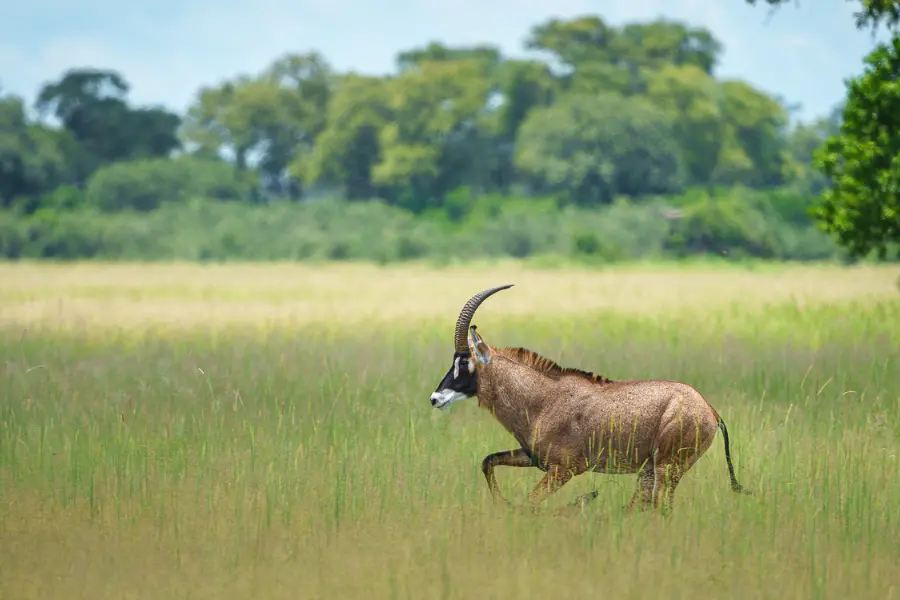
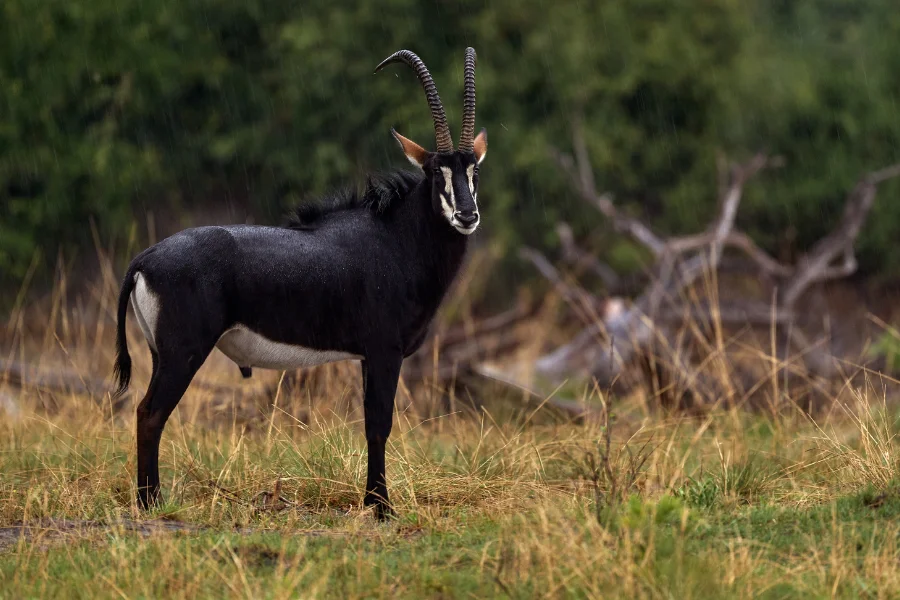
    Feeling amply refreshed, head out on a game drive this afternoon to explore this new and exciting wilderness area. The woodlands provide a noticeably different habitat to the previous destinations, and present the chances to find seldom seen antelope species such as sable and roan. As the only extant members of the genus Hippotragus, these antelope are both specialist grazers, possess similar facial markings, adopt an incredibly similar social structure, and young calves are difficult to distinguish in the early months. Roan are slightly larger in terms of both height and weight, however the most noticeable difference is that adult sable are a striking jet-black, making them arguably one of the most visually stunning antelope with their large curved horns, whereas roan coats range from pale grey to reddish brown.

    Your guide takes you to another memorable location for sundowners as you gaze across the horizon towards the emphatic orange hues of the setting sun. Once suitably refreshed, you return to the vehicle and make your way back towards camp at a time when predators such as lion are beginning to become active.

    Returning to camp under an unfathomable number of stars, there will once again be time to head to your room before meeting around the fire for dinner.

    Accommodation: Karangoma, 3-nights

  7. Days 7-8 : Safari activities from Karangoma

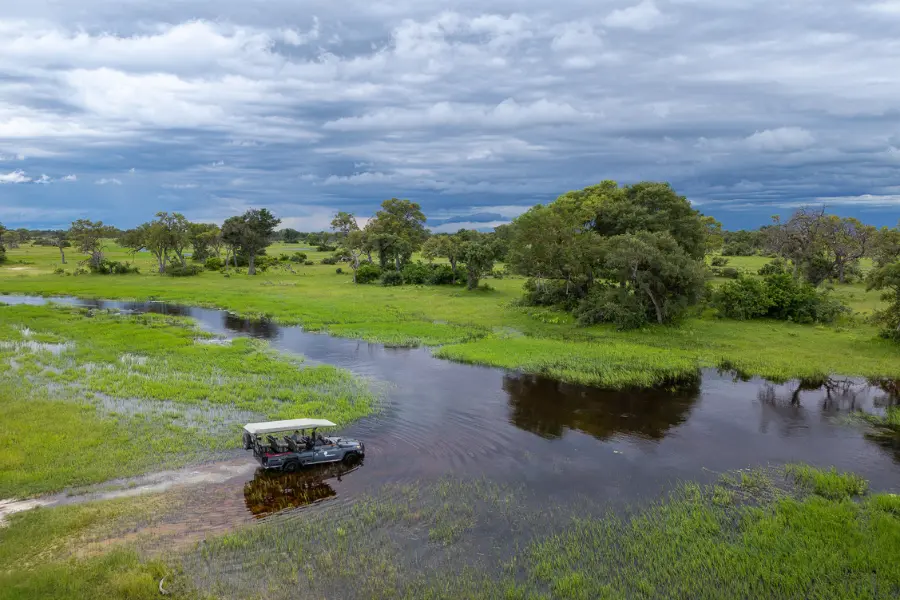
    The next two days are spent waking early and meeting by the fire for a quick bite before heading out to search for wildlife by all means possible. Game drives or walking safaris across the floodplains and within the woodlands, along with motorboat and mokoro excursions when water levels permit, allow you to experience all this wonderful area has to offer.

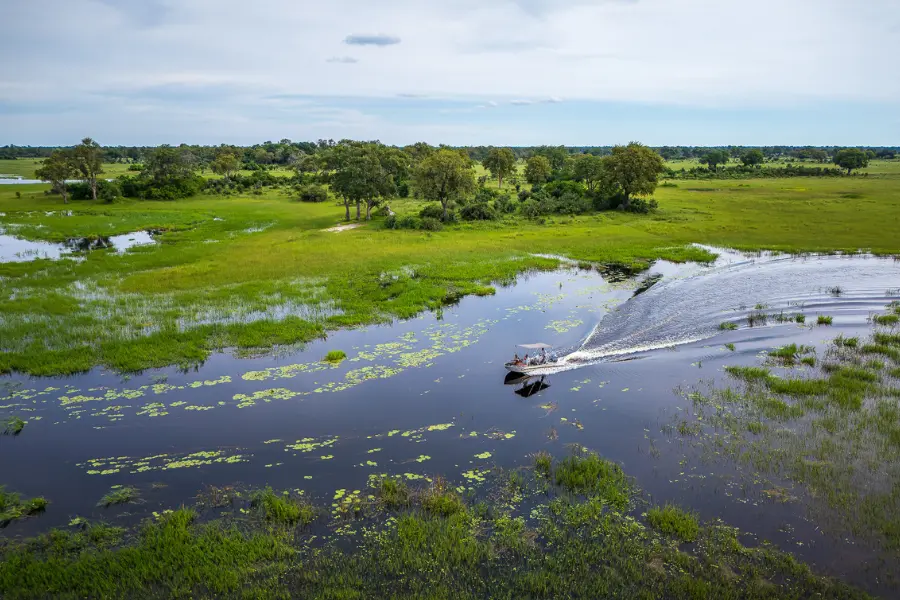
    Sunrise boat cruises are a fantastic way to explore the waterways, with magical skies beautifully reflecting off the water’s surface as malachite kingfishers perch on reeds and pygmy geese float by. Elephants may wade in to feed on soft aquatic vegetation and as they shake their latest snack; take note of the splashing water droplets illuminated by the orange tones of the rising sun. Midway through the morning, there's time to stop and enjoy the scenery as you tuck into another delicious bush breakfast.

    From the boat it's possible to see each of the Okavango Delta’s four keystone species - elephant, hippo, termites and papyrus. Your guide is on hand to explain how each of these keystones act as ecosystem engineers, and how their influence shapes the habitats and structure of the Delta.

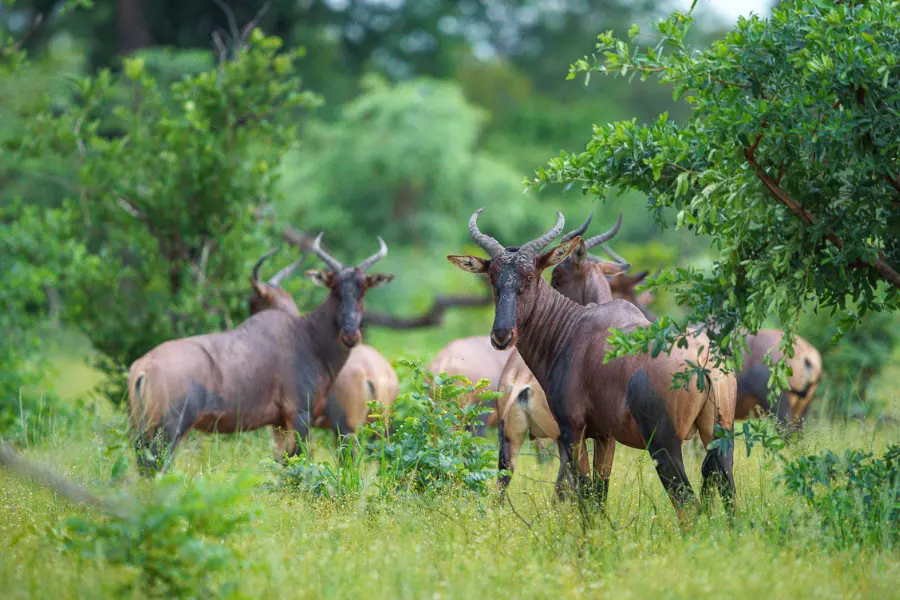
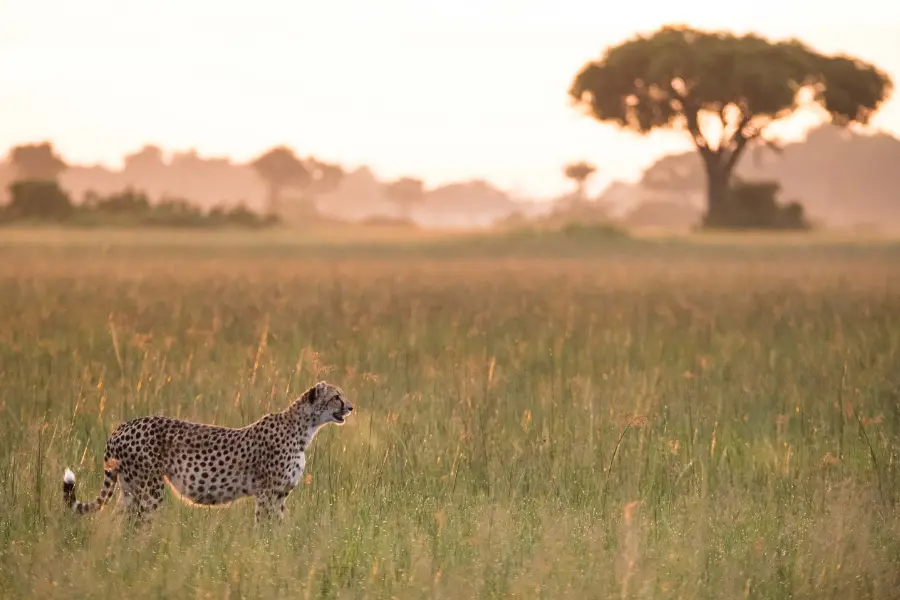
    After a spot of lunch and an afternoon siesta, take to the floodplains, where you can hope to find tsessebe taking up sentry positions on raised mounds to survey the area for danger. One such hazard these antelope could encounter is the cheetah, plotting the fastest antelope in Africa up against the fastest terrestrial animal in the world. Despite the predator being able to achieve a slightly higher top speed, their hunt still requires an element of surprise as the tsessebe possess far greater stamina and therefore these pursuits usually conclude with the antelope escaping.

    The afternoon activities are complimented by more scenic sundowner spots with a selection of snacks and drinks whilst you watch storks passing by, silhouetted by the setting sun. Return to camp on another drive after dark, utilising the spotlight to search for nocturnal creatures. Reflections close to the road often indicate sightings of swamp nightjar or bronze-winged courser, and in the trees, pearl-spotted and African-barred owlets. Endearing bushbabies are often stranded on islands during the floods, and can sometimes be spotted foraging for insects in their arboreal habitats, and larger species such as spotted hyena can be seen as they begin a night of scavenging.

    Arriving back at camp under the night sky, you're greeted by the camp staff prior to a quick turnaround in your tent before meeting at the fire. Enjoy a few drinks and recount your days on safari with your host and fellow guests, sharing stories and contemplating your next adventure until it's time to indulge in another delectable dinner, surrounded by the sounds of the bush.

  8. Day 9: Fly to Maun & depart

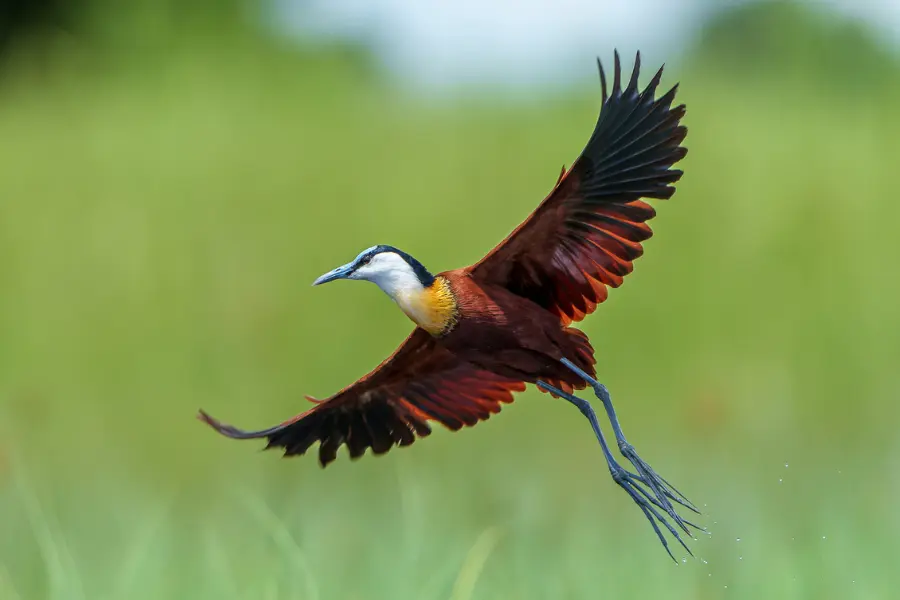
    Your final morning begins with another coffee around the fire before taking to the tranquil waters of the Okavango by mokoro. Floating effortlessly through the papyrus lined channels, your guide will point out various bird species that thrive in this aquatic habitat, one of which is the African jacana. These avians are characterised by their long legs and toes, allowing them to distribute their weight to walk across lily pads. Your guide may point out the differences in these plants, showing you the closing flowers of night lilies and the opening flowers of day lilies, and explaining how they spread throughout the entirety of the Delta.

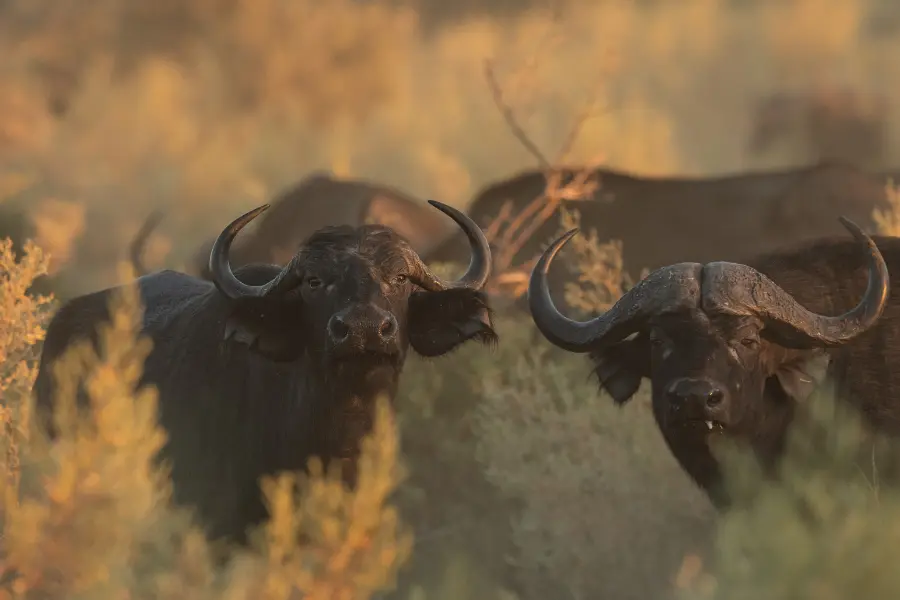
    Old solitary buffalo bulls who have been chased from the herd can often be found wallowing in the shallows or on muddy banks to protect their skin from the sun as the hair on their hides thin, and to rid themselves of parasites. These ageing males are known as 'dagga boys', with the word 'dagga' derived from a Zulu word meaning mud, the name perfectly suits their behaviour at this stage of their life.

    Once you arrive back at camp, there's time to return to your tent and prepare your bags before boarding a helicopter flight back to Maun. As you take off, wave farewell to your guide, camp staff and the Okavango Delta whilst you keep your eyes peeled for wildlife below.

    Once landed, you're escorted to the check in desk for your further travel arrangements.

  9. Day 10: Arrive UK

Please note:
Whilst we’re sure this trip idea will introduce you to the many wonders that Botswana has to offer, this itinerary is fully customisable and can easily be tailored to include a scenic helicopter flight, more time in a particular location, alternative camps or additional destinations. Contact us to discuss the options available.

Perhaps you wish to spend more time hopping between camps in the Delta, maybe travel north towards the Chobe and Savuti Linyanti and their enormous elephant populations, south towards the Kalahari to search for desert-adapted species or head east to visit the salt pans at Makgadikgadi. For a more relaxing beginning or conclusion to your holiday, Cape Town and Victoria Falls are easy-going additions with plenty to see.

Key info

Our trip ideas are offered to inspire you and can be tailored to suit your requirements.
  • Duration and price including flights from/to UK: 10 days from £8,995 pp
  • Duration and price excluding international flights: 8 days from £7,795 pp
  • Single supplement: On request – please contact us.
  • Trip type:
    Tailor-made Holiday
  • When to go: Apr-Jan
  • Included in the price/package:
    • 3 helicopter flights between the camps & Maun
    • 4 nights with Kweene Trails
    • 3 nights at Karangoma
    • All meals & local drinks in camp
    • Park fees
    • Conservation fund contribution
  • Activities available:
    • Boat trip
    • Kayaking
    • Nature drive
    • Photography
    • Swimming
    • Walking
Featured location:

Okavango Delta

Okavango Delta

This 1.6 million hectare wildlife paradise is a vast tapestry of crystal clear water channels, lagoons and small islands, and is known for its concentrations of large wildlife and birds. Outings by boat or on land, at day or night, yields fantastic sightings within the private concessions of exclusive accommodation. Find Out More about {acc:title}

  • Where: Northern Botswana
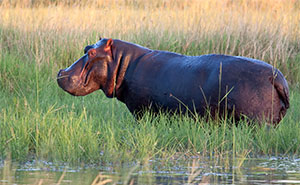
  • Ideal for viewing: hippo, Nile crocodile, red lechwe, sitatunga, tsessebe
  • Excellent for: Walking safaris, Vehicle safaris, River safaris, Birdwatching
Suggested accommodation options are shown below. Please contact us for further recommendations.

Karangoma

Karangoma

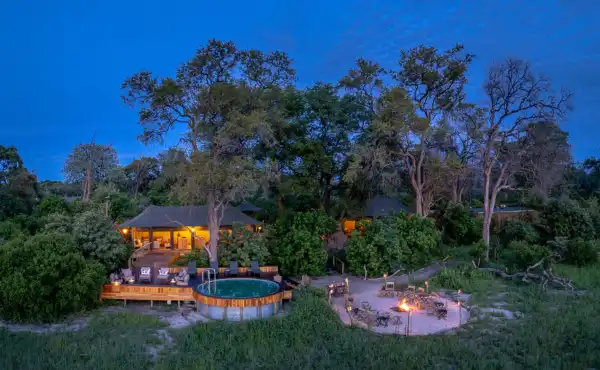
Located in the north-eastern Okavango Delta, Karangoma is an exceptional tented camp with a long water season in a vast, truly wild section of the Delta. The area features varied biomes across the northern woodlands, abundant floodplains and access to the Selinda Spillway, which all support a plethora of wildlife. Find Out More about Karangoma

Kweene Trails

Kweene Trails

Offering one of the most exciting experiences in the Okavango Delta, Kweene Trails comprises two adventurous camps in remote, untouched wilderness. Walking safaris are encouraged, with a transfer between the two camps on foot a particular highlight, along with game drives and mokoro excursions. Find Out More about Kweene Trails