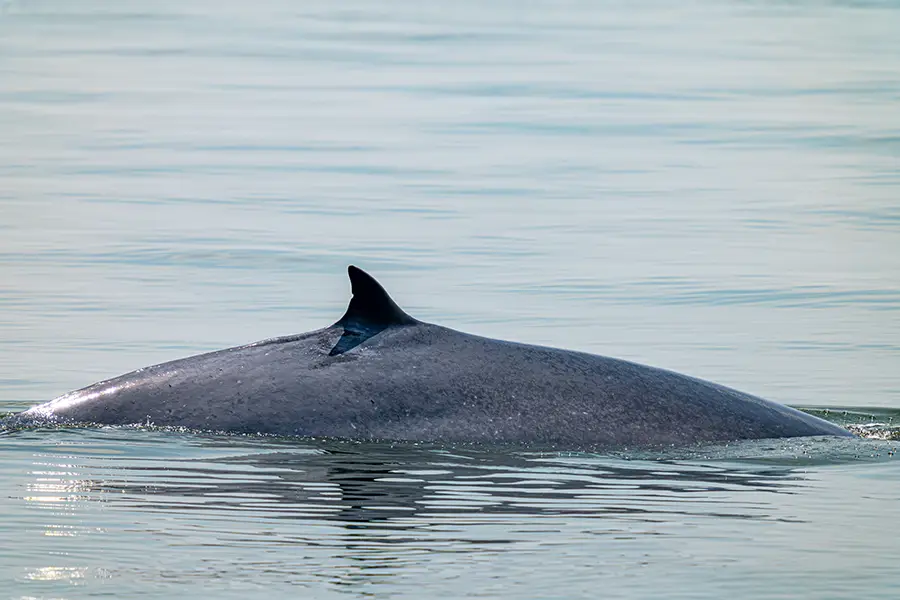
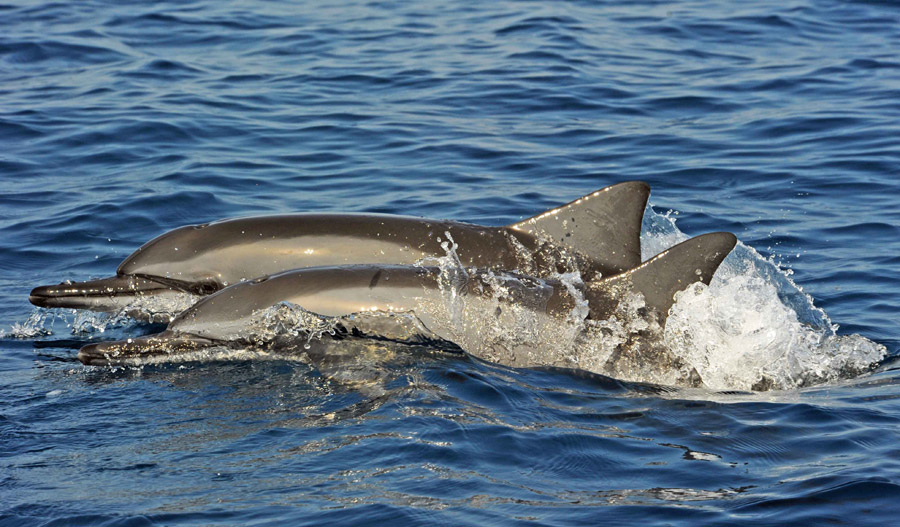
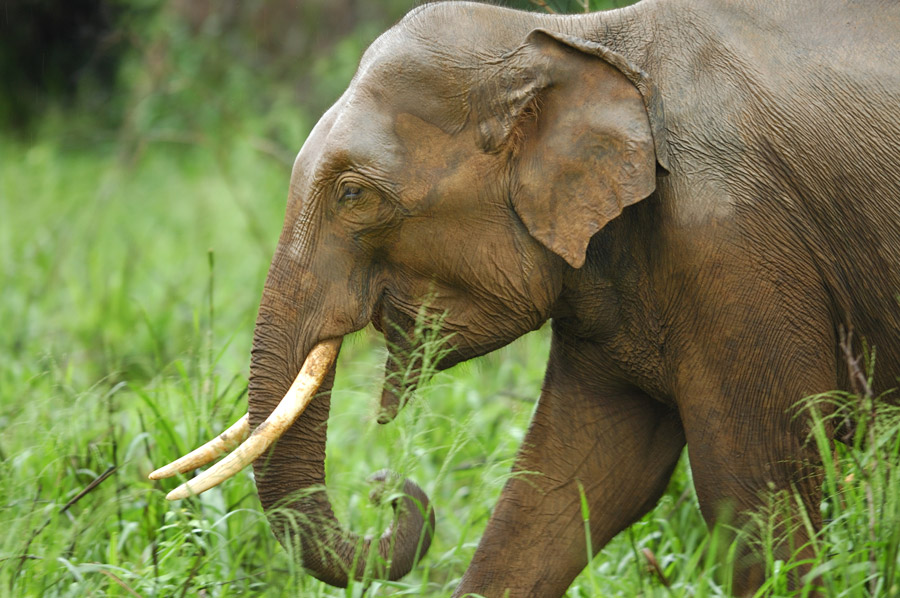
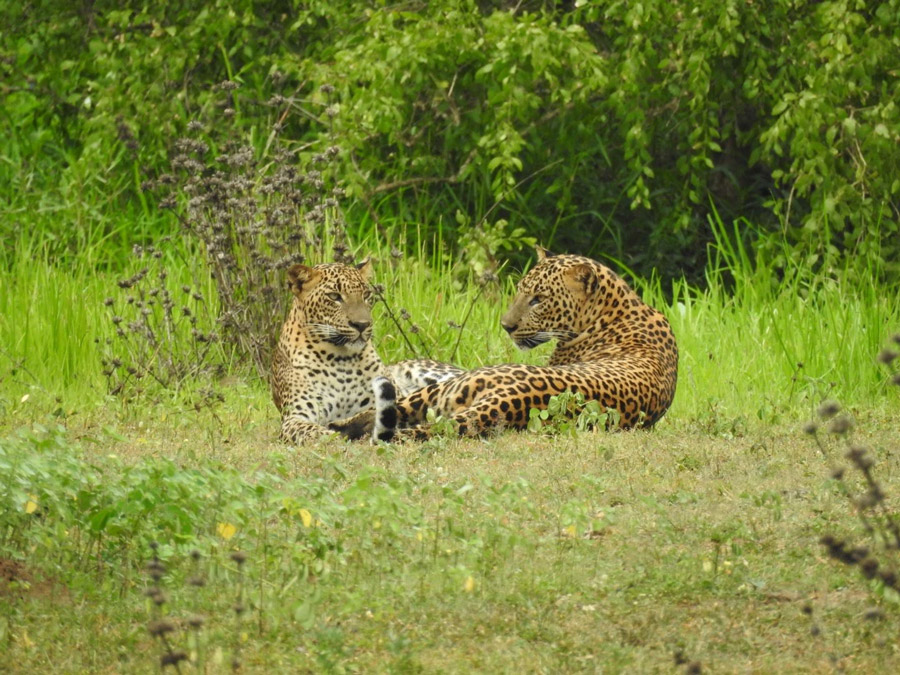
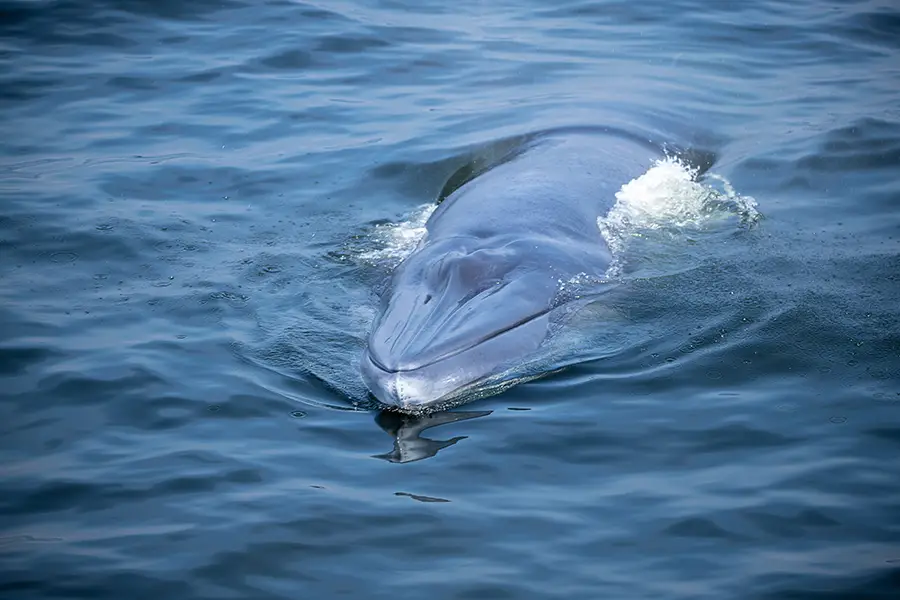
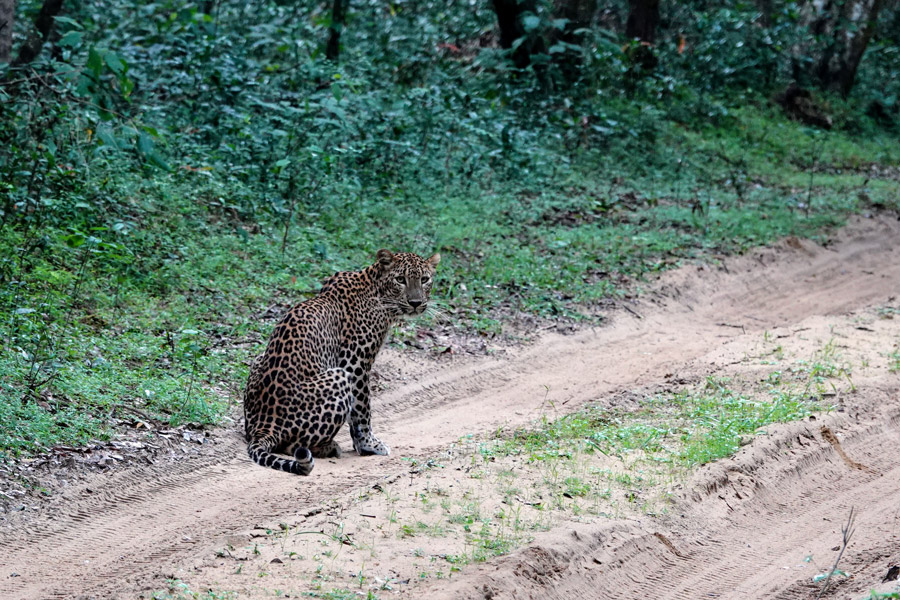
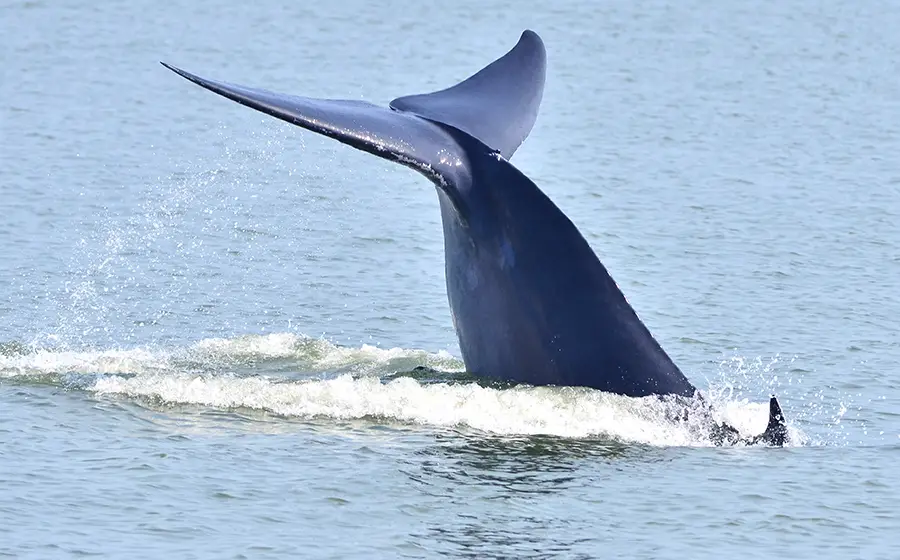
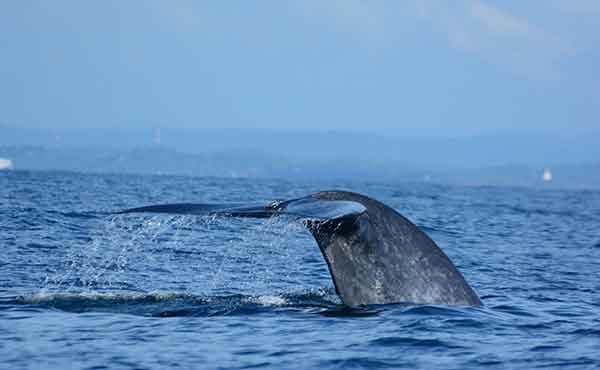
The balmy waters around Sri Lanka are home to a wealth of cetacean life, including Bryde’s whales and spinner dolphins. On land, the national parks have elephants and leopard, and this itinerary will endeavour to show you them all!
This small group tour visits a variety of location across the beautiful island of Sri Lanka, providing a great overview of both Sri Lanka’s marine and terrestrial wildlife highlights. We first take you in search of spinner dolphins, seen in huge numbers off Kalpitiya in the north-west of the country, before continuing to the forests of Wilpattu National Park. Here we take thrilling jeep safaris in search of Sri Lanka’s apex predator, the beautiful leopard, in addition to a host of other wildlife.
Next, we travel to the south to enjoy the large gatherings of elephants and birdlife of Udawalawe National Park. From here we move on to Lunugumvehera National Park, a beautiful area of monsoon forest with abundant wildlife and fewer visitors than nearby Yala National Park. Our final location on the south coast at Mirissa is among the best places in the world to see Bryde’s whales in the deep waters found offshore.
Typical Itinerary
-
Day 1:
Depart UK
-
Day 2:
Arrive Colombo & transfer to Kalpitiya
Upon arrival in Sri Lanka, we're met by our group leader and transferred to our hotel in Kalpitiya, three to four hours drive from the airport.
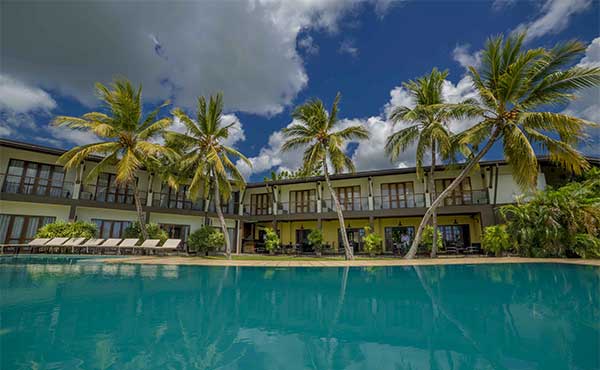
Accommodation: Blue Whale Resort, 2-nights
-
Day 3:
Early morning boat trips to watch spinner dolphins
This morning we head out early on a small local boat for our dolphin-watching excursion, staying out at sea for some three hours. Between November and April, Kalpitiya is home to hundreds of spinner dolphins, and with any luck they can be seen just a few minutes offshore. Sticking together in pods, they often swim alongside the boat or ride the bow wave as they frolic in the ocean - a thrilling sight! On this outing, there’s a chance of encountering sperm whales, as the deep offshore waters are ideal for these gentle giants.
Returning to land, you have the afternoon free to explore this fascinating area further. In Kalpitiya the fort and church of St Peter’s are interesting relics of Sri Lanka’s Dutch colonial past. Alternatively, you may prefer to take an optional leisurely boat ride on the lagoon, or a canoe trip down the river – both pleasant ways to explore the waterways of the coastline.
-
Day 4:
Morning dolphin watching boat trip & transfer to Wilpattu
This morning, we head out on another boat excursion, for a second chance to see dolphins, hopefully in a large super pod. We may also see a variety of tern species along the coast. After our boat trip, we transfer approximately two hours inland to Wilpattu National Park. The rest of the afternoon is free to relax.
This evening, there's the option to join a night drive through the rural areas that border the park and nearby village. With luck there's the possibility of finding a stalking jungle cat in the rice paddies, a grey slender loris in the forest or a foraging small Indian civet. Please note that this optional activity would be after dinner and may have a late finish.
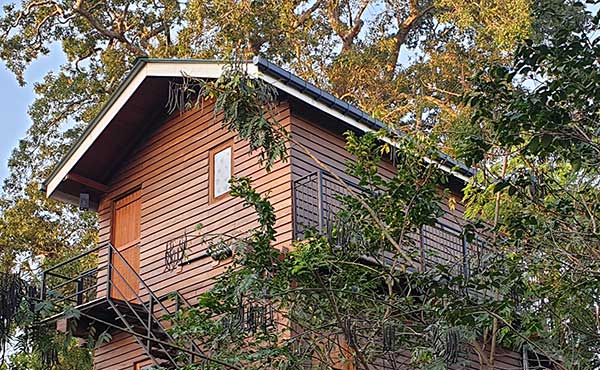
Accommodation: Wilpattu Tree House, 3-nights
-
Days 5-6
:
Full day safaris in Wilpattu National Park
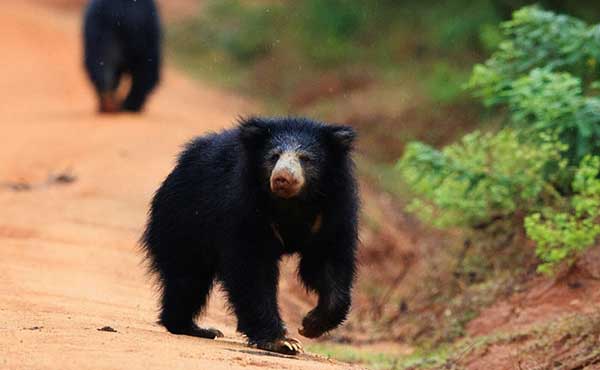
Over the next two days, we enjoy full day safaris with a packed breakfast and lunch in Wilpattu National Park, giving us the flexibility to explore more of the park. Being one of the island's oldest and largest protected areas, our safaris in Wilpattu take us through a variety of habitats where we search for leopard, sloth bear, golden jackal, ruddy mongoose, Indian muntjac, wild boar and spotted and sambar deer.
During our morning and evening safaris we may also see elephant, chital, black-naped hare, marsh mugger crocodile and two species of turtle. Birding highlights include the blue-faced malkoha, rufous-winged bush lark, thick-billed flower-pecker, purple sunbird, small minivet, white-rumped shama and brown fish owl.
-
Day 7:
Transfer to Udawalawe
Today we have a long drive – some eight hours in all – to Udawalawe, with a stop en route to visit Rathnapura, the centre of Sri Lanka’s gem mining district.
Accommodation: Grand Udawalawe Safari Resort, 1-night
-
Day 8:
Jeep Safari in Udawalawe National Park & transfer to Tissamaharama
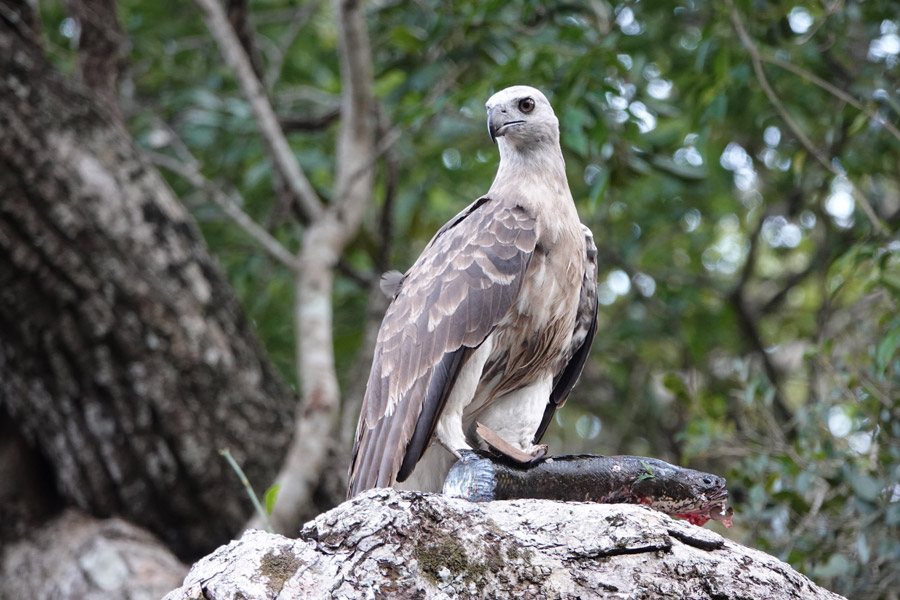
This morning, we visit Udawalawe National Park for a wildlife jeep safari. The park is home to many elephants – it’s not uncommon to see herds of 50 to 60 at one time. It also has sizeable populations of sambar, chital and wild boar, and abundant birdlife including grey-headed fish, and crested serpent eagles, and black-shouldered kite. Following our jeep safari, we continue to Tissamaharama.
Accommodation: Kithala Resort, 2 nights
-
Day 9:
Explore Lunugamvehera National Park on a full day jeep safari
Today we explore Lunugamvehera National Park, which is one of the less visited and more rewarding sections of the large and famous Yala ecosystem, on a full day jeep safari. Sri Lanka’s oldest wildlife reserve is famed for having one of the highest densities of leopard in the world, and some of the world’s largest and most visible leopards too. Although it means a long day out, the full day safari maximises the chance of seeing leopard and the even more elusive sloth bear and avoids back-tracking. We take a picnic breakfast and lunch, and relax by the river in the hottest part of the day, before continuing in the afternoon, eventually returning to the hotel in the early evening.
-
Day 10:
Morning safari to Lunugamvehera National Park & transfer to Mirissa
This morning, we have another early start to enjoy a morning jeep safari in Lunugamvehera National Park – a final chance to spot leopard and the wide range of other mammals, birds and reptiles found here. In the afternoon, we continue for around three hours to Koggala, stopping en route to visit Weherahena Temple with its 25-metre-high colourful Buddha statue. The temple also boasts artificial caves decorated with 200 scenes illustrated in comic book-style that relate episodes from the life of Buddha.
Accommodation: Koggala Beach Hotel, 3-nights
-
Days 11-12
:
Morning whale watching boat trips
Over the next two days, we enjoy morning boat excursions (weather dependent) in search of whales and other cetacean species. Each trip lasts between three and four hours, giving us the best chance of seeing cetaceans. This area was previously a reliable spot for seeing blue whales, but in recent years, they have become rare. The Bryde’s whale is a resident of this area though, and both fin and sperm whales are possible to encounter because the nutrient-rich waters create exceptionally good feeding grounds.
One afternoon, we visit a tea plantation and are shown around the tea estate to see the entire production process – from bush to cup. On another afternoon, we visit the historic Galle Fort and a turtle sanctuary.
-
Day 13:
Morning boat trip on the Nilwala River & transfer to Colombo
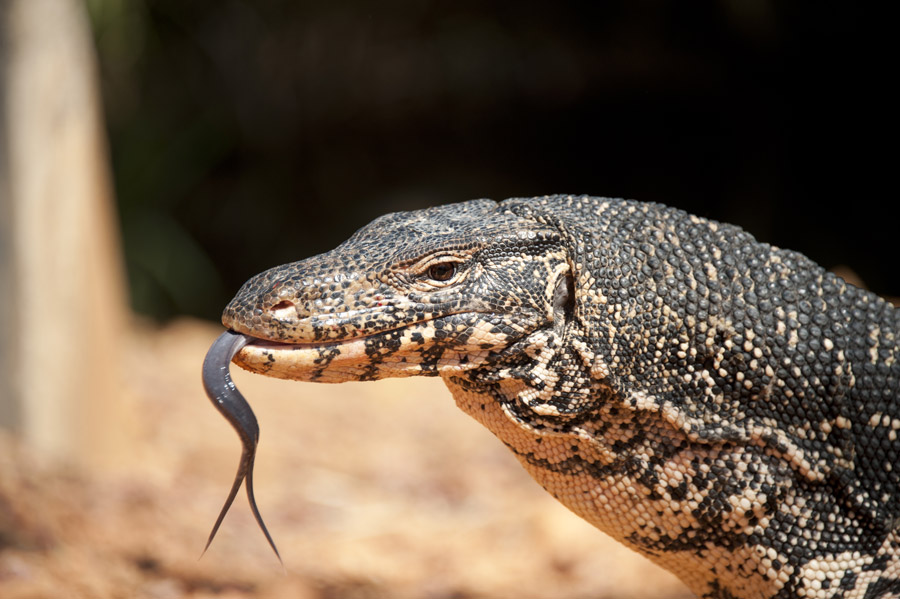
Today it’s time to head back to Colombo, but first we make a stop at the Nilwala River. The Nilwala River is a 72-kilometre-long river originating in the Sinharaja Forest Reserve and is an important watercourse for both local people and wildlife. Large saltwater crocodiles and water monitor lizards are a feature of the estuarine waters where the river reaches the sea in Matara. Birdlife is also a feature, with both the spectacular, white-bellied sea eagle and grey-headed fish eagle, in addition to stork-billed kingfisher and purple heron. We take a short boat ride on the river, which offers us the best chance to see the fascinating wildlife of this river including the crocodiles, monitor lizards, eagles, kingfishers and also Indian flying foxes in their day roost.
It's then a drive of around four hours in total - though traffic congestion around Colombo may make this longer to our final accommodation in Katunayake.
Accommodation: Tamarind Tree Hotel, 1-night
-
Day 14:
Fly back to the UK
We're transferred to Colombo airport in time for a daytime flight back to the UK.