Travel, experience, conserve with
Phone:
Jump to main menu

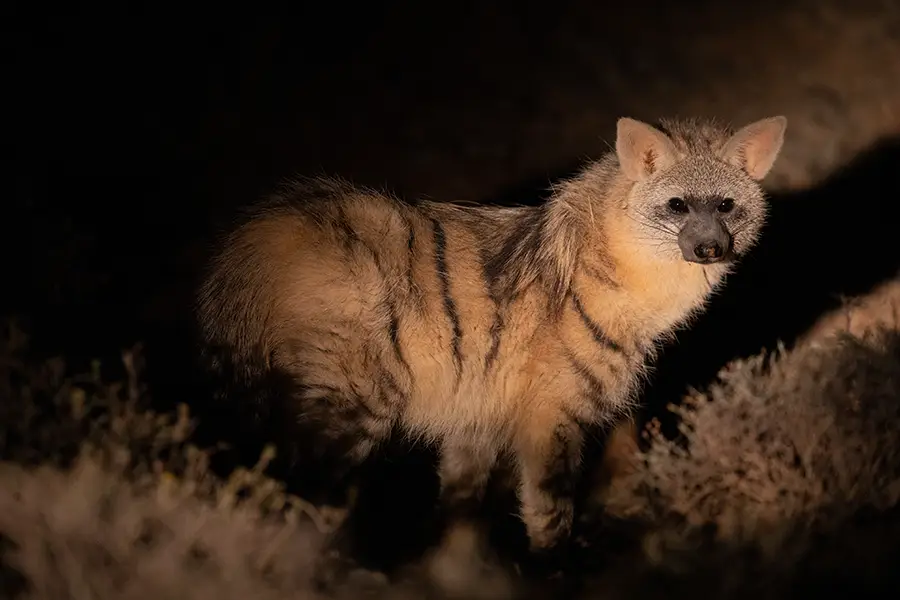
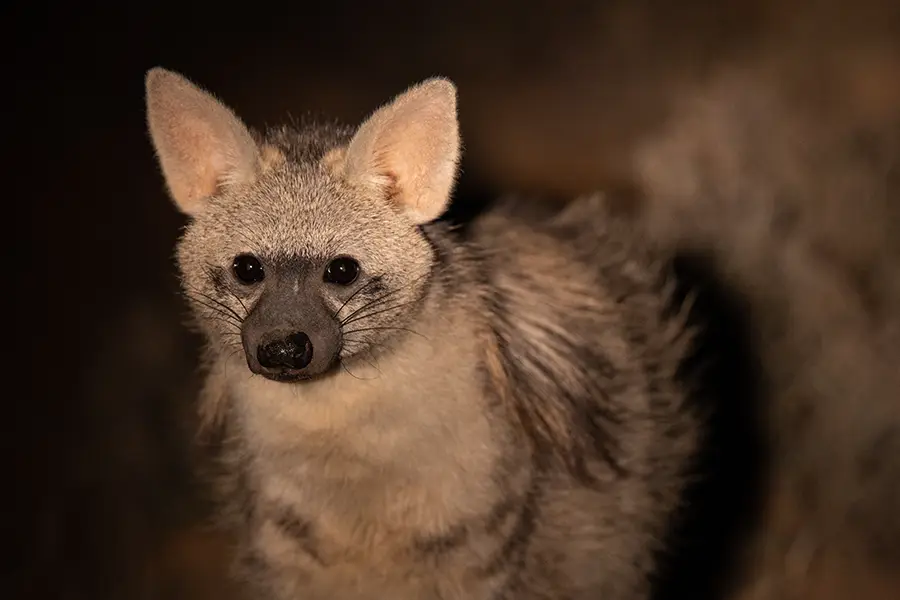
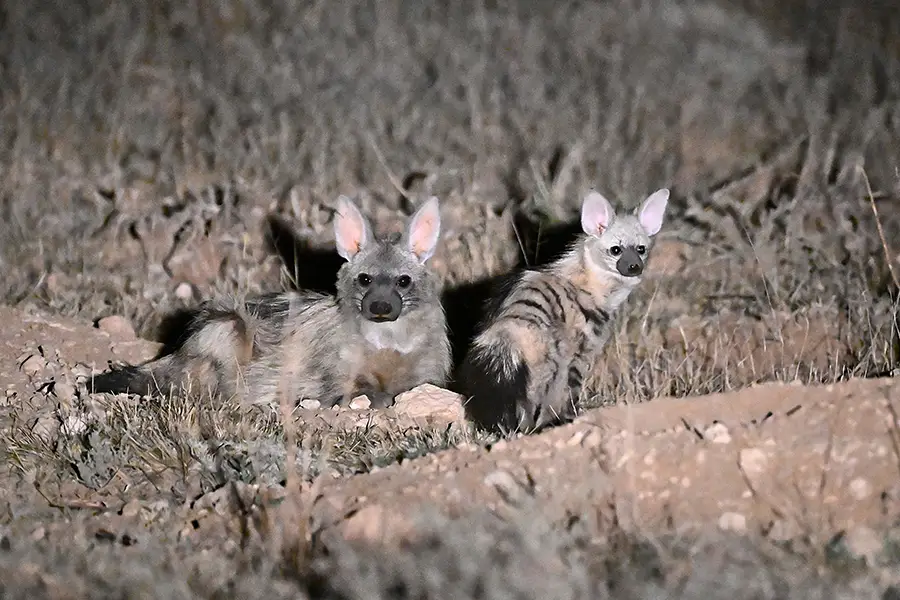
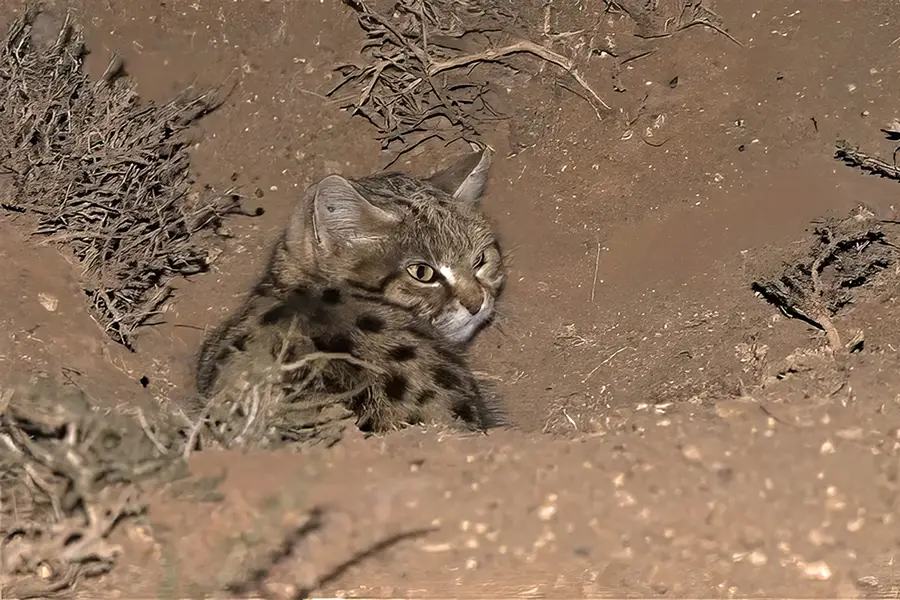
South Africa is blessed with an incredible variety of habitats and species. This pioneering tour seeks to deliver sightings of a tantalising variety of mammals, large and small alike, alongside a fabulous array of birds, including a variety of endemics. Aardvark, aardwolf, black-footed cat and a variety of bustards and blue cranes are amongst the many targets.

Famed for providing reliable sightings of megafauna such as elephants, giraffe, rhino and big cats, South Africa also harbours an incredible diversity of smaller mammals and birds. 

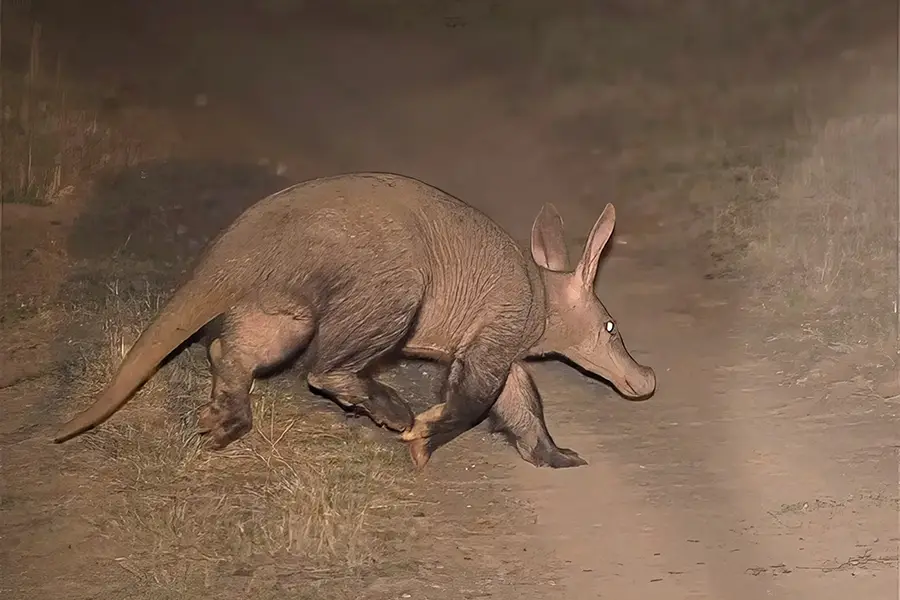
With a programme of extended night drives we hope to encounter an exciting variety of nocturnal mammals, those species which guides generally dread guests asking after, such as aardvark, aardwolf and brown hyena, whilst also delivering on the more common seen species, such as the Big Five.

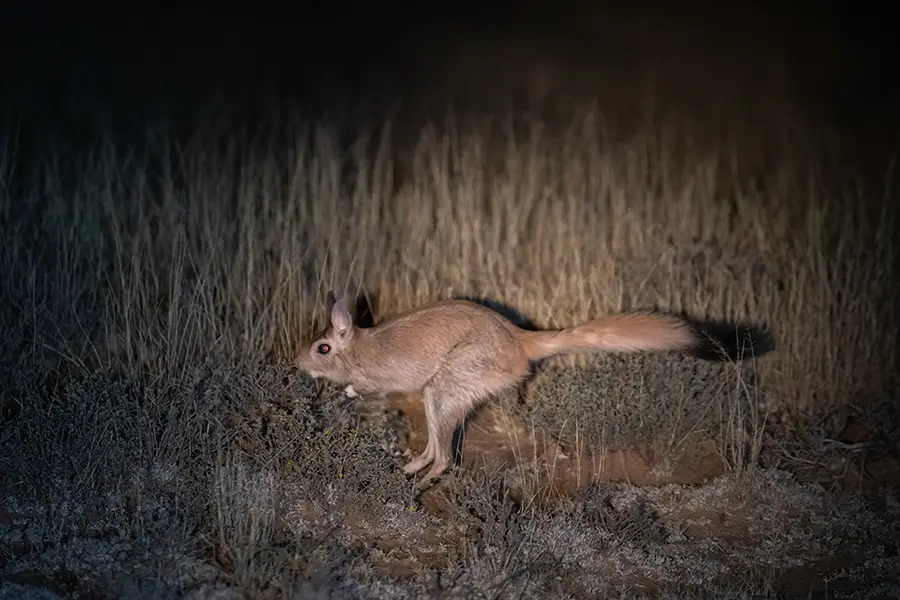
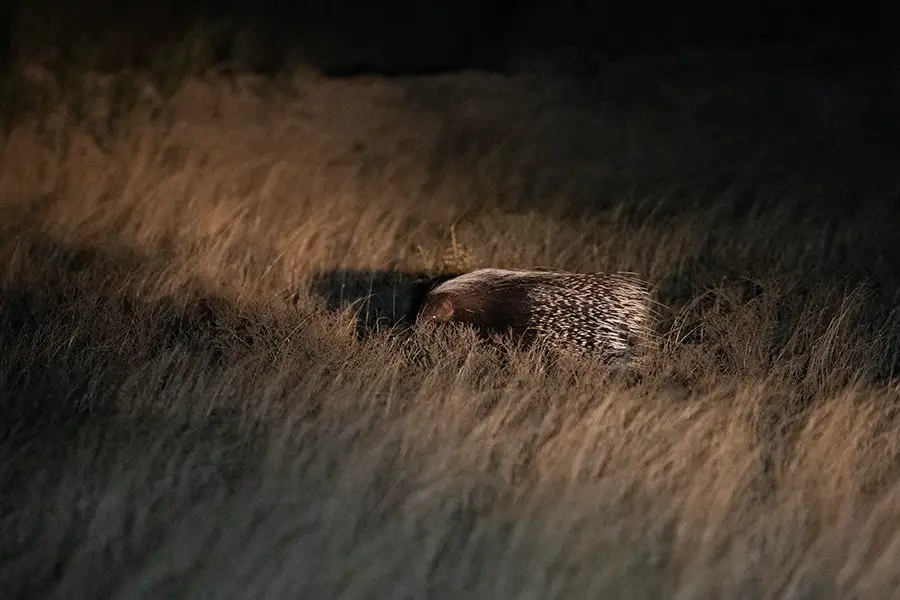
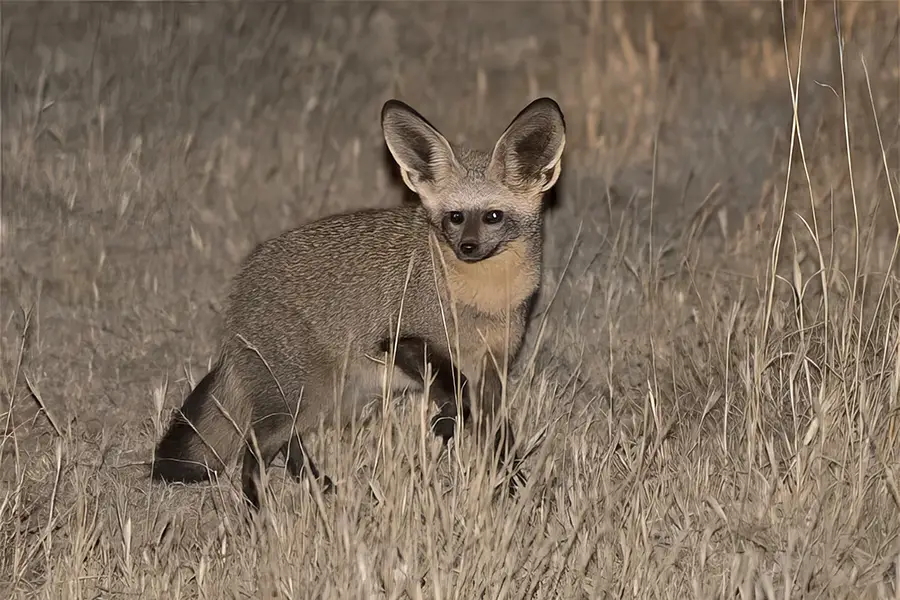
We utilise a range of accommodations and wildlife areas, from traditional safari lodges to comfortable guest houses, based on working farms that are increasingly being managed for ecotourism. In the absence of predators it's these areas that often yield the best results when searching for smaller mammal species such as Cape porcupine, spring hare, striped polecat, Cape and bat-eared fox and even black-footed cat.

Typical Itinerary

  1. Day 1: Depart UK

  2. Day 2: Arrive Bloemfontein & transfer to Khoisan Karoo Conservancy

    Arriving in Bloemfontein, we collect our bags and begin our journey to the Khoisan Karoo Conservancy

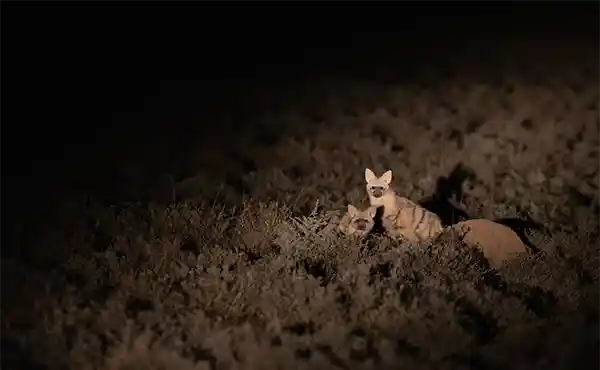
    After a long flight, we have the chance to settle in to our new surroundings before gathering for dinner and heading out on our first night drive. Over the course of the drive, with the aid of a spotlight, we hope to encounter a range of nocturnal mammals. Spring, cape and scrub hare will almost certainly be a regular feature of our night drives, alongside bat-eared fox and Cape porcupine, but we also have an excellent chance of aardvark, aardwolf and cape fox. Both black-footed cat and striped polecat (zorilla) are also possible.

    Accommodation: New Holme Nature Lodge, 3-nights

  3. Days 3-4 : Explore Khoisan Karoo Conservancy

    Over the course of the next two days, we explore the reserve, enjoying a variety of mammals and birds, and learn about the history of the land.

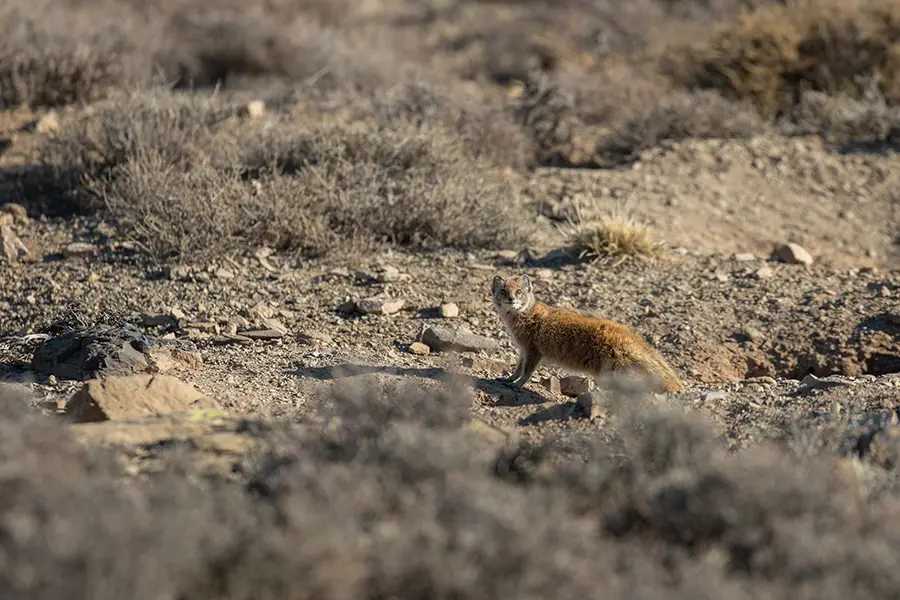
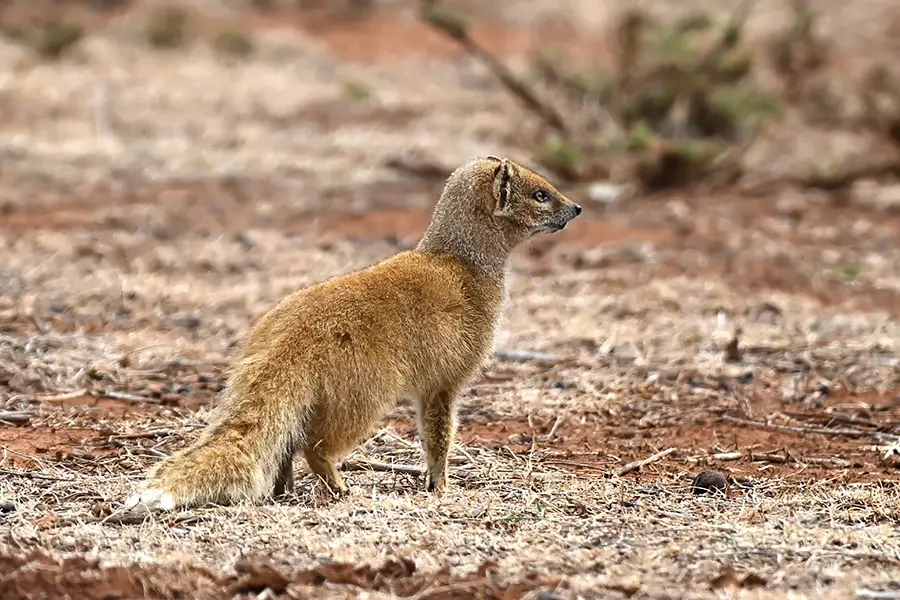
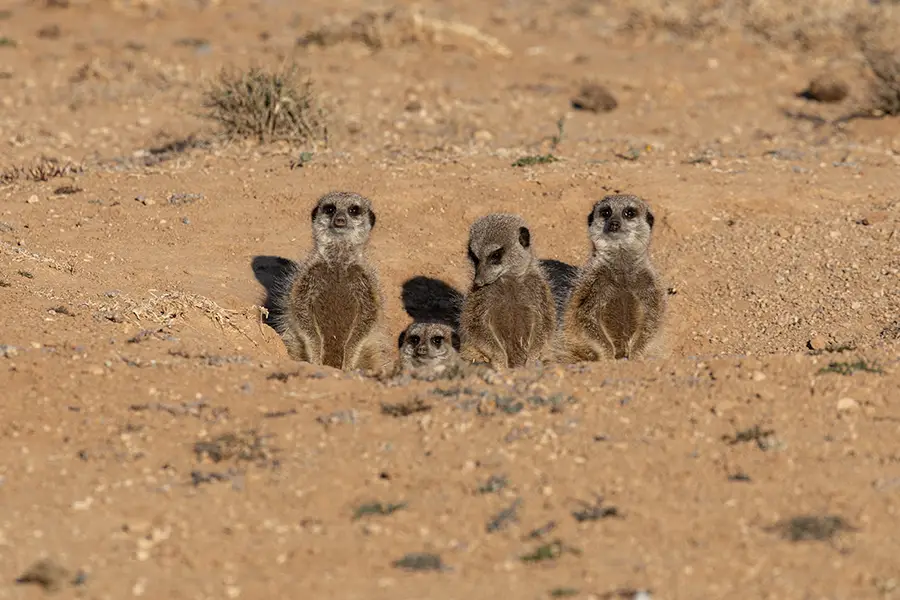
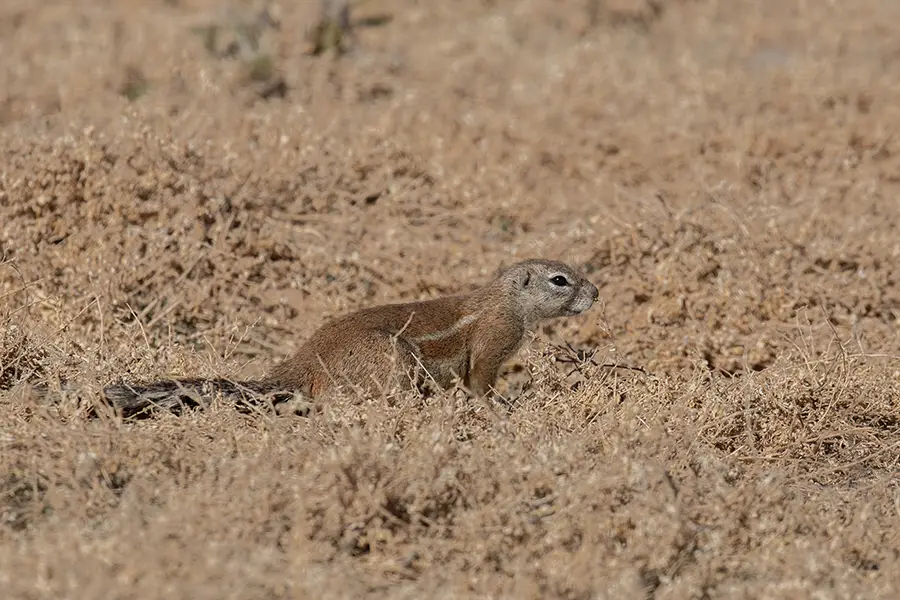
    Whilst we will hopefully have encountered some of the reserve's nocturnal residents the previous evening, the breaking of dawn brings with it a completely new faunal cast. On the mammal front, ground squirrel and yellow mongoose are commonplace, but there are also several families of meerkats that we hope to encounter.

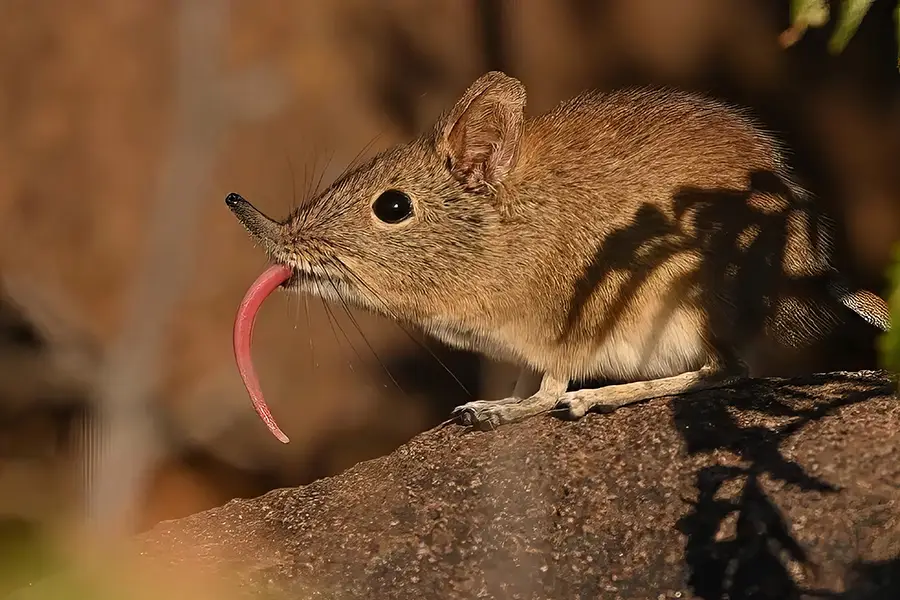
    The rocky outcrops hold populations of rock hyrax, and in the first and last light of the day, it’s also possible to see the diminutive eastern rock sengi (elephant shrew).

    The semi-arid habitat of the Karroo, may, on first impressions, look a little quiet on the bird front, but the reality is that it harbours a huge variety of species. A wide of range of larks, pipits, prinia’s and warblers are possible, and the area is particularly productive for bustards, with Ludwig’s bustard, Karoo, blue and the striking Northern black korhaan amongst the likely species.

    Another speciality of the area is the National Bird of South Africa, the blue crane. These elegant birds stand nearly 1.2 metres tall and have a wing span of almost two metres. Considered as Vulnerable by the IUCN that are fortunately a common site in this area and can often be seen on the plains or heard flying overhead.

    On stands of water around the dam or on the river, a range of waders can be seen including little stint, African snipe, three-banded plover, greenshank and black-winged stilt, with wildfowl including ruddy shelduck, red-billed teal, Egyptian and spur winged goose also in attendance.

    For those that are interested, it will also be possible to take a guided walk from the lodge to an ancient rock art site, while learning about the area’s fascinating history, including the legacy of the Anglo-Boer War.

    Once again, after dinner, we head out on a night drive, hoping to enjoy encounters with some of South Africa’s most elusive mammals.

  4. Day 5: Transfer to Marrick Private Game Reserve

    This morning, after a leisurely breakfast, we travel north for approximately four hours, stopping en route to view the huge number of lesser flamingos that breed at Kamfers Dam. Our destination is Marrick Game Reserve, where we spend three nights.

    Depending on the time of our arrival, we may head out on a short walk, before enjoying a delicious dinner and heading out on another night drive.

    Marrick is likely to hold a similar range of species to our previous location, and if we’ve seen our target species well, one may question why need both in the itinerary. However, the reality is that we’re trying to see some of the continent’s most elusive species, and rarely is it that easy! Marrick also has the added advantage that there's a higher chance of seeing caracal and African wild cat.

    Accommodation: Marrick Guesthouse, 3-nights

  5. Day 6: Visit Mokala National Park

    Today we spend a full day visiting Mokala National Park. Located approximately 80 kilometre south-south-west of Kimberley, this 26,485-hectare reserve boasts a variety of koppieveld (hills) and large open plains.

    Mokala is a Setswana name for a Camelthorn tree (Kameeldoring) (Acacia erioloba), and this park is dominated by magnificent specimens of these picturesque gnarled and twisted trees. They vary from small spiny shrubs barely two metres high, to 16-metre-high trees with wide, spreading crowns.

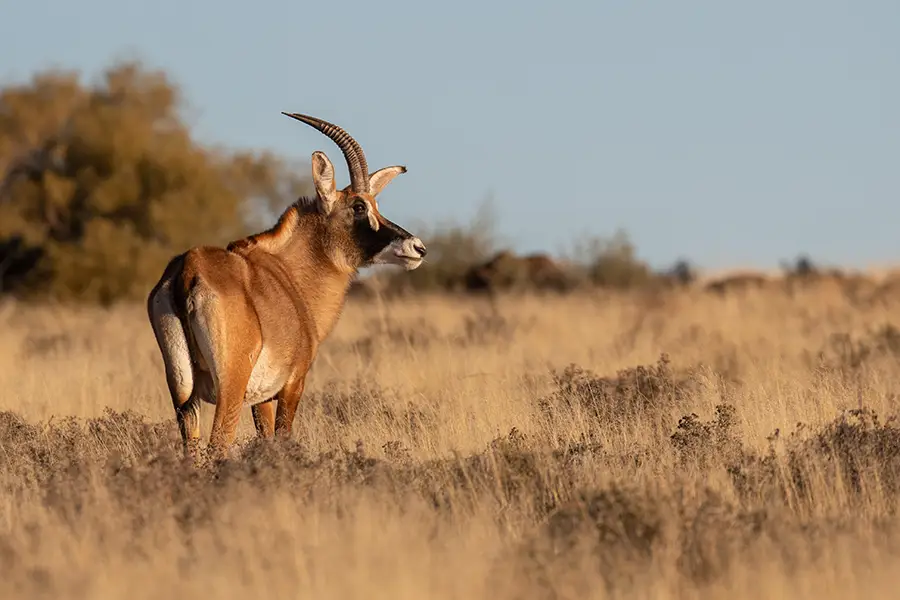
    South Africa’s newest park, Mokala is an important area for the regeneration of a variety of mammal species, including both black and white rhino, tsessebe, roan, sable, mountain reedbuck, South African giraffe and gemsbok.

    Positioned in the transition zone between the Karoo and Kalahari biome, Mokala’s thornveld savanna, dolerite outcrops and riverine vegetation attract a prolific number of bird species, with black-chested prinia, melodious lark, cinnamon-breasted bunting, short-toed rock thrush and pygmy falcon amongst some of the more commonly seen species.

    We return to Marrick in time for dinner, before venturing out on another night drive.

  6. Day 7: Explore Marrick Private Reserve

    Today, we have the full day to explore the reserve. Depending on the success of our time at the Khoisan Karoo Conservancy, we may choose to try for the meerkats or the sengi that also reside here, or possibly focus our attention on the reserves' birdlife. With night drives from the previous evenings, you may wish to simply relax and enjoy the grounds of the lodge, where garden birds include African pied, wattled and Burchell’s starling, Karoo thrush, white-backed mousebird and cape white-eye.

    This evening we enjoy our final night drive in Marrick, hoping to encounter any species we may have missed over the previous five nights, or even to obtain better views of previously seen species. If you're satisfied with what you've already seen, you can enjoy a nightcap around the fire and an early night!

  7. Day 8: Transfer to Vryburg

    Today is something of a travel day, and as such we enjoy a leisurely breakfast before beginning the drive to Madikwe Game Reserve. This drive of approximately 600 kilometres is split over two days, with a night at a comfortable hotel/guest house around Vryburg. 

    This ensures that direct journey times are limited to approximately four hours each day, allowing plenty of scope to stop for any birds or mammals of interest, and some downtime on arrival.

    Accommodation: Game View Lodge, 1-night

  8. Days 9-11 : Explore Madikwe Game Reserve

    Concluding our journey to Madikwe Game Reserve, we arrive in time for lunch and afternoon drive.

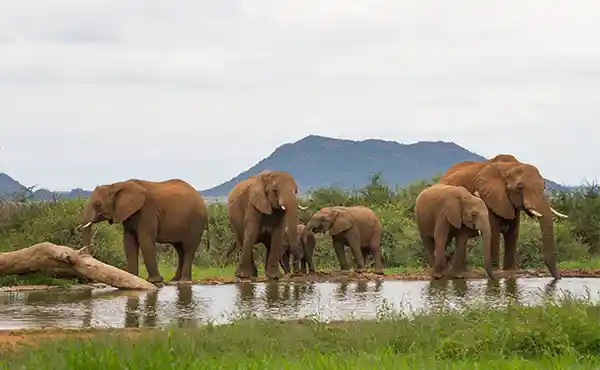
    We have two full days of morning and afternoon drives to explore the vast expanse of Madikwe Game Reserve. The diverse habitats in the reserve, from acacia and savannah to riverine, ensures a unique combination of mammal species. Elephant, black and white rhino, Cape buffalo, hippo and South African giraffe are amongst the possible large herbivores, alongside antelope species ranging from springbok to tsessebe, sable, greater kudu and eland.

    The reserve holds healthy populations of predators including lion, leopard, cheetah and wild dog, with spotted hyena, brown hyena and aardwolf also present. As darkness falls, African civet, rusty-spotted genet and white-tailed mongoose are amongst the species we may encounter.

    The birdlife is both varied and plentiful. Amongst the many raptors possible, we can hope to see tawny, bateleur, martial and African-hawk eagle, in addition to white-backed, lappet-faced and hooded vultures. Lilac-breasted rollers, secretary birds and kori bustards are possible on the plains, with regional specialities such as yellow-throated sandgrouse, swallow-tailed bee-eater and shaft-tailed whydah amongst the species of note.

    Accommodation: Tau Game Lodge, 3-nights

  9. Day 12: Transfer to Johannesburg, fly UK

    Today, after a final morning drive, we begin the drive back to Johannesburg, arriving in the mid-afternoon, prior to our early evening flight to the UK.

    Should you wish to extend your time in South Africa, subject to numbers, there's the option to join a 3-night extension to Hermanus, where we hope to enjoy some incredible whale watching, both from a vessel and onshore. It’s a very relaxed programme and can be enjoyed alongside some excellent food and wine. For more details, please contact your travel consultant.

  10. Day 13: Arrive UK

Key info

  • Duration and price including flights from/to UK: 13 days from £7,295 pp
  • Duration and price excluding international flights: 11 days from £6,295 pp
  • Single supplement: From £850
  • Trip type:
    Group Tour
  • Group Size: 5–7
  • Group Departures:
    Make a booking request or enquire:
    1. , Fully booked , Led by Rob Mileto
    2. , Fully booked , Led by Rob Mileto
    3. , Led by Rob Mileto Enquire Book
  • Included in the price/package:
    • Domestic flights
    • 10 nights’ accommodation
    • Meals as indicated
    • Excursions and transfers
    • Expert local naturalist & UK leader
    • Conservation fund contribution
  • Activities available:
    • Nature drive

Expert leaders

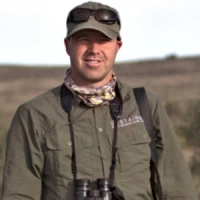
Rob Mileto

Photo of Rob Mileto

Rob Mileto has travelled extensively in Eastern and Southern Africa since his mid-20s, and has led wildlife tours to many destinations, there and elsewhere, for the past 35 years.

As a boy, Rob would spend many a Saturday afternoon in Redditch library, marvelling over the weird and wonderful creatures in Grzimek's Animal Life Encyclopaedia. This may be why he turned down the chance of studying to become a vet, to study ecology instead.

Having gone on to work for the Shropshire Wildlife Trust, RSPB and the warden of Aride Island in Seychelles, he now runs his own ecological consultancy.

View all tours led by Rob

Terry Goble

Photo of Terry Goble

Terry has held a lifelong fascination for wildlife and as an ecologist is fascinated in how plants and animals exist and fit together, their behaviour and their impact on each other.

His self-taught knowledge of British wildlife has led him into voluntary survey work for the RSPB, Bat Conservation Trust, Vincent Trust and British Butterfly Conservation, as well as funding raising for many wildlife charities. Alongside this, he organised day trips and weekends away for birdwatchers from local ornithological societies in the south east of the UK. Eventually his interest led him to return to university and study a host of courses including British Cetaceans, Biological Field Studies and finally a degree in Environment and Conservation.

View all tours led by Terry

Tour Reports

Find out more about the day-to-day sightings and wildlife activities on our group tours from our expert naturalist leaders.

Featured locations:

Madikwe Game Reserve

Madikwe Game Reserve

Madikwe Game Reserve, located along the border with Botswana, is made up of vast plains of open woodland and grasslands, ideal for the abundant wildlife. It experienced one of the world's largest translocations in the 1990's and now hosts over 300 bird and 66 mammal species, including a good wild dog population. Find Out More about {acc:title}

  • Where: Northwest South Africa
  • Ideal for viewing: African elephant, black rhino, brown hyena, cheetah, Cape buffalo
  • Excellent for: Wildlife for families, Self-drive, Birdwatching

Khoisan Karoo Conservancy

Khoisan Karoo Conservancy

Khoisan Karoo Conservancy includes the Karoo Gariep Nature Reserve and the Hanover Aardvark Nature Reserve, spanning over 8,000 hectares of the Nama Karoo biome. The reserves offers opportunities to see a variety of elusive nocturnal species, and a large number of endemic birds. Find Out More about {acc:title}

  • Where: Northern Cape
  • Ideal for viewing: aardvark, aardwolf, Cape fox, blue crane, Cape porcupine
  • Excellent for: Vehicle safaris, Rare mammal watching
Featured accommodation:

Thakadu River Camp

Thakadu River Camp

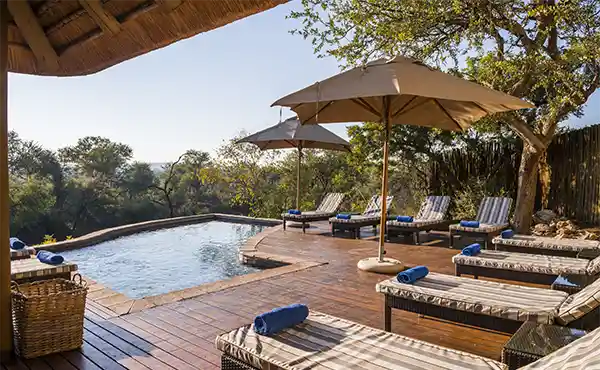
Thakadu River Camp offers 12 luxurious tented suites in a delightful riverine location within Madikwe Game Reserve. The lodge has a welcoming open-plan lounge, dining area and reception, alongside an attractive bar and pool. providing a small oasis in the African bushveld. Find Out More about Thakadu River Camp