Combine Cape Town’s stunning coastline, mountains and winelands with an unforgettable safari in the Sabi Sands Game Reserve, enjoying exceptional guiding, intimate wildlife encounters and first class hospitality.
Often described as the world in one country, South Africa offers remarkable diversity in both landscape and wildlife. This flexible itinerary focuses on two of its most compelling regions, combining Cape Town’s cosmopolitan coastline with unrivalled Big Five game viewing in the iconic Kruger National Park, South Africa’s premier game viewing destination.
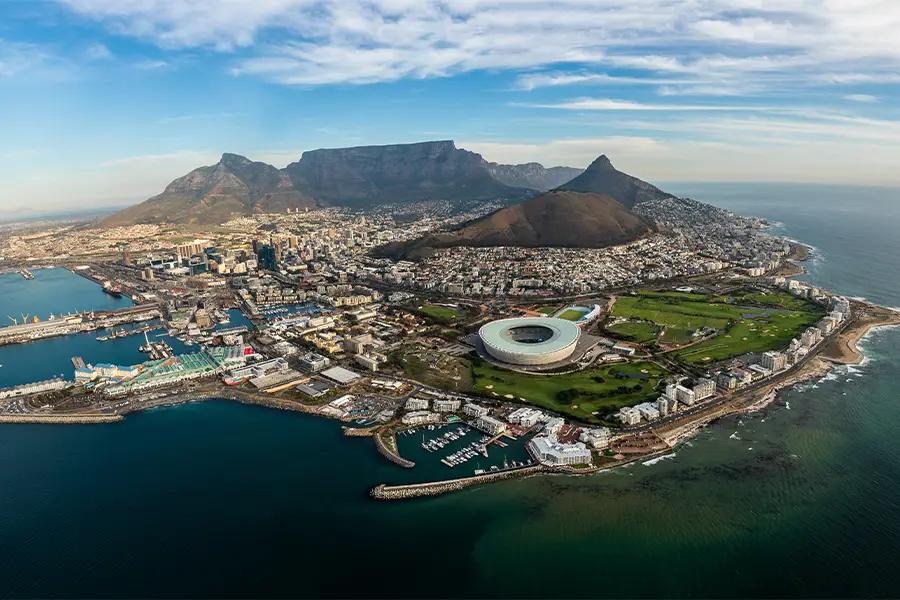
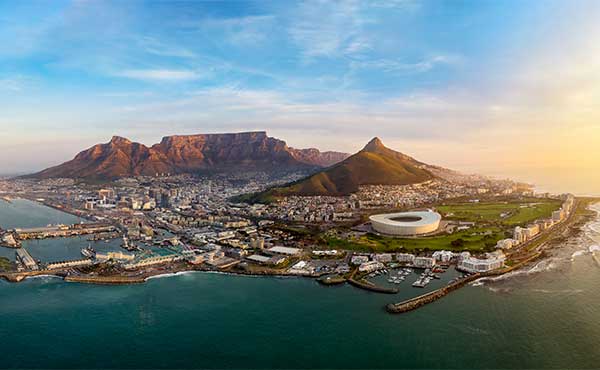
Beginning in Cape Town, the ‘Mother City’, where mountains meet the Atlantic Ocean, our suggested itinerary takes you to explore the Cape Peninsula, nearby winelands and the coastal town of Hermanus, well-known for its prolific whale watching. Whether ascending Table Mountain, driving along Chapman’s Peak or sampling wines in the surrounding valleys, the city provides a dynamic and varied introduction to the country.
After four nights, fly to the Greater Kruger region and continue by road into the Sabi Sands, a private game reserve renowned for its exceptional guiding and close wildlife encounters. Unfenced from Kruger National Park, wildlife is able to move freely between the two, but with strict vehicle limits and off-road driving permitted, sightings here are often intimate and unhurried.
Together, these two contrasting destinations offer a perfect introduction to South Africa, from the coastal beauty of Cape Town, backed by mountains and vineyards to the rugged and wild Greater Kruger in an area where leopards steal the show.
Suggested Itinerary
-
Day 1:
Depart UK
-
Day 2:
Arrive in Cape Town
Following your international flight, collect your bags and clear immigration before being greeted at arrivals by a driver, ready to transport you into the city of Cape Town, and your hotel for the next four nights.
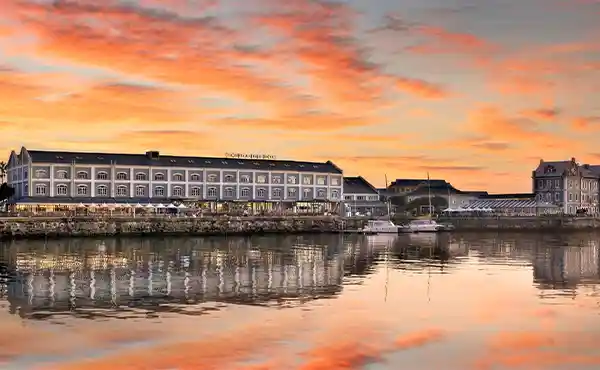
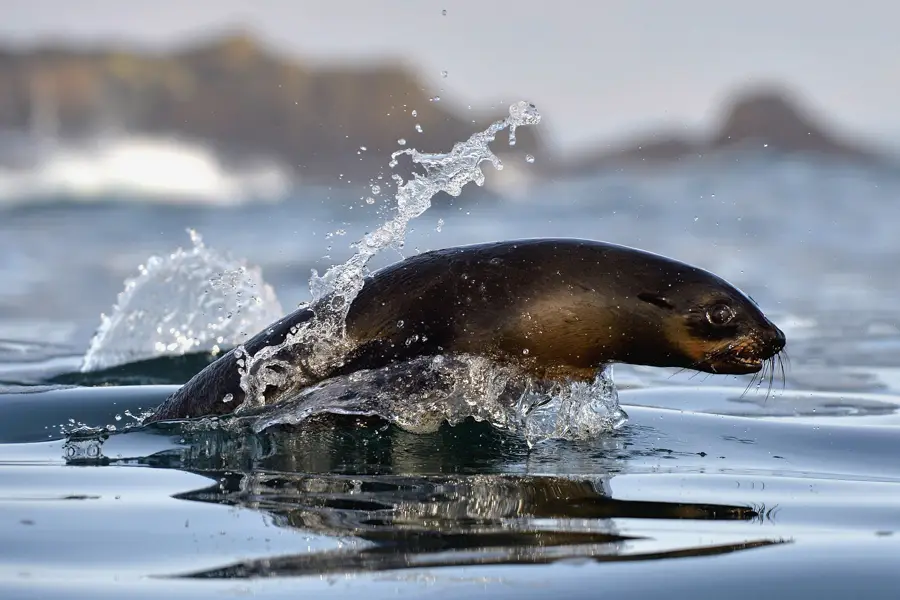
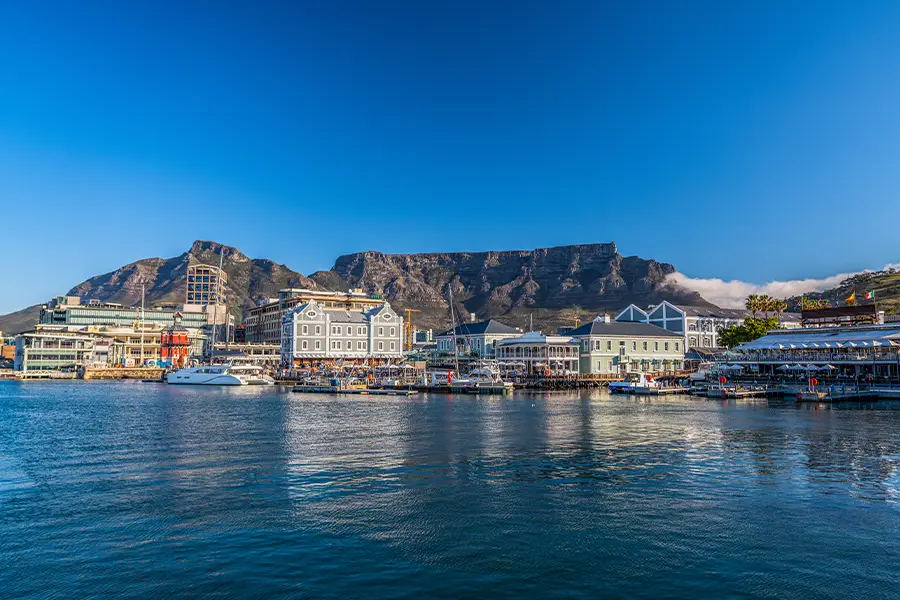
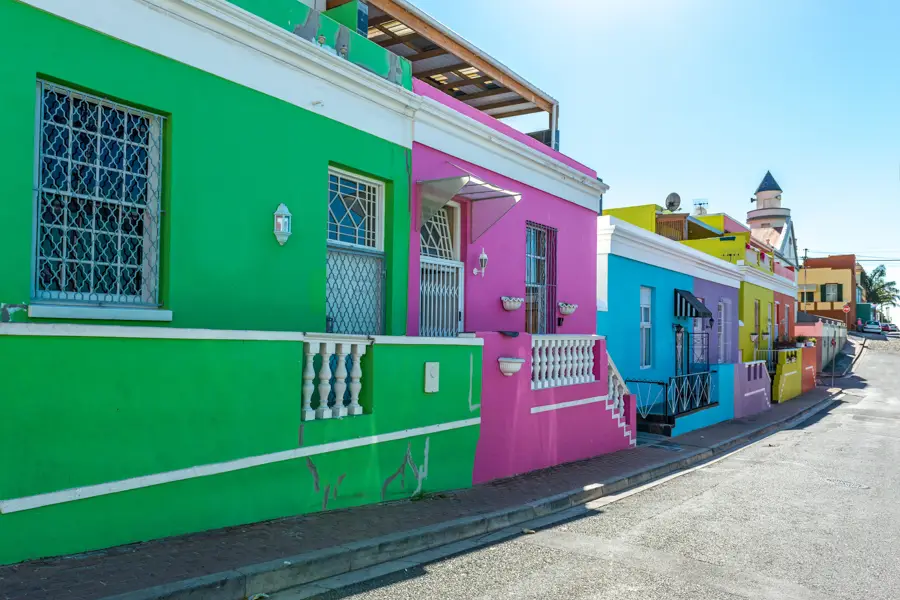
Once you've checked in, the day is yours to spend at leisure exploring the V&A Waterfront, occasionally spotting Cape fur seals, checking out the vibrant culture and buildings of Bo-Kaap, or strolling along Kloof Street searching for a good dinner spot or bar.
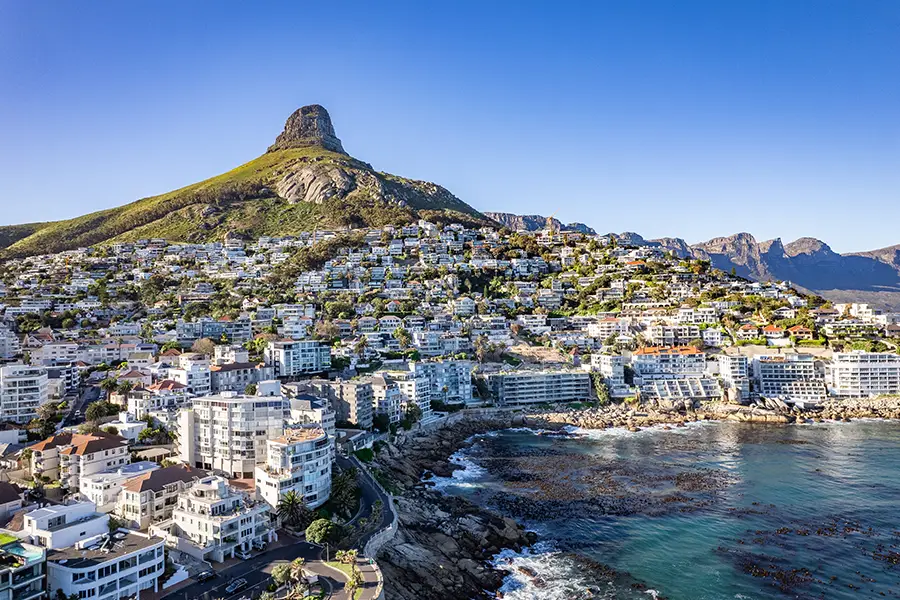
On a clear day, head up to Signal Hill and enjoy the sunset with fantastic views of the city, Table Mountain and Lions Head, before returning to town and indulging in the city's thriving gastronomic scene.
Accommodation: Victoria & Alfred Hotel, 4-nights
-
Days 3-5
:
Explore Cape Town
The next three days are spent exploring Cape Town and the surrounding Cape Peninsula. Activity options are entirely flexible to your preference, however for the purposes of this itinerary, we suggest and include the following for a comprehensive Cape Town experience:
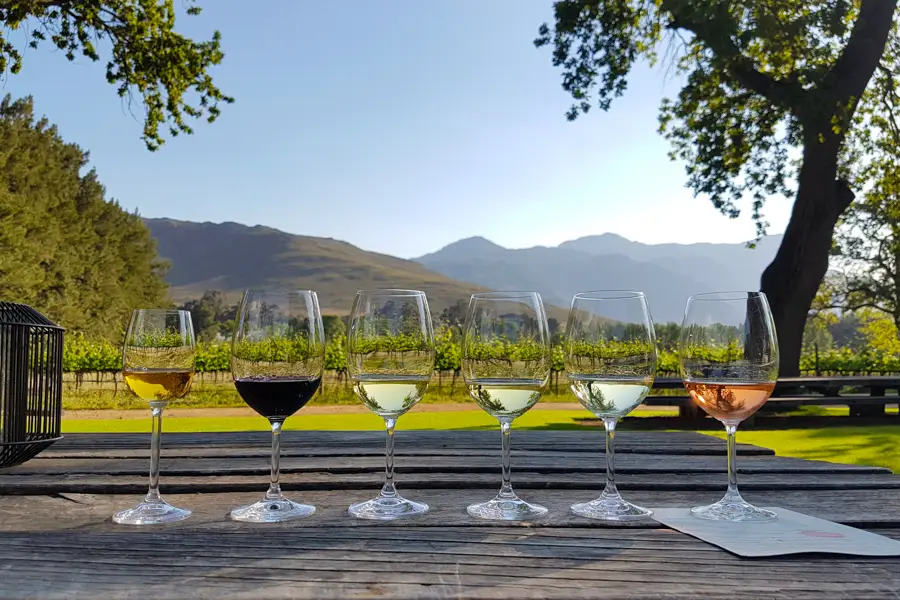
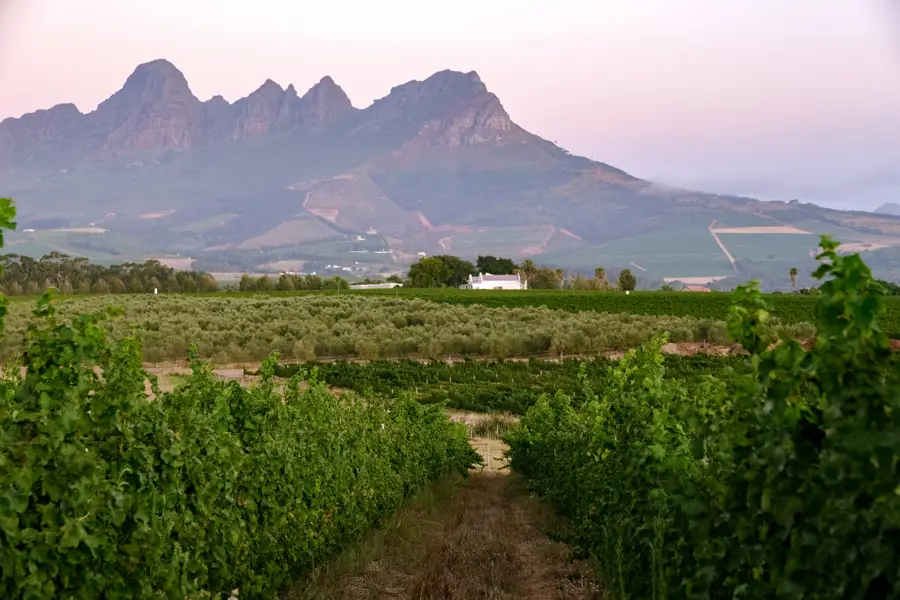
Visit the Cape Winelands and take part in wine tastings within the towns of Stellenbosch, Franschhoek and Constantia, sampling some of the most delightful vinos the region has to offer, within a beautiful mountain setting.
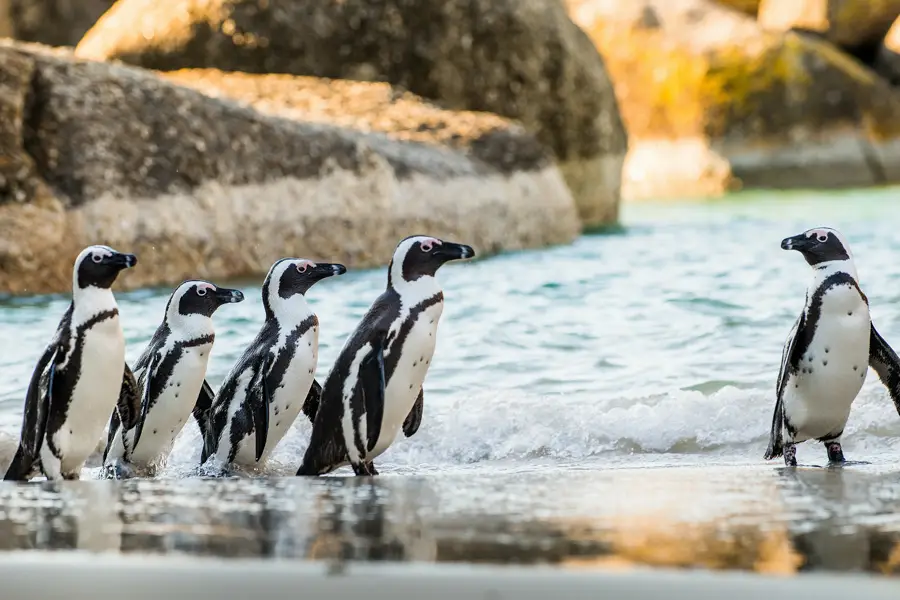
Explore Simon's Town, where the famous African penguins of Boulders Beach reside. You can observe their breeding colony from a viewing platform that overlooks the beach, and continue to a public beach where you're able to walk and swim among the penguins if they make an appearance on this side. Occasionally passing southern right whales, orcas and humpbacks can also be spotted in the distance, along with Heaviside’s, dusky, bottlenose and humpback dolphins.
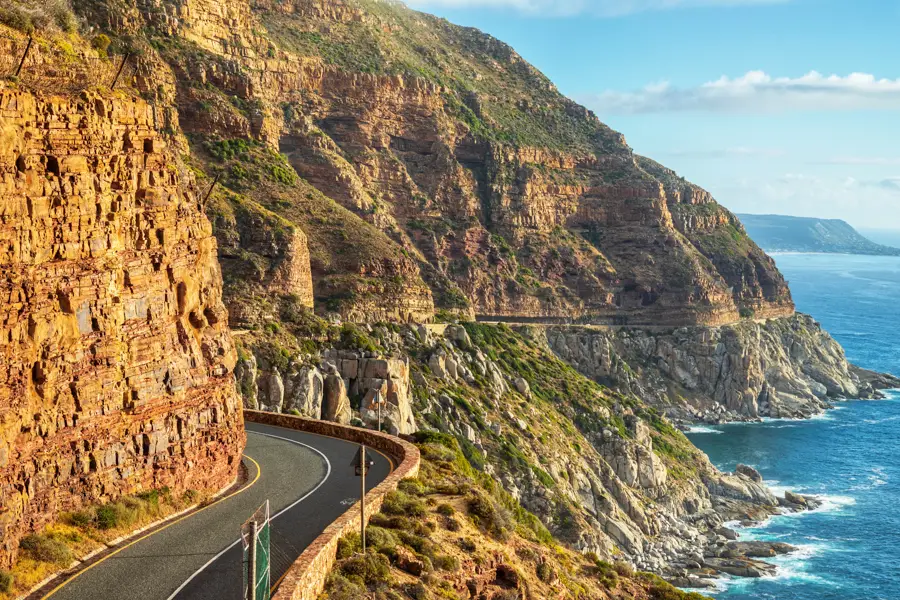
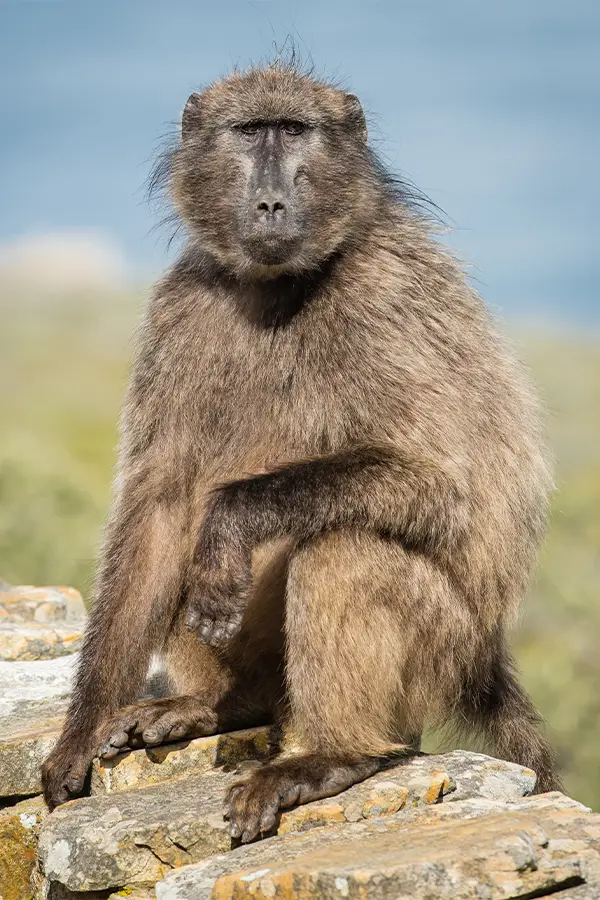
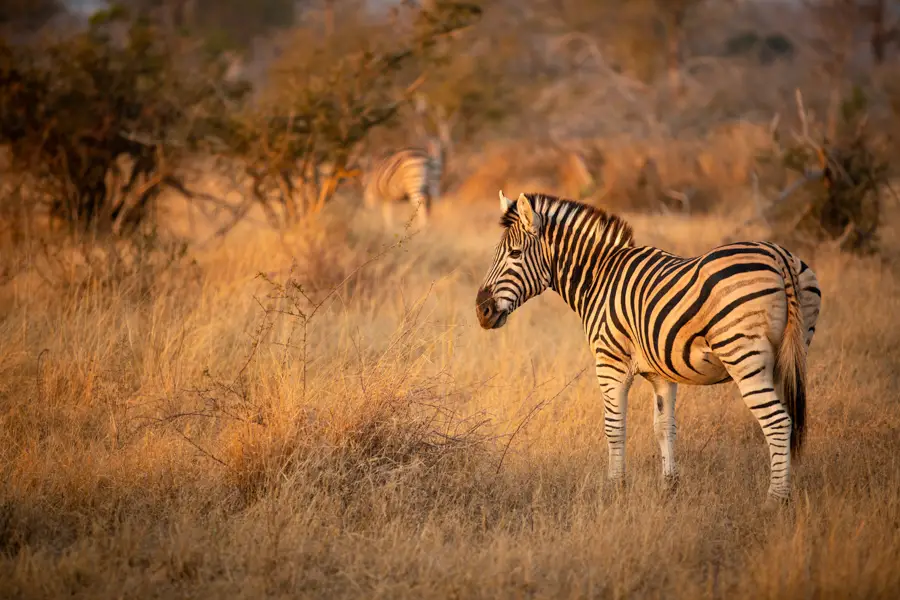
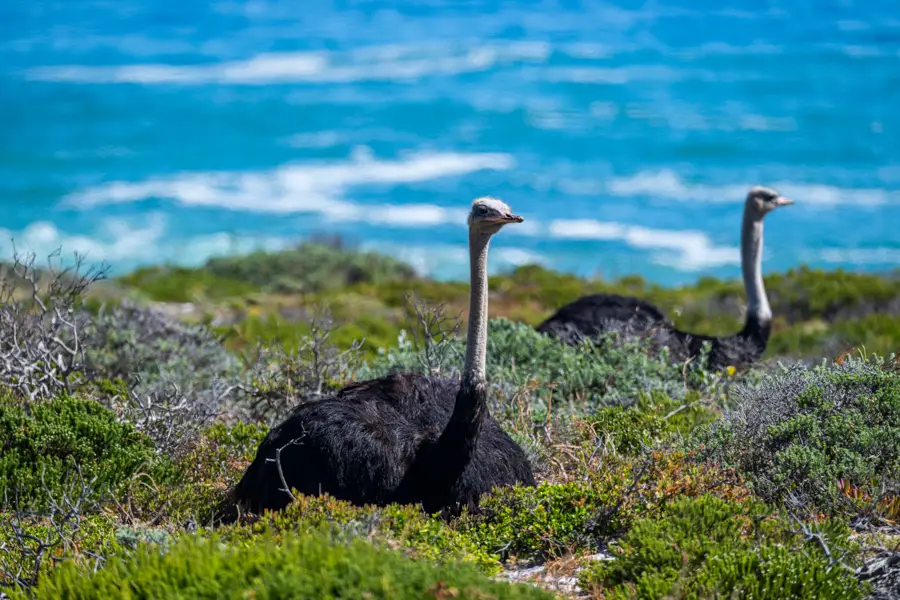
Once your penguin fix is satisfied, continue south to the scenic Cape of Good Hope where you can find baboons, ostrich, Cape mountain zebra, eland, bontebok, red hartebeest, rock hyraxes and a plethora of birdlife. Visit Cape Point, the most southwestern point of the African continent, before returning via the spectacular Chapman's Peak Drive, where the setting sun illuminates the cliffs along the Atlantic coastline, including the Twelve Apostles that loom over Camps Bay and create a magnificent orange glow, resulting in one of the world's most incredible drives.
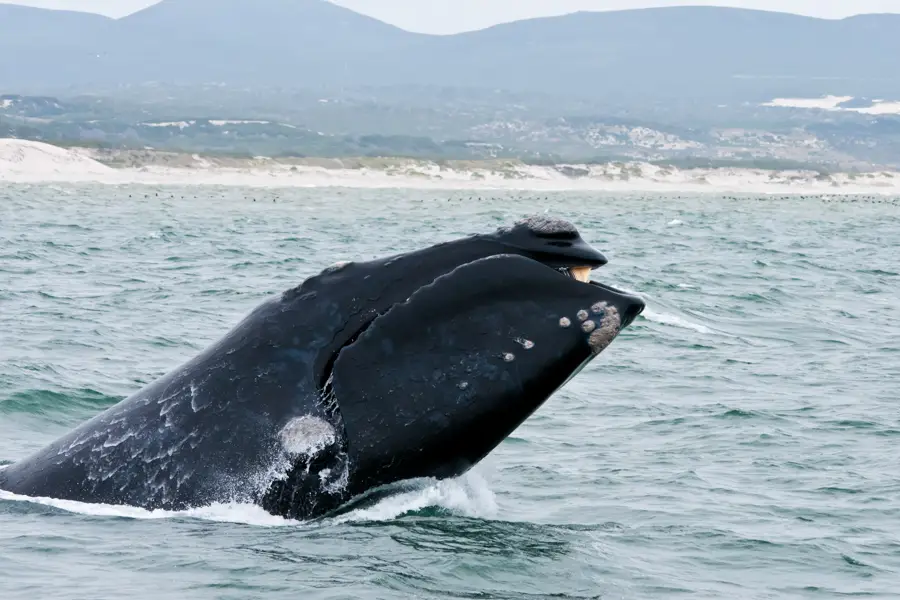
Additionally included is a day discovering the coastal town of Hermanus, renowned as one of the best locations in the world to encounter southern right whales. During the months of June to November they come to mate and calve in the shallow waters. The journey from Cape Town is approximately one hour and 30 minutes, and whales are often able to be viewed from the walk along Hermanus's trails and cliff top. Shortly after arriving, head out to sea on a whale watching trip where along with southern right whales, you may also find Bryde’s and humpback whales, bottlenose dolphins and Cape fur seals.
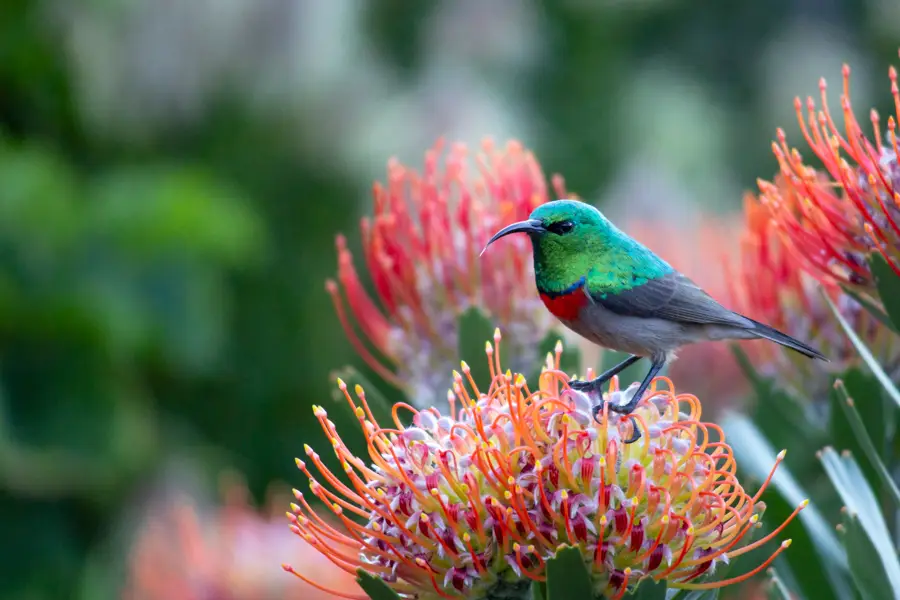
Alternative options include taking the cable car or hiking Table Mountain; hiking Lion's Head for sunrise; exploring the UNESCO World Heritage Site of Robben Island, where you can learn about life in the maximum security prison and see where Nelson Mandela was imprisoned; visiting the stunning Kirstenbosch Botanical Gardens, with an abundance of fascinating flora and abundant birdlife, and shopping in the bustling Oranjezicht City Farm Market on weekends or Wednesday evenings.
For further guidance on curating your Cape Town experience, contact our friendly team.
-
Day 6:
Fly to the Greater Kruger and transfer to Sabi Sands
This morning begins with an early wake up and transfer to Cape Town International Airport, for your domestic flight to Hoedspruit in the north-east of South Africa.
Upon arrival in Hoedspruit, collect your bags and meet your transfer driver, who transports you to your lodge in the Sabi Sands in a close sided vehicle. Passing through towns along the tar roads, you eventually reach the Gowrie Gate, the entry point to the northern section of the reserve. From this point on, the game viewing begins, so keep your eyes peeled for sightings as you continue towards your destination. Upon arrival at the lodge, you receive a welcome drink and orientation before meeting your guide and heading out on your first game drive in the afternoon.
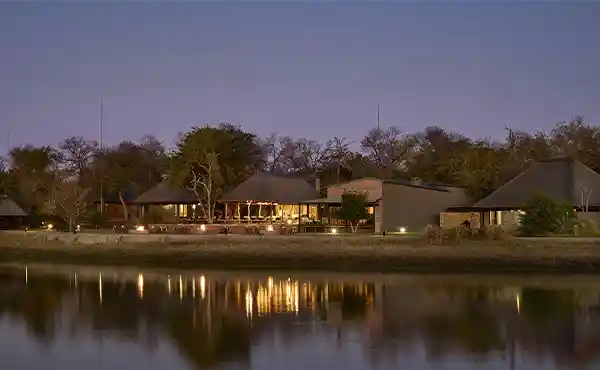
Accommodation: Arathusa Safari Lodge, 4-nights
-
Days 7-9
:
Game Drives in the Sabi Sands Game Reserve
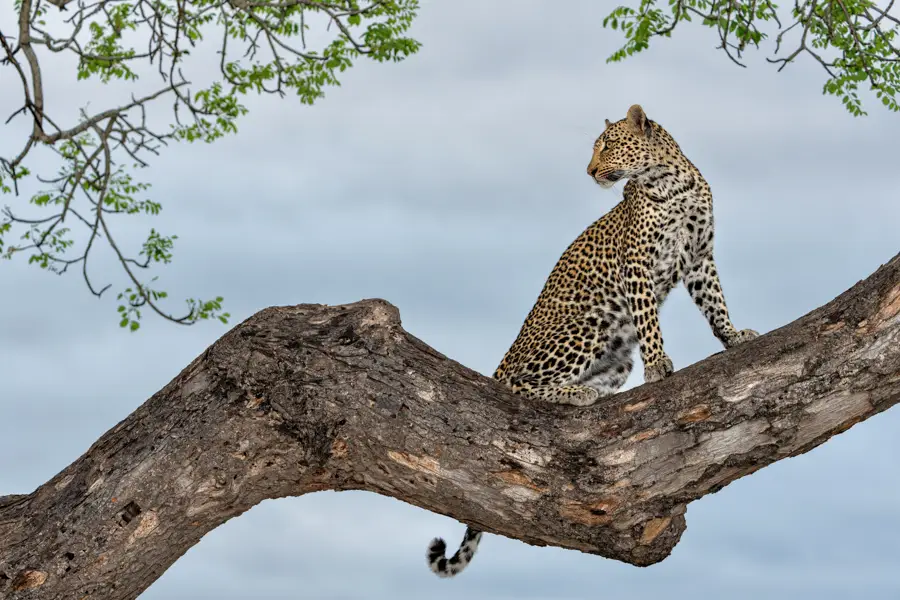
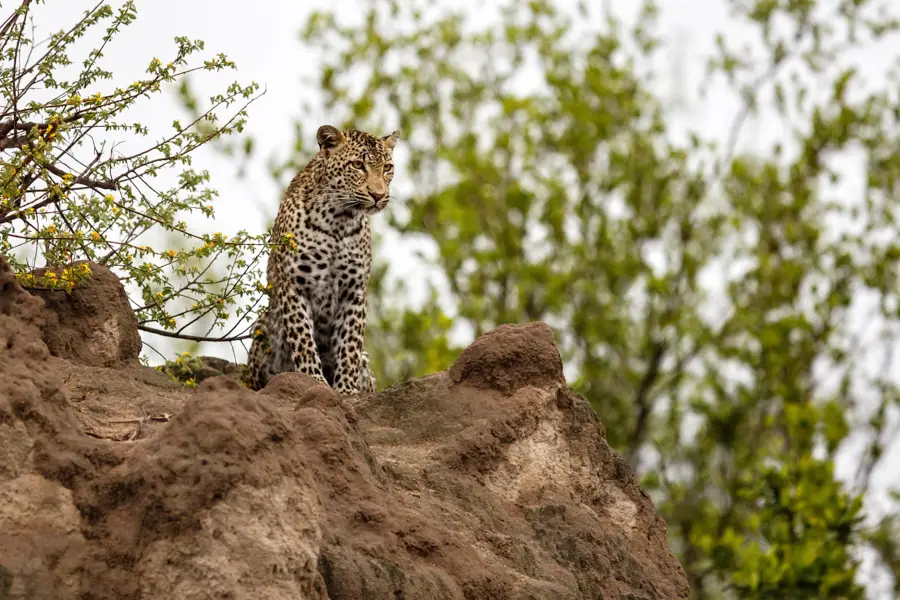
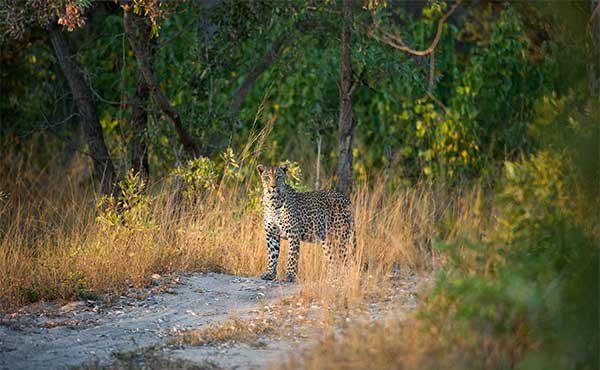
The next three days begin before sunrise with some coffee and rusks, before heading out on your game drive in the Sabi Sands Game Reserve. This is an area particularly renowned for its leopards, and they often take centre stage.
The guides and trackers know behaviours and territories of the individual cats that frequent this area intimately, therefore chances of seeing them are high. The reserve harbours one of the highest recorded leopard densities in Africa, and years of habituation mean these sightings are often prolonged rather than fleeting as the cats here are well accustomed to game viewers. During your searches for these cats, you may find a female draped across the branch of a tree, a male patrolling the boundary of his territory, a mother moving cubs between den sites or even two males embroiled in conflict.
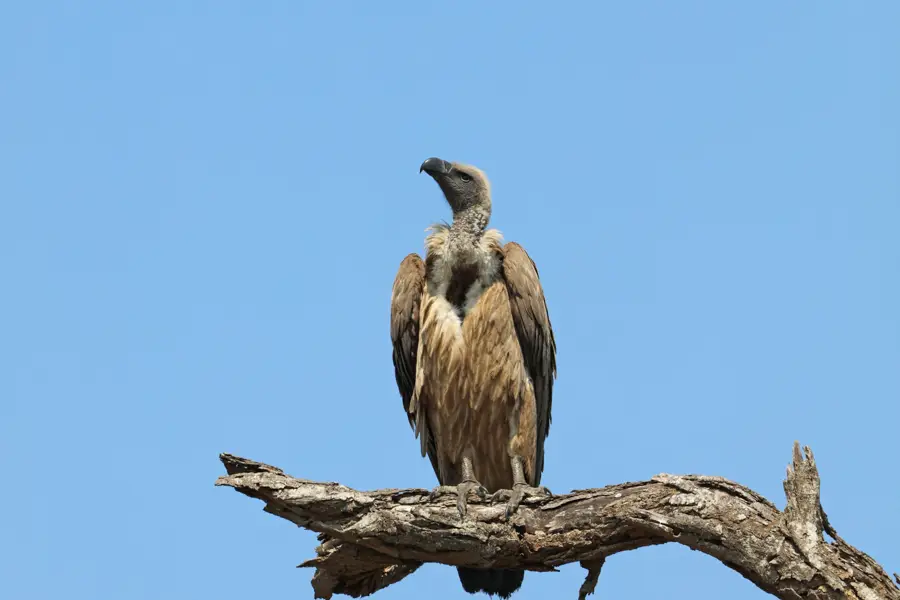
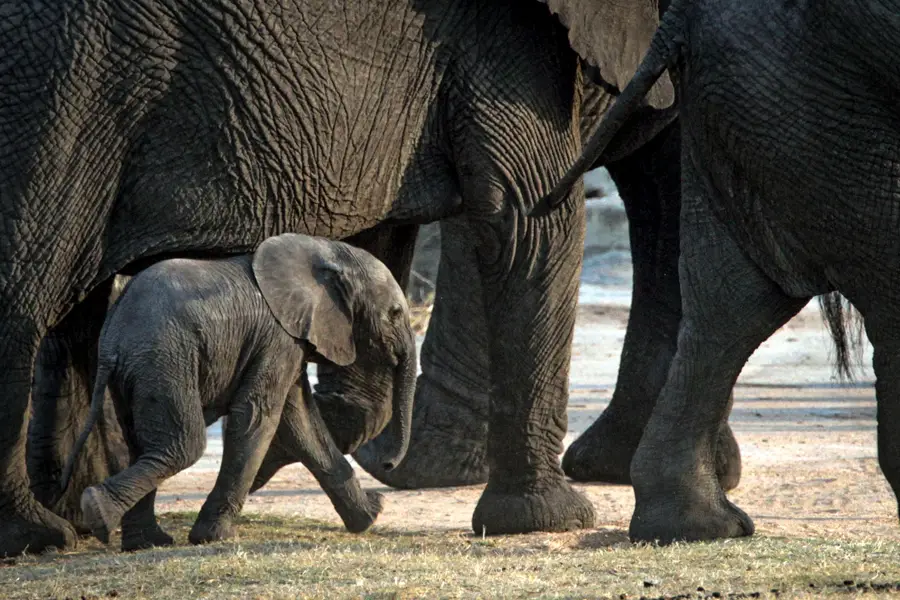
Midway through your morning drives, you stop for another coffee and a snack in the bush as you chat with your guide. Shortly afterwards, you begin your journey back to the lodge scanning for elephants, often seeing their trails of destruction before you encounter the herd browsing as they feed. Make sure to check the roads for signs of what occurred the night before; your guide will help to interpret lion tracks followed by hyena prints, demonstrating there was likely a kill, or maybe they will lead you to a committee of white-backed vultures perched in dead trees, revealing the location of the carcass and perhaps some predators with full bellies.
Returning to the lodge for breakfast, the middle of the day is spent at leisure, relaxing with a good book, catching up on sleep, indulging in a spa treatment or walking the lodge grounds. Wildlife often comes to the waterhole to quench their thirst during the heat of the day, with nyala, bushbuck and zebra occasionally spotted, whilst hippos are regular visitors and saddle-billed storks can be seen patrolling the shallows as they search for prey.
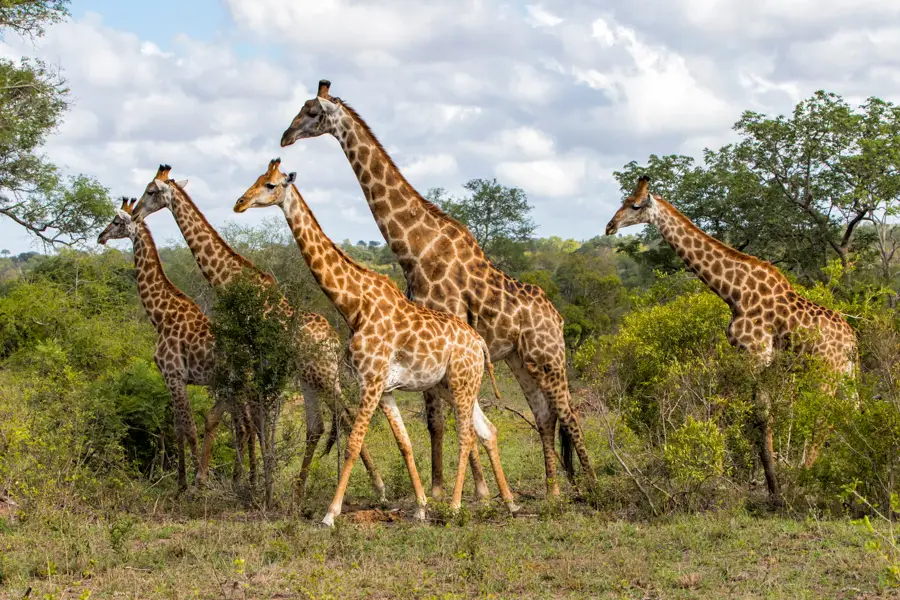
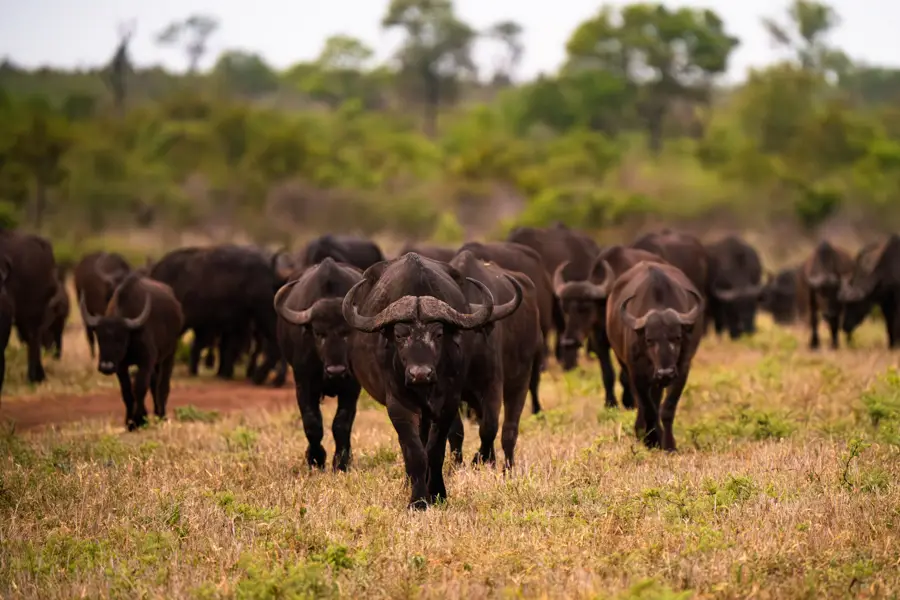
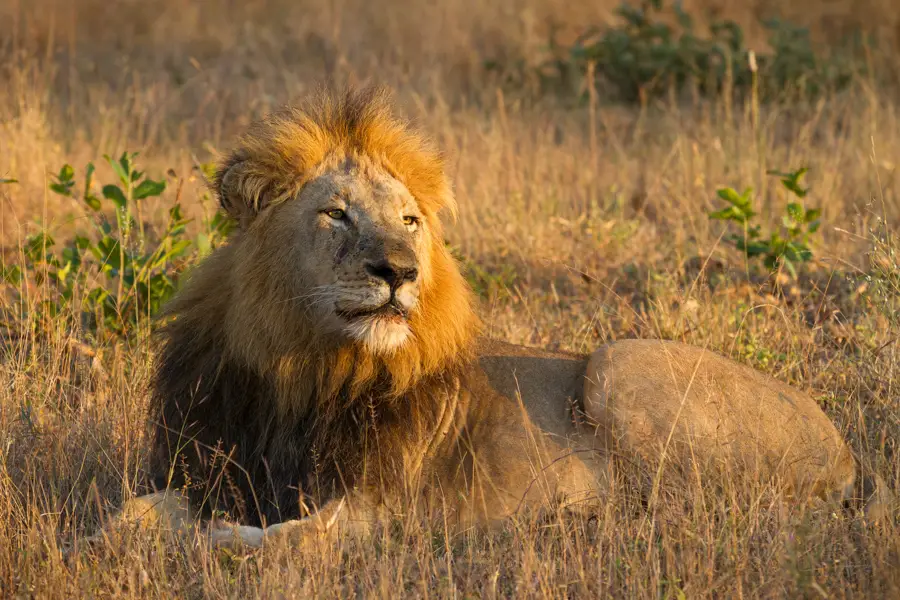
As the temperature begins to drop later in the afternoon, you head out on another game drive. Large buffalo herds move in formidable numbers, kicking up dust as oxpeckers cling to their hides. Giraffe elegantly stride across clearings, while impala remain alert, ever conscious of the predators that shadow them. Lion are also frequently encountered here, either resting in the shade or becoming active as dusk approaches. A hunt is never guaranteed, but the tension that builds as light fades and a pride begins to stir is palpable.
As the day begins to give way to the night, you stop and pause for a sundowner before venturing into the dark on a night drive. Continuing back to the lodge with the aid of a spotlight, nocturnal species emerge; civets slip between thickets, scrub hares nervously scurry along the roads, genets stare down from an elevated branch, and the unforgettable calls of hyenas whoop in the distance.
Dinner is served on your return to camp, where, weather permitting you sit by the waterhole enjoying the canopy of stars overhead or in the stylishly appointed dining room.
-
Day 10:
Morning safari & depart the Sabi Sands
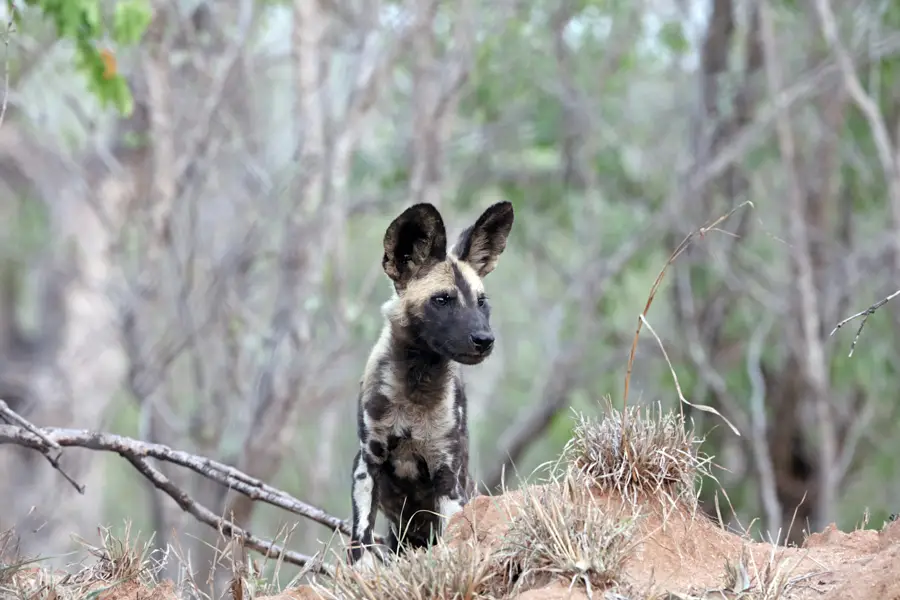
The final morning provides one last game drive, so savour every moment as you traverse the reserve once more. Keep an ear out for the high-pitched contact calls of African wild dog, often vocalising as pack members regroup before or after a hunt. If located, you may witness their remarkable social dynamics at close quarters. Wild dogs are the most successful large predators in Africa, relying on their close bonds, stamina and extraordinary coordination. Once these canines appear, every impala is on high alert as the pack hurtles through the bush, causing the herd to spread out in sheer panic, with one or two members likely ending up caught.
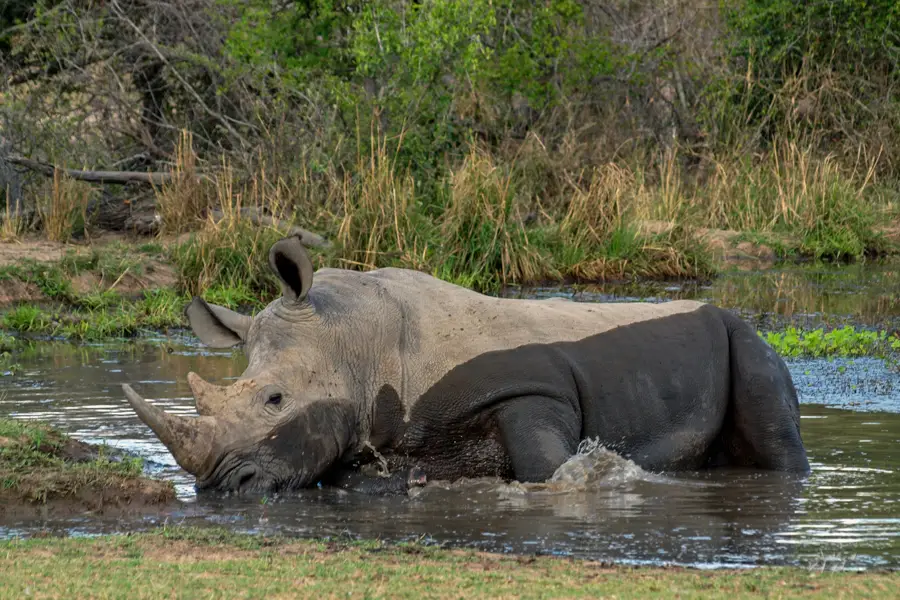
Both southern white and black rhino are present within the Greater Kruger, and can be encountered at any time. Seeing these prehistoric-looking megaherbivores at close range, whether grazing quietly or moving silently through the bush, is always a privilege.
Following your return to the lodge, there's time for breakfast and to gather your belongings before your transfer to the airport for your onward flight to Johannesburg, where you connect with your international departure.
-
Day 11:
Arrive UK
Further Information
-
Tailor your trip
Whilst we’re sure this itinerary will open your eyes to the many wonders of South Africa, this trip is fully customisable and can be altered to perfectly match your interests. Whether you wish to partake in additional activities in Cape Town, extend your stay in the Kruger National Park or surrounding reserves, spend more time immersing yourself in the wildlife of another national park from the Karoo to the Kalahari, or perhaps experience the scenery of the Garden or Panorama Routes, we can build the ultimate holiday for you. South Africa has a wealth of exceptional parks and reserves that seamlessly combine with this itinerary, and so many other destinations scattered across the country. Contact a member of our team to find out more.
-
When to go?
South Africa is a year-round destination, with weather conditions varying seasonally based on location. Top quality sightings can be observed throughout the year around the Greater Kruger, however, the most lucrative game viewing occurs between May and September, as animals gather around the remaining water sources during the cool, dry winter. This is also the time of year that the southern right and humpback whale migrations are best seen from Hermanus in the Western Cape, although it's important to note it can often rain during these months. November to February is a great time for birding, although in the northern regions, including Kruger, this time of year has greater rainfall, whereas Cape Town enjoys beautiful sunny days.


 Superior