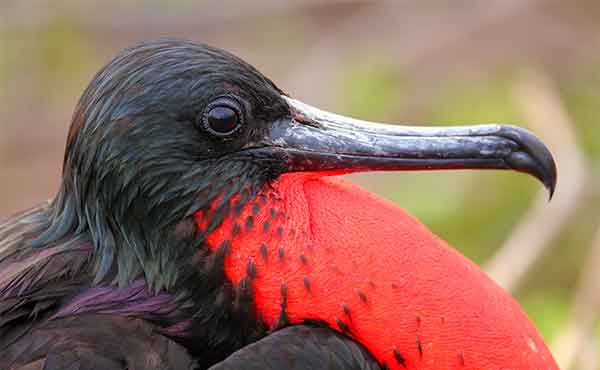
Magnificent frigatebirds, Galapagos sealions and blue-footed boobies are all numerous on North Seymour. The island was formed by a series of submarine lava flows containing layers of sediment that were uplifted by tectonic activity. There is a good walking trail crossing the island.
Find Out More
Established in 1776, Tobago’s Main Ridge Forest Reserve is considered to be the oldest area of protected forest in the western hemisphere. As a result, this swathe of lush rainforest has remained untouched by development for over 200 years, allowing its native flora and fauna to flourish.
Find Out More
Lying on the east coast of Trinidad close to Manzanilla Bay, the largest freshwater wetland on the island, Nariva Swamp covers more than 6,000 hectares can only be accessed by boat. It is the principal habitat of the rare West Indian manatee, and one of the most diverse ecosystems in the entire Caribbean.
Find Out More
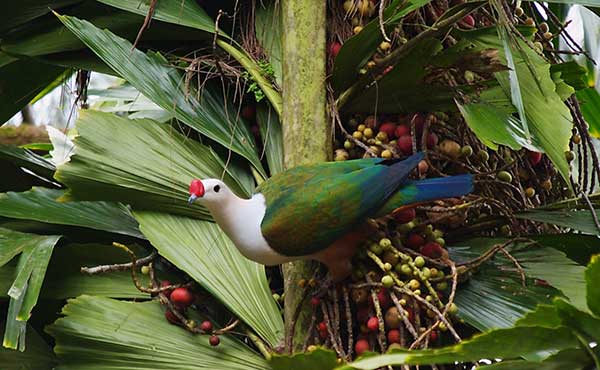
This island – also known as Jervis – is one of the most colourful and varied islands in the archipelago, with several different types of lava. It is famed for its beach of maroon sand and stunning viewpoint. The island is a delight for birdwatchers, with some of the rarest bird species in abundance.
Find Out More
Recognised first and foremost for its exceptionally rich wildlife, this wildlife reserve offers nearly 1,300 square kilometres of breathtaking panoramas, with mountains and deep valleys crisscrossed by numerous waterways. Over 150 species of birds can be seen in Réserve Faunique Matane.
Find Out More
As it reaches the Black Sea at the end of its 2,860 kilometre run, the Danube River forms a wide delta. This is one of the world's biggest wetlands and most extensive reedbed systems - the habitat for many waterfowl and waders. It boasts 30 different ecosystems in all with exceptional biodiversity.
Find Out More
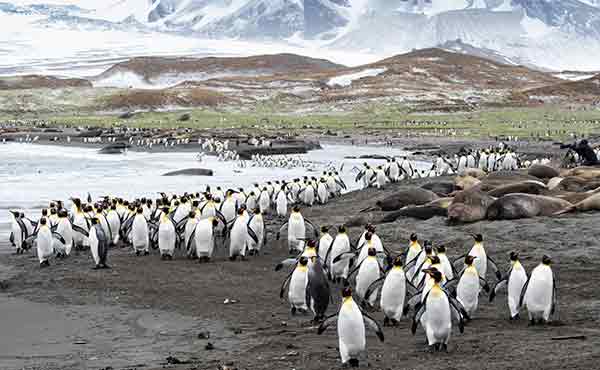
South Georgia is a remote, rugged and hauntingly beautiful sub-Antarctic island. Its scenery ranges from impressive mountains and mighty glaciers to deep fjords and low-lying grassland. Renowned as an excellent birdwatching destination, it has more wildlife than virtually anywhere else on the planet.
Find Out More
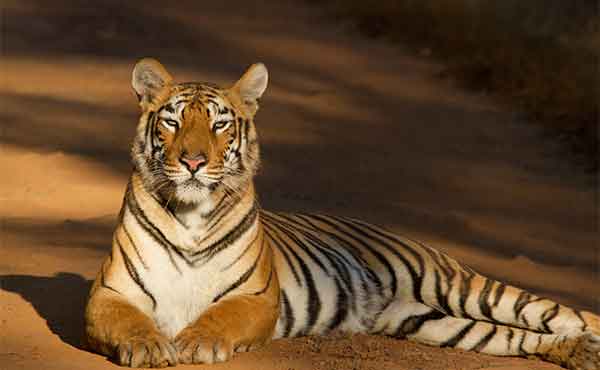
Tadoba Andhari is the largest national park in Maharastra and is becoming increasingly well-known for its tiger sightings, and is one of India’s 50 Project Tiger reserves. The park is bounded by the Chimur, Moharli and Kolsa ranges, and is dominated by teak and bamboo forests.
Find Out More
One of Africa’s most important wetland sites, Makgadikgadi is the only area in Southern Africa to witness a migration of tens of thousands of blue wildebeest and Burchell’s zebra when, during the rains, the dry salt pans transform into lakes, attracting vast flocks of flamingos and migratory birds.
Find Out More
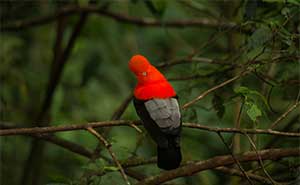
The unique diversity of Manu’s wildlife is due to the range of ecological zones that extend from 300 to 4,000 metres above sea level. More than 1,000 species of birds, 200 species of mammals, many reptiles, and around 10% of the world’s plant species have been recorded within the park's boundaries.
Find Out More
Northeast Greenland National Park is the world’s largest. Although the park is part of the Greenland Ice Sheet, there are large ice-free areas of green mountains with beautiful wild flowers, long fjords, precipitous cliffs and hot springs. Off shore, huge icebergs in fantastic shapes float on the deep blue sea.
Find Out More
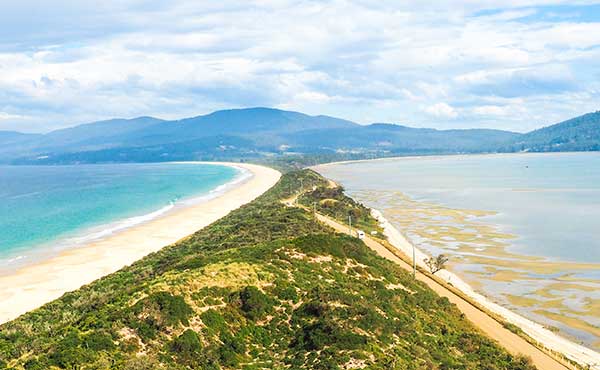
Bruny Island is the ultimate Tasmanian wilderness experience with preserved natural environments, abundant wildlife, tranquil beaches and soaring sea cliffs. A birdwatchers’ paradise, the island’s national park attracts all 12 of Tasmania’s endemic birds including the rare forty-spotted pardalote.
Find Out More
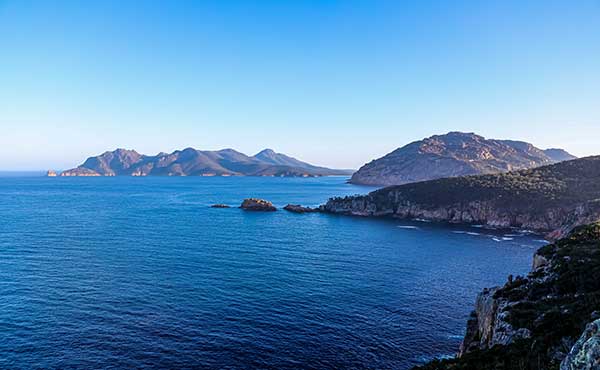
Occupying most of the Freycinet Peninsula on Tasmania's dramatic east coast, the Freycinet National Park, with its pink granite mountains and beautiful white beaches, is a haven for birdlife. The park’s jewels include a RAMSAR wetland, home to migrants such as black swan and white-bellied sea eagle.
Find Out More
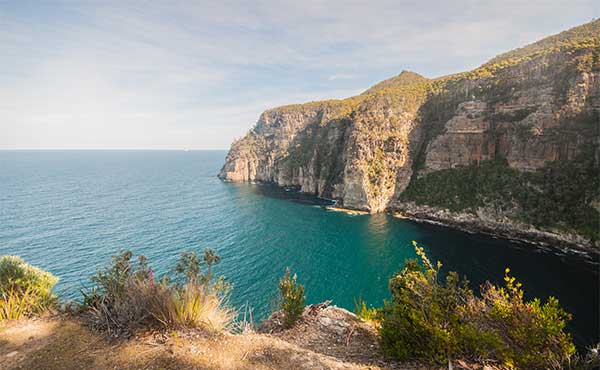
A dramatic coastline consisting of soaring 300 metre cliffs and monumental rock formations form this spectacular area of natural beauty. Wildlife is in abundance with Australian fur seals, little penguins, brushtail possums, swift parrots, and the endemic forty-spotted pardalote all seen here.
Find Out More
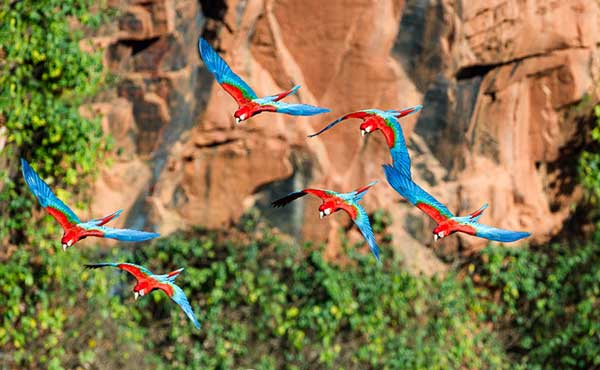
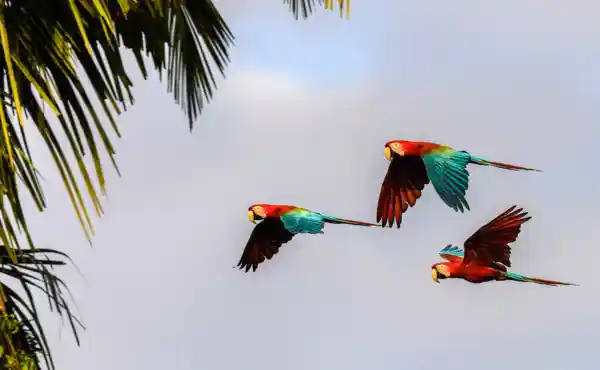
Buraco das Araras is a spectacular sinkhole some 500 metres in diameter, named after the abundance of red-and-green macaws which nest and roost on the cliffs. Two viewing platforms overlook the emerald green lagoon providing remarkable sightings and excellent photographic opportunities.
Find Out More
Located near Buraco das Araras in the southern Pantanal, Pousada Rio da Prata is a beautiful deciduous forest site where you can enjoy birdwatching around the ranch, or snorkel the crystal clear waters, home to freshwater fish such as dorado and pacu, as well as an array of aquatic plant life.
Find Out More
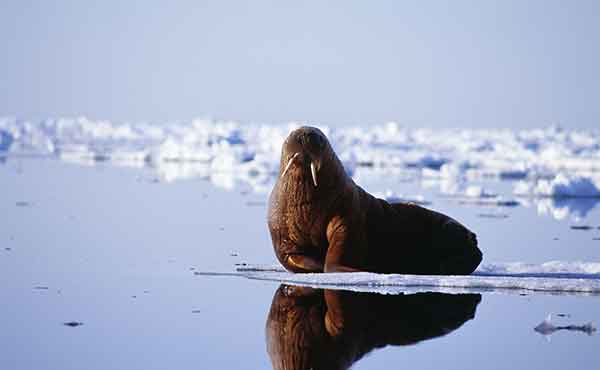
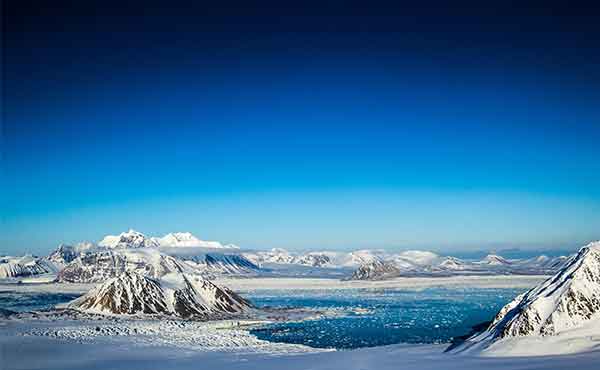
High above the Arctic Circle lies the remarkable archipelago known in Norwegian as Svalbard. Spitsbergen, the main island, means 'jagged peaks' and befits this remarkable land with its spectacular coastline, littered with glaciers flowing into the sea, and high cliffs with endless opportunities for viewing wildlife.
Find Out More
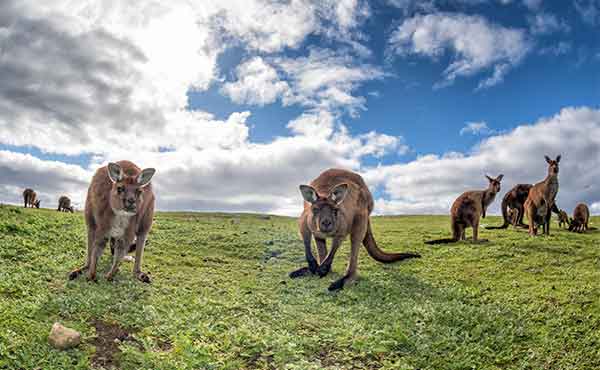
Surrounded by the Southern Ocean, Kangaroo Island is a haven for Australia’s endemic wildlife – more than 60 percent of the island comprises national parks and reserves. Here is nature at its best; amongst sheltered beaches, rugged cliffs and bushland, kangaroo, koala, birds and sealions abound.
Find Out More
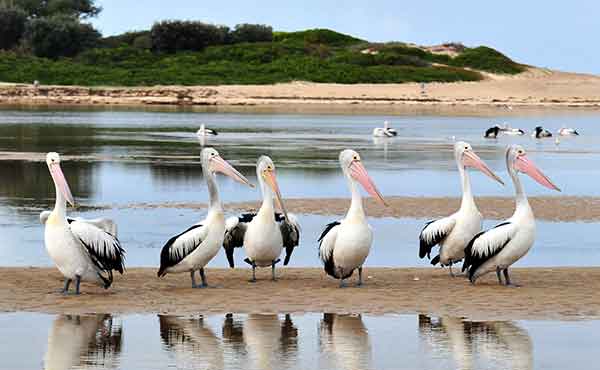
Stretching more than 130 kilometres, Coorong National Park forms a wetland of international importance, where saltwater lagoons, sheltered by the sand dunes of the Younghusband peninsula, provide a sanctuary for bird species including the Australian pelican, Eurasian coot and Cape Barren goose.
Find Out More
Located in the Peruvian Amazon Basin, Tambopata National Reserve encompasses a vast area of protected lowland rainforest and palm swamps with an impressive biodiversity, including over 600 bird species, 200 mammal species, 1,000 butterfly species and an astonishing 10,000 species of plant.
Find Out More
Kimbe, the capital of the West New Britain province, is situated on the north side of the island on the spectacular Kimbe Bay, which boasts over 60 percent of the coral species of the entire Indo-Pacific. Inland, plentiful endemic birds such as blue-eyed cockatoo, can be found.
Find Out More
Mývatn is situated on a lake which was formed during a massive eruption 2,300 years ago. Today the area is known for the huge numbers of waterbirds that visit in the summer, including tufted duck and greater scaup, and for the fascinating volcanic features that surround the lake.
Find Out More
The park is an important area for Gambian wildlife, as most of the country's remaining mammals are found here, including Cape clawless otter, Guinea baboon, bushbuck and caracal. Over 300 bird species and many interesting species of reptile have also been recorded in the park.
Find Out More
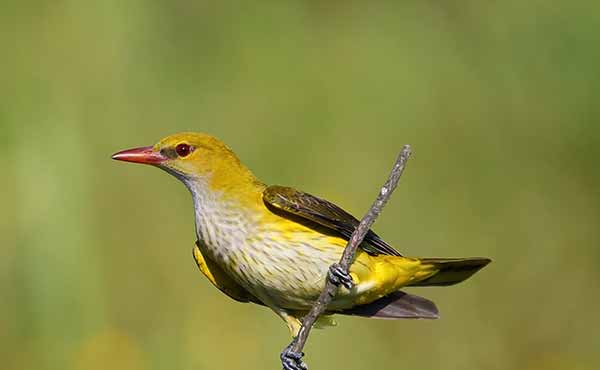
Covering an area of 570 square kilometres, Kiskunság National Park is a mosaic of plains, lakes and marshes dotted between the Tisza and Danube Rivers, which are home to a rich diversity of birdlife. Highlights include great bustard, red-footed falcon, golden oriole and European roller.
Find Out More