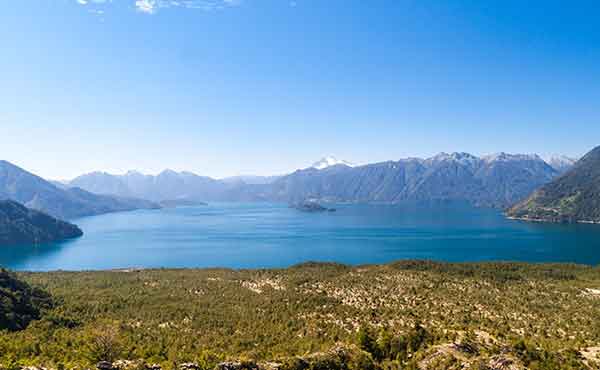
Four adjacent national parks, Vicente Perez Rosales and Puyehue in Chile, plus Nahuel Huapi and Lanin in Argentina, protect this southern region. With snowcapped volcanoes, rushing rivers, tumbling waterfalls, placid lakes and dense forests, it is a place of immense natural beauty.
Find Out More
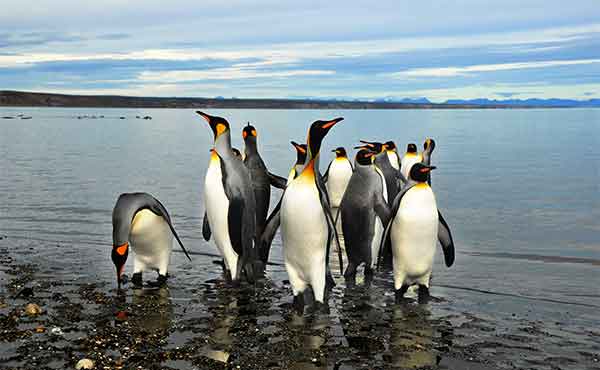
The Chilean portion of Patagonia is called Magellanes after its Portuguese explorer. On the Pacific side glacial action has excavated a complex coastline of fjords and islands. Between the mainland and Tierra del Fuego, the Strait of Magellan has Chile’s first and only marine reserve, Francisco Coloane Marine Park.
Find Out More
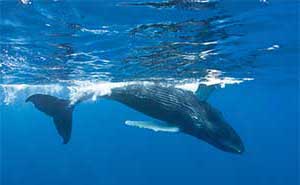
The Silver Bank lies approximately 110 kilometres north of the coast of the Dominican Republic, and almost the same distance southeast of the Turks and Caicos Islands, in the Antilles. In October 1986 the Dominican Republic recognized its vital importance by establishing the Silver Bank Sanctuary.
Find Out More
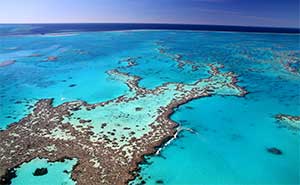
The world's largest coral reef system of over 2,900 individual reefs and 900 islands covers an area of approximately 344,400 square kilometres. The biggest single structure made by living organisms is composed of, and built by, billions of tiny coral polyps and is easily discernable from space.
Find Out More
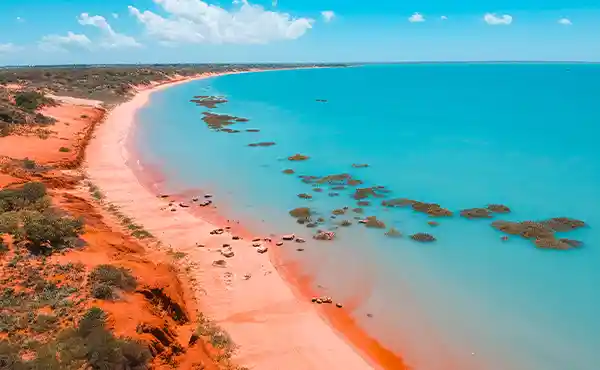
Lying 2,240 kilometres north of Perth, on the traditional lands of the Yawuru in the Kimberley region, the coastal town of Broome is famed for its pearling industry. Home to the Broome Bird Observatory, millions of waders and shorebirds feed here on the intertidal mudflats and roost on the red sand beaches.
Find Out More
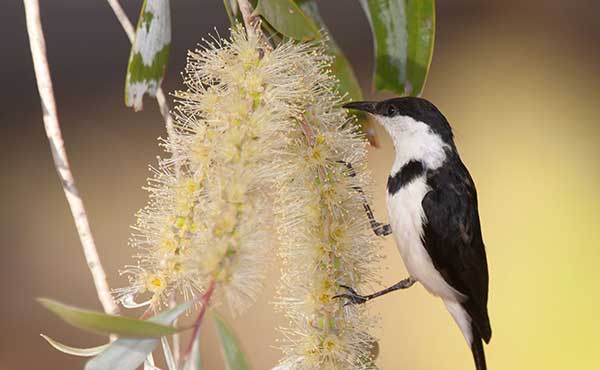
The Kimberley region occupies the far north of Western Australia, lying between the Great Sandy Desert and the Timor Sea/Indian Ocean. Animals found here include huge saltwater crocodiles and a particularly rich variety of birds – such as channel-billed cuckoo, Pacific koel and several endemic species.
Find Out More
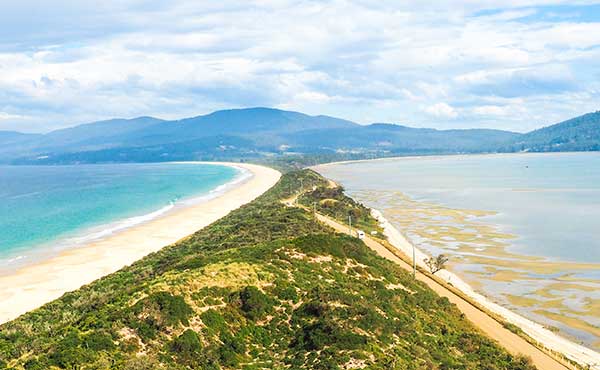
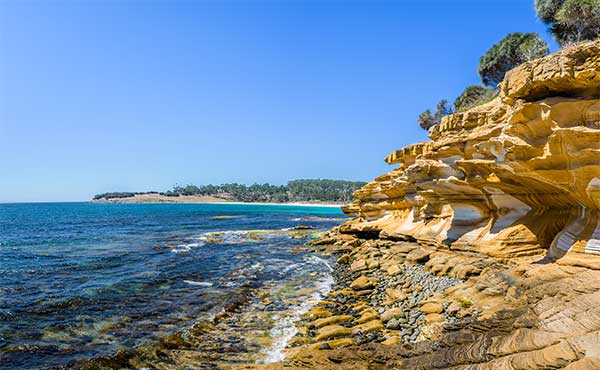
Bruny Island is the ultimate Tasmanian wilderness experience with preserved natural environments, abundant wildlife, tranquil beaches and soaring sea cliffs. A birdwatchers’ paradise, the island’s national park attracts all 12 of Tasmania’s endemic birds including the rare forty-spotted pardalote.
Find Out More
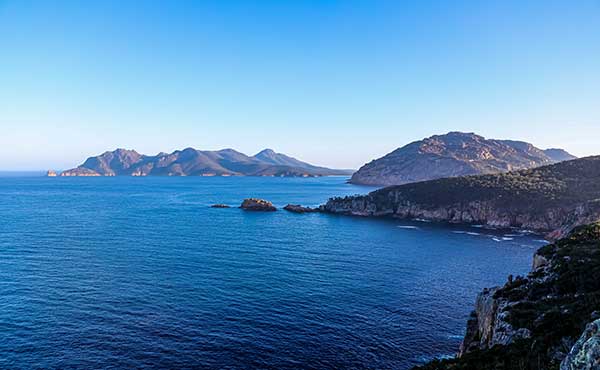
Occupying most of the Freycinet Peninsula on Tasmania's dramatic east coast, the Freycinet National Park, with its pink granite mountains and beautiful white beaches, is a haven for birdlife. The park’s jewels include a RAMSAR wetland, home to migrants such as black swan and white-bellied sea eagle.
Find Out More
World Heritage listed Maria Island mixes convict-era architecture, industrial heritage and diverse wildlife. One of Tasmania's great wildlife hot spots, this is one of the rare locations to see healthy Tasmanian devil in the wild, together wtih other rare species such as the Cape Barren goose.
Find Out More
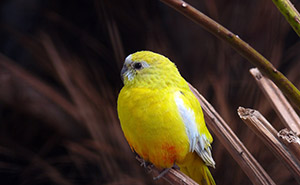
At over 600,000 hectares, South West National Park is Tasmania’s largest park, and one of Australia’s wildest places. Amongst its avian highlights are the flame robin, black-headed honeyeater and endemics such as Tasmanian scrubhen and Tasmanian thornbill, and the endangered orange-bellied parrot.
Find Out More
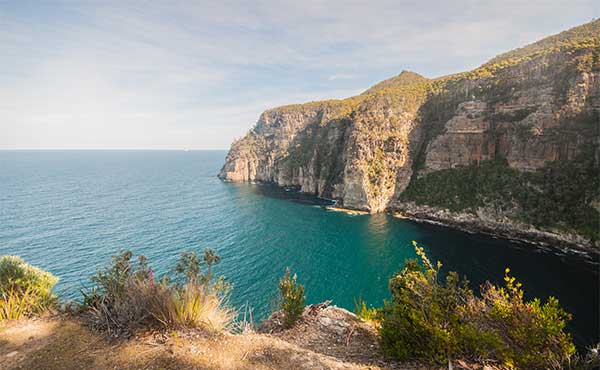
A dramatic coastline consisting of soaring 300 metre cliffs and monumental rock formations form this spectacular area of natural beauty. Wildlife is in abundance with Australian fur seals, little penguins, brushtail possums, swift parrots, and the endemic forty-spotted pardalote all seen here.
Find Out More
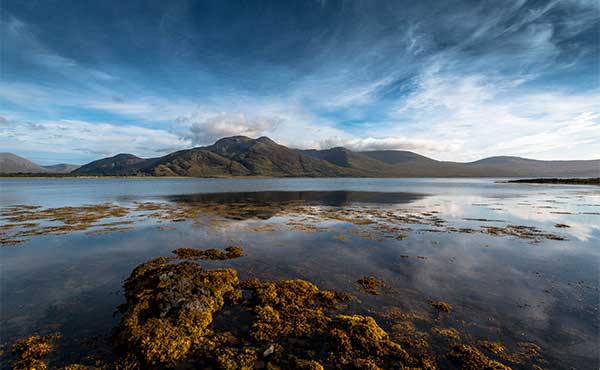
The Isle of Mull is home to a rich flora and fauna. It’s one of the best places to see otters in the UK, and special birds here include hen harrier, white-tailed and golden eagles as well as red-throated divers. Red deer, seals and a rich marine life are additional draws for the keen naturalist.
Find Out More
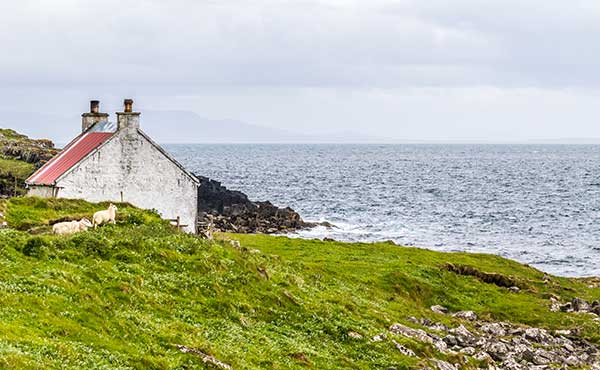
Lying not far offshore from Lewis in the north-west of Scotland, the Shiant’s are one of the most exciting and remote seabird islands in Britain. These rugged little islands offer not only a fantastic seabird experience but are also steeped in history and offer sensational scenery.
Find Out More
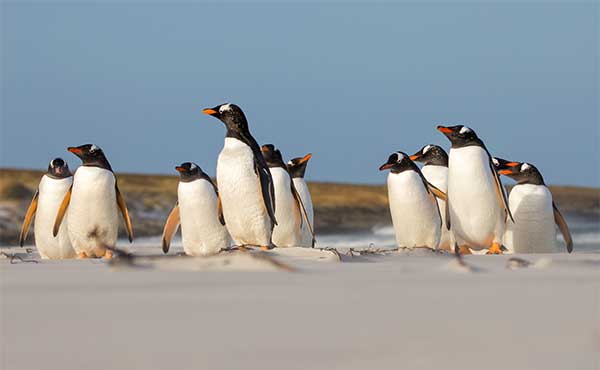
A unique sub-Antarctic archipelago consisting of nearly 800 islands, the Falklands are home to an exceptional array of wildlife onshore including southern elephant seals, fur seals and sealions as well five species of penguin. Offshore, you can expect to see Commerson’s and Peale’s dolphins and several whale species.
Find Out More
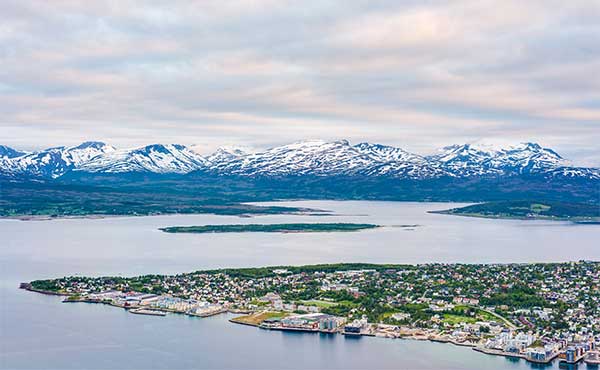
Tromso lies nearly 70 degrees north and is northern Norway’s largest city, located between the craggy peaks of the Lyngen Alps. There is a vibrant city centre, surrounded by spectacular fjords and majestic mountains, and one of the best places in Europe to see the northern lights is in Tromso.
Find Out More
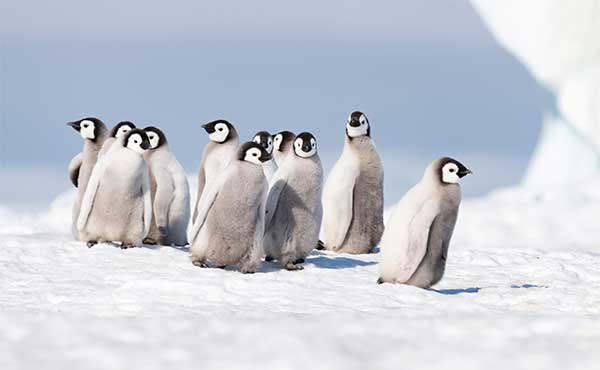
If you long to visit Antarctica to see emperor penguins, the largest of the penguin species, then Snow Hill Island is one of the best locations to view these fascinating sea birds. This snow-capped island is home to a colony of around 4,000 pairs of breeding emperor penguins and their offspring.
Find Out More
Lying like stepping stones to the Antarctic continent are the little-known Subantarctic Islands. They're home to some of the most abundant and unique wildlife on Earth, and are renowned for the diversity and large number of penguins and seabirds. They're all National Nature Reserves.
Find Out More
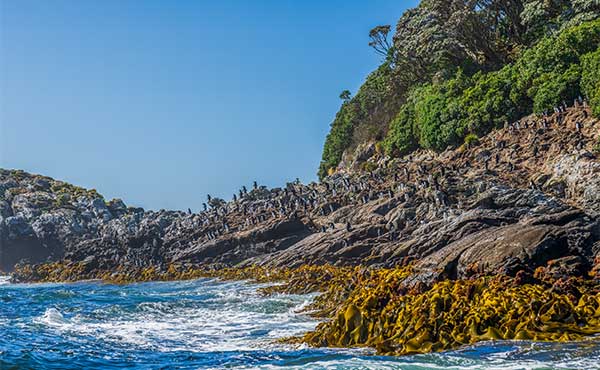
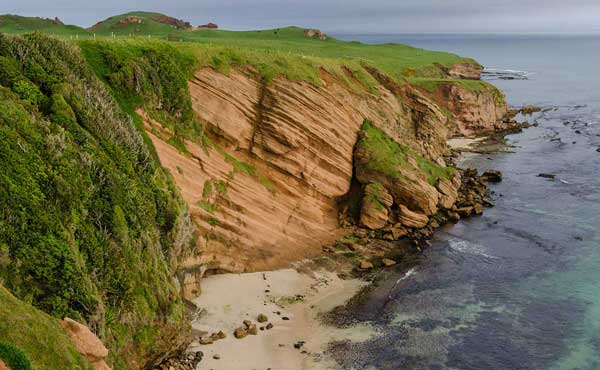
Located in the South Pacific, over 800 kilometres east of New Zealand, lies the Chatham Islands. This archipelago consists of about 10 islands and of all the Antipodean Islands south of Australia and New Zealand, the Chatham Islands are the only island group to have permanent human settlement.
Find Out More
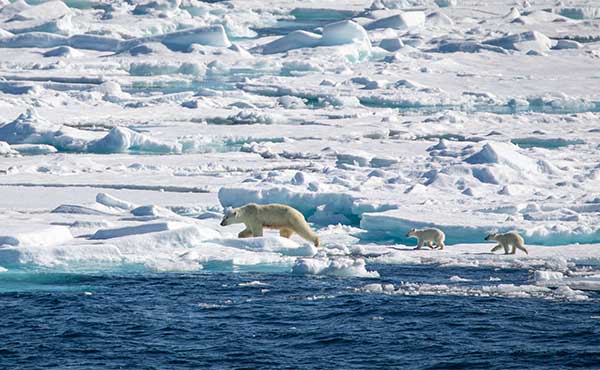
The Canadian Arctic is a mesmerising expanse of icy wonder where wildlife thrives amidst breathtaking scenery. Polar bears roam the landscape, while whales glide through the crystal-like waters. Caribou and musk oxen navigate the stark terrain alongside resilient Inuit communities.
Find Out More
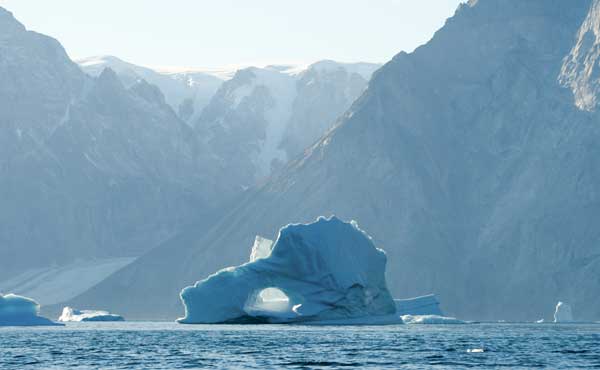
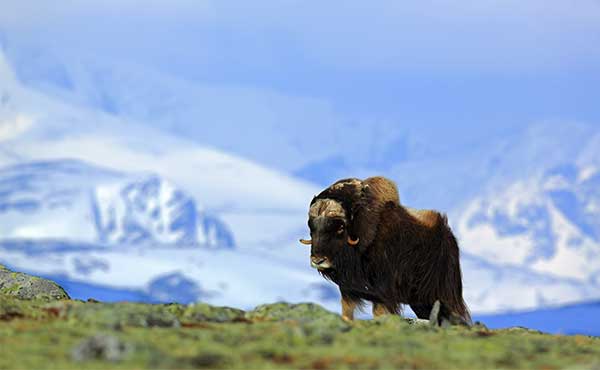
The enchanting wilderness of Scoresby Sund in eastern Greenland offers towering glaciers, ancient fjords, and spectacular scenery. This vast and deep fjord system is a pristine ecosystem teeming with life. Impressive musk oxen roam the untamed wilderness, and the skies are alive with seabirds.
Find Out More
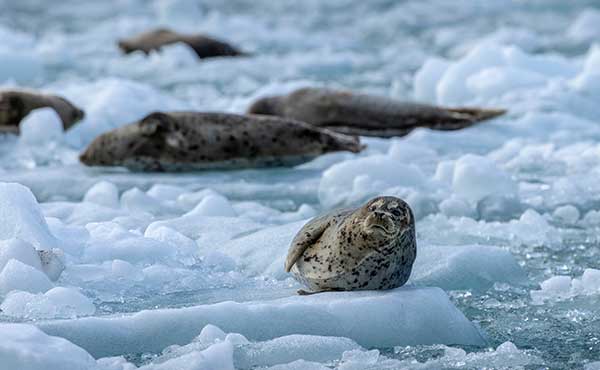
Stretching along the south-eastern coast of Alaska, the Inside Passage encompasses coastal islands, fjords, and waterways. This region serves as a vital marine corridor, providing sheltered waters for a diverse array of marine life and offers visitors a front-row seat to some of nature's most spectacular displays.
Find Out More
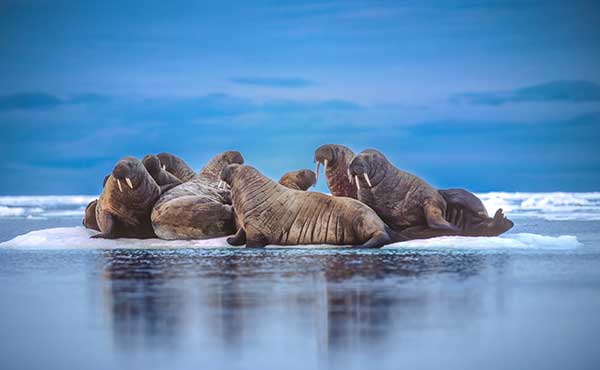
Discover the untouched beauty of Svalbard, a remote Arctic archipelago home to dramatic glaciers, deep fjords, and snow-capped mountain peaks. Among spectacular landscapes, steep cliffs teem with an abundance of bird life, walrus bask in the sun, and polar bears roam the shores.
Find Out More
Experience the raw beauty of Greenland, an Arctic wonderland home to vast, ice sheets, rugged mountains and gigantic glittering icebergs. Musk oxen and reindeer roam the Arctic tundra while numerous seal species explore the deep fjords, and graceful birds soar overhead.
Find Out More
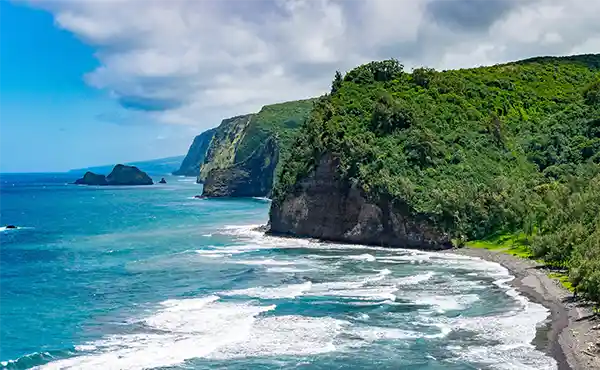
Hawaii is a breathtaking Pacific archipelago, featuring volcanic landscapes, lush rainforests, and some of the world’s richest marine ecosystems. Discover Hawaii’s Big Island, Maui, and Oahu—each offering their own unique charm and diverse wildlife, from humpback whales to tropical birdlife.
Find Out More