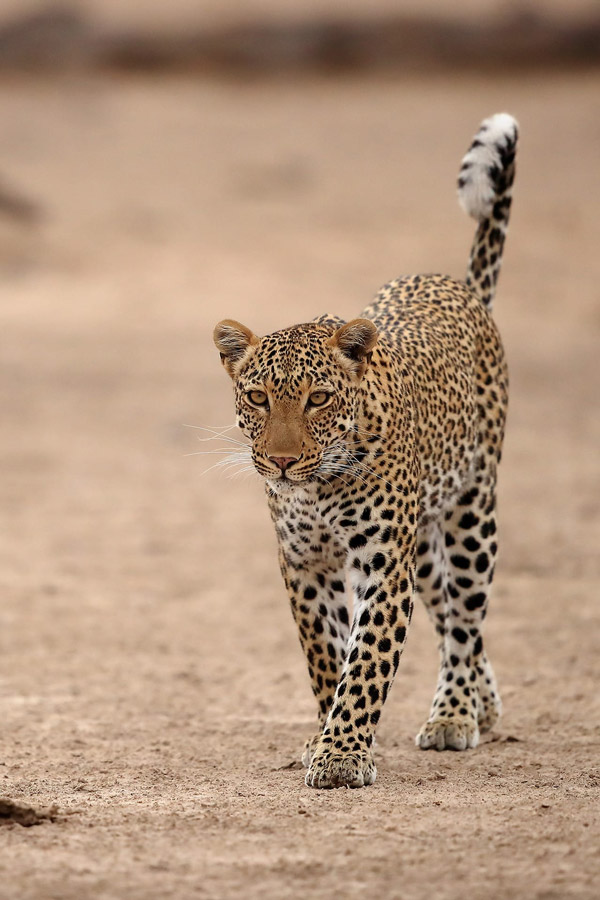
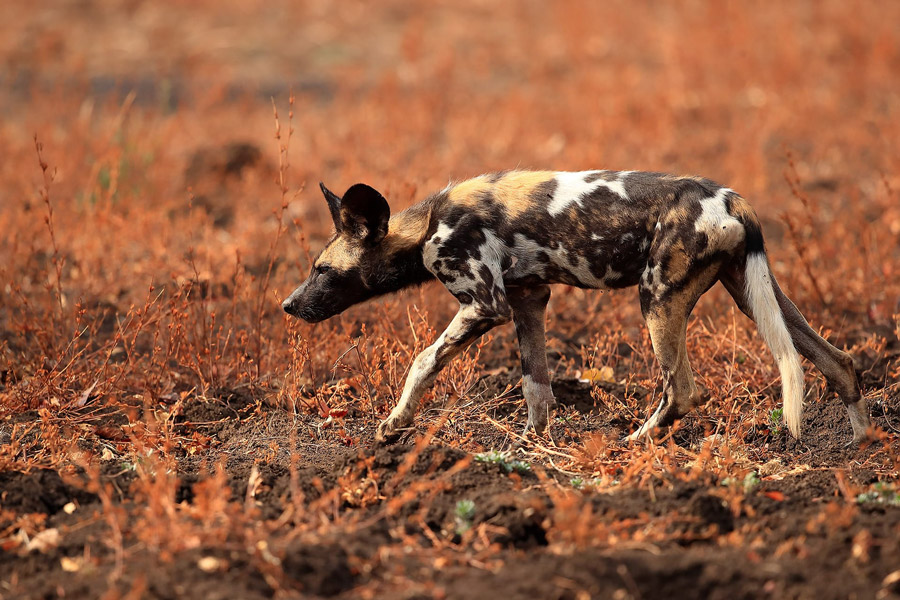
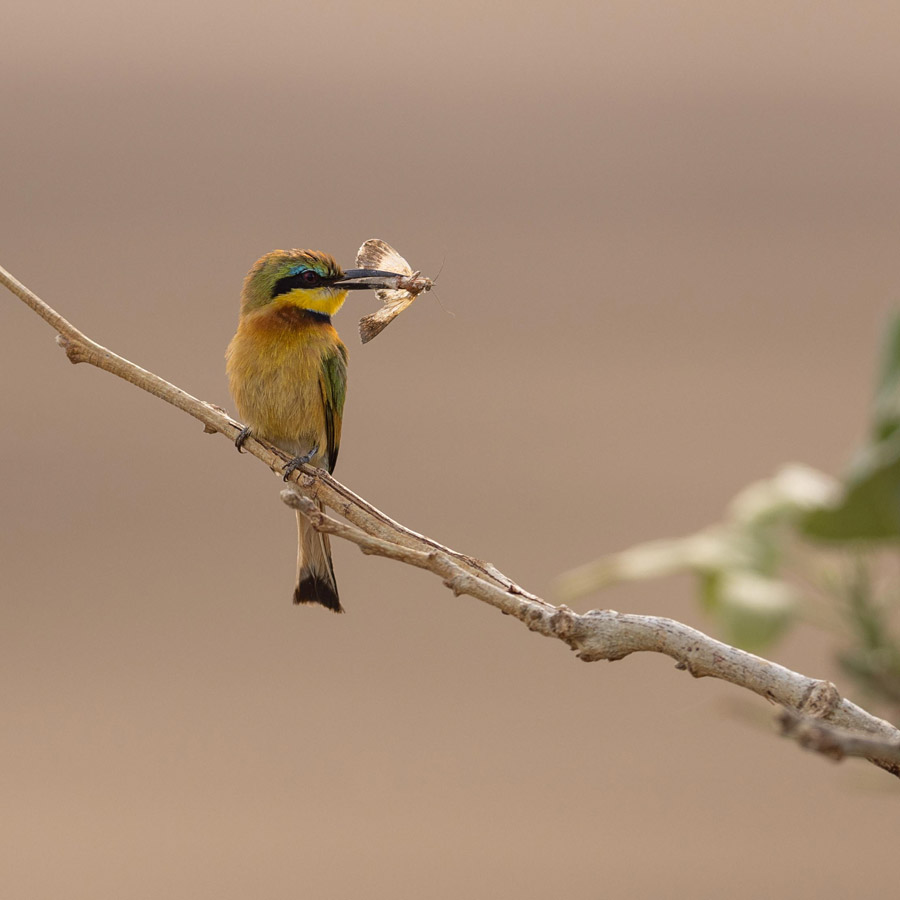
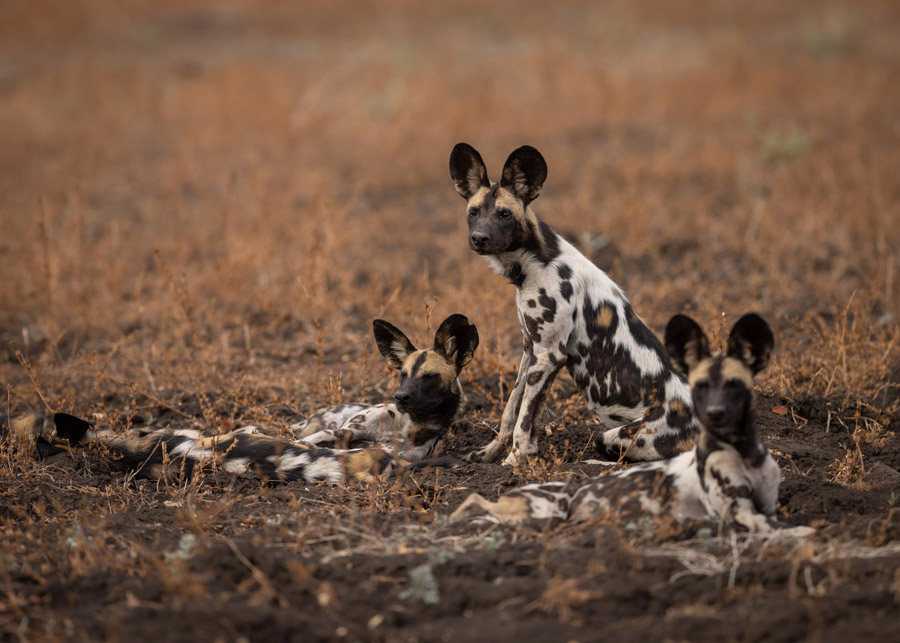
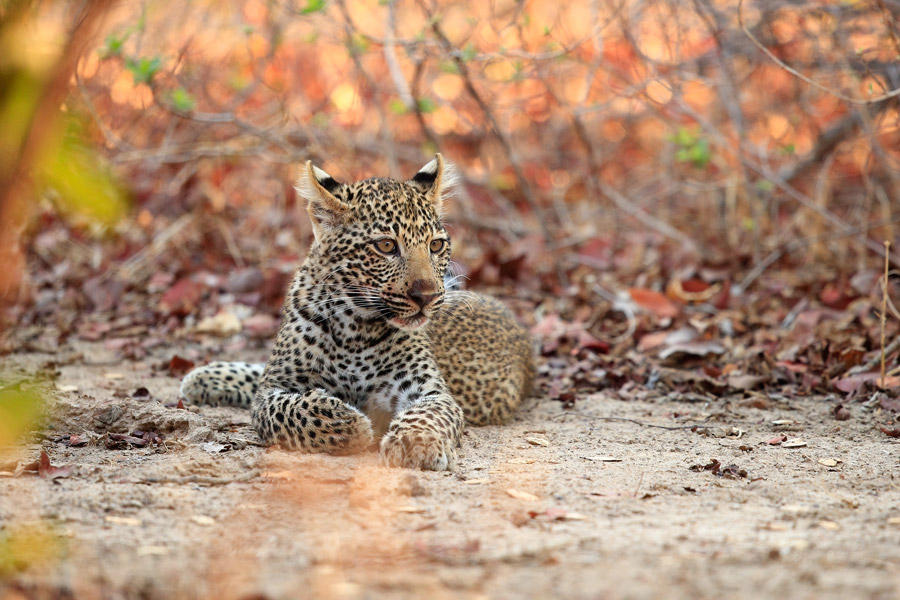
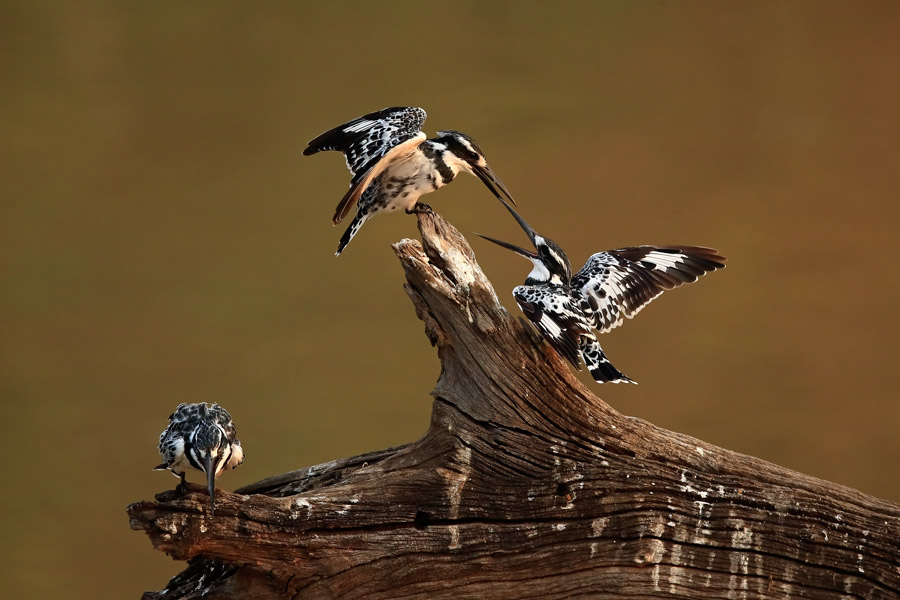
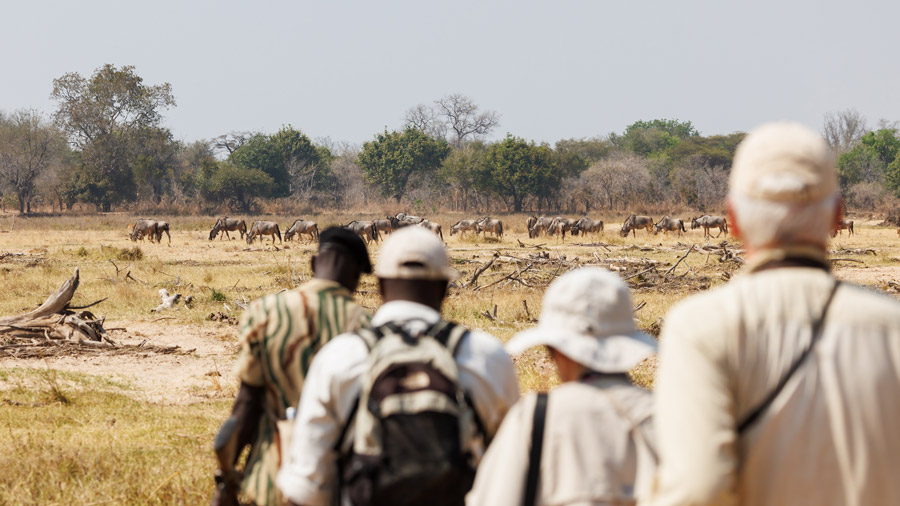
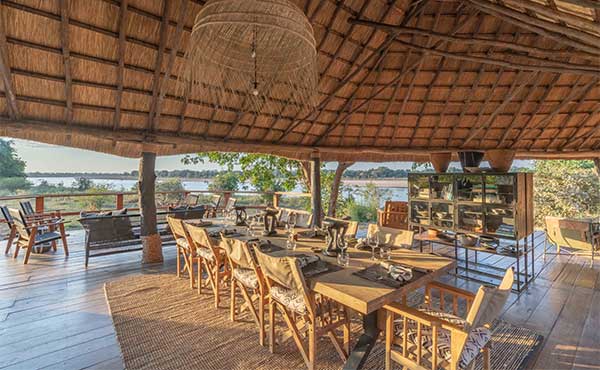
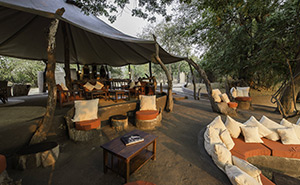
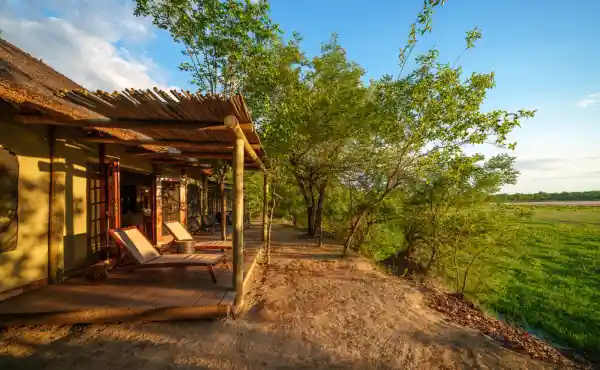
Waking to the dawn chorus with the resounding calls of the African fish eagle, the splendid song of white-browed robin-chats, the honking of Egyptian geese and the cackles of hammerkops, you head to the main area of the lodge for a wake-up coffee. Your guide provides a safety briefing and short overview of what to expect over the coming safaris before taking you out into the bush in a shared vehicle or on a walking safari if you prefer. During your chosen activities, they search for tracks and signs, identify species, interpret and explain behaviour, along with answering any questions you may have to enhance your understanding of this ecosystem and its residents.
The next two days are spent venturing into the wilds of South Luangwa in search of wildlife, examining the open plains, ebony forests and riverbanks for signs of movement, the flick of a tail, the flap of an ear, rustles in the trees, all indicators of a promising sighting.
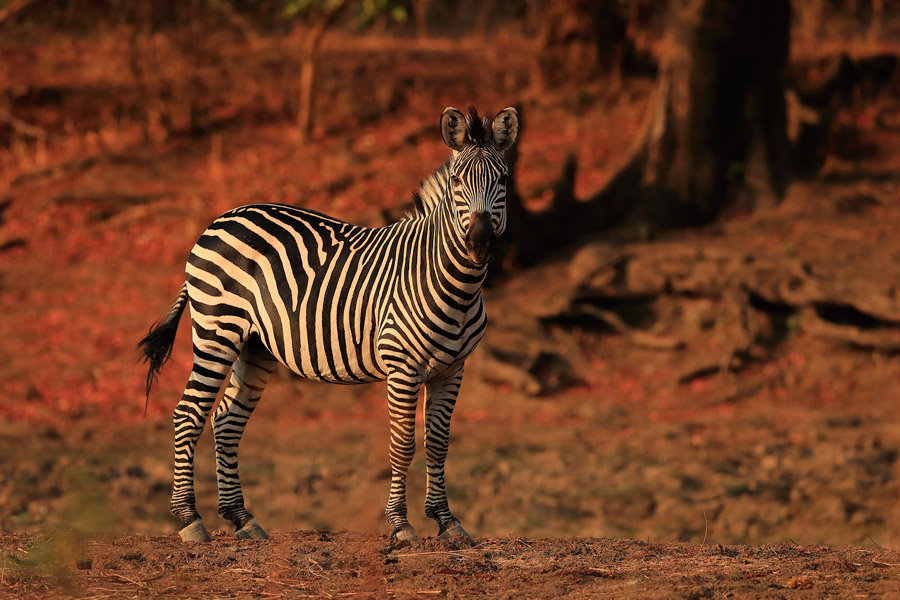
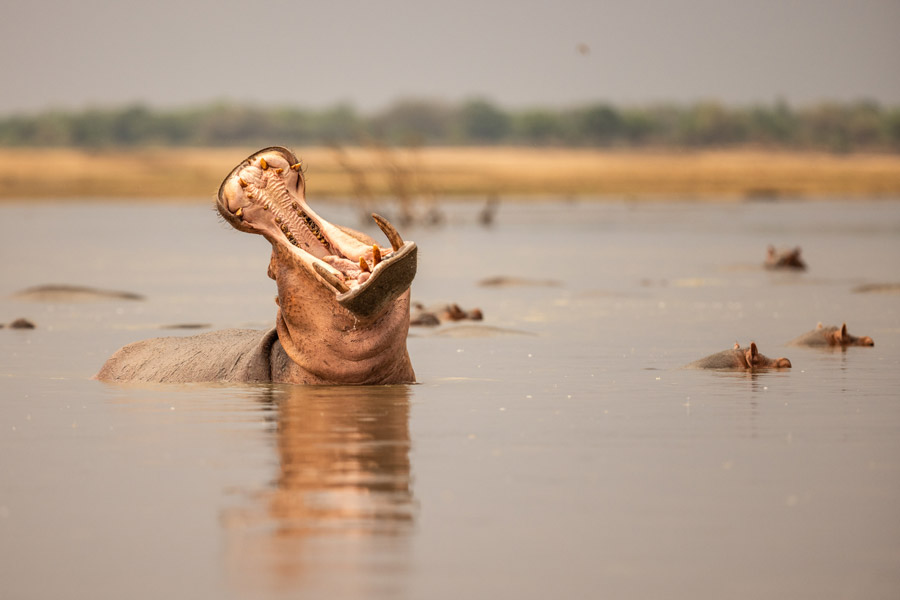
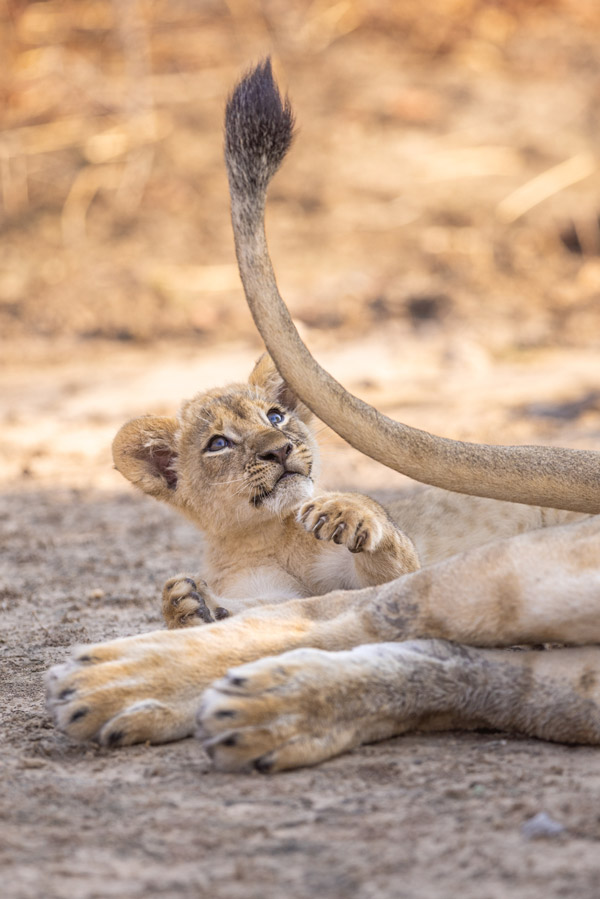
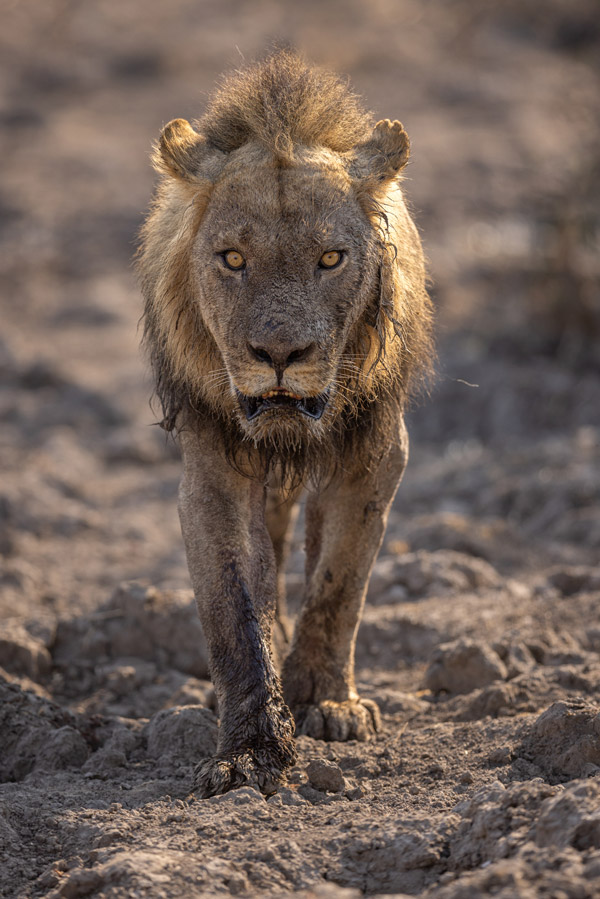
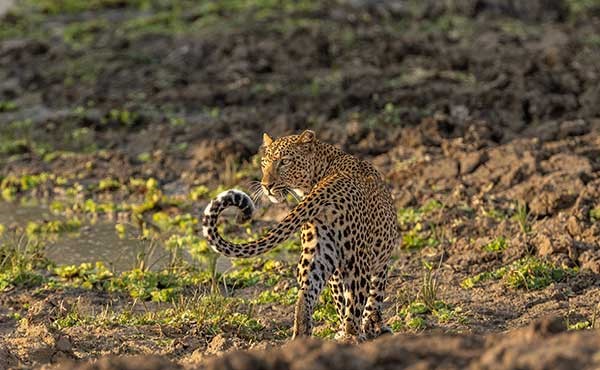
Early mornings are filled with activity as hippos return from a night of grazing to wallow in the waterways, protecting their sensitive skin from the harsh African sun, honey badgers retire to their burrows and owls to their tree hollows. Lions patrol their territory, waiting patiently for an opportunity to take advantage of an unsuspecting herd of buffalo, isolating vulnerable members of the group and utilising the strength of the pride to claim their next meal. Vocal zebras bathe in the dust, removing parasites as the warm soft tones of the day's new light illuminate the rising particles, providing beautiful photographic opportunities.
Midway through your morning activity, stop to appreciate the beauty of your surroundings with a tea or coffee on the banks of the Luangwa River, or perhaps take a perch in riparian woodland, before embarking on the journey back to camp for breakfast.
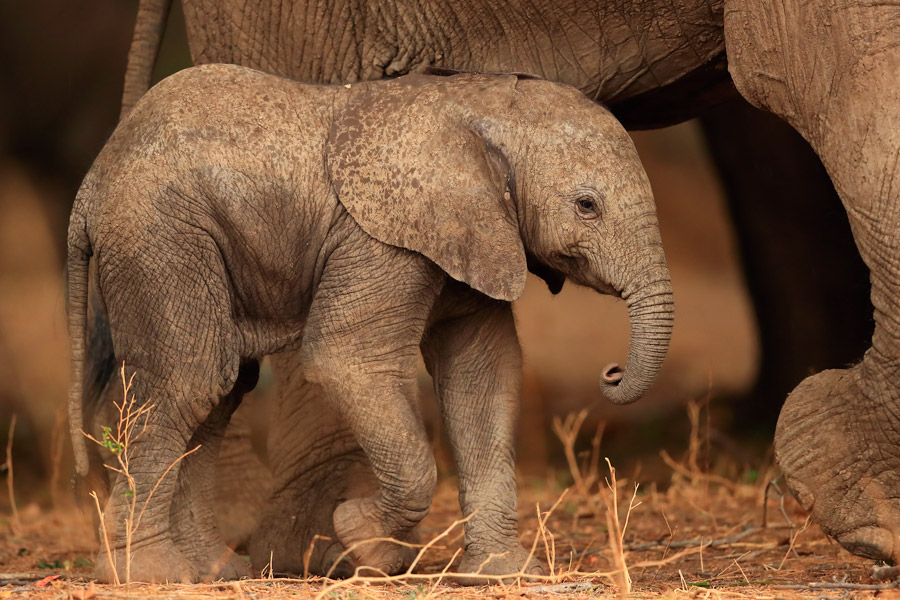
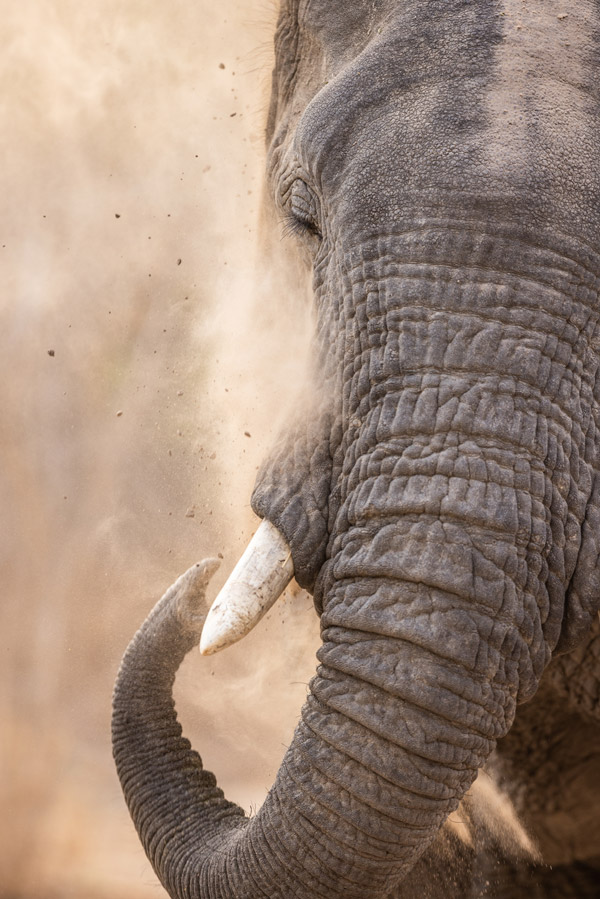
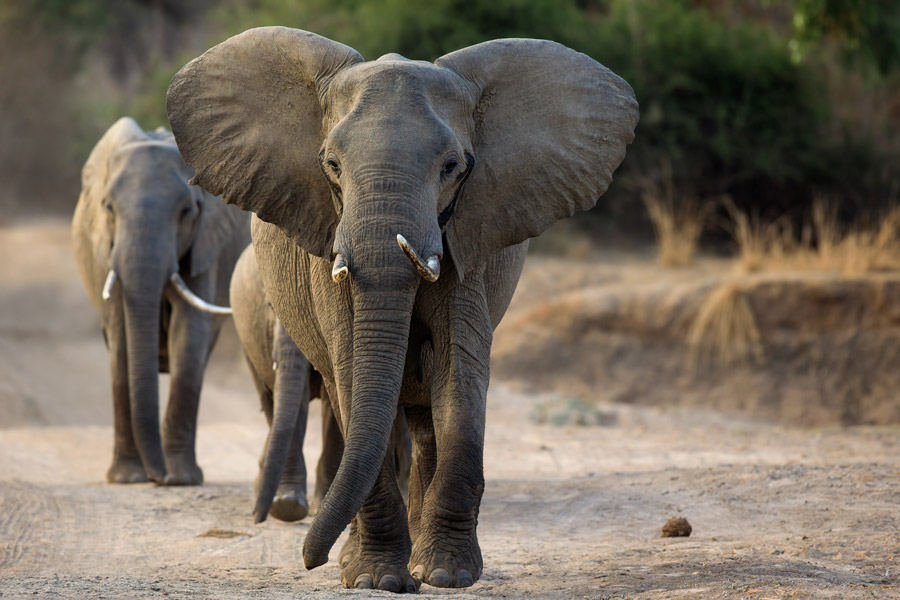
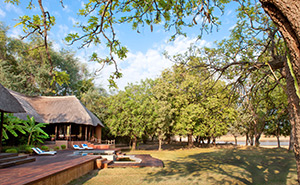
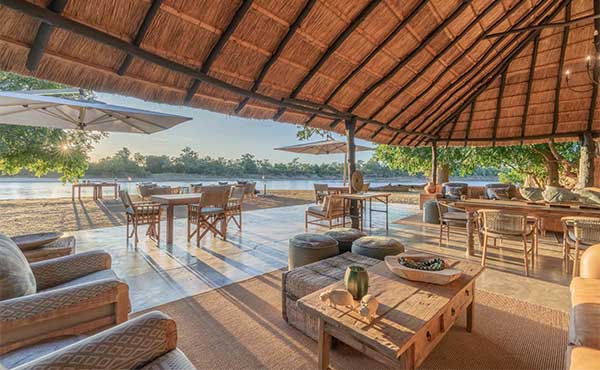
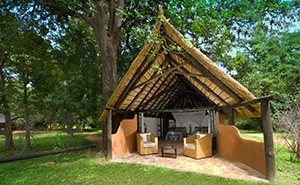
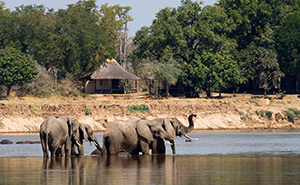
The middle of the day is often spent relaxing around camp with binoculars overlooking a riverbed or watering hole, with a good book curled up in a comfy corner, catching up on sleep between wildlife safaris or cooling off in the swimming pool. Cheeky vervet monkeys and baboons, seemingly always looking for trouble often hang around camp as they attempt to scavenge any leftovers from lunchtime and elephants keen to quench their thirst may stop by in their matriarchal family groups, with youngsters frolicking in the water as they practice mastering the thousands of muscles within their trunks.
As the late afternoon rolls around, you reconvene with your guide before heading out into the park again, looking for wildlife that may include the endemic Thornicroft’s giraffe. Perhaps you’ll be lucky enough to experience a spot of ‘necking’ whereby two males stand side by side, sizing each other up before swinging their heads into the other's flank as they look to establish dominance and mating rights. Saddle-billed storks are a regular sight as you pass water bodies, wading through the shallows as they hunt for fish, frogs and other amphibians.
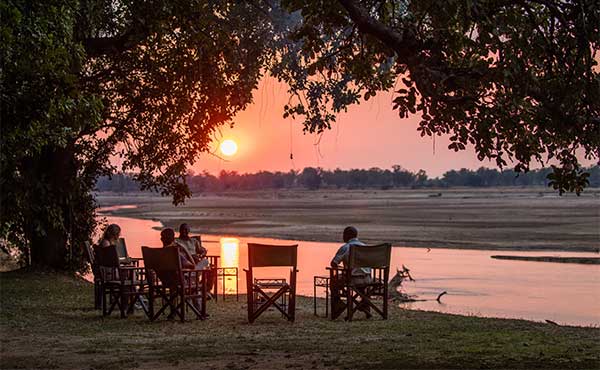
A bright orange glow fills the horizon as the sun begins to set, fading into soft pinks as you stop to enjoy the African tradition of a ‘sundowner’, which involves sipping a refreshing beverage as the sun sets over the Luangwa River. As you gaze across this mighty watercourse, you’ll almost certainly be treated to swathes of basking crocodiles on the adjacent beaches and huge pods of hippos, with many individuals becoming disgruntled later in the dry season as water becomes scarce.
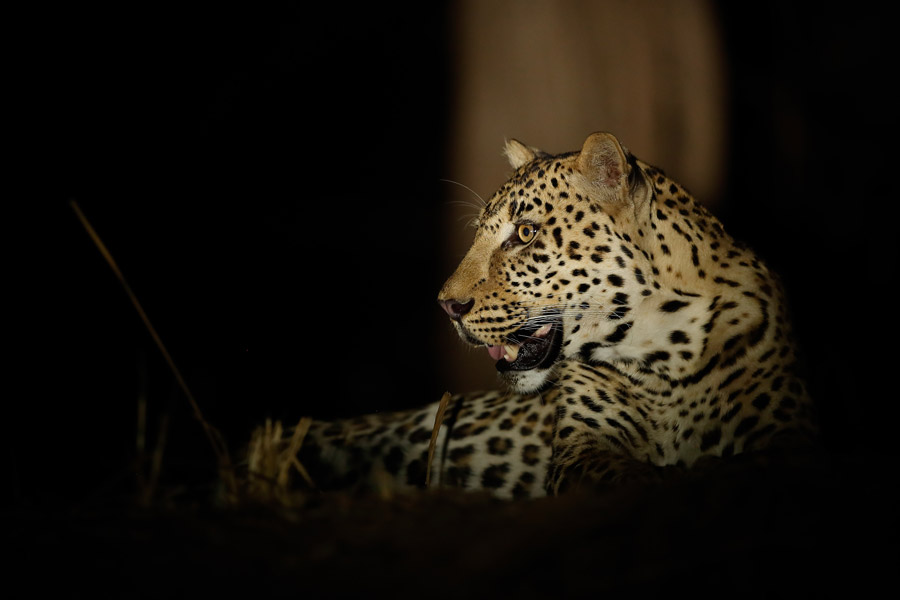
Following your sunset stop, you return to camp under the cover of darkness. Your guide will once again be in possession of a spotlight as you search for a myriad of nocturnal species such as African civet, large-spotted genet, porcupine and the elusive aardvark going about their nightly business. Numerous owl species emerge including the largest in Africa, Verreaux’s eagle owl, the tiny scops owl and the rare Pel’s fishing owl as they prepare for an evening of hunting small mammals or in the case of the Pel’s, fish and amphibians.
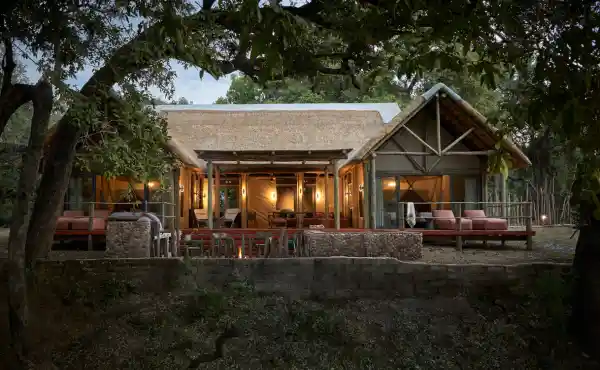
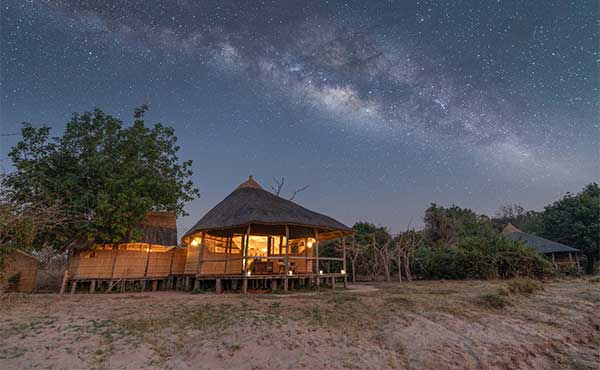
Upon returning to camp, you're treated to dinner before retiring to bed, ready for the safaris to come, listening to the sounds of the bush as you drift off to sleep.