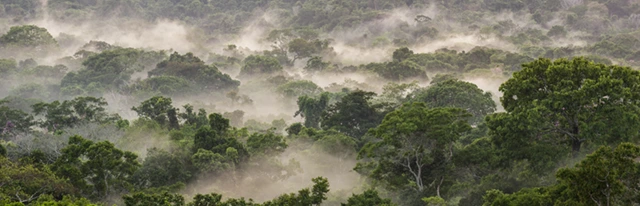
For wildlife enthusiasts the Amazon is simply the ‘greatest show on Earth’. Spanning eight South American countries and covering 5.5 million km², the world’s most famous rainforest is a region defined by superlatives. The Amazon basin encompasses the largest tropical forest, which also represents over half the total of all remaining rainforest. The Amazon biome also contains the highest biological diversity on the planet - with at least 10% of all known species calling this immense forest home.
 The region’s wildlife statistics are unparalleled - with a 2005 study indicating the Amazon Rainforest contained at least 40,000 plant species, 427 mammals, 1,294 birds, 378 reptiles, 428 amphibians and around 3,000 fish species. These plant and vertebrate figures are dwarfed by the sheer variety of invertebrates, with the region believed to house at least 2.5 million insect species.
 The region’s wealth of wildlife comprises not just quantity, but quality too. The forests play host to an array of iconic species - featuring everything from iconic apex predators like the jaguar, harpy eagle and river otter, to a vast array of monkeys, toucans and macaws. And let’s not forget the Amazon is also home to more than 40 million people, including over 350 indigenous groups and ethnic tribes, all of which depend on the forest for food, clothing and medicines.
 These myriad of species (including humans) all combine to play a crucial role in ensuring the delicate ecological balance of the rainforest is maintained in perpetuity. As all the plant, animal, fungi and invertebrates form complex webs, their interdependent relationships help regulate the climate and prevent soil erosion, while also purifying and recycling the region’s air and water. These ‘ecosystem services’ are considered nothing less than vital for the continued maintenance of life on Earth and are of course tirelessly provided by the rainforest free of charge.
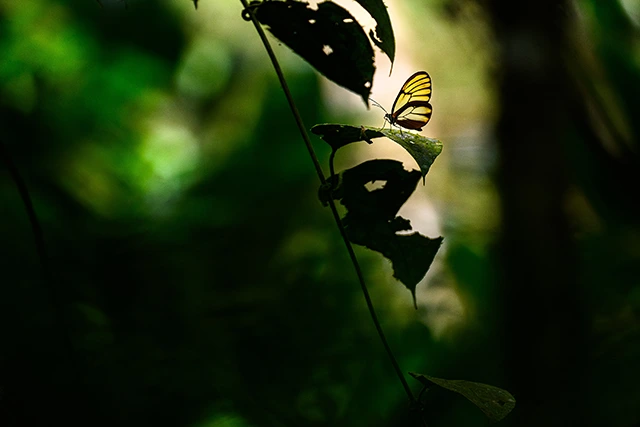 Key Amazon Rainforest Animals
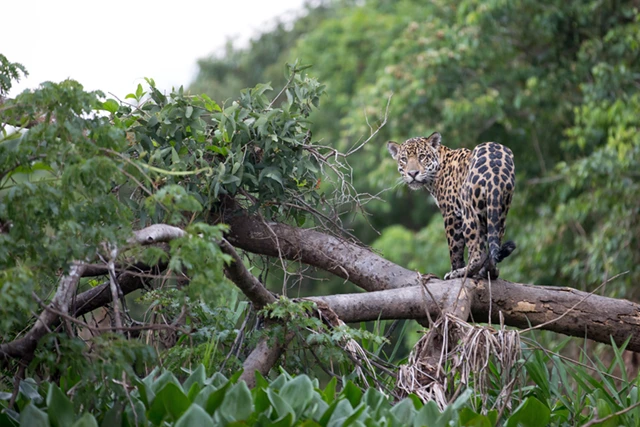
Jaguar
The largest cat in the Americas. While never easy to find in the forest, this Amazonian apex predator possesses an unusually large head and a stunning coat, marked with dark rosettes and spots. As happy in water as on land, their incredibly strong jaws enable them to bite through both a caiman’s skull and a turtle’s shell.
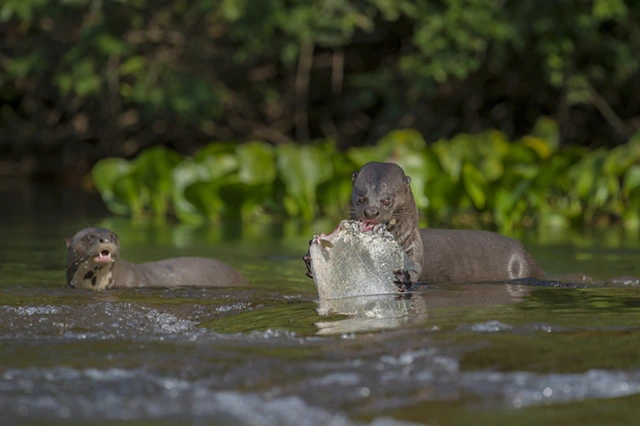
 Giant river otter
Habituating the lakes, rivers and creeks of the Amazon, the world’s largest otter can reach 1.8m in length. Sociable and gregarious by nature, their powerful tails, water-repellent fur and webbed feet help them chase down around 3kg of fish per day.
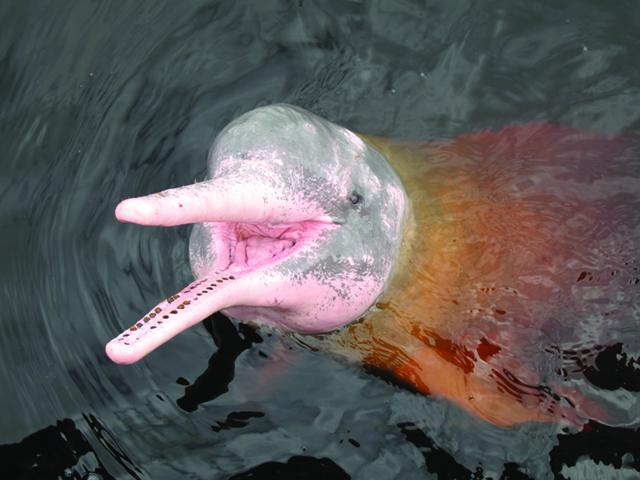
 Pink river dolphin
Found exclusively in Amazon’s rivers, lakes and flooded forests, this dolphin turns a brilliant pink colour on maturity. Fish, crabs and molluscs are located in the murky waters with the help of sonar, before being grasped by teeth positioned in the dolphin’s long, robust jaws.
 Capybara
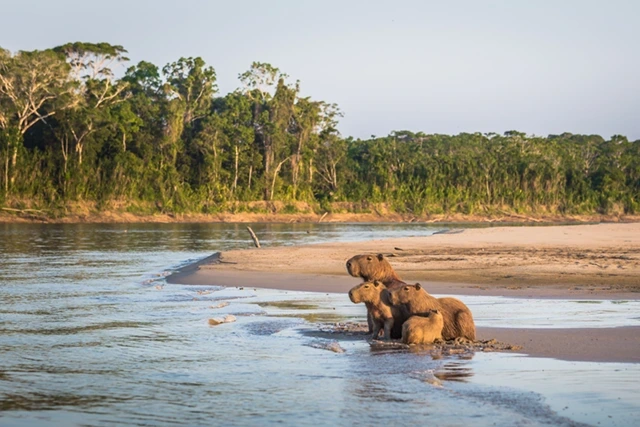
Twice the size of any other rodent, the capybara’s pig-shaped body is perfectly adapted for a life in and around water. Feeding on aquatic plants and grasses, capybara must remain constantly alert if they're to avoid being eaten by jaguar, caiman and anaconda.
 Sloths
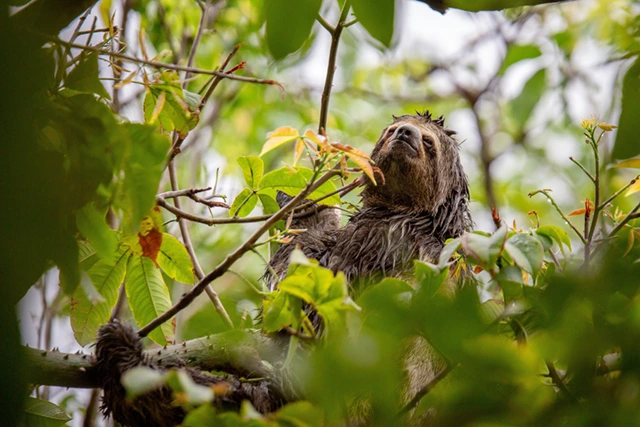
While six species of sloth can be found across the Amazon, this group is split into those with either three or two toes on their hind legs. Spending most of their lives in the canopy, a slow metabolism helps sloths conserve energy on their nutrient-poor duet. And when not eating, they spend up to 18 hours a day asleep.
 Howler monkeys
A common sight in the Amazon rainforest, howlers are large, arboreal primates with a diet primarily consisting of leaves, fruits and nuts. Sociable by nature, they're renowned for their astonishing territorial vocalisations, which are considered the loudest calls of any terrestrial vertebrate and can be heard from over 5km away.
 Spider monkeys
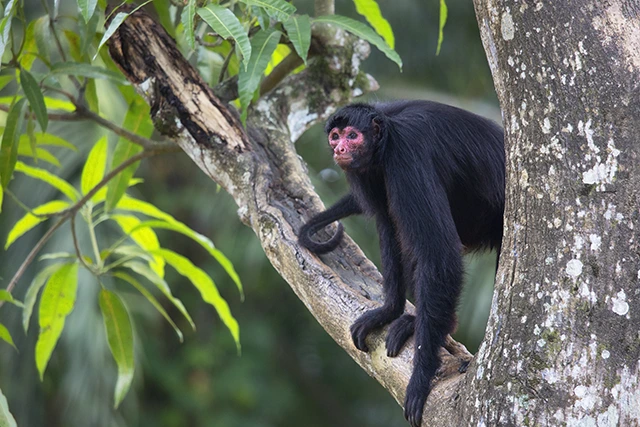
The largest of all New Word primates, the seven different species of spider monkeys obtain their name from their disproportionately long limbs and a prehensile tail. Moving effortlessly through the forest canopy in their perennial search for fruit, spider monkeys flourish in large tracts of undisturbed primary forest.
 Anteaters
While the giant anteater is rarely encountered in the Amazonian lowlands, the smaller and more arboreal tamanduas are more commonly encountered. Surviving on a diet of ants and termite, these solitary animals are mostly nocturnal and use their strong foreclose to both break into nests and defend themselves.
 Amazonian tapir
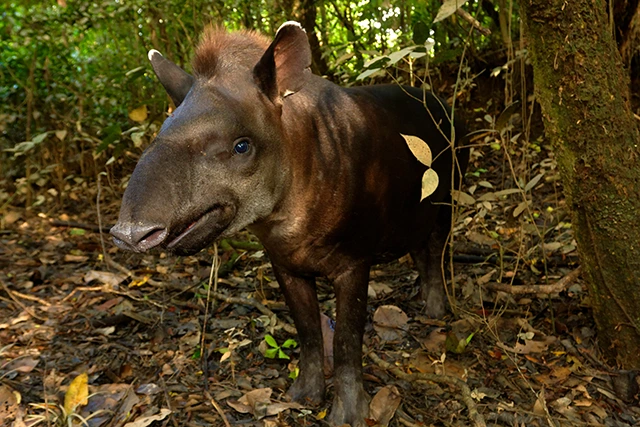
Reaching up to 250kg in weight these huge herbivores have been called the ‘gardeners of the forest’ due to their critical role in seed dispersal. Despite their size, tapir are shy, elusive, and mostly nocturnal, with salt licks providing your best opportunity to see these gentle giants in the wild.
 Macaws
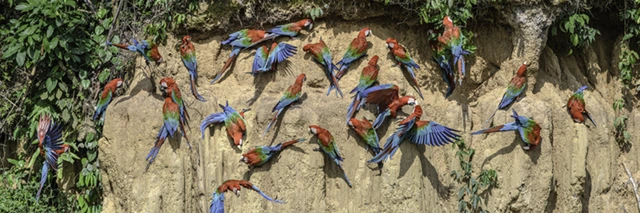
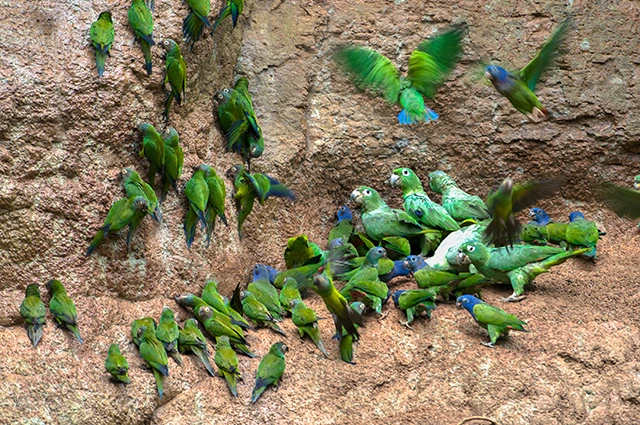
Large, loud and colourful, the macaws are undoubtedly the most flamboyant of all Amazonian birds. Sociable and gregarious, they're most commonly seen and heard when either flying between foraging areas or at clay licks. Monogamous by nature, these supremely intelligent parrots are known to live to at least 50 years of age in the wild.
 Toucans
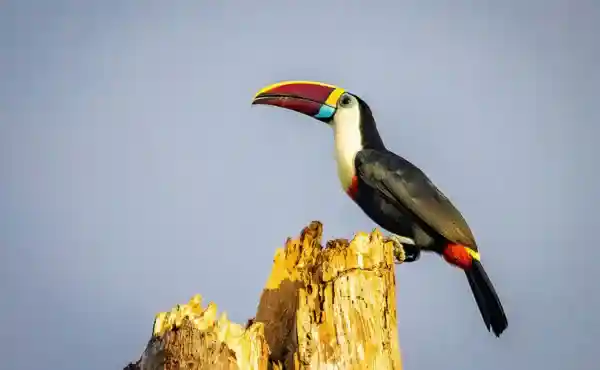
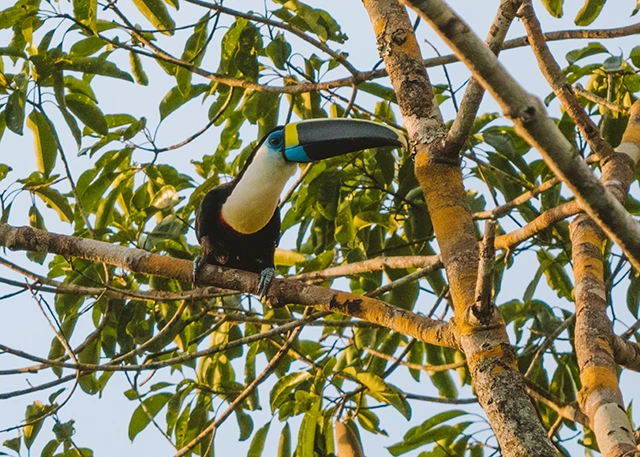
Considered iconic Amazonian birds, the toucans are immediately recognised by their colourful, oversized beaks and vibrant plumage. Frugivorous by nature, the toco and white-throated toucans are the largest, best known and most widely distributed species. However, smaller species can also be seen across the basin, including the medium-sized aracaris and diminutive toucanets.
Harpy eagle
The harpy is not only the largest raptor in the forest, but surely the most powerful eagle in the world. Found across large swathes of the Amazon, but always at low density, harpy eagle’ nests are commonly located in the canopies of emergent kapok trees. Producing a chick every two to four years, harpies feed on everything from sloths and monkeys, to armadillos and iguanas.

Hoatzin
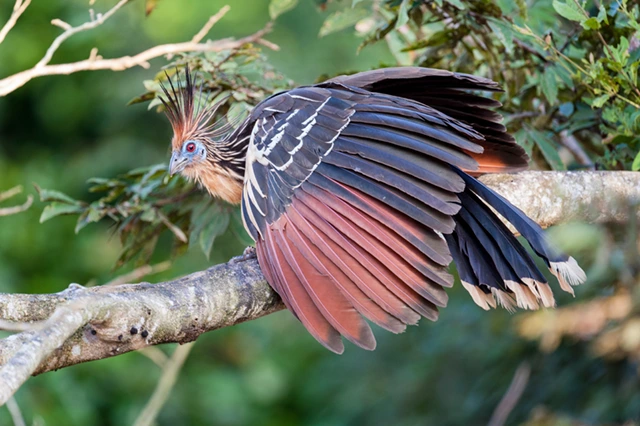
Commonly seen loafing around the Amazon’s lakes and creeks, the hoatzin is not considered closely related to any modern species of bird. Approaching a turkey in size, hoatzins survive on an entirely herbivorous diet, with a digestive tract capable of fermenting their vegetation, much like cows. Poor flyers, the young hatch with claws on their wings, which helps them both crawl around in the vegetation and haul themselves out of the water.
 Kingfishers
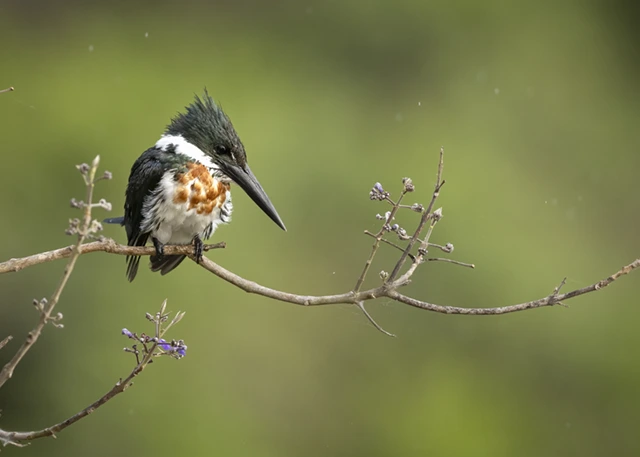
As waterbodies are virtually ubiquitous in the Amazon, it's not surprising that kingfishers are both numerous and diverse across the basin. Five species can commonly be seen in the Ecuadorian Amazon, for example, varying from the huge ringed kingfisher to the tiny American pygmy kingfisher. All species will, however, plunge into the water to catch their prey.
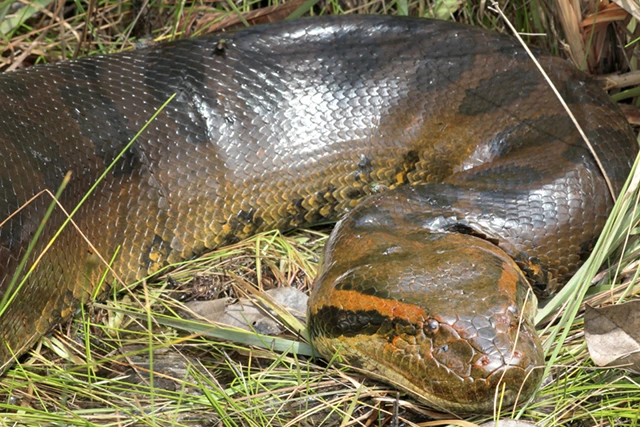
 Anaconda
Flourishing in and around water, the green anaconda holds the dual honours of being both the largest and heaviest snake in the world. Often adopting a ‘watch and wait’ strategy, anacondas then kill their prey by constriction. Capable of consuming everything from birds and reptiles, to peccaries and capybaras, even the largest prey is swallowed whole with the help of flexible jaws and ligaments.
 Watching Animals in the Amazon
Ironically for a location with such high levels of diversity, the Amazon forest’s inhabitants can be surprisingly elusive. Ask anyone who has spent time watching wildlife in the Amazon and undoubtedly one of their first assertions will be that ‘seeing things well can be surprisingly challenging’. This is primarily due to the majority of tropical forest species being firmly in the ‘shy and retiring’ category. Moreover, successfully spotting birds and mammals, for example, is often made even trickier given the dense nature of the forest’s foliage. However with both patience and a few tips and tricks up your sleeve, catching up with many of the Amazon’s iconic species is a distinct possibility, particularly if you travel as part of a group tour with an expert naturalist leader.
 Where to find Amazon Rainforest Fauna
Wildlife Worldwide offer a wide range of specially curated trips to four different and varied Amazonian countries:
An astonishing 60 per cent of the Amazon rainforest falls within the borders of the behemoth that's Brazil. Almost impossible to characterise in just a short summary, the Brazilian Amazon's vast rainforest is anything but uniform - comprising an incredibly complex ecosystem that encompasses dense forests, winding rivers, and flooded wetlands, which in turn supports millions of plant and animal species.
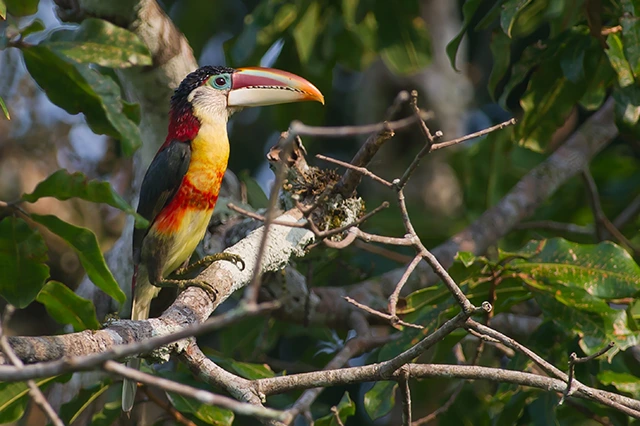
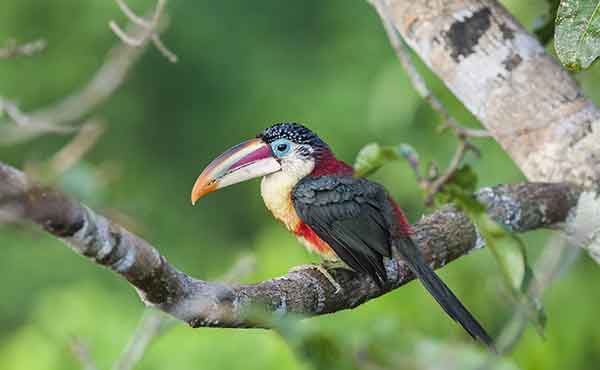
In our ‘Pantanal & Amazon Wildlife Extravaganza’, after hopefully linking up with jaguars in the Pantanal, we head to the fabulous Cristalino Eco-lodge, located within its very own private reserve. Here we take to boats, trails and two 50m towers in search of some of the 596 species of bird recorded within the reserve, such as the amazonian umbrellabird and curl-crested aracari.
While Ecuador contains only around 2 per cent of the entire Amazon basin within its borders, the western fringes of the forest are considered among the most biologically diverse across the entire continent. Commonly referred to as ‘Oriente’, the Ecuadorian Amazon comprises two huge reserves, Yasuní National Park and Cuyabeno Wildlife Reserve.
Located to the south of the Napo River and within the boundary of Yasuní National Park, Wildlife Worldwide have a well established connection with Napo Wildlife Centre. Situated on the shores of Lake Añangu, the lodge is owned and operated by the local Kichwa Añangu Community, and offers a stunning lodge, with the opportunity to enjoy, canoe tours, rainforest canopy sessions, clay licks and walks through the primary rainforest. Our Ecuador's Birds & Mammals tour, led by myself, includes a 5-day stay here, and it's possible to see up to ten different species of monkey, two different sloths, giant river otter, and a vast array of birds including macaws, toucans and motmots.
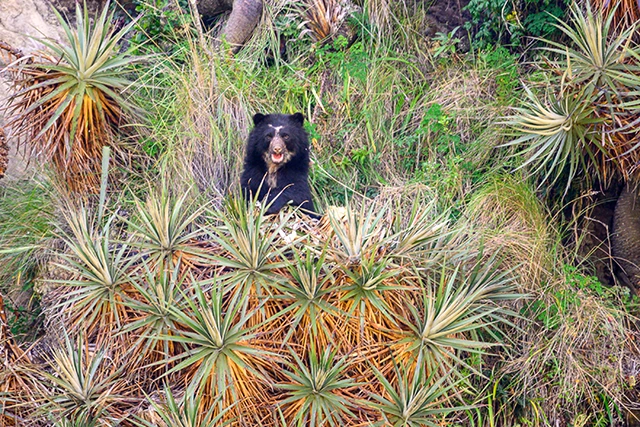
 This trip to the Amazon can be combined with a week in both the Ecuadorian cloud forest and paramo, where hummingbirds, tanagers and Andean cock-of-the-rock are waiting to be discovered in the forests, while the high-altitude grassland is a haven for both Andean (or spectacled) bear and Andean condor.
Peru contains the largest expanse of the Amazon after Brazil, with the forest covering around 60% per cent of the entire country. The biodiversity of the Peruvian Amazon is staggering, with Manu Biosphere Reserve and Tambopata National Reserve undoubtedly premium places to visit and additionally where ecotourism initiatives are best established.
 If you like to take photographs then we suggest you join us on an Amazon photography tour through Manu. Here under expert guidance from wildlife photographers Nick Garbutt and Alex Hyde you can learn the skills to photograph everything from macro subjects such as poison dart frogs, to the vibrant energy of a macaw clay-click. Stuffed full of iconic species, the Manu Wildlife Centre Lodge boasts the world’s largest tapir lick, two forest canopy platforms and oxbow lakes with hoatzins, caiman and giant river otters, plus the opportunity to catch up with the delightful emperor tamarin monkey.
Located on the northern coast of South America, Guyana boasts a rich and diverse wildlife, largely due to its vast rainforest, savannahs, wetlands, and river systems. As part of the Guiana Shield, Guyana additionally supports many rare and endemic species.
The country’s extensive rainforest provides a sanctuary for jaguar, giant anteater and capybara (the world's largest rodent), while birdlife is represented by marquee species like the harpy eagle, scarlet macaw and Guianan toucanet. Protected areas such as the Iwokrama Rainforest Reserve and Kaieteur National Park - with its spectacular waterfalls - help preserve this biodiversity, and are both sites we visit on our two tours to the country:- 'Guyana: A Pristine Wilderness’ and the ‘Ultimate Guyana Nature Experience’.
 The country’s low population density and minimal industrial development have drawn increasing interest from ecotourists and offer a glimpse into what is an outstanding destination, despite the fact that Guyana is still one of the least-visited nations in the world.
How to find Animals in the Amazon
In such a superficially intimidating environment it perhaps goes without saying that expert guidance is essential for maximising both your enjoyment and sightings during your stay. Fortunately Wildlife Worldwide has years of experience in compiling trips to some of the finest reserves and lodges across the Amazon basin, and by working with local organisations we also ensure that indigenous communities and the forests they protect benefit from any visit you make.
During your stay you can undertake a number of different activities, all designed to give you a variety of opportunities for observing different suites of animals in their natural habitat. These are summarised below.
By boat:
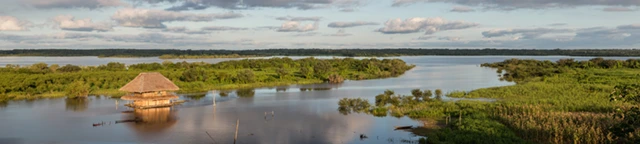
Taking to the water is one of the best, easiest and most relaxing ways to see a selection of Amazonian wildlife. This species rich biome of course not only encompasses the world’s greatest river - from which the forest derives its name - but also thousands of smaller tributaries, creeks, lakes and flooded forest.
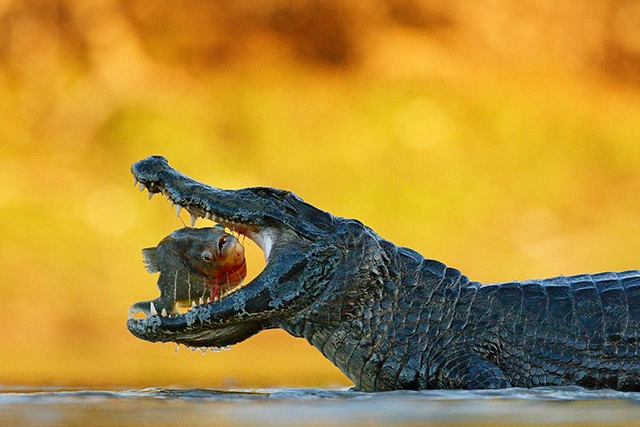
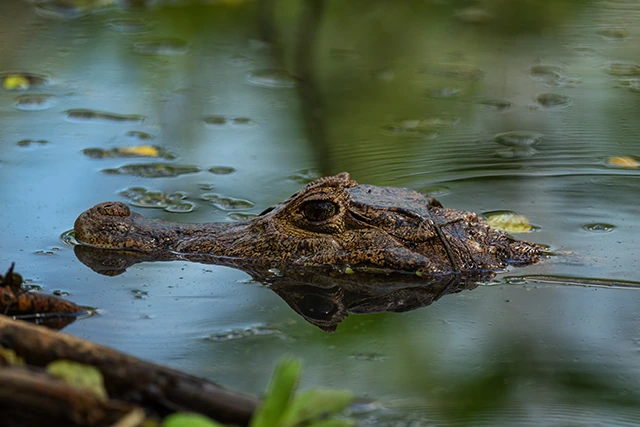
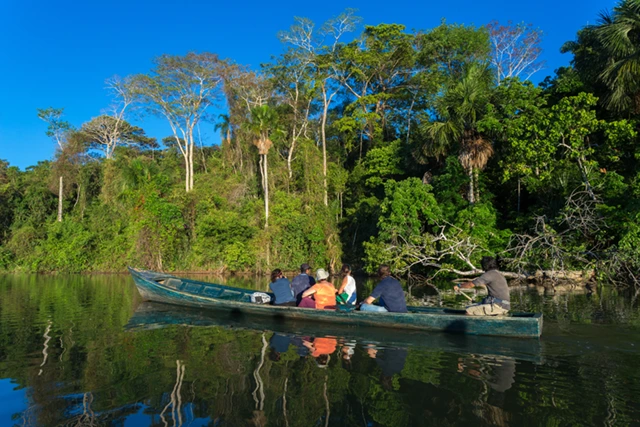 Paddle canoes are undoubtedly the finest way to explore the various waterways along the Amazon River. Not only is this mode of transport unobtrusive and virtually silent, but it should also allow for sightings at much closer quarters than you might otherwise expect. Species like black caiman, giant river otter and capybara are, for example, most easily viewed from canoes, while constantly scanning the bank-sides of lakes and creeks can often be rewarded with sightings of perching kingfishers and coiled-up green anacondas.
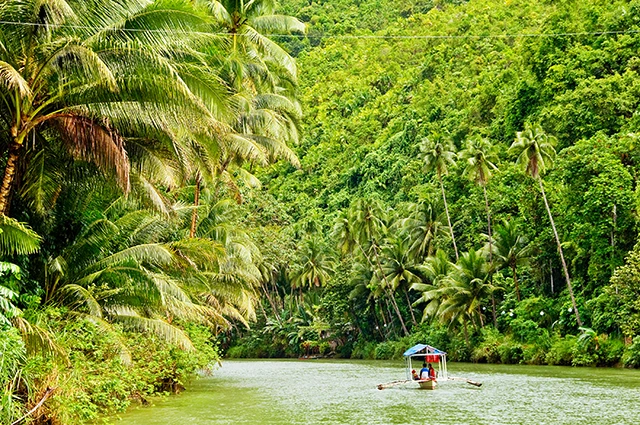 While the forest interior can sometimes feel dark and occasionally intimidating, this is not the case with the forests on either side of waterways, which feel more light and airy. Here a morning paddle with your guide may well reveal a troop of spider or howler monkeys basking in the warming sunshine, while water-side Cecropia trees may hold sleeping sloths. With often a clear and uninterrupted view of the sky from the boat, try paying attention to the airspace directly above you, as this may provide opportunities to spot any parrots and toucans undergoing their daily commutes from roosting areas to fruiting trees.
With the sun close to the equator frequently unrelenting, and being far more exposed than when in the forest, it's also important to bring both a hat and sunscreen during your time on the boat, And finally, you might be surrounded by water, but you should only drink that which you’ve brought with you on the excursion!
On foot:
Taking to trails is still the best way to experience the Amazon up close and personal, and most reserves and lodges will have an extensive network well-maintained paths for you to explore along with your guide. Many of the shyest and most sought after birds, such as the antbirds, tinamous and ground doves, can only be encountered by spending time inside high quality forest. Walking the trails will also represent your best opportunity for encounters with some of the Amazon’s most sought-after mammals, like anteaters and armadillos, while also keeping an eye out for everything from lizards to leaf-cutter ants.
Dawn and dusk are undoubtedly the best times for forest walks, as most birds and mammals will become less active during the heat of the day. When taking to the trails, walking slowly and quietly is most effective, as will cause far less disturbance. While scanning the surrounding vegetation, the key is to look for any movement. And once you do spot something, be aware that while some wildlife will freeze - hoping to rely on their camouflage to remain unseen - other species will flee at the first given opportunity. This means you need to be quick with either binoculars or camera, in order to get that all-important identification or a photo.
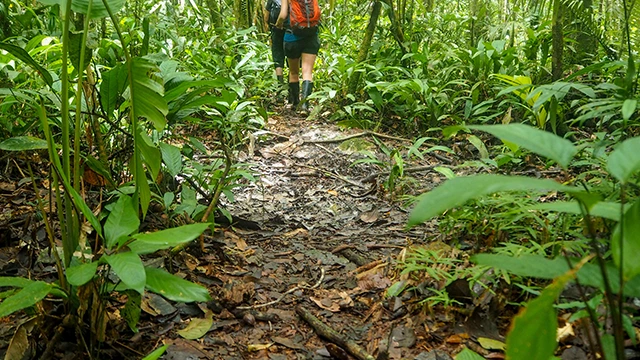 The other important sense to employ in the forest is your hearing, and by listening intently to any songs of birds or calls of frogs, this should then help when trying to pinpoint the creature’s precise location. Be also aware that many species are distinctly stratified within the forest, so be prepared to look everywhere - from the forest floor to the tree canopy. A key tip for those in a group is that when walking in single file along the trails, those near the front of the line will undoubtedly see more than those trailing at the rear. And finally be prepared for the unexpected … in such a biologically diverse environment anything can turn up, at any moment.
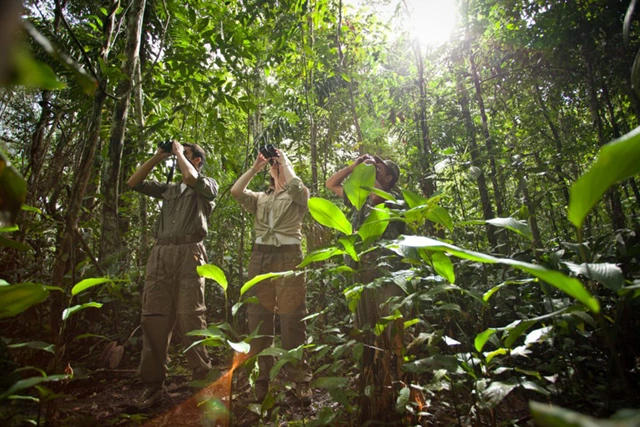 Image by Samuel Melim
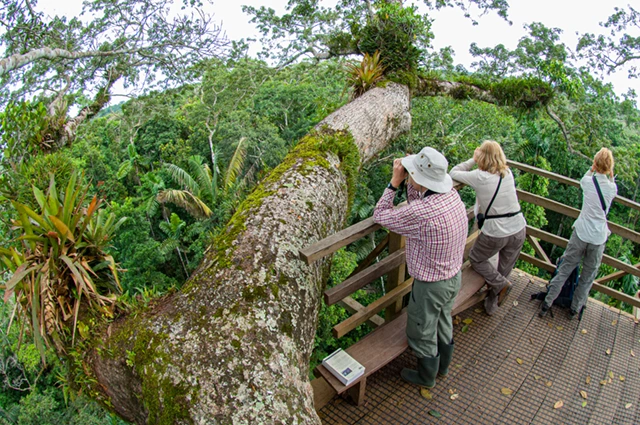
From a canopy tower or walkway
With much of the food in the Amazon (in the form of fruits, nuts and leaves) located up in the forest canopy, this also tends to be where a large proportion of the forest’s most charismatic wildlife spends most of its time. While walking the trails, any birds or mammals in the canopy can also be more difficult to see well - appearing little more than silhouettes at a distance of over 30m. Additionally, craning your neck upwards for long periods can be uncomfortable too.
This is where canopy towers and walkways come into their own as they offer unparalleled views across the ‘roof’ of the rainforest, enabling you to see the full kaleidoscope of colours of birds like macaws and contingas. Just like the forest floor has its own specialised cadre of species that keep both to terra firma and the shadows, there are also many species that spend most of their lives up in the canopy. Here it's possible to achieve wonderful views of other birds like toucans, woodpeckers and puffbirds, while the best photos of monkeys are often enjoyed both up in the canopy and at their eye-level.
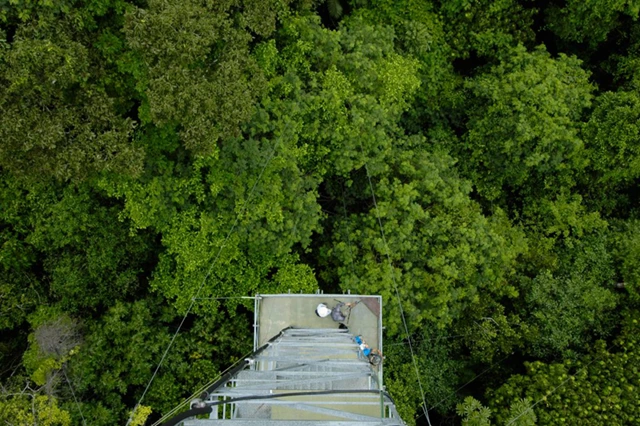 Image by Katia Kuwabara
Once again, the best time to look for canopy specialists is around dawn or dusk, and watching the sun rise from a canopy tower is something everyone should experience at least once. While most sightings tend to occur in the cooler early mornings and late afternoons, canopy towers and walkways can also be productive during the heat of the day too, as the thermals created by the sun will also see raptors and vultures taking to the air above the forest.
 At night
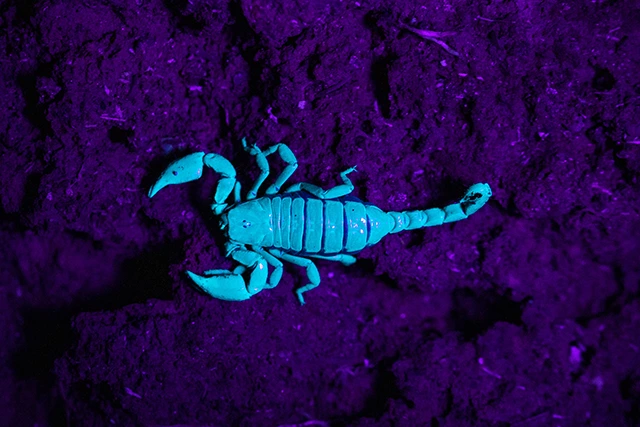
Most lodges offer at least one night walk during your stay and this is an opportunity that should be seized with both hands. Here, a good head or hand-held torch is an essential prerequisite, and will not only illuminate the path ahead of you, but also shine a light on any wildlife which have been hiding away during the day.
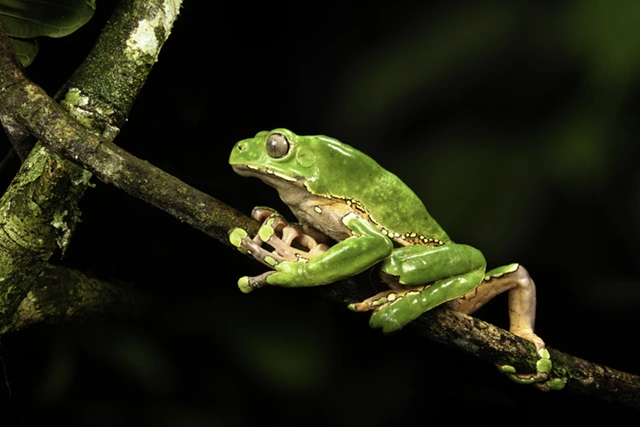 Birds like owls and pottos and marsupials like oppossums, are much more active at night, and for those keen on reptiles and amphibians, this will be your main opportunity to catch up with everything from vine snakes to poison dart frogs.
In essence, the Amazon rainforest and its iconic, mercurial inhabitants are all part of an extremely complex biome that one only ever learns about slowly and little by little … And that of course is a huge part of its allure and charm.
Experience the Amazon's wildlife for yourself and join one of our expert-led Amazon rainforest holidays and witness the incredible animals of the Amazon rainforest in their natural habitat. Contact us today to book or chat with a wildlife consultant about planning your perfect jungle adventure to South America!