For those keen to keep their travel to a minimum, while ensuring their wildlife encounters still verge on the 'maximum’, Britain’s green and pleasant land can pack an unexpectedly powerful punch when it comes to delivering dramatic landscapes, enthralling habitats, fabulous fauna and exciting wildlife. And the beauty of watching wildlife just beyond your doorstep is that you can make your trip ‘small but perfectly formed’. So if you fancy a credit-crunching, carbon-busting break, that offers to deliver anything from red deer rutting and otters fishing, to seabird spectacles and startling murmurations, then read on!
 Wildlife Worldwide’s extensive list of domestic trips has been especially curated to enable you explore an array of the UK's finest wildlife hotspots - from the Somerset Levels and the Norfolk Broads, to the Isles of Mull and Shetland. And with wildlife holidays and photography trips now running virtually every month of the year, there has never been a better time to reconnect with the very Best of British.
Winter
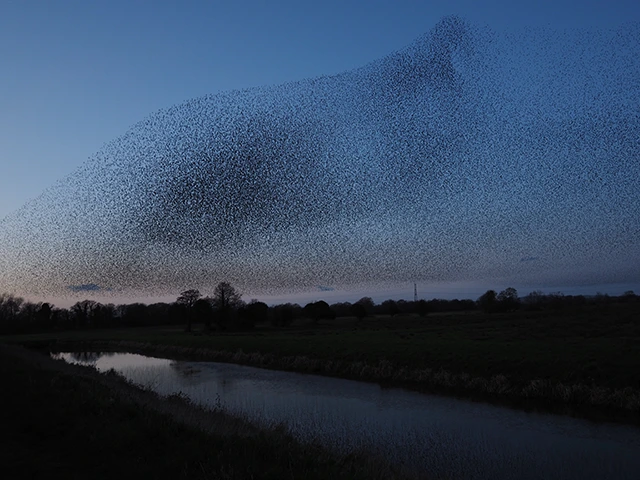
Kicking off your domestic wildlife-watching year, what better way than commencing with Europe’s largest starling murmuration? In addition to watching the mesmeric spectacle of three-quarters of a million starlings descending to roost, the Somerset Levels are full to the brim with wildfowl and waders in January, while cattle, little and great white egret are all distinctly possible in the self-proclaimed ‘Heron Capital of Britain’.
 With winter still maintaining its icy grip, it’s hard to beat Norfolk in February. Here, raptor roosts offer the chance to double up on harriers, while winter grebes and sea ducks vie for your attention just offshore. In late winter, the extensive coastline holds a vast array of waders, snow-buntings and even shorelarks. And you’ll need to keep an ear out for geese too, all in the fabulous company of expert Naturalist Nick Acheson.
Spring
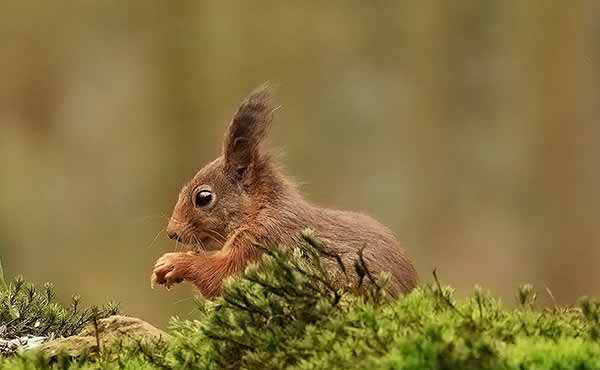
Come springtime and you’re suddenly spoilt for choice with wildlife tours. Up in the Scottish Highlands, for example, March is a fine time to immerse yourself in a wonderful range of Caledonian wildlife if you can spare a week to fully appreciate everything on offer. The region’s ancient forests hold crested tit, crossbill and red squirrels, while in the airspace above the Monadhliaths, birders will be aiming for a ‘double eagle day’ featuring both ‘goldies and white-tails’. And let’s not forget the Moray Coast, where patience can be rewarded with sightings of divers, scoters, sea duck and even bottlenose dolphins.
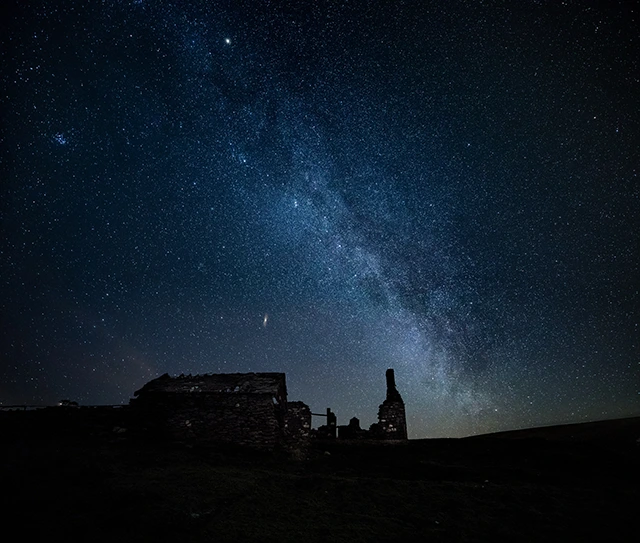
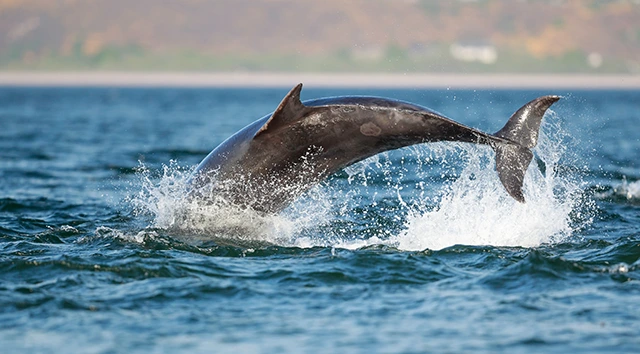 In the words of William Shakespeare ‘April hath put a spirit of youth in everything’, and the Elan Valley of Wales, is a spectacular place in which to enjoy this month of renewal. Under the expert guidance of award-winning photographer Sean Weekly, on our Red Kite & Night Sky Photographic Workshop you have the opportunity to catch a couple of Wales’ most iconic animals: red kites and bottlenose dolphins. Here too, the dark night skies of Powys present the perfect place to hone the fine art of astro-photography.
 Meanwhile the Forest of Dean and Wye Valley demand your attention during the month of May. Here, and with luck, the western trio of wood warbler, pied flycatcher and redstart at dawn, and wild boar at dusk, will top-and-tail an extraordinary day’s watching in the forest. Spring in ‘The Dean’ is also the perfect time and place to listen out for nightingales, while in the nearby Wye Valley it will be eyes to the skies as you look out for raptors with your tour leader peregrine expert and Naturalist Ed Drewitt.
If it's sheer diversity of spring that appeals then England’s south coast offers a breathtaking range of wildlife across its heathlands, woodlands, grasslands and coasts. May is surely the best time to search for reptiles, with Dorset’s heathland unparalleled in offering the opportunity to catch up with smooth snake and sand lizard, while Poole Harbour and Brownsea Island offer eagles, ospreys and red squirrels. Both the New Forest and Salisbury Plain are also included on this 8-day ‘Tour of the South’, as we search for firecrests and hawfinch in the trees, while great bustards and stone curlews haunt the plains. Although technically not a short break, it's an action-packed, unique getaway.
Summer
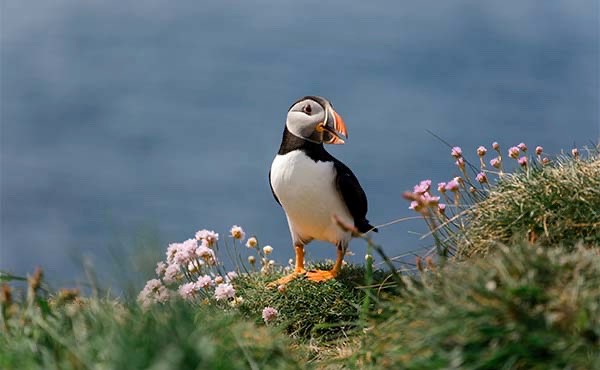
As spring slips inexorably towards summer, take your pick of north, south, east or west as there are suddenly more trips on offer than you can shake a stick at. While the reedbeds of Norfolk, Suffolk and Somerset now offer booming bitterns, cuckoos, cranes and bucketloads of warblers, for seabird spectacles you’ll need to head to our wild Isles. Skomer (visited on our Wild Pembrokeshire trip), the Farnes, Mull, Skye and Shetland, for example, are simply world-class for everything from puffins and petrels, to guillemots and gannets.
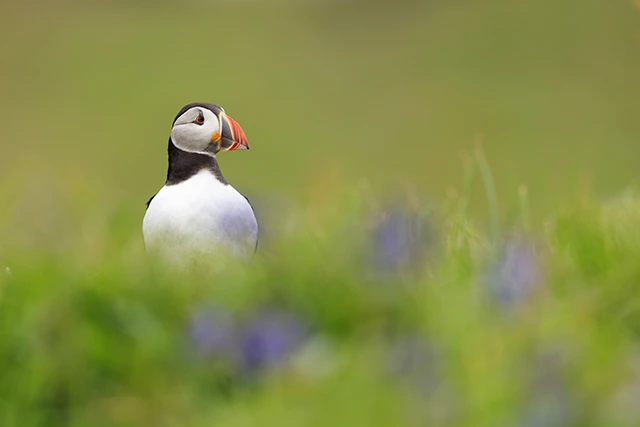
Dubbed the 'Galapagos of the North’, the Farne Islands are world renowned for the ultimate immersive wildlife experience, that entails visitors carefully tip-toeing past eider nests, while simultaneously avoiding dive-bombing arctic terns. But if your aim is the picture-perfect puffin portrait, then surely ‘west is best’, with the Treshnish Isles, as part of a longer trip to Mull, ticking all the photographic boxes.
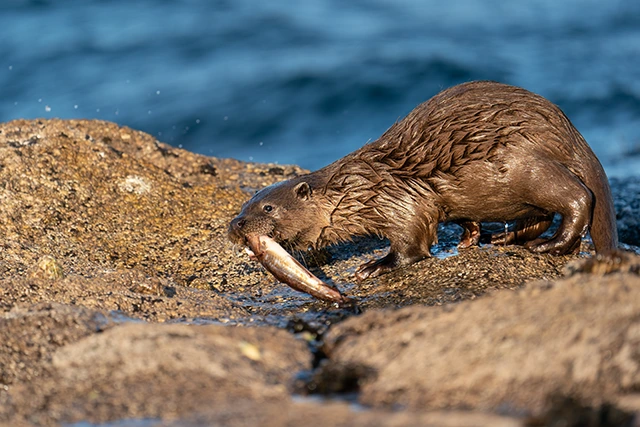
 But should you really wish to push the boat out, while still remaining in the UK of course, then why not consider a week venturing to the Outer Hebrides or Shetland? The wild Western isles not only offer otters and eagles, but also host a healthy breeding population of hen harriers, short-eared owls and corncrake. And closer to the Arctic Circle than London, Shetland is a bucket-list destination for any self-confessed thalassophile. Here you can find breeding red-necked phalaropes and great skuas by day and storm petrels by night, with this archipelago also offering you the best opportunity of the ultimate marine experience - that of an orca in British waters.
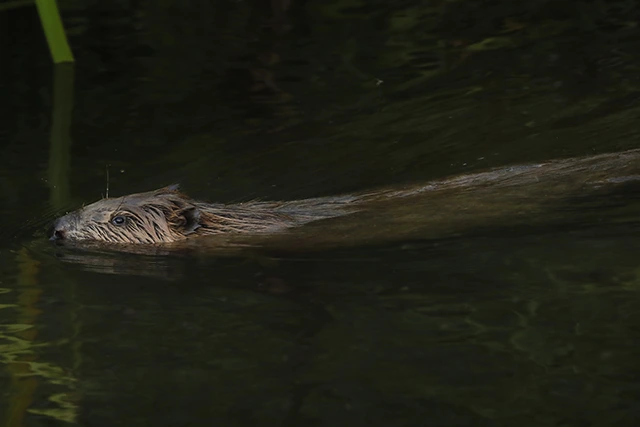
Slipping into high summer, July should see the action heating up down south as well. Devon is a county of contrasts, offering everything from its delightful southern coastline, dubbed ‘the English Riviera’, to the rugged tors on Dartmoor. And in this high summer break, I’ll be taking a group to search for for rare butterflies and buntings by day, while dusk is bonafide beaver-time.
 Autumn
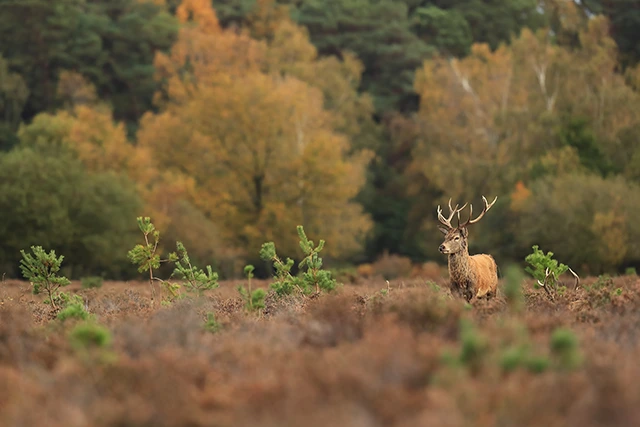
As the days shorten, nights lengthen and ‘the season of mists and mellow fruitfulness’ descends upon us, wildlife lovers will always welcome autumn with open arms. In the Scottish Highlands and the New Forest, red and fallow deer ruts reach a crescendo in October. Set against a backdrop of gorgeous autumn colour, there are plenty of opportunities at both these locations to photograph these magnificent beasts strutting their stuff, while overhead, overwintering geese and swans will be heading to the Moray Coast, Northumberland and Lancashire.
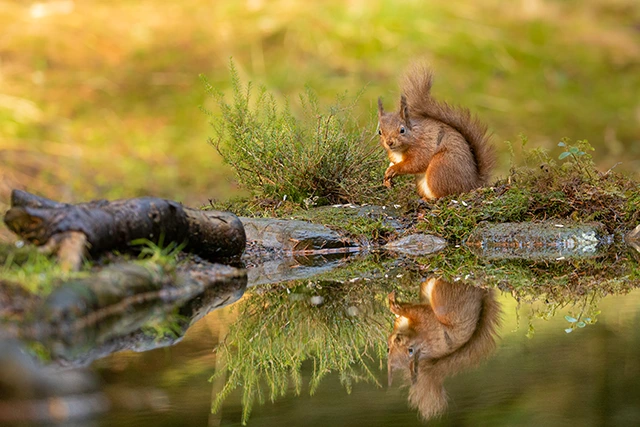
 Autumn on the Lancashire coast is particularly special, as simply huge numbers of pink-footed geese descend to reserves like WWT Martin Mere from their Icelandic breeding grounds. With whooper swans and Bewick’s swans freshly arrived from Iceland and the Russian tundra respectively, these hardy winter visitors should also give you the opportunity to test your swan identification skills. However, if you prefer fur to feathers and a camera to binoculars, then why not consider an autumnal break across the Pennines? Here the Yorkshire Dales are a great place to photograph red squirrels under the expert tutelage of Kevin Morgans.
 By now the winter nights should be drawing in, so it would be churlish not to give you some wildlife-free time to enjoy the many delights of the festive season. But come January and the start of another wildlife-watching year, then dare we suggest there could be no finer New Year's resolution than promising to spend more time exploring Britain’s staggeringly varied and hugely underrated wild delights?!
View all our wildlife holidays to the UK, or for more inspiration, browse our tour calendar or use our holiday search tool. If you'd like to travel with Mike Dilger, we have options in both the UK and across the world. Contact our team to plan your perfect wildlife break.