With arguably the most passionate birders and the highest percentage of the population interested in birds, Britain and the United Kingdom is undoubtedly the first place that many will begin their birding journey.
Added to this well of knowledge is the fact that the UK also has an astonishing array of habitats, that translates into a surprisingly diverse avifauna capable of punching well above its weight for what can be considered (in a biogeographical sense) little more than a small set of temperate islands located just across the water from continental Europe.
At Wildlife Worldwide we like to think we have virtually all the UK’s main habitats and key species covered, with a number of locations visited on more than one occasion, depending on the season.
Continue reading to see our top recommendations.
England
Starting in southern England, the South Coast Extravaganza takes in the very best of the spring birding across the counties of Dorset, Hampshire and Wiltshire. Covering coastal, estuarine, woodland, heathland and grassland habitats, this trip aims to catch up with everything from ospreys to Dartford warblers and firecrests to great bustards.
 Heading west, the long summers days in Devon are the perfect time to explore the county’s convoluted coast for cirl buntings and seabirds. And with Dartmoor close at hand, the bird focus in these southern uplands quickly changes to that of dipper, redstart and whinchat.
 Zigzagging back to Somerset, the county’s Levels are one of Britain’s great conservation success stories. In spring, reserves like RSPB Ham Wall are home not only to around ten species of warbler, but these woody and reedy wetlands also abound with cuckoos, bitterns, harriers and egrets. However, come winter, the Levels are suddenly transformed into a magnet for wildfowl and waders from across the Northern Hemisphere, as the reedbeds at dusk providing overnight lodgings’ to the largest starling roost in Northern Europe.
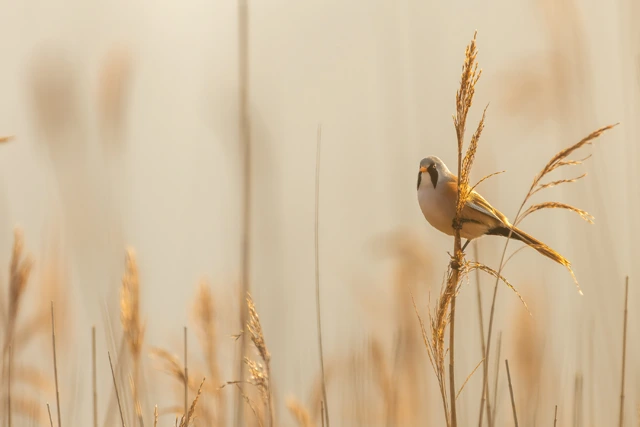
 Crossing the breadth of mainland UK, the eastern counties of Norfolk and Suffolk have long been hailed as birding meccas. Suffolk’s coastal reedbeds, at reserves like RSPB Minsmere, hold breeding populations of sought-after species like avocet and bearded tit, while the adjacent heathlands provide habitat for woodlark and stone curlew.
 Meanwhile, Norfolk’s vaunted coastline can hold interest for birders throughout any season. In winter raptors come to the fore, with both harrier species, barn owl and merlin distinctly possible, while the dunes and beaches can hold shorelark and snow bunting. In summer the emphasis changes to the reedbed specialists, while late summer plays host to migrating waders, with the highlight surely the gathering of red knot at RSPB Snettisham.
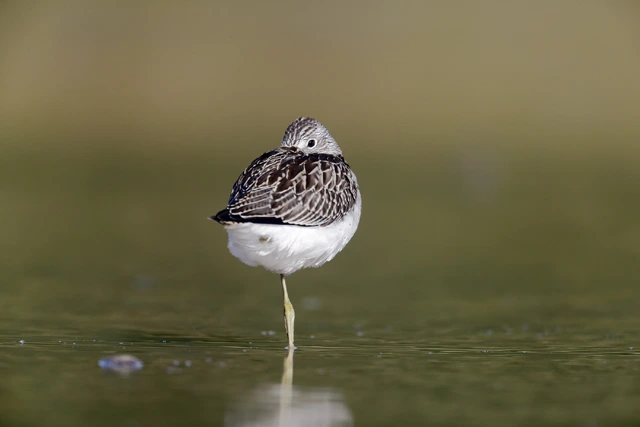
 Heading north to Lancashire, Morecambe Bay and nearby Leighton Moss hold a heady mix of desirable species. Here the expansive estuarine habitat is a crucial stop-off point for innumerable waders, such as greenshank and black-tailed godwit, heading north to breed, while just inland the reedbeds are the place to listen for the distinctive ‘pinging’ call of bearded tits.
 As a delightful contrast over on England’s north-east coast, the Farne Islands surely represent one of the best days birding you can possibly have in the UK. Dubbed the 'Galapagos of the North’, a trip here can you have you tip-toeing past eider nests, while simultaneously dodging the dive-bombing arctic terns! Alternatively, an autumnal visit sees you welcoming the arrival of tens of thousands of ducks, geese and wading birds as they reach the Northumberland coast from breeding grounds across the North Sea and beyond.
 Scotland
Crossing the border into Scotland, Wildlife Worldwide have the Highlands and Islands pretty much covered with a wonderfully extensive range of trips offering bird species that are considered anywhere from rare to non-existent further south. Islay in late winter is a wonderful place to start, with breathtaking flocks of geese doing their best to feed up before departing north, while avoiding the attentions of the resident eagles. This is also the place to catch up with charismatic ‘Celtic crow’, otherwise known as the chough.
 The dramatic islands of Mull and Skye to the north are simply the best places to spot both British eagles, while the island’s coastal waters are outstanding for auks, skuas and gannets. However if you fancy going a step further then the Outer Hebrides are a tempting option. In addition to eagles being commonplace, this stunning archipelago of lochans, moorland and beaches offers an unparalleled opportunity to catch up with a plethora of short-eared owls and hen harriers. But good luck spotting the islands’ super-secretive corncrakes, though!
 Moving inland, Speyside, in the heart of the Scottish Highlands offers an unbeatable range of Caledonian wildlife. Here the forests, mountains, moorland, coasts and estuaries should put you in the best location to track down everything from crested tits and crossbills to sea ducks and Slavonian grebes. Surely one of the most diverse birding trips on offer in the UK, we fully expect to top a hundred different species in a week of non-stop birding.
 And finally if you fancy the ultimate birding experience, whilst still remaining in the UK, then why not consider Shetland? Closer to the Arctic Circle than London, this unique archipelago offers simply superb summer birding, with the undoubted stars of the show being the red-necked phalaropes, storm petrels and skuas, while dramatic seabird colonies should put your jaw on the floor.
 Wales
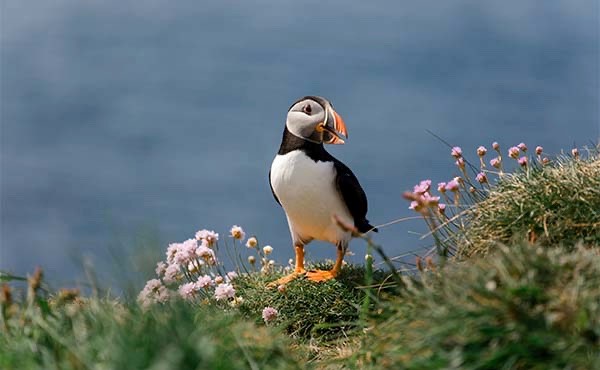
Spring across the Severn Estuary is a fine place to spend a few days for those into woodland birding on our Wild Pembrokeshire trip. With luck, the western trio of wood warbler, pied flycatcher and redstart should all make an appearance, while nightingales serenade you from the understory. Continuing onwards to Skomer in west Wales, this island paradise is home to a summer seabird spectacular. Here the ledges are stuffed with guillemots and razorbills, while the cliff-tops provide bed and breakfast for charismatic choughs and picture-perfect puffins.

View all our birdwatching holidays to the UK and Scotland or speak to our expert team about any of our trips.