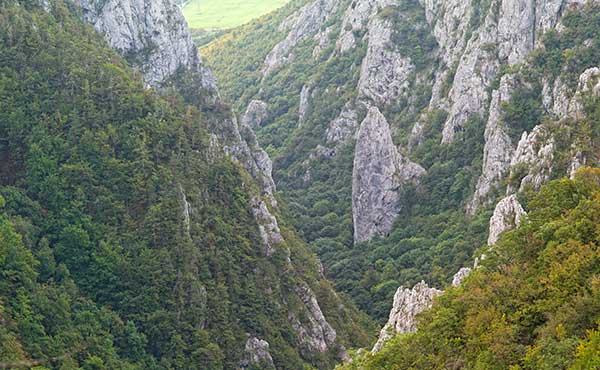
The Slovak Karst region, part of the Carpathian Mountain range is best known for its intricate cave complexes, and plains covered in oak and hornbeam forests, with large tracts of beech forest in the north. Caves here are home to some rare and unique flora and fauna, including 14 or more species of bat.
Find Out More
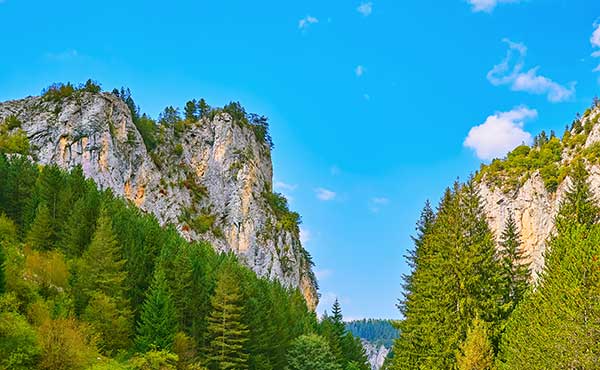
Occupied since Thracian and Stone Age times, the village of Trigrad lies 40 kilometres west of the town of Smolyan, and the nearby Trigrad Gorge offers visitors activities such as caving and hiking. The gorge spreads along the Trigradska River for about 3 kilometres and is rich in wildlife.
Find Out More
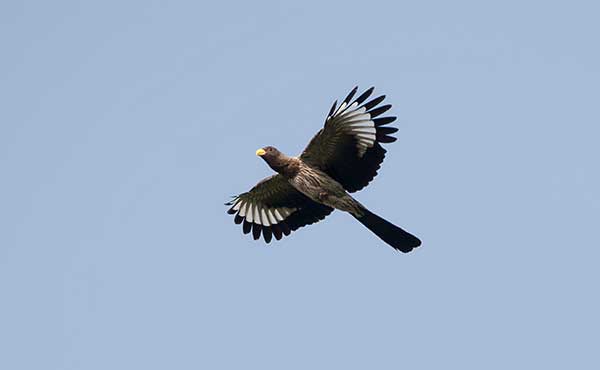
Abuko Forest Reserve is home to gorgeous birds like the startlingly-coloured violet and Guinea turacos, and some deceptively dozy-looking crocodiles. The tall trees here with their superb buttress roots are worth seeing in their own right, as are the reserve's rare western red colobus.
Find Out More
Krumovgrad is situated in the Eastern Rhodope Mountains and is a popular region with tourists on account of its interesting historical sights and unspoiled nature. Located 310 kilometres from the capital, Sofia, the town of Krumovgrad is populated mainly by ethnic Turks and Bulgarians.
Find Out More
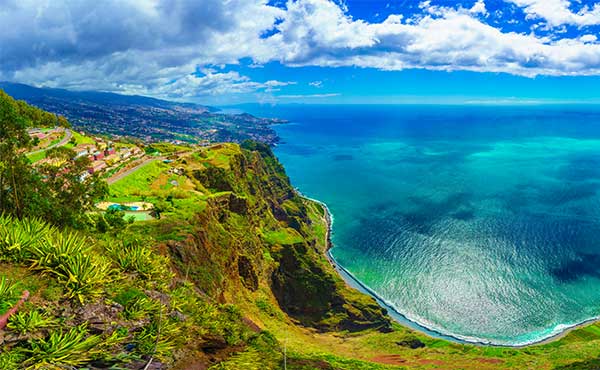
With diverse habitats and nutrient-rich waters, Madeira has an exciting variety of native plants, birds and cetaceans, while its warm climate and proximity to home make it an ideal short break destination. It also offers the chance to photograph dolphins against the special blue of Madeira’s sea.
Find Out More
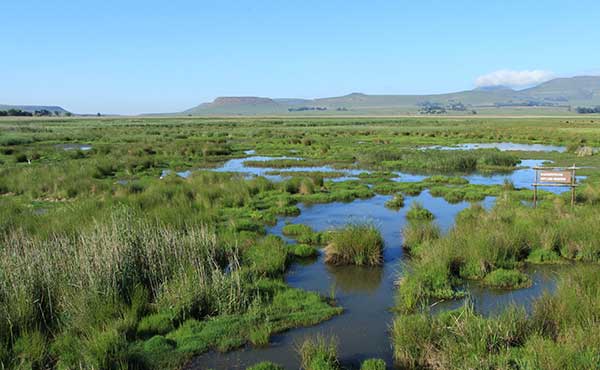
The town of Wakkerstroom and its wetland reserve is on the KwaZulu-Natal border, 27 kilometres east of Volksrust. Surrounded by mountains with springs, vleis (irregular wetlands), dams, and numerous conservation and heritage sites, it has become internationally renowned as a birders' paradise.
Find Out More
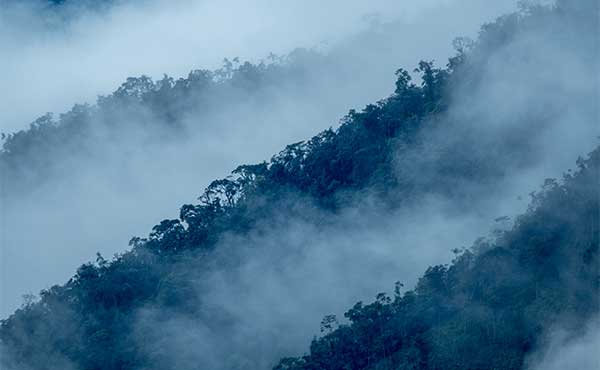
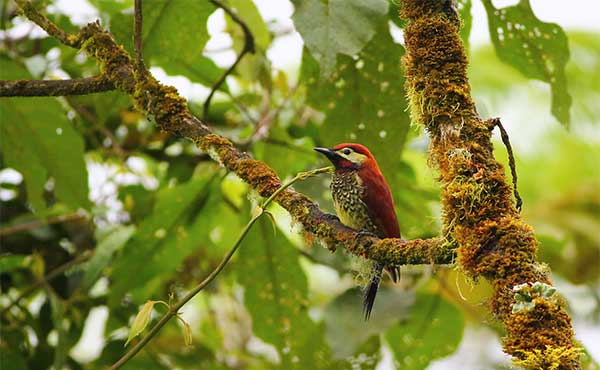
Las Tangaras, on Colombia’s Pacific Slope, can be explored in 4WDs, from 1,800 to 1,250 metres in altitude, going in search of the reserve’s star species: black-and-gold tanager and gold-ringed tanager as well as other Choco specialities including black solitaire, and Choco trogon.
Find Out More
Surrounded by coffee farms and the lush green slopes of the Andes, and boasting distinctive brightly coloured houses, this small mountain town has a relaxed laid-back air, and unique charm. This is authentic Colombia, popular with backpackers and one of the country’s must-visit destinations!
Find Out More
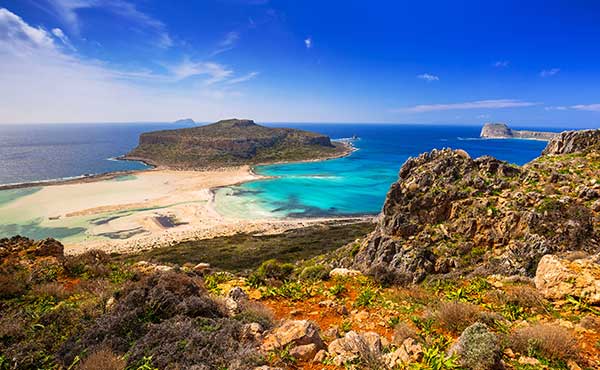
Crete’s geology and isolation have given rise to a unique flora, and no less than one tenth of its plants (more than 180 species!) are endemic to the island – the greatest proportion of endemic plants on any island in Europe. One of the joys of birding here is the chance of incredibly close views.
Find Out More
Johan Smit Park in Zuidhorn is large and wooded, with highland cattle wandering through it. The area of Middag-Humsterland near Zuidhorn is known for its ‘wierden’, man-made dwelling mounds dating back to 500BC or earlier. This region is one of the National Landscapes of the Netherlands.
Find Out More
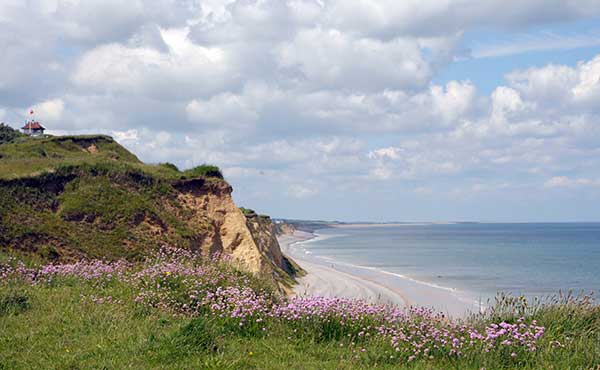
With its huge range of landscapes, ranging from the Brecks to the Broads, Norfolk has long been known as one of England’s finest counties for wildlife. Norfolk’s coastline is also long and wonderfully varied, stretching from the mudflats of The Wash to the tidal estuary of Breydon Water.
Find Out More
The Hortobágy National Park comprises steppe grasslands, and a chain of wetlands of international importance. In autumn, huge numbers of cranes, geese and other wildfowl pour through, while resident birds include raptors and great bustards. The Hortobágy fishponds are also wildlife-rich.
Find Out More
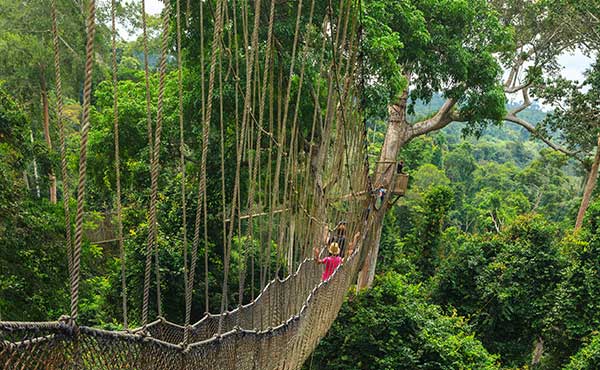
Kakum National Park protects mammals such as giant bongo antelope and Diana monkey, as well as some birds of international significance. Highlights include a canopy-level walkway 40 metres above the ground, the Antwikwaa and riverine sections of the park – all home to a wonderful diversity of birds.
Find Out More
Situated on the southern tip of the Iberian Peninsula, the Alentejo and Algarve enjoy a mild climate, rolling landscape of vineyards, cork oaks, wheat fields and olive trees, and a coastline studded with lagoons, marshes and cliffs and woodland, all of which attracts an exciting variety of wildlife.
Find Out More
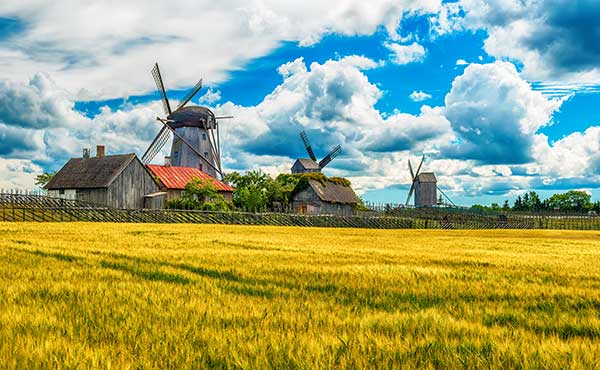
Covering an area of 2,673 square kilometres, Saaremaa is the main island of Saare County, and located in the Baltic Sea. Each year hundreds of thousands of migratory birds visit Saaremaa in spring and autumn. It has a mild maritime climate and a variety of soils, which results in a rich flora.
Find Out More
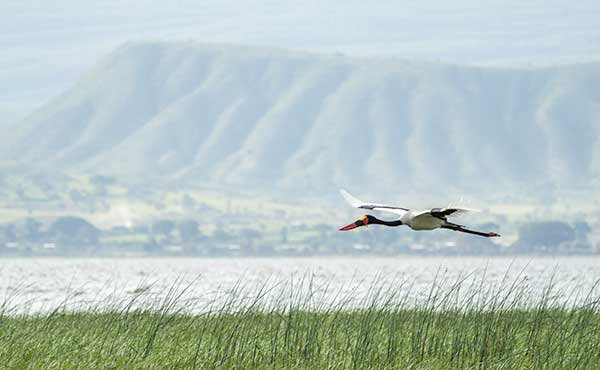
The trees down Awassa’s main street are used by hundreds of marabou storks, while in the lake’s reedy shallows many species – from black crakes and African pygmy geese to hippos – are readily seen. Guereza colobus are common in old acacia trees, and the African spotted creeper may also be found.
Find Out More
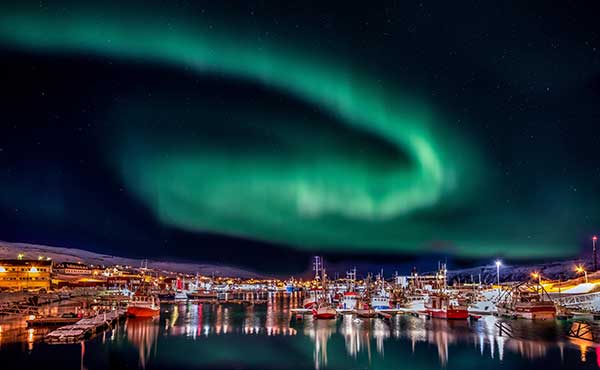
The harbourside town of Batsfjord in Arctic Norway is an excellent place for seeing the Aurora Borealis (you can't get much further north in Europe than this), as well as king, Steller’s and common eiders, all in breeding plumage in winter and offering superb opportunities for photographers.
Find Out More
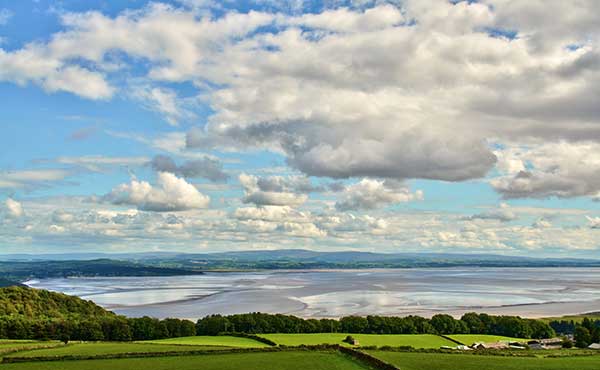
Bordered in the east by the Pennines, Lancashire’s main rivers drain west into the Irish Sea. Areas of national and international significance, for their birdlife include the Ribble Estuary, Morecambe Bay, while the limestone pavements at Leighton Moss are home to a rich endemic flora.
Find Out More
The shelter offered by Varangerfjord, in combination with its Arctic location, make this a fabulous place for sea-ducks. Mixed rafts of common, king and Steller's eiders can be found almost anywhere, while the further east we go the more likely we are to see the magnificent white-billed diver.
Find Out More
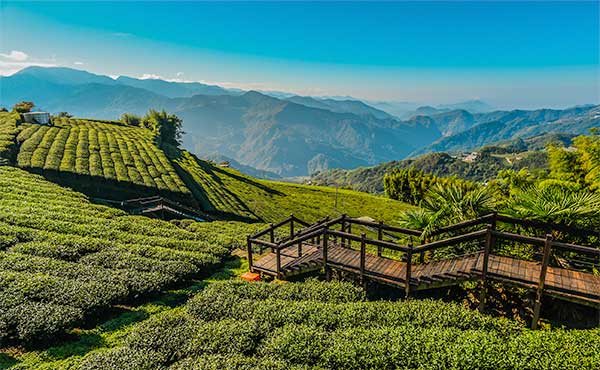
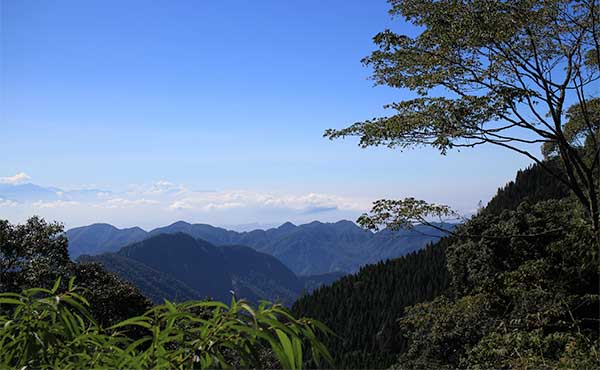
The Alishan National Scenic Area is a beautiful combination of forest, mountains and tea plantations and is famous for its stunning sunrises and sunsets. Cherry blossoms and wisteria flower from late winter through to early spring and make for a great photograph against the carpet of wispy clouds.
Find Out More
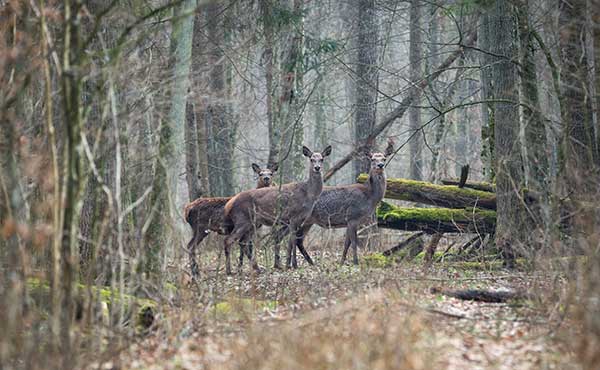
The Belovezhskaya Pushcha is a UNESCO World Heritage Site and home to birds such as red-breasted, collared, and pied flycatchers and black woodpecker, as well as an exciting selection of rarely seen European mammals including European lynx and bison, plus wild boar and red deer.
Find Out More
The Dasyueshan Forest Recreation Area is located within the Snow Mountain range and is the meeting point for four of Taiwan’s mountain ranges. The views from the area are other-worldly and it is an ideal destination for birdwatchers, with key species including Swinhoe's pheasant, and Taiwan partridge.
Find Out More
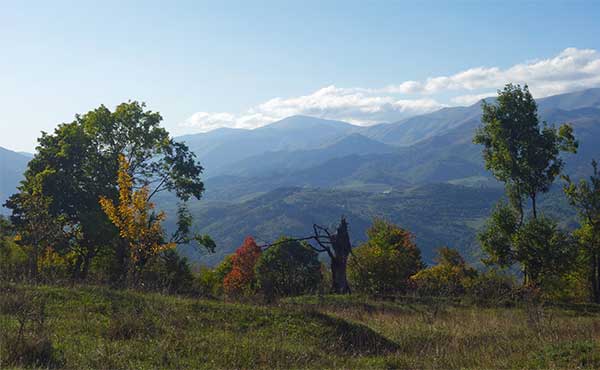
Dilijan National Park covers an area of 240 square kilometres and has tracts of forest, mineral water springs and a rich biodiversity. It’s covered in a network of hiking trails and there are several important national monuments contained within the park, including the Haghartsin Monastery.
Find Out More
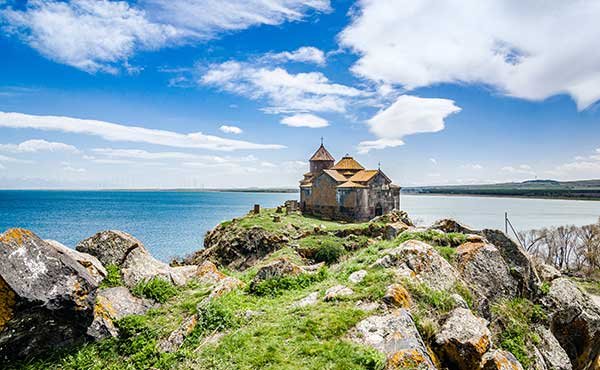
Lake Sevan is an important wetland for migratory passerines and waterfowl. There is a resident pair of goshawks, while migratory Levant sparrowhawks and demoiselle cranes use the site as a stopover on migration. 'Gull Island' in the north of the lake is an excellent location for Armenian gulls.
Find Out More